Living
Contemporary creations
Gay Georgetown designer says homes should be efficient and calming

Ernesto Santalla is being honored with a minority business leader award from Washington Business Journal this month. (DC Agenda photo by Michael Key)
Walking into the upstairs offices of Studio Santalla in Georgetown on a warm, sunny spring day this week, it’s clear that different people designed the exterior and interior. You climb an almost fire escape-like set of outside steps to get to the nondescript door but upon entering the spacious office a different vibe emerges. There’s one mammoth room with a day bed and coffee table in the entry way, a conference table nearby and a fleet of desks on one side of the room while large protruding bookcases built into the walls on the other side jut outwards in perfect synchronization.
Owner Ernesto Santalla emerges from a rear corner with a soft-spoken greeting. Over the course of a nearly two-hour conversation, the unflappably calm gay architect and interior designer explains his philosophies, peppering his postulates with biographical rabbit trails and side projects that reveal a modern-day renaissance man.
Without a trace of ego, it emerges from the natural flow of conversation that he’s also a writer and photographer who speaks four languages. Even with piles of work paraphernalia around — backdrops he’s planning for the gay chamber of commerce dinner, mammoth enlargements of his photos propped against a desk — the office doesn’t look like a mess, though he apologizes for the slight disarray.
Santalla, whose work is contemporary, uses the office to illustrate one of his design principles: welcoming rooms should create a sense of calm. He points to blinds on the windows that form large white rectangles. They’re echoed on the floor in swatches of white carpet that divide the room. They appear again as doors on the ends of the bookshelves.
“It doesn’t hit you over the head, but your mind reads it and it’s unconscious and you say, ‘Oh, this is a well-organized space,'” Santalla, 49, says. “And so that’s part of how we use colors and materials to create a sense of calm. You’ve come in from the outside where you’re on information overload. In here is more of an oasis.”
One imagines — though it isn’t discussed — Santalla has been just as careful planning and arranging the intersections of lines and planes on his face. Impeccably manicured eyebrows peer above tiny but severe rectangular silver glasses. He’s a striking presence and much more soft-spoken than one might guess.
Santalla — who was profiled in the Washington Post in February and is getting a minority business leader award from Washington Business Journal this month — is a local entrepreneurial success. He and a former boyfriend moved here immediately after finishing college at Cornell in 1984. He worked for a local architectural firm for 10 years, then started Forma Design Company with his former colleague Andreas Charalambous in 1994. In 2001 he started Studio Santalla and has stayed busy with it ever since. He usually has between eight and 10 projects on the table at once. Spring and fall are his busiest seasons. He’s rebounded nicely from the recession, though there was a rough period.
“One fine day the phone just stopped ringing,” he says. “The summer had been slow, but it’s always slow. Or slower. But then people start calling in September. Well in 2008, they didn’t. And of course it kept going down, down, down, down, down until April of last year because the luxury business was affected immediately. It’s the first thing people give up. But we started to rebound last year.”
Santalla was born in Cuba but immigrated with his family to the U.S. 11 days before the missile crisis in 1962. He was 2. They lived in St. Louis where they had family until Santalla was 10 when they moved to San Juan, Puerto Rico where he stayed until college. It was a tough move, he says. He and his sister had been completely assimilated into U.S. culture and then had to radically switch gears. He found it a blessing in retrospect, though.
He knew he had an artistic drive early on but found few outlets for it in school. He was discouraged from taking an art elective course in junior high and opted for French instead.
“There was a stigma with it,” he says. “You either took one or the other, French or art, so it was kind of like, ‘Oh, well you can’t do French, then you do art.”
It came in handy years later though. Six years of French study proved advantageous for the biggest project of his career — renovating a 700-year-old, five-story second home of his clients Holly and Jan Grent in the south of France. He’d already done two houses for them in Gainesville, Va., where they live about half the year. He imagined a radical redesign that incorporated nearly all facets of his architectural and design skill, knocking down walls, taking out staircases, building new rooms, installing a swimming pool and a patio and terrace.
“He did a complete redesign and an architectural miracle on this place,” Holly Grent says. “Everyone who comes to the house in France, even just people selling magazines, the minute they walk in the door, they say, ‘Oh, I love the way your house is.'”
She describes his work as “simple yet elegant, straightforward and contemporary.”
He elicits similar raves from another former client who became a friend. Nancy Penczner was getting her nails done shortly after moving to Potomac, Md., from Nashville where she and her husband, Marius, directed country music videos. She knew she wanted some radical work done on her new house but didn’t know where to begin. She and Santalla clicked immediately.
“He said, ‘You know, Nancy, the most important thing in the room should be you,'” Penczner remembers with a laugh. “I said, ‘You’re hired.'”
She says the renovations, completed five years ago, haven’t aged at all and she still loves her home.
“I just admired his style and I wanted a clutter-free home,” she says. “I think you have to find somebody whose style you admire but he was also good at collaborating with me. My furniture was in a jumble. I had inherited a lot of stuff. He did a great job of understanding where I came from. It’s modern and sleek, but it also has charm.”
Grent says it’s amazing to watch Santalla at work.
“I’m not exaggerating — he can walk onto a room. He puts his hand on his chin. I know because I’ve seen him do this so many times. He pans the room and he starts seeing things and starts verbalizing and then Jan and I see it also once he describes it. And really, like 99 times out of 100, we agree with him.”
Santalla’s motto is “sustainable space for life.” He’s committed to moving toward sustainable living and work spaces and believes houses and offices should be designed so all their space is used. He loathes big McMansions in which certain rooms or spaces sit empty. He says his architectural training gives him an edge other designers don’t have.
“They’re one in the same in a way,” he says. “Architecture doesn’t end at one certain place where design picks up. It’s our unique selling point, this whole integrated approach.”
So how true is the stereotype that all interior designers are gay?
“The word on the street is yes,” Santalla says with a chuckle. But he quickly points to several famous architects who were straight. He says it’s not a big deal and most of his clients have been straight.
“I know a lot of artists, they might be straight or gay. I don’t really care one way or the other. It’s like there’s this big thing now, ‘Oh, Ricky Martin’s gay.’ So? It’s not like I stand a chance anyway or any of my female friends did, so what does it matter to me?”
One of Santalla’s gay clients ended up becoming his partner — local attorney Glen Ackerman, whose condo Santalla renovated when Ackerman relocated here from Florida in 2006. They’d both been in long-term previous relationships but were single and bonded during the project, which was featured in the Post in February. They live together now with their two dogs.
“We’re just a same-sex couple,” Santalla says. “We live together and we’re part of society in general. … I don’t segregate myself. I’ve been invited to join people of color groups and that’s fine, it’s my heritage. But it should really come down to am I good or not. Hire me because I’m good, not because you think it’s going to be cheap, because it’s not, or because you want to work with a Hispanic or a gay. Work with me because I’m good and you like me.”






Real Estate
Signs you’ve outgrown self-management of your D.C. rental
Keeping up with local regulations is a struggle
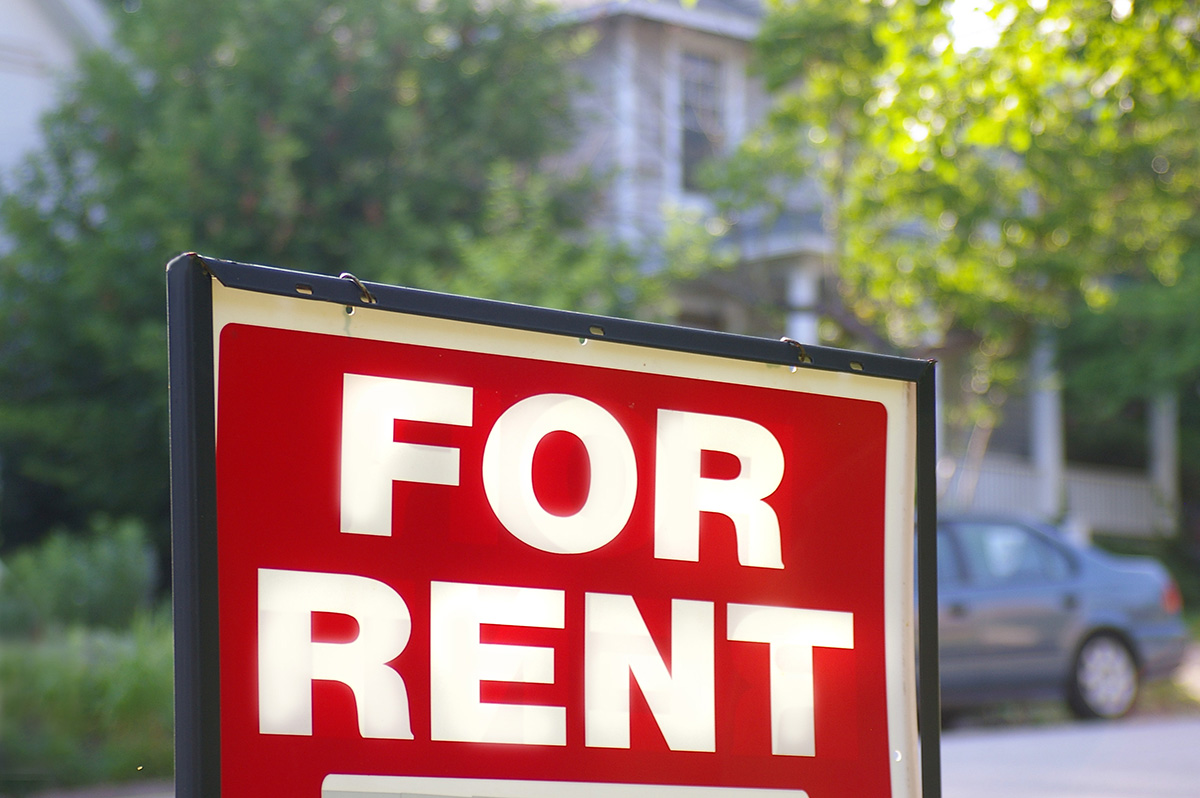
According to rental market statistics from RentCafe, Washington, D.C., remains at the top of the most popular cities for rental properties. With a strong rental market and a growing population, success should be second nature to real estate investors and rental property owners in this area.
As a self-manager of your own rental, if you’re not enjoying the profitability and the earnings that this market can provide, it might be time to look for professional management.
There are certain signs that show property owners have outgrown self-management. We’re exploring those today, and inviting DIY landlords to consider the benefits that come with a partnership with a professional property management company in Washington, D.C.
Washington, D.C., is known for having a complex and ever-changing regulatory environment. There are strict tenant rights, rent control laws, and specific rules related to property maintenance such as mold, lead based paint hazards, among others. The Rental Housing Act of 1985 is strictly enforced, and under this program, there are specific rules regarding rent adjustments, dispute resolution, and eviction protections.
Fair housing laws need complete compliance, security deposits have strict timelines, and habitability standards are in place to ensure tenants are living in a home that’s safe and well-maintained.
Staying on top of these rules can be time-consuming and difficult. Violating even a small regulation unintentionally can result in fines or legal action. It’s critical to stay compliant, and if you find yourself struggling to keep up with the evolving laws and regulations, it’s a clear sign that you may need professional help. Property managers can reduce the risk and liability of making a legal mistake.
Financial Returns are Underwhelming
A lot of self-managing landlords choose to lease, manage, and maintain their own properties because they don’t want to pay a management fee. We get it. Keeping more of your money seems like the best way to increase profitability.
But, here’s the reality of it: property managers can help you earn more and spend less on your investment, increasing your earnings and your ROI. In fact, a good property manager can often earn enough additional net revenue for the owner to pay for that fee over a year.
Property managers are experienced at maximizing the financial performance of rental properties. We can help:
- Optimize rental income
- Reduce vacancy rates
- Lower maintenance costs through established vendor relationships
- Recommend improvements for higher values
Ultimately, a good property manager will ensure that your property is being run efficiently. We will use our expertise to ensure your property is earning what it should.
Maintenance and Repairs Are Taking Up Too Much Time
Maintenance challenges are not unique to self-managing rental property owners. We deal with them, too, as professional property managers. We respond to plumbing issues and appliance malfunctions, we take calls in the middle of the night when a sewer is backing up, and we work hard to protect properties against deterioration and general wear and tear.
This can be overwhelming, especially when it comes to finding vendors and service professionals that are both affordable and provide quality service. Plumbers, electricians, HVAC technicians, and even landscapers and cleaners are in high demand in Washington, D.C. But maintenance at your rental property cannot wait. It’s essential to the value and condition of your investment as well as to the product you are selling.
It’s time to work with a professional property manager if you’re having trouble finding vendors or if you’re struggling to keep up with maintenance requests. We have systems for emergency responses, routine repairs, and preventative services.
Tenant Screening Is Becoming More Difficult and Time-Consuming
Finding good tenants is one of the most critical aspects of rental property management. But in our home of Washington, D.C. we have one of the most regulated rental markets in the country. The tenant screening process has become increasingly complex, highly restricted, and time-intensive.
Many property owners are surprised to learn that there are more limitations than ever on what can be screened, what information can be used in making a decision whom to rent to, and how screening decisions must be documented. Federal and local laws tightly regulate the use of credit histories, criminal background records, income verification, and even eviction records. Staying compliant is not optional. Failure to follow these rules can open the door to discrimination claims, administrative complaints, substantial fines, or even lawsuits.
That’s why rushing or relying on outdated methods can easily result in selecting the wrong resident or worse, unintentionally violating DC’s Human Rights Act or federal Fair Housing laws.
Problematic tenants often become evident only after move-in: lease breaks, chronic late payments, noise complaints, and property damage. When these patterns appear repeatedly, it is often a sign that the screening process is not sufficiently structured.
Why Professional Screening Matters
Professional property managers have systems in place to perform thorough, legally compliant screening while avoiding oversteps that could violate the regulations. Professional property managers use trusted screening platforms and follow written processes that keep owners protected and ensure fairness for applicants.
Columbia Property Management’s screening process includes:
- Credit Report Review
Evaluating credit patterns, payment reliability, and debt load while complying with restrictions on how data can be used. - Rental History Verification
Contacting prior landlords and reviewing national eviction databases—keeping in mind that some jurisdictions like the District of Columbia limit how far back eviction data can be seen, must less considered. - Background ChecksReviewing public records in a manner consistent with DC’s Human Rights Act and federal guidance on criminal history usage. Not all criminal records can be considered in rental decisions, and timing rules often apply.
- Income & Employment Verification
Confirming applicants can afford the rent and other monthly expenses based on their income, without ruling out certain income in a discriminatory way (e.g., vouchers, subsidies, or lawful alternative forms of income). There are many intentional steps conducted by professional property managers under a framework that ensures decisions are based on objective criteria, applied consistently, and fully aligned with the latest federal and DC regulations.
Your Property Is Sitting Vacant for Longer Periods
While current rental market dynamics are starting to show the effects of federal workforce layoffs and the worsening local economy, the vacancy rate in Washington, D.C., is relatively low, compared to the national average. According to a news report from WTOP, the local vacancy rate is just 6%, and there are an average of seven applications for every available rental unit.
A vacant rental property can quickly become a financial drain. Whether you own a condo near Dupont Circle or a single-family home in one of Capitol Hill’s neighborhoods, every day your property sits empty means lost income. While the D.C. market is generally competitive, the reality is that there are always fluctuations in demand based on seasons, neighborhood desirability, and even economic trends.
If you’re struggling to fill your rental quickly, it might be a sign that you need to re-evaluate your approach. An experienced property management company has a marketing strategy in place to keep vacancy periods as short as possible. From professional photos and listings to leveraging established networks, they can help ensure that your property is rented quickly, reducing the amount of time it sits vacant.
While managing a rental property in Washington, D.C., can be rewarding, it’s also challenging. As your property portfolio grows or the demands of your life or the demands of being a landlord increase, it’s helpful to recognize when it’s time to step back and let a professional handle the day-to-day tasks.
From navigating complex local regulations to ensuring your property remains occupied and well-maintained, there are many reasons why rental property owners in Washington, D.C., outgrow self-management. If any of these signs resonate with you, consider partnering with a property management company like ours to ensure that your rental investment continues to thrive without the stress and burnout of self-management.
We’d love to be your Washington, D.C., property management partner and resource. Please contact us at 888-857-6594 or ColumbiaPM.com
Scott Bloom is owner and Senior Property Manager, Columbia Property Management.
Advice
My federal worker husband is depressed and I don’t know how to help
I feel like he’s dragging me into his hopelessness

Dear Michael,
My husband is a federal worker. Many of his colleagues took “the fork” or have been fired. So work has been overwhelming. He usually works late. The morale in his office is terrible. His paycheck disappeared with the shutdown although due to the specifics of his job, he still had to go in. He’s gotten increasingly depressed, irritable, and short-tempered.
I met Jason 20 years ago when we were young, and one of the things that made me fall in love with him was his idealism. He came to Washington because he wanted to contribute to the well-being of our country.
When I look at him now, it’s like he’s been through the wringer. He’s lost his idealism, feels unappreciated by our country, and is becoming bitter.
He never wants to go out with friends. Either he doesn’t want to hear them complain about the same sorts of things he’s experiencing, or he doesn’t want to have to interact with people who are doing just fine, job-wise.
He also doesn’t feel like going out, just the two of us. So we’re home a lot. But we’re not spending time together when we’re at home. He’s surfing the internet, doom-scrolling, or playing video games.
I can’t get him to talk to me; he says, “I don’t want to talk about anything, it just makes me feel worse.” I can’t get him to do anything that might help him feel better. He doesn’t want to cook dinner with me, he doesn’t want to eat any of his favorite foods that I make for him, he won’t go for a walk with our dog (exercise is supposed to help mood, right?).
I’m really worried about him. Clearly, he’s depressed, and nothing I am trying is helping him to feel better.
But in addition, I am starting to get annoyed. How much more can I try to do things for him that he doesn’t respond to and doesn’t appreciate?
I’ve been OK through this long slog, so far, but now I feel like I am being sucked into his depression and hopelessness. I’m starting to feel like giving up. I’m lonely and I miss my husband and I am despairing that he’s ever really going to come back.
In short, now I hate my life, too.
I’m not going anywhere but I am worried that my main feeling toward him is starting to be apathy. Is there something I can do to help him that I haven’t thought of?
Michael replies:
I’m sorry, this is such a rough time.
It’s understandable that when someone you love is suffering and feeling miserable, you might at times get fed up and feel like pulling away.
There’s a great saying by an ancient Jewish sage, Rabbi Tarfon: While you can’t fix the whole world, that doesn’t mean you should give up and do nothing to help.
I thought of that saying as I read your letter, because while you can’t get Jason to change his mood or take action on his own behalf, you may have some ability to help him.
Similarly, while you can’t have a fantastic time in life when your husband is in a miserable place, you can take care of yourself and likely have a better life than you are having at present.
For starters, I encourage you to keep reminding yourself that this is without doubt one of the hardest periods of your husband’s life. So it’s a very good idea to have an open heart and a lot of compassion for Jason, as much of the time as you can. This won’t be easy. Strive to keep in mind that getting angry at Jason or frustrated with him won’t help.
Don’t try to insist that Jason do anything. Often, when we push someone to do something that they don’t want to do, this just results in their digging in more. People generally don’t like to be nagged.
Of course you can ask Jason if he’d like to join you for a walk, or an outing, but tread carefully. You can advocate for what you’d like, but Jason gets to decide what he wants to do.
You can certainly ask Jason what he would like from you, especially when he’s complaining. I love the “3 H’s” concept: Would he like you to hear (simply listen)? Would he like help (advice on what to do)? Or would he just like a hug?
The best message you can send to Jason, by your presence and by an ongoing loving stance, is “I am here. You’re not alone.” Even when he wants to stay in the basement playing video games. You’re not criticizing him and you’re not judging him. Maybe you’re baking some cookies you both like and leaving him a plateful to eat if and when he wants to. (Be sure to treat yourself to some, as well.)
In terms of bigger interventions, you can suggest that Jason meet with a therapist, or meet with his physician to discuss the possibility of an antidepressant to help him through this awful period. For example, you might have a sincere conversation where you say something like this:
“I’m worried about you. I really want to encourage you to get some help. My love for you can only go so far, and while I’m not going anywhere, I’d like you to take seriously how miserable you are. I’m here to encourage you that maybe you could feel better, even though your circumstances are terrible and you feel disillusioned.”
Again, trying to convince or force Jason to take action will likely go nowhere useful.
Now let’s focus on you. Living with a depressed spouse can be a miserable, soul-crushing experience. As you described, you’re watching the person you love suffer, and you’re pretty much losing your partner in so many of the things that make life enjoyable.
Part of getting through this is to acknowledge that there is a limit to what you can do for Jason. And part of it is to strengthen your commitment to self-care. Taking care of yourself may keep you from going too far into misery or resentment. He doesn’t want to get together with a friend? Consider going anyway, and do your best to have at least a good time. Same thing with a dog walk, a good meal, or sitting down to watch a movie you’d like to see. You might also consider meeting with a therapist for ongoing support and strategizing.
While this period of your life is gruelingly difficult, try to remember that it likely will come to an end, that there will likely be good times ahead for you and for Jason, and that in the meantime, doing your best to find ways to take care of yourself while also being a supportive and loving spouse will help you to survive.
Michael Radkowsky, Psy.D. is a licensed psychologist who works with couples and individuals in D.C. He can be found online at michaelradkowsky.com. All identifying information has been changed for reasons of confidentiality. Have a question? Send it to [email protected].
Real Estate
Tips for LGBTQ buyers, sellers during holidays
A powerful and overlooked window for real estate transactions

The holiday season is a magical time, filled with celebration, travel, connection, and reflection. It also happens to be a powerful — and often overlooked — window for both buying and selling real estate. For members of the LGBTQ+ community, shopping for a new home or preparing to list a property during the holidays comes with opportunities, challenges, and important considerations that deserve thoughtful attention.
Whether you’re preparing to make a move as a same-sex couple, searching for safe and affirming neighborhoods, or hoping to secure the best possible price for your home sale before the new year, the holidays can offer unique advantages. With an inclusive approach, LGBTQ+ friendly resources, and the right professional guidance, this season can be a strategic and rewarding time to take your next real estate step.
Below are actionable tips, insights, and resources specifically tailored to LGBTQ+ home buyers and sellers navigating the holiday season.
Why the Holidays Can Be the Right Time
Lower Competition & Motivated Sellers
Because so many people put their real estate plans on pause during November and December, LGBTQ+ home buyers may see lower competition, fewer bidding wars, and sellers who are eager to close before January. This can bring real advantages for first-time gay home buyers or same-sex couples seeking more favorable negotiating terms.
Buyers Are More Serious
If you’re selling your home as an LGBTQ+ individual, remember: holiday buyers tend to be more intentional, financially prepared, and timeline-driven. This can make the sale process smoother.
Holiday Appeal Helps Homes Show Better
Warm lighting, seasonal décor, and neighborhood festivities can enhance curb appeal and emotional impact — which can be especially valuable when selling your home.
Tip #1: Choose LGBTQ-Friendly Representation
Above all else: work with a professional who understands the LGBTQ+ community and the unique concerns LGBTQ+ clients have.
This means choosing:
- a gay realtor
- a lesbian realtor
- an LGBTQ+ friendly real estate agent
Agents who are part of, or deeply familiar with, the LGBTQ+ community can make a tremendous difference in safety, comfort, and confidence throughout the transaction.
For more than 30 years, GayRealEstate.com has been the trusted leader in LGBTQ+ real estate, providing LGBTQ+ home buyers and sellers access to:
- verified LGBTQ+ real estate agents
- same-sex couple home buying experts
- LGBTQ+ friendly realtors near you
- agents experienced in discrimination-related protections
- LGBTQ+ relocation specialists
Whether you’re buying or selling, this starts you on the right path.
Tip #2: Focus on LGBTQ-Friendly Neighborhoods
If you’re buying a home during the holidays, make researching neighborhoods a top priority.
Look for areas known for:
- Inclusion & diversity
- Active local LGBTQ+ groups
- Gay-friendly businesses
- Visible LGBTQ+ community presence
- Supportive schools & services
- Pride events & alliances
Searching online helps — but talking with an LGBTQ+ friendly realtor who knows these neighborhoods firsthand is invaluable.
Also search:
- LGBTQ+ crime statistics
- local anti-discrimination policies
- protections against housing discrimination
- hate crime data
- political climate
- HOA regulations
Your home should feel safe year-round, not just festive in December.
Tip #3: Know Your Legal Protections
Housing discrimination still exists — and LGBTQ+ home buyers and sellers must remain vigilant.
While federal protections exist through the Fair Housing Act (as interpreted to include sexual orientation and gender identity), not all states provide equal protection.
Know your rights around:
- Mortgage discrimination
- Rental screening discrimination
- Sellers refusing offers from LGBTQ+ buyers
- HOA discrimination
- Harassment after move-in
Your agent should be able to assist — but GayRealEstate.com also offers educational guidance and resources for navigating LGBTQ+ legal protections in real estate
Tip #4: Navigate the Emotional Side
For LGBTQ+ buyers and sellers, the holidays can stir up complex feelings:
- family dynamics
- financial pressure
- expectations around marriage or partnership
- relocation stress
- memories tied to a home
Be patient with yourself.
Buying or selling a home is life-changing — honor the emotional journey as much as the financial one.
Tip #5: Take Advantage of Holiday Cost Savings
Buying?
- Lower interest rates may appear around December
- Contractors often discount home inspections & repairs this time of year
- Movers run holiday promotions
Selling?
- Minor seasonal upgrades help tremendously:
- warm lighting
- new evergreen planters
- festive front door accents
- Be careful not to over-decorate — buyers need to see the space clearly
And yes — holiday cookies help.
Tip #6: If You’re Relocating — Plan Ahead
Many LGBTQ+ buyers relocate during the holidays to:
- be closer to family
- move in with a partner
- begin a new job in the new year
If you’re relocating as an LGBTQ+ couple or family:
- research local LGBTQ+ resources
- connect with local LGBTQ+ organizations
- ask your gay real estate agent about local LGBTQ+ clubs, groups, and services
- evaluate long-term safety for LGBTQ+ families
Plan early — December moves get booked fast.
Tip #7: Use Trusted LGBTQ Real Estate Resources
The most important resource of all:
GayRealEstate.com — the #1 dedicated LGBTQ+ real estate resource for over 30 years.
On GayRealEstate.com, you can find:
- LGBTQ+ friendly real estate agents nationwide
- Verified gay and lesbian Realtors
- LGBTQ+ real estate market information
- Same-sex couple home buying guidance
- LGBTQ+ real estate services
- Gay and lesbian friendly neighborhoods
- Relocation tools
- LGBTQ+ home buyer & seller education
No other site offers this level of specialization, expertise, or community connection.
The holidays are more than just a season of celebration — they’re also a meaningful opportunity for LGBTQ+ home ownership, real estate transitions, and new beginnings. Whether you’re a first-time gay home buyer, a same-sex couple selling a home, or an LGBTQ+ family preparing to relocate, you deserve an experience grounded in respect, inclusion, and safety.
With the right preparation — and the right LGBTQ+ friendly real estate agent — your journey can be rewarding, affirming, and filled with new possibilities for the year ahead.
To find an LGBTQ+ real estate agent who understands your needs, visit GayRealEstate.com, the trusted leader in LGBTQ+ real estate services, resources, and representation for over three decades.
Scott Helms is president and owner of Gayrealestate.com.

PHOTOS: The Holiday Show

The best books to give this holiday season

Studio’s ‘Mother Play’ draws from lesbian playwright’s past

Choose U ambassadors share lived experiences with HIV, personal reflections, and insights

DOJ seeks to join lawsuit against Loudoun County over trans student in locker room

EXCLUSIVE: George Santos speaks out on prison, Trump pardon, and more

Victory Institute honors transgender Spanish senator in D.C.

The beginning of the fall of Trump

Markey reintroduces International Human Rights Act in Senate