Real Estate
Real estate in the 21st century
 The real estate industry has changed by leaps and bounds in the past two decades. Since the advent of the internet, the proliferation of smart mobile devices and the presence of at least one computer in most everyone’s home, access to information has never been easier.
This obviously means a buyer can purchase with more data at his or her disposal, and hopefully make a wiser purchase. Sellers, too, can benefit from access to this information by getting tips on how to present their home on the market more effectively, not only in terms of price, but also by getting smart tips as to how to improve the home’s appearance for a sale.
There is almost no downside to this improvement in technology; buyers can go to virtual open houses in their underwear, sellers can present their home to many more people than they could otherwise, and agents have the opportunity to reach and connect to clients, both buyers and sellers, who may be tens of thousands of miles away, instantaneously. There are only a few caveats to using these new tools.
Firstly, buyers should get acquainted with the pros and cons of all the tools out there. For example, there are some websites that purport to be all-in-one sources of information across the country for available and sold home data. In most cases, these multi-jurisdiction searches are lacking in current information due to the complexities of establishing real-time connections to the thousands of MLS (Multiple Listing Service) providers that exist across the country. In addition, some areas, like New York City, don’t have an MLS that is used by all brokerages for all properties, so it becomes necessary to actually search on individual broker websites for current information.
Trulia, Zillow and the now unsupported Google real estate maps websites all try (or tried) to stay on top of current data and have succeeded only to a certain extent. There are listings on Trulia that show as “active” that were sold long ago, and sometimes two or more listings with different prices for the same property will exist on Zillow. These websites do their best to stay on top of new and under-contract listings but because they do not have real-time feeds to MLS providers, they can only be so accurate. HomesDatabase.com is the public side of MRIS, which is the region’s main MLS provider.
It’s not incredibly easy to use but does have the most accurate, up-to-date information on properties listed through MRIS. Other websites like CBMove.com, the local Coldwell Banker site, and many other local brokerage sites, pay to access MRIS information hourly and redisplay those listings, so they are almost always up-to-date as well. Some of these websites also have a function to allow buyers to set up automatic searches that alert them when new properties within their search parameters hit the market.
Secondly, it’s important to remember that access to information can be daunting. There is so much information out there that many buyers will be overwhelmed, especially towards the beginning of their search. Real estate vocabulary, lending options, neighborhood information — it’s all a little confusing when you are first starting out. Some brokerages base their services on a “self-service” approach whereby buyers use the internet to compile properties they’re interested in, then attend open houses and only engage the broker when they are ready to put in an offer.
This approach may work for some, but many buyers find that they have no up-front help understanding the process, and then they end up doing more work, seeing fewer properties and seeing properties only on someone else’s schedule — all to pay the same price as a buyer utilizing the services of a full-service buyer’s broker (who, by the way, is paid by the seller). The brokerages who offer this self-serve approach usually incentivize the use of their services by offering a rebate, which in many cases is less than the savings a buyer may realize by having more in-person market experience based on seeing more properties, and using a buyer’s agent from the beginning who can help strategize the most cost-effective offer for the property they ultimately are interested in.
Finally, buyers should be careful of the agent they choose, whether buying or selling. The world is a different place now, and if an agent is still doing business the way they did it in the ‘80s, they should not be trusted to help buyers and sellers navigate the nuances of this digital age. Sellers should review the virtual tours of any prospective agents’ past listings and ensure the photography is professional, appealing and plentiful. Tours should help sell the home and the neighborhood with community information and supplemental documents, newspaper articles and other facts that help make the area as attractive as possible.
Too often we see beautiful homes listed with only one photograph, or even listings with multiple photographs that were all done with point-and-shoot cameras. If an agent won’t spend the money to take good photos and disseminate them as far and wide as possible, your home can’t possible compete with others online.
Buyers, too, should ensure their agents are well-versed in all the new tools available to them. Agents should not only suggest new properties to buyers that they find themselves, but, more importantly, they should set up automatic searches for their buyers so both the agent and client are aware of new properties the moment they hit the market. It’s too easy and too useful for an agent not to do so, but unfortunately many agents either don’t know how to do it or don’t take the time to.
Whether buying or selling, you should embrace this new internet age and make sure you are taking advantage of it. And to make sure you buy or sell your home with the most bang for your buck, make sure your agent is taking advantage of it too.
Real Estate
In real estate, trust the process
With rates coming down, we could see spring surge in buyers

The average 30-year mortgage rate is falling, little by slowly. With predictions that the rate will continue to adjust downward in the next year or two, there may be a busier spring market than we have seen in the last few year, especially for the DMV market, which has been reeling from thousands of layoffs this past year. The frenzied activity resulting from interest rates close to 3% for some borrowers will probably not occur; however, this spring could add up to be a few notches busier than the last.
What does this mean for buyers and sellers? Lender Tina Del Casale with Waterstone Mortgage says she has seen “low to mid 6’s as the average for conventional loans.” If rates continue downward into the 5% range, there may be more activity than we saw in the last year or two. This could release a little bit of pent up demand.
Many buyers will have found that for whatever reason, their current home is not meeting their needs. Sellers may want to finally take the plunge and put a for sale sign in the yard and online, now that they might find a more reasonable rate on their next home. This winter can be an opportunity to assess financial situations, home conditions, and optimize one’s chances to have a sale with more agreeable terms, or put one’s best foot forward in an offer. In addition to checking with a lender or favorite handy person, let’s review what sellers and buyers typically spend their energy negotiating while enjoying the lovely process called “going under contract”:
- Timelines – Sellers might want to have their house solidly under contract (papers signed, thumbs up from the lenders, all inspection items decided upon and settled) so that they can put an offer down on a new home, and then negotiate that timeline with the other sellers. Remember, making a move is not only about the buyer taking possession of a new home, but also about the sellers figuring out their situation as well.
- Sale Price – unfortunately for buyers, in the eyes of most sellers, “money talks.” So, in a non-competitive situation, a seller might be happy to just get one offer at a price that was within the desired range. As soon as another interested buyer enters the equation, it can become a little bit like RuPaul’s Drag Race, and one will have to lip sync for one’s life, honey! And only one buyer will get to hear the words, “condragulations!”
- Tone/Vibes/Energy in the Room – Remember: Human beings are emotional creatures. All of us have feelings. And all of us want to put energy into situations where we feel appreciated, where a level of self-awareness exists, and a sense that each side is trying one’s hardest to act in good faith. The best transactions I saw were where a little grace was the “grease on the wheels” of the transaction. Occasionally, a buyer had cold feet and wanted to see the unit a few more times before the settlement date, or a seller forgot to scrub the bathroom with a little extra elbow grease before the settlement date. Life happens; misunderstandings can occur. A wise therapist once said: “You don’t have to like it, but can you allow it?” The tone of one or both parties in the transaction can be what seals the deal, or results in one party exiting the contract. (In the case of the dirty bathroom, the seller left a check with the title company for the buyer to pay a housekeeper to come clean what they couldn’t.)
Joseph Hudson is a referral agent with Metro Referrals. He can be reached at 703-587-0597 or [email protected].
Real Estate
Signs you’ve outgrown self-management of your D.C. rental
Keeping up with local regulations is a struggle
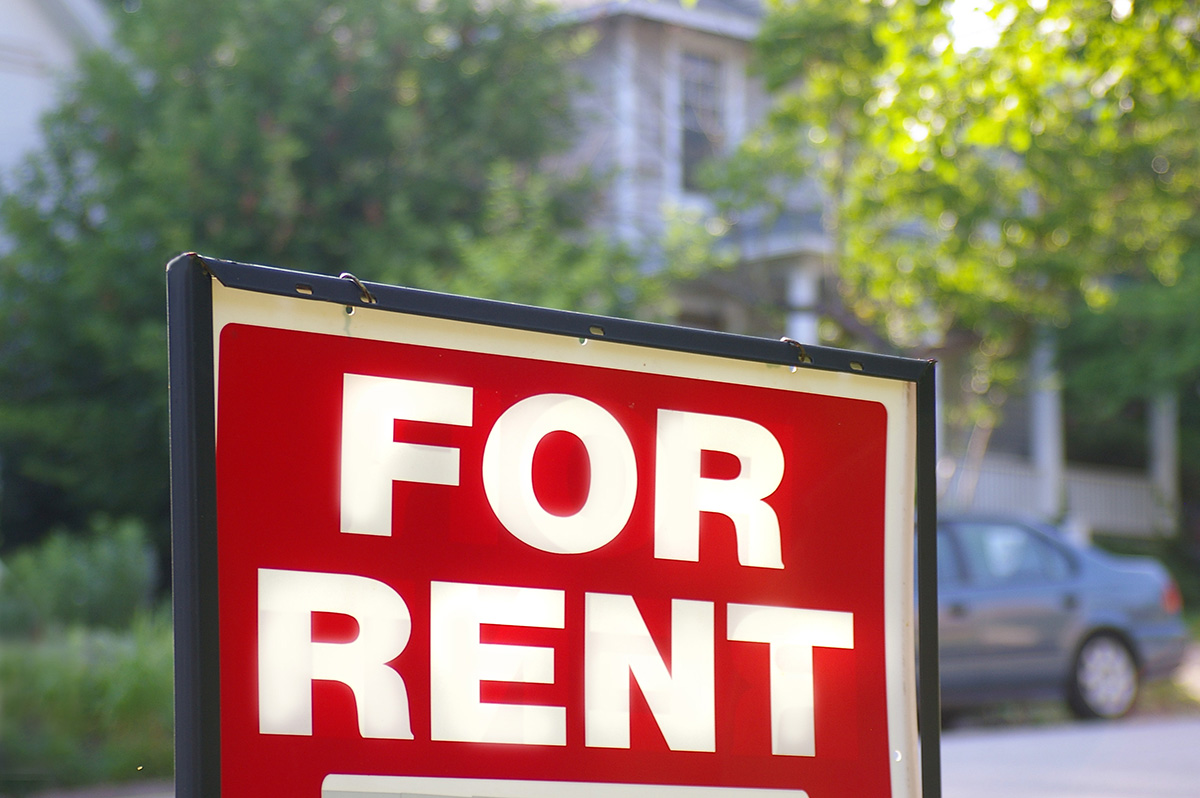
According to rental market statistics from RentCafe, Washington, D.C., remains at the top of the most popular cities for rental properties. With a strong rental market and a growing population, success should be second nature to real estate investors and rental property owners in this area.
As a self-manager of your own rental, if you’re not enjoying the profitability and the earnings that this market can provide, it might be time to look for professional management.
There are certain signs that show property owners have outgrown self-management. We’re exploring those today, and inviting DIY landlords to consider the benefits that come with a partnership with a professional property management company in Washington, D.C.
Washington, D.C., is known for having a complex and ever-changing regulatory environment. There are strict tenant rights, rent control laws, and specific rules related to property maintenance such as mold, lead based paint hazards, among others. The Rental Housing Act of 1985 is strictly enforced, and under this program, there are specific rules regarding rent adjustments, dispute resolution, and eviction protections.
Fair housing laws need complete compliance, security deposits have strict timelines, and habitability standards are in place to ensure tenants are living in a home that’s safe and well-maintained.
Staying on top of these rules can be time-consuming and difficult. Violating even a small regulation unintentionally can result in fines or legal action. It’s critical to stay compliant, and if you find yourself struggling to keep up with the evolving laws and regulations, it’s a clear sign that you may need professional help. Property managers can reduce the risk and liability of making a legal mistake.
Financial Returns are Underwhelming
A lot of self-managing landlords choose to lease, manage, and maintain their own properties because they don’t want to pay a management fee. We get it. Keeping more of your money seems like the best way to increase profitability.
But, here’s the reality of it: property managers can help you earn more and spend less on your investment, increasing your earnings and your ROI. In fact, a good property manager can often earn enough additional net revenue for the owner to pay for that fee over a year.
Property managers are experienced at maximizing the financial performance of rental properties. We can help:
- Optimize rental income
- Reduce vacancy rates
- Lower maintenance costs through established vendor relationships
- Recommend improvements for higher values
Ultimately, a good property manager will ensure that your property is being run efficiently. We will use our expertise to ensure your property is earning what it should.
Maintenance and Repairs Are Taking Up Too Much Time
Maintenance challenges are not unique to self-managing rental property owners. We deal with them, too, as professional property managers. We respond to plumbing issues and appliance malfunctions, we take calls in the middle of the night when a sewer is backing up, and we work hard to protect properties against deterioration and general wear and tear.
This can be overwhelming, especially when it comes to finding vendors and service professionals that are both affordable and provide quality service. Plumbers, electricians, HVAC technicians, and even landscapers and cleaners are in high demand in Washington, D.C. But maintenance at your rental property cannot wait. It’s essential to the value and condition of your investment as well as to the product you are selling.
It’s time to work with a professional property manager if you’re having trouble finding vendors or if you’re struggling to keep up with maintenance requests. We have systems for emergency responses, routine repairs, and preventative services.
Tenant Screening Is Becoming More Difficult and Time-Consuming
Finding good tenants is one of the most critical aspects of rental property management. But in our home of Washington, D.C. we have one of the most regulated rental markets in the country. The tenant screening process has become increasingly complex, highly restricted, and time-intensive.
Many property owners are surprised to learn that there are more limitations than ever on what can be screened, what information can be used in making a decision whom to rent to, and how screening decisions must be documented. Federal and local laws tightly regulate the use of credit histories, criminal background records, income verification, and even eviction records. Staying compliant is not optional. Failure to follow these rules can open the door to discrimination claims, administrative complaints, substantial fines, or even lawsuits.
That’s why rushing or relying on outdated methods can easily result in selecting the wrong resident or worse, unintentionally violating DC’s Human Rights Act or federal Fair Housing laws.
Problematic tenants often become evident only after move-in: lease breaks, chronic late payments, noise complaints, and property damage. When these patterns appear repeatedly, it is often a sign that the screening process is not sufficiently structured.
Why Professional Screening Matters
Professional property managers have systems in place to perform thorough, legally compliant screening while avoiding oversteps that could violate the regulations. Professional property managers use trusted screening platforms and follow written processes that keep owners protected and ensure fairness for applicants.
Columbia Property Management’s screening process includes:
- Credit Report Review
Evaluating credit patterns, payment reliability, and debt load while complying with restrictions on how data can be used. - Rental History Verification
Contacting prior landlords and reviewing national eviction databases—keeping in mind that some jurisdictions like the District of Columbia limit how far back eviction data can be seen, must less considered. - Background ChecksReviewing public records in a manner consistent with DC’s Human Rights Act and federal guidance on criminal history usage. Not all criminal records can be considered in rental decisions, and timing rules often apply.
- Income & Employment Verification
Confirming applicants can afford the rent and other monthly expenses based on their income, without ruling out certain income in a discriminatory way (e.g., vouchers, subsidies, or lawful alternative forms of income). There are many intentional steps conducted by professional property managers under a framework that ensures decisions are based on objective criteria, applied consistently, and fully aligned with the latest federal and DC regulations.
Your Property Is Sitting Vacant for Longer Periods
While current rental market dynamics are starting to show the effects of federal workforce layoffs and the worsening local economy, the vacancy rate in Washington, D.C., is relatively low, compared to the national average. According to a news report from WTOP, the local vacancy rate is just 6%, and there are an average of seven applications for every available rental unit.
A vacant rental property can quickly become a financial drain. Whether you own a condo near Dupont Circle or a single-family home in one of Capitol Hill’s neighborhoods, every day your property sits empty means lost income. While the D.C. market is generally competitive, the reality is that there are always fluctuations in demand based on seasons, neighborhood desirability, and even economic trends.
If you’re struggling to fill your rental quickly, it might be a sign that you need to re-evaluate your approach. An experienced property management company has a marketing strategy in place to keep vacancy periods as short as possible. From professional photos and listings to leveraging established networks, they can help ensure that your property is rented quickly, reducing the amount of time it sits vacant.
While managing a rental property in Washington, D.C., can be rewarding, it’s also challenging. As your property portfolio grows or the demands of your life or the demands of being a landlord increase, it’s helpful to recognize when it’s time to step back and let a professional handle the day-to-day tasks.
From navigating complex local regulations to ensuring your property remains occupied and well-maintained, there are many reasons why rental property owners in Washington, D.C., outgrow self-management. If any of these signs resonate with you, consider partnering with a property management company like ours to ensure that your rental investment continues to thrive without the stress and burnout of self-management.
We’d love to be your Washington, D.C., property management partner and resource. Please contact us at 888-857-6594 or ColumbiaPM.com
Scott Bloom is owner and Senior Property Manager, Columbia Property Management.
Real Estate
Tips for LGBTQ buyers, sellers during holidays
A powerful and overlooked window for real estate transactions

The holiday season is a magical time, filled with celebration, travel, connection, and reflection. It also happens to be a powerful — and often overlooked — window for both buying and selling real estate. For members of the LGBTQ+ community, shopping for a new home or preparing to list a property during the holidays comes with opportunities, challenges, and important considerations that deserve thoughtful attention.
Whether you’re preparing to make a move as a same-sex couple, searching for safe and affirming neighborhoods, or hoping to secure the best possible price for your home sale before the new year, the holidays can offer unique advantages. With an inclusive approach, LGBTQ+ friendly resources, and the right professional guidance, this season can be a strategic and rewarding time to take your next real estate step.
Below are actionable tips, insights, and resources specifically tailored to LGBTQ+ home buyers and sellers navigating the holiday season.
Why the Holidays Can Be the Right Time
Lower Competition & Motivated Sellers
Because so many people put their real estate plans on pause during November and December, LGBTQ+ home buyers may see lower competition, fewer bidding wars, and sellers who are eager to close before January. This can bring real advantages for first-time gay home buyers or same-sex couples seeking more favorable negotiating terms.
Buyers Are More Serious
If you’re selling your home as an LGBTQ+ individual, remember: holiday buyers tend to be more intentional, financially prepared, and timeline-driven. This can make the sale process smoother.
Holiday Appeal Helps Homes Show Better
Warm lighting, seasonal décor, and neighborhood festivities can enhance curb appeal and emotional impact — which can be especially valuable when selling your home.
Tip #1: Choose LGBTQ-Friendly Representation
Above all else: work with a professional who understands the LGBTQ+ community and the unique concerns LGBTQ+ clients have.
This means choosing:
- a gay realtor
- a lesbian realtor
- an LGBTQ+ friendly real estate agent
Agents who are part of, or deeply familiar with, the LGBTQ+ community can make a tremendous difference in safety, comfort, and confidence throughout the transaction.
For more than 30 years, GayRealEstate.com has been the trusted leader in LGBTQ+ real estate, providing LGBTQ+ home buyers and sellers access to:
- verified LGBTQ+ real estate agents
- same-sex couple home buying experts
- LGBTQ+ friendly realtors near you
- agents experienced in discrimination-related protections
- LGBTQ+ relocation specialists
Whether you’re buying or selling, this starts you on the right path.
Tip #2: Focus on LGBTQ-Friendly Neighborhoods
If you’re buying a home during the holidays, make researching neighborhoods a top priority.
Look for areas known for:
- Inclusion & diversity
- Active local LGBTQ+ groups
- Gay-friendly businesses
- Visible LGBTQ+ community presence
- Supportive schools & services
- Pride events & alliances
Searching online helps — but talking with an LGBTQ+ friendly realtor who knows these neighborhoods firsthand is invaluable.
Also search:
- LGBTQ+ crime statistics
- local anti-discrimination policies
- protections against housing discrimination
- hate crime data
- political climate
- HOA regulations
Your home should feel safe year-round, not just festive in December.
Tip #3: Know Your Legal Protections
Housing discrimination still exists — and LGBTQ+ home buyers and sellers must remain vigilant.
While federal protections exist through the Fair Housing Act (as interpreted to include sexual orientation and gender identity), not all states provide equal protection.
Know your rights around:
- Mortgage discrimination
- Rental screening discrimination
- Sellers refusing offers from LGBTQ+ buyers
- HOA discrimination
- Harassment after move-in
Your agent should be able to assist — but GayRealEstate.com also offers educational guidance and resources for navigating LGBTQ+ legal protections in real estate
Tip #4: Navigate the Emotional Side
For LGBTQ+ buyers and sellers, the holidays can stir up complex feelings:
- family dynamics
- financial pressure
- expectations around marriage or partnership
- relocation stress
- memories tied to a home
Be patient with yourself.
Buying or selling a home is life-changing — honor the emotional journey as much as the financial one.
Tip #5: Take Advantage of Holiday Cost Savings
Buying?
- Lower interest rates may appear around December
- Contractors often discount home inspections & repairs this time of year
- Movers run holiday promotions
Selling?
- Minor seasonal upgrades help tremendously:
- warm lighting
- new evergreen planters
- festive front door accents
- Be careful not to over-decorate — buyers need to see the space clearly
And yes — holiday cookies help.
Tip #6: If You’re Relocating — Plan Ahead
Many LGBTQ+ buyers relocate during the holidays to:
- be closer to family
- move in with a partner
- begin a new job in the new year
If you’re relocating as an LGBTQ+ couple or family:
- research local LGBTQ+ resources
- connect with local LGBTQ+ organizations
- ask your gay real estate agent about local LGBTQ+ clubs, groups, and services
- evaluate long-term safety for LGBTQ+ families
Plan early — December moves get booked fast.
Tip #7: Use Trusted LGBTQ Real Estate Resources
The most important resource of all:
GayRealEstate.com — the #1 dedicated LGBTQ+ real estate resource for over 30 years.
On GayRealEstate.com, you can find:
- LGBTQ+ friendly real estate agents nationwide
- Verified gay and lesbian Realtors
- LGBTQ+ real estate market information
- Same-sex couple home buying guidance
- LGBTQ+ real estate services
- Gay and lesbian friendly neighborhoods
- Relocation tools
- LGBTQ+ home buyer & seller education
No other site offers this level of specialization, expertise, or community connection.
The holidays are more than just a season of celebration — they’re also a meaningful opportunity for LGBTQ+ home ownership, real estate transitions, and new beginnings. Whether you’re a first-time gay home buyer, a same-sex couple selling a home, or an LGBTQ+ family preparing to relocate, you deserve an experience grounded in respect, inclusion, and safety.
With the right preparation — and the right LGBTQ+ friendly real estate agent — your journey can be rewarding, affirming, and filled with new possibilities for the year ahead.
To find an LGBTQ+ real estate agent who understands your needs, visit GayRealEstate.com, the trusted leader in LGBTQ+ real estate services, resources, and representation for over three decades.
Scott Helms is president and owner of Gayrealestate.com.

Rob Reiner, wife killed in LA home

In real estate, trust the process

Far-right José Antonio Kast elected Chile’s next president

PHOTOS: The Holiday Show

The best books to give this holiday season

EXCLUSIVE: George Santos speaks out on prison, Trump pardon, and more

The beginning of the fall of Trump

Iran, Egypt object to playing in Seattle World Cup ‘Pride Match’

PHOTOS: Team DC holiday party