Local
Firefighters oppose ‘FEMS’ logo on shirts and jackets
D.C. fire chief postpones order for design change
Almost no one has talked about it in public, including the news media and the union representing D.C. firefighters.
But in response to inquiries from the Washington Blade, D.C. Fire Chief Kenneth Ellerbe acknowledged that his decision to postpone an order that firefighters place the initials “FEMS” on the shirts and jackets they wear while on duty was based, in part, on that acronym’s perception as a possible derogatory reference to gay men.
FEMS stands for the D.C. Fire and Emergency Medical Services Department, the name the city adopted more than a decade ago to replace the name D.C. Fire Department. Officials said the name change was aimed at better reflecting the important role members of the EMS, or Emergency Medical Services unit, play within a department better known for putting out fires.
Openly gay D.C. firefighter Tim Bennett said gay and straight firefighters know that the term “fem” has long been used as a derogatory reference to effeminate men or gays. He said he and some of his fellow firefighters expect the FEMS logo prominently displayed on the back of their jackets and shirts will subject them to ridicule.
“I was speaking to another member,” Bennett told the Blade. “I’m not sure if he knows I’m gay or not, but he was just relating a story. He didn’t mean any offense by it, but he was saying how his grandmother heard about this and her quote was, ‘FEMS? What’s that sound like, a bunch of faggots?’”
“And I think that’s the kind of terms and judgments it will elicit,” said Bennett. “In the perfect world, that wouldn’t be the case, but unfortunately we’re not in a perfect world yet.”
Although the name change has long since been in effect, department officials allowed firefighters and other department personnel to continue to use the longstanding logo “DCFD” on their shirts and jackets.
That policy changed earlier this year when Ellerbe issued an order requiring firefighters to replace all garments bearing the DCFD logo with the department’s officially designated logo or insignia “FEMS.”
Ellerbe told the Blade on Tuesday that he placed his order on hold for 120 days in response to concern over the FEMS logo. He said most of the concern was about the desire to retain the tradition-bound “DCFD” logo. The department and the firefighters’ union are in discussions over a possible compromise logo that will continue to reflect the important role that the EMS plays in the department.
“We are preparing a proposal to address the issues of sensitivity in our community,” he said, in referring to concerns similar to those expressed by Bennett.
“I’m from Washington, D.C. and I have members of my family who walk in all types of communities in this city and the metropolitan area, which heightened my awareness and my opinion and my sensitivity to how people are treated,” Ellerbe said.
“I’m proud to be a D.C. fireman,” said Bennett, who noted that he has been out as gay during most of his 18 years at the department. He said his fellow firefighters have treated him with respect and he has never encountered discriminatory treatment or negative comments, even when he brings his partner to social events among firefighters.
“But I can say the whole FEMS thing is a pretty poor choice of an acronym,” he said. “I just think it invites distasteful comments, even if unintentional.”
Bennett said that while he and many of his firefighter colleagues, both gay and straight, are troubled over the FEMS logo, they join the firefighters’ union president, Ed Smith, in citing two other reasons why the FEMS logo is a mistake.
The most frequently cited reason, Smith has points out, is that the logo DCFD has a long and esteemed tradition in the city and has become a well-known “brand” for the department. The other reason cited by Smith and others in favor of retaining the DCFD logo is that FEMS is often confused with the Federal Emergency Management Agency (FEMA), which coordinates the federal government’s disaster relief programs.
“The union’s concern is what’s recognized, and we believe that FEMS would lead to confusion about who we really are,” Smith said.
D.C. Council member Jack Evans (D-Ward 2) agrees with the union’s position and introduced a bill last month called the Fire and Emergency Medical Services Logo Clarification Act of 2011.
“Notwithstanding any other provision of law, the official logo of the Fire and Emergency Medical Services Department shall remain DCFD,” the bill states.
As of this week, Evans’ bill had no co-sponsors. Council member Phil Mendelson (D-At-Large), who chairs the committee with jurisdiction over the bill, has said he opposes the measure and had no plans for holding a hearing on the bill.
Smith said his union, Local 36 of the International Association of Firefighters, has been aware of the possible gay-related connotation of the FEMS logo and the concerns firefighters have about it. He said he has been reluctant to discuss that concern in public because it could be offensive to the LGBT community.
“I’ve encouraged those members with concerns about this to discuss it with representatives of their community,” Smith said.
LGBT activists had mixed views on the issue when contacted about it this week.
“FEMS has nothing to do with gay people,” said gay activist Bob Summersgill, who added that he doesn’t consider the term “fem” a negative reference to gay people “unless you consider women to be inferior. I do not.”
Gay activist Peter Rosenstein said there were “many reasons to debate the use of the acronym FEMS for the Fire Department but I don’t think anyone would see it as applicable to a member of the department,” gay or straight.
“The last thing anyone thinks of when they think of a firefighter is a person that is effeminate,” Rosenstein said.
Lesbian activist Barbara Helmick said the firefighters should be allowed to pick the acronym they like best.
“While there may be in our community some history of how the word fem is used, it’s really irrelevant,” she said. “I think this is an issue of what’s best for the firefighters and the public, and I have to side with the union on this one.”



Baltimore
Popular Mount Vernon gay bar Leon’s to temporarily close after owner’s death
Ron Singer passed away on July 7
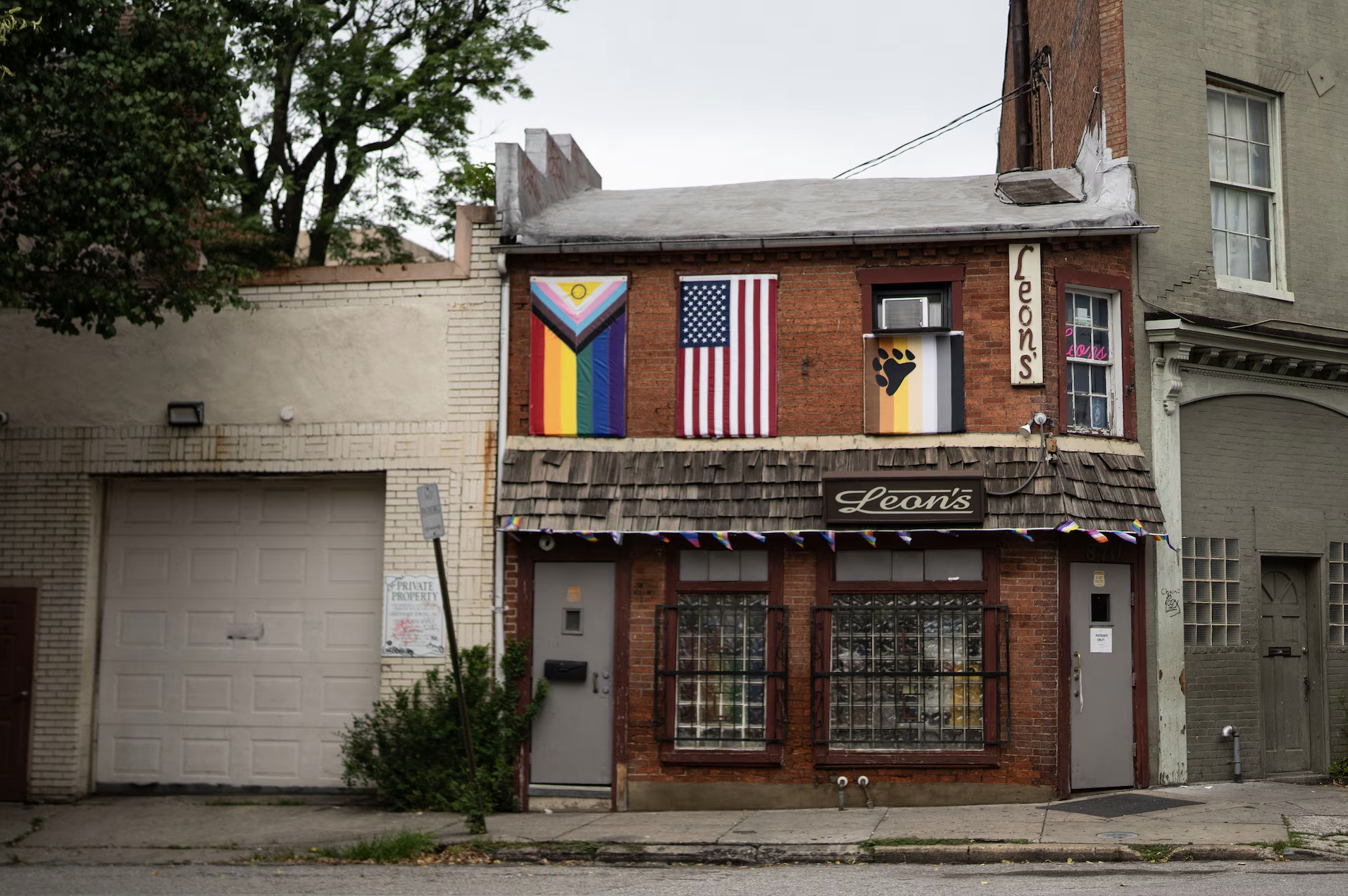
By WESLEY CASE | Leon’s Backroom, Baltimore’s oldest gay bar, temporarily shut down after service on Wednesday night, according to a post on the business’s Instagram page.
The announcement comes a little more than a week after the death of the Mount Vernon bar’s owner, Ron Singer, who died at 66 on July 7.
The rest of this article can be found on the Baltimore Banner’s website.

The Comings & Goings column is about sharing the professional successes of our community. We want to recognize those landing new jobs, new clients for their business, joining boards of organizations and other achievements. Please share your successes with us at [email protected].
Congratulations to Stuart Ortel and Scott Marker, and Dave Lyons and Rick Hardy, on the recent opening of their garden center on Route 1 in Rehoboth Beach, in the former Farmer Girl site. It is called Bay Laurel Home and Garden and debuted earlier this year. The four owners are all well known to the denizens of Rehoboth Beach.
Stuart and Scott have been active members of the Rehoboth Beach community since 1999. Stuart is a landscape architect, and has established relationships with many local folks in the building and landscape industry. When this opportunity for Bay Laurel Home & Garden presented itself, and they had the perfect team of people in place, he and Scott were committed to making it a reality. So, when Scott and Stuart introduced this opportunity to create a new garden center to Dave and Rick, they embraced the chance to cultivate a business where beautiful plants, inspiring home and garden products, and outstanding customer service come together. Dave and Rick knew about owning a business in Rehoboth as they previously owned Coho’s Market, where they discovered firsthand the value of serving their community, and the rewards of running a locally owned business.
The garden center launched with a refreshed brand identity, updated merchandising, and expanded product lines, all designed to create an inspiring and welcoming environment for your home. Bay Laurel Home & Garden offers a beautifully appointed garden center and curated home and gift shop.
The new center features a full nursery with annuals, perennials, shrubs, trees, and seasonal selections; a garden center offering pottery, fountains, and garden ornamentation, and essential tools and garden supplies. It has a garden shop featuring unique indoor/outdoor furnishings and accessories, and a gift shop featuring botanical and coastal style items for home and entertaining.
Rehoboth Beach
Celebrate Pride in Rehoboth Beach this weekend
‘A vital space for community, healing, and connection’
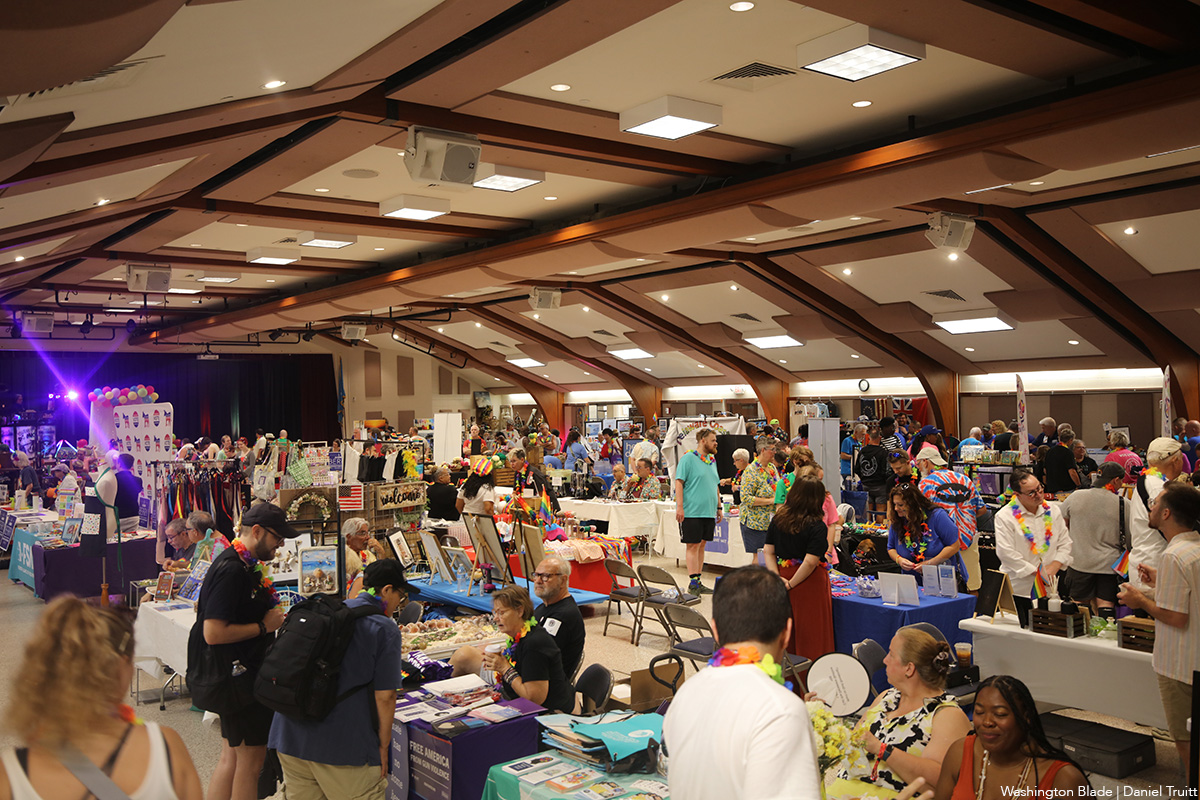
Pride in Rehoboth Beach is kicking off this week on Friday, July 17, with events happening throughout the weekend.
“Rehoboth Beach Pride is more than a festival — it is a vital space for community, healing, and connection,” said David Mariner, director of Sussex Pride, which organizes many of the events.
The weekend will begin with the Grand Opening & Community Preview from 1-4 p.m. on Friday, July 17, celebrating the opening of Novus Medical Services and the new Sussex Pride Community Center.
This will be followed by an Interfaith Pride Service at 6 p.m. at the Metropolitan Community Church Rehoboth to gather for healing and the affirmation of queer spirituality with Rev. Carla Christopher, chair of Sussex Pride Faith.
Members of the community are then invited to head over to join the Rehoboth Beach Bears at the Pines to have dinner, mingle, and give back to local initiatives.
End the first night of Pride in Rehoboth at Diego’s Bar & Nightclub with music by DJ Joey P from 9 p.m.-1 a.m.
Rehoboth Beach Pride Festival will take place on Saturday, July 18, 2026, from 9 a.m.- 3 p.m. inside the Rehoboth Beach Convention Center. A full list of events is available at rehobothbeachpride.org.
Roxy Overbrooke will host on the main stage as live performances take place throughout the day, featuring music from DJ MK and Tribe 9 Entertainment.
The festival will include educational workshops, community meetups, and a raffle dedicated to raising funds for unhoused LGBTQ+ youth across Delaware.
Feature workshops include panels discussing topics such as unhoused LGBTQ+ youth in Delaware, the needs of trans and non-binary youth, as well as the increase in HIV and syphilis diagnoses amid federal budget cuts, in a panel moderated by Blade Editor Kevin Naff.
Saturday night will also feature an evening comedy and entertainment show at the Convention Center presented by the Gay Women of Rehoboth. Performers will include comedians Suzanne Westenhoefer and Karen Mills as well as musician Kristen Merlin. Tickets are available at gaywomenofrehoboth.org.
The Rehoboth Beach Pride Ride will take place at 10 a.m. on Sunday, July 19, hosted by the Dykes on Bikes Rehoboth Beach Women’s Motorcycle Club, starting at Lefty’s.
Goolee’s Drag Brunch will also take place on Sunday from 12-2 p.m at Goolee’s Grille. This is a family-friendly event hosted by Regina Cox and Ruby, featuring Aurora Sterling, Michelle Leigh Sterling, Scarlet St. Cartier, and Joanna Blue. Tickets can be purchased online.
Pride in Rehoboth will conclude at 2 p.m. with the official Rehoboth Beach Pride Closing Party at Aqua Bar & Grill, celebrating the venue’s landmark 20th anniversary with DJ Biff until 7 p.m.
Due to an influx of visitors for the summer season, those coming from out-of-town are encouraged to use the Park & Ride.

Authorities investigate officer-involved shooting outside Asheville gay bar

Popular Mount Vernon gay bar Leon’s to temporarily close after owner’s death

30 years on, ‘The Birdcage’ remains a landmark

Comings & Goings

Whitman-Walker to host legal services workshop

Democrats are trying to disqualify trans candidates. Here’s how

Political drama in Angie Craig’s Minn. Senate race heats up

Aparna Raj expected to become second LGBTQ member of D.C. Council

Suzanne Goode wants efficient spending, better infrastructure for Rehoboth

Mexico’s first openly gay mayor killed
-

 National5 days ago
Democrats are trying to disqualify trans candidates. Here’s how
-
Congress5 days ago
Political drama in Angie Craig’s Minn. Senate race heats up
-
District of Columbia5 days ago
Aparna Raj expected to become second LGBTQ member of D.C. Council
-
Rehoboth Beach5 days ago
Suzanne Goode wants efficient spending, better infrastructure for Rehoboth