Arts & Entertainment
‘That kid from YouTube’
Young Iowan releases a book about growing up with his ‘Two Moms’


Zach Wahls (Photo courtesy Lambda Legal)
You know him as “That kid from YouTube,” but the now 20-year-old loving son of two moms, Zach Wahls hopes he will soon be “That kid from the New York Times Best Seller” list.
“We’re all keeping our fingers crossed — it would be great to be a New York Times best selling author before I can legally have a drink to celebrate that fact,” says former Eagle Scout Wahls about his two-week-old memoir “My Two Moms,” which has been in or near the Amazon top 100 best sellers all week.
A major boost for Wahl’s book came last week with his April 30 appearance on “The Daily Show with Jon Stewart,” on Comedy Central, which caused his book about being raised with Iowa values by a committed lesbian couple to jump up the Amazon’s 22nd spot.
Before he was on the “Daily Show” or Ellen DeGeneres, Wahls was a viral video sensation. Not because he did a weird impression or blew something up, but because he gave an incredible, moving testimony before the Iowa House Judiciary Committee, which was considering sending to Iowans a Constitutional amendment that would undo a state Supreme Court decision to extend marriage rights to same-sex couples.
In his testimony, Wahls discussed his excellent grades and outstanding athletic achievements, opening his own business, studying engineering at the University of Iowa and his time in the Scouts where his mother Terry, whom he calls “short mom,” was a den mother, while “tall mom” Jackie helped out with the Cub Scouts.
“If I was your son, Mr. Chairman, I believe I would make you very proud,” Wahls says in one memorable moment of the video.
But this all-American boy — who says he can’t drink, but does enjoy a cigar every once in a while, and would like to celebrate the success of his book with one if he makes the Times list — is now turning his 15 minutes of fame into a career of advocacy.
His book chronicles the struggles his family faced over the years — such as mother Terry’s struggle with M.S. — and the values that kept them together.
On the phone from Asheville, N.C., on Monday, the day before the vote on Amendment One, he has a lot to say.
WASHINGTON BLADE: The book is organized in an unusual way. Why?
ZACH WAHLS: The book has 14 chapters and two appendices. The first chapter is “Be Prepared,” which is the Boy Scouts’ motto, and the last chapter is “Do a Good Turn Daily,” which is the Scouts’ slogan. And the middle 12 chapters are named and oriented after and on a tenant of the scout law. And the scout law is a scout is trustworthy, loyal, helpful, friendly, courteous, kind, obedient, cheerful, thrifty, brave, clean and reverent.
Each chapter is an examination of that value, and how I learned it from my moms first, and how I learned it from the Boy Scouts, what it means to me, and what it means to the LGBT community in general.
BLADE: What was the “Daily Show” experience like?
WAHLS: It was the seven coolest minutes of my life.
And Jon, actually — unlike the host of literally every single other show — actually came to the green room backstage before the show and we had a nice little conversation. It was very clear that he had read the book, it was clear that he enjoyed the book and we just had a great little conversation.
I was standing in the green room, and what he does is that he starts talking very loudly as he’s walking toward you down the hall, so you can hear him coming, and he knows that you can hear him coming.
He’s just such a classy guy. Just 100 percent pure class.
I went to the rally to restore sanity last year, and it was the first time I’d ever ridden a Greyhound, actually. Like 24 hours on a Greyhound from Iowa to D.C. to the rally, and I’ve been watching the show since I was like 10. It was an amazing moment.
My moms and my sister were there, they had a great time too. It was great for sure.
BLADE: You seemed very confident and calm. Were you nervous?
WAHLS: Well he came backstage before, and that helped a lot. I was like almost about to have a nervous breakdown when he actually walked into the room. So that would have been what I was experiencing when I walked on stage had he not done that. So that was useful.
It was definitely a high stakes seven minutes. We managed to have a conversation and have a great time, and it was a blast.
But they told me before I went on, don’t make any jokes, and I kept trying not to.
BLADE: But you did! You did make a joke, and it landed well, the audience laughed!
WAHLS: I was having so much fun, I couldn’t help myself.
BLADE: What is the key to changing minds on the issue of rights for LGBT people?
WAHLS: The single most important task is continuing to systematically dismantle this myth of choice.
I think that’s why the YouTube video was so successful. I mean I never come out in the video and say I’m straight — and I’m hesitant to come to conclusions, because that’s something we shouldn’t do — but I think it is fairly clear in the video that I am a flaming straight man. So I think that the single most important development in any person’s movement on the continuum of opposition to LGBT rights to support for LGBT rights is the understanding that sexual orientation is not a choice. It is a pervasive misconception, and in many cases a pervasive lie that unfortunately many Americans do believe to be true.
But when you see people move beyond that misconception, it becomes very difficult for them to believe subsequently that homosexuality is immoral. Because if it’s not a choice, how could it be immoral? It’s much like historically saying someone is immoral or less than simply because of the color of their skin or the organs between their legs.
It used to be the belief that women were subservient to men and that blacks where inferior to whites, and that’s why — when it came to women’s suffrage or civil rights in the sixties — you had to address the underlying discrimination and the underlying beliefs before you could have the political solution that guaranteed equal rights, and that’s what we’re seeing here as well.
BLADE: One problem the LGBT movement often has with allies is commitment. Polling shows most Americans are with the LGBT activists on the big issues like employment, housing, benefits and even equal marriage is polling over 50 percent nationwide, but that doesn’t mean that supporters bother to leave the house to go vote for our rights in a special election like North Carolina’s. How do we inspire more allies to action?
WAHLS: To be clear, I don’t consider myself an ally. I might be straight cisgender man, but in my mind, I am a member of the LGBT community.
I know the last thing that anyone wants is to add another letter to the acronym, but we need to make sure as a movement we’re making a place for what we call “queer-spawn” to function and to be part of the community.
Because even though I’m not gay, I do know what its like to be hated for who I am. And I do know what its like to be in the closet, and like every other member of the LGBT community, I did not have a choice in this. I was born into this movement. I want to be explicitly clear first of all.
These fights affect me, they affect my family.
Now my best friend Nick, a straight guy, he’s an ally.
In terms of how we can have an upgraded commitment from straight allies, the fact is that if you look at the straight community, generally, there is a lot of excitement. And its not just support but excitement on this issue, because I think — in liberal politics generally — this is one of the few issues across the country in which we are not just standing our ground, but actually advancing as a progressive community.
Gay people can’t win this alone though. There aren’t enough people in the LGBT community itself to win this on their own. So in terms of what strategies are most effective? I think that making sure that you are illustrating these personal connections and engaging in this relationship building. Obviously, I come from a somewhat biased point of view, but if you have a close family member or a close friend who is openly LGBT, not only are you more likely to support the issue, but you’re more likely to act as well.
BLADE: There are lots of heartfelt YouTube videos out there with people explaining why LGBT rights matter. Why did yours blow up so big?
WAHLS: I know, its kind of crazy! Well, I think there are two factors. First is that it disrupted some expectations. When you think of whatever that stereotype of two women raising a kid is, a clean cut engineering student, Eagle Scout, entrepreneur — from Iowa to boot — probably isn’t that stereotype. And I think people enjoy seeing those stereotypes getting broken down.
I think more importantly and fundamentally, in that video, I hope you really do see me display my love for and commitment to my family. And I think it reminded a lot of people of their own love and their own commitment that they feel for their families. And I think that was really what struck home. The confidence, the passion, and at the end of the day, the love that was driving through.
BLADE: After three years of equal marriage, what are attitudes like across Iowa today on the issue of same-sex marriage?
WAHLS: Actually, The Onion had a great article, when marriage became legal, and the headline was “Hell opens up and swallows Davenport Iowa.” Obviously it was satire. The sky didn’t fall. Divorce rates are falling, straight people are still marrying straight people. They aren’t catching the gay. 92 percent of Iowans feel that they have not been affected by the Supreme Court ruling in any major way and 56 percent of Iowans oppose a Constitutional amendment to reverse the Supreme Court decision [that extended marriage rights to same-sex couples in Iowa].
It’s important to note that there is still a small disconnect between those who support same-sex marriage and those who would oppose its repeal. I think that this speaks to the Iowan ethos, which is the notion of “live and let live.” Even though they may not necessarily support same-sex marriage, they aren’t willing to take it away from couples like my parents.
BLADE: Until your video went viral on YouTube, yours was pretty much a quiet, average all-American family. How have your mothers handled all of the extra attention?
WAHLS: My moms have handled it really about as well as you can expect mothers to handle this kind of thing. It was definitely hard at some points for them. They see, obviously a lot of potential when you’re in the limelight to come under very sharp criticism and that happened.
There was a conservative radio host in Iowa who spent 20 minutes of his show going through my speech line by line by line accusing me of all kinds of rhetorical black magic. He seems to think I’m some kind of mastermind or something, which is quite flattering. But my moms hear that, and their protective instincts kick in, definitely.
They’ve been overwhelmingly proud, no doubt about it, but their primary concern is my safety. But they know I’m a grown man, I can handle myself — more often than not — so they’re mostly proud.
Although I do spend a lot less time at home, so I don’t see them or my sister nearly as frequently as I used to. And we’re all a little disappointed about that. My sister and I were both looking forward to the Avengers movie together for a long time, and she caved and saw it with “short mom,” which I was a little upset about. But I understand. I guess. [laughs]
Unlike her, I’m willing to wait til I get home to see it.




Photos
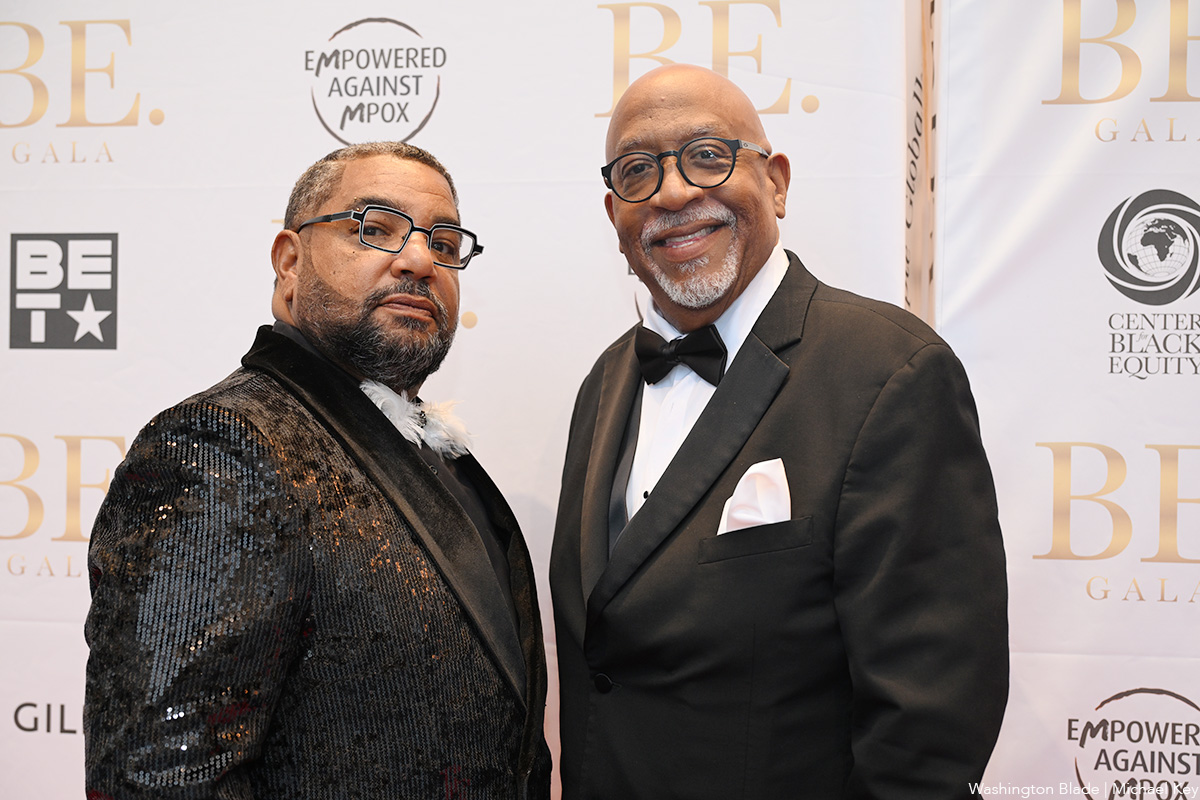
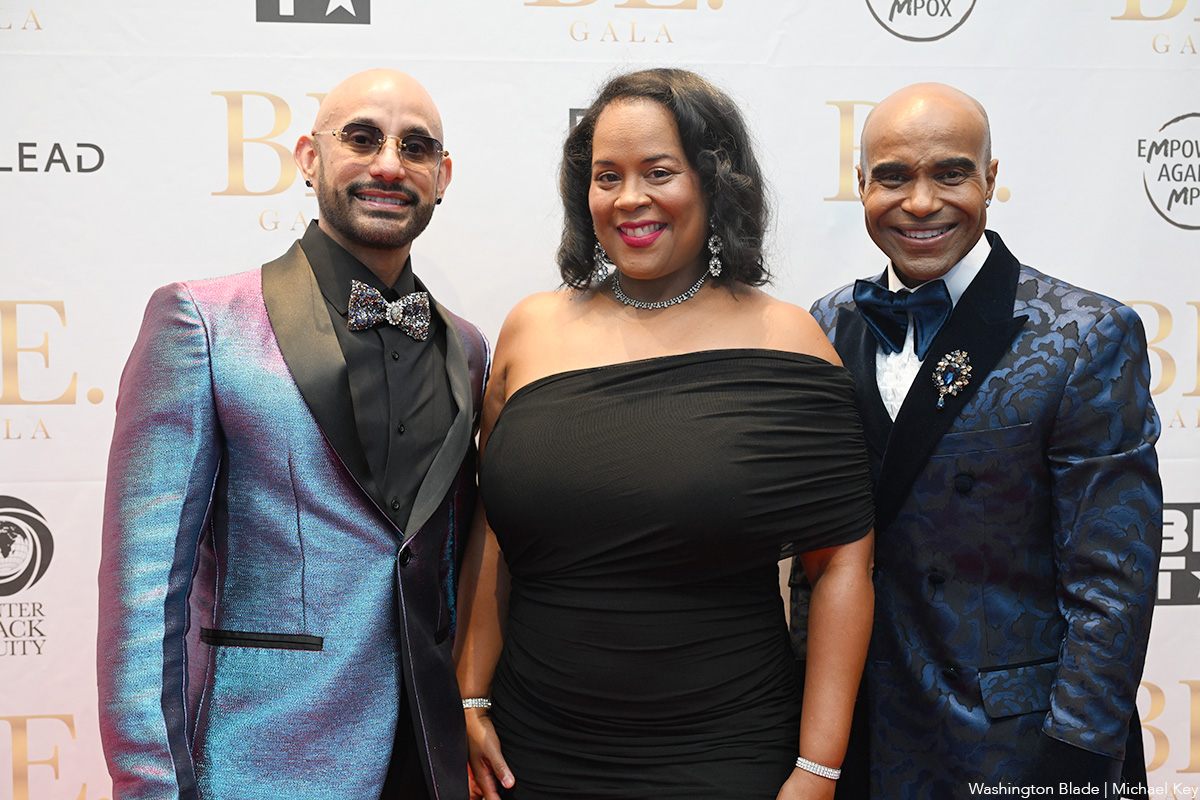
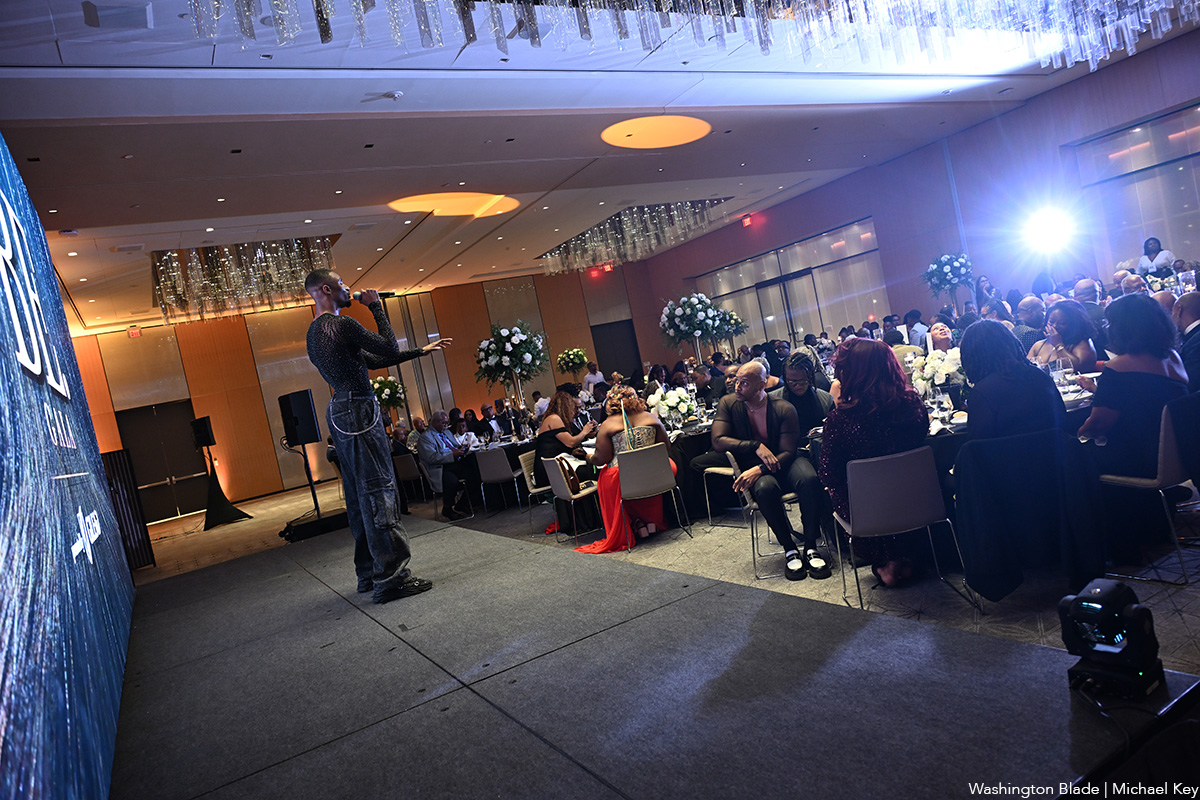
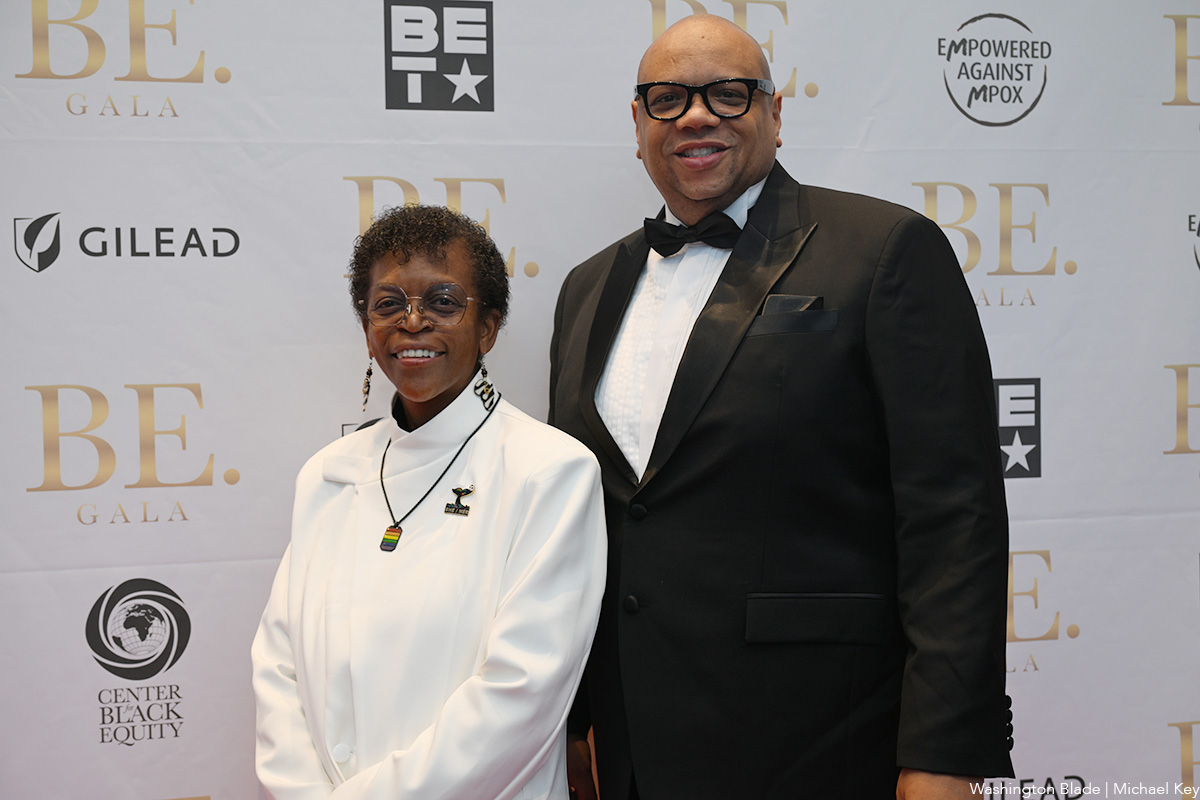
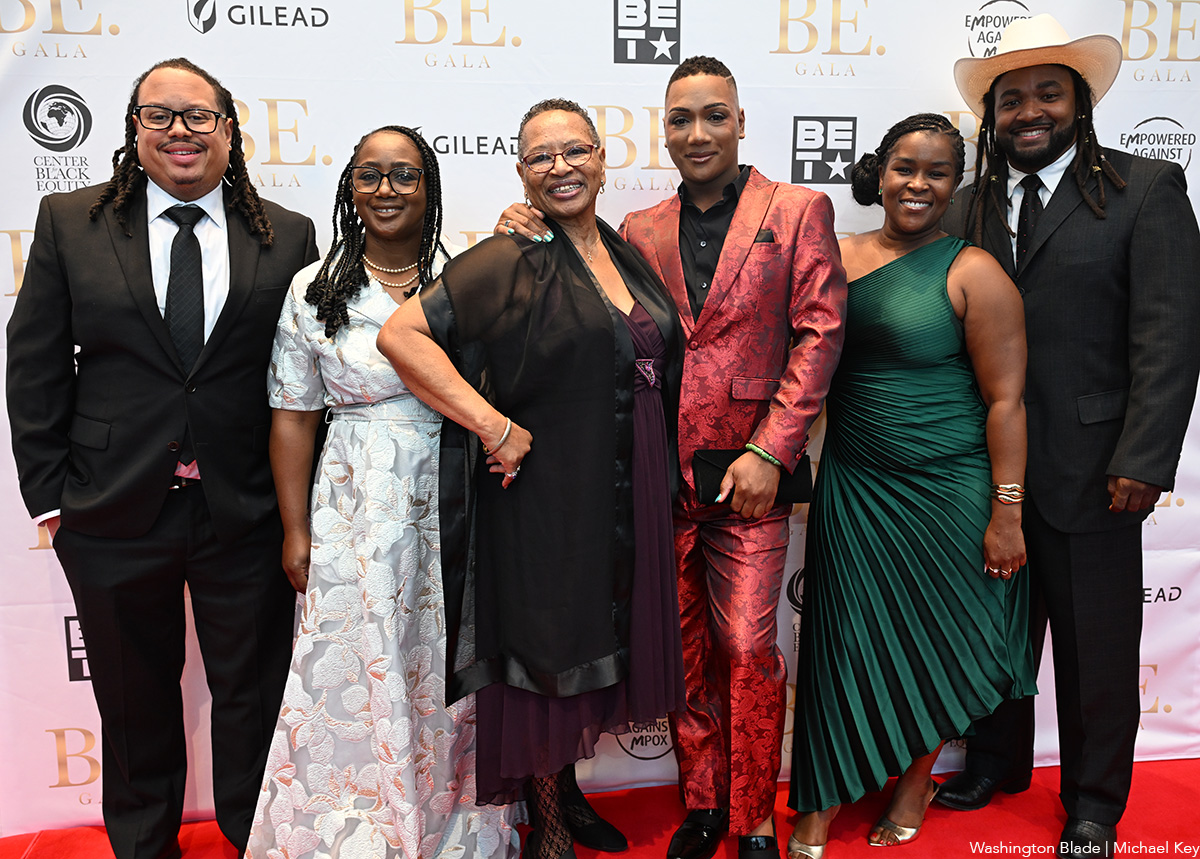
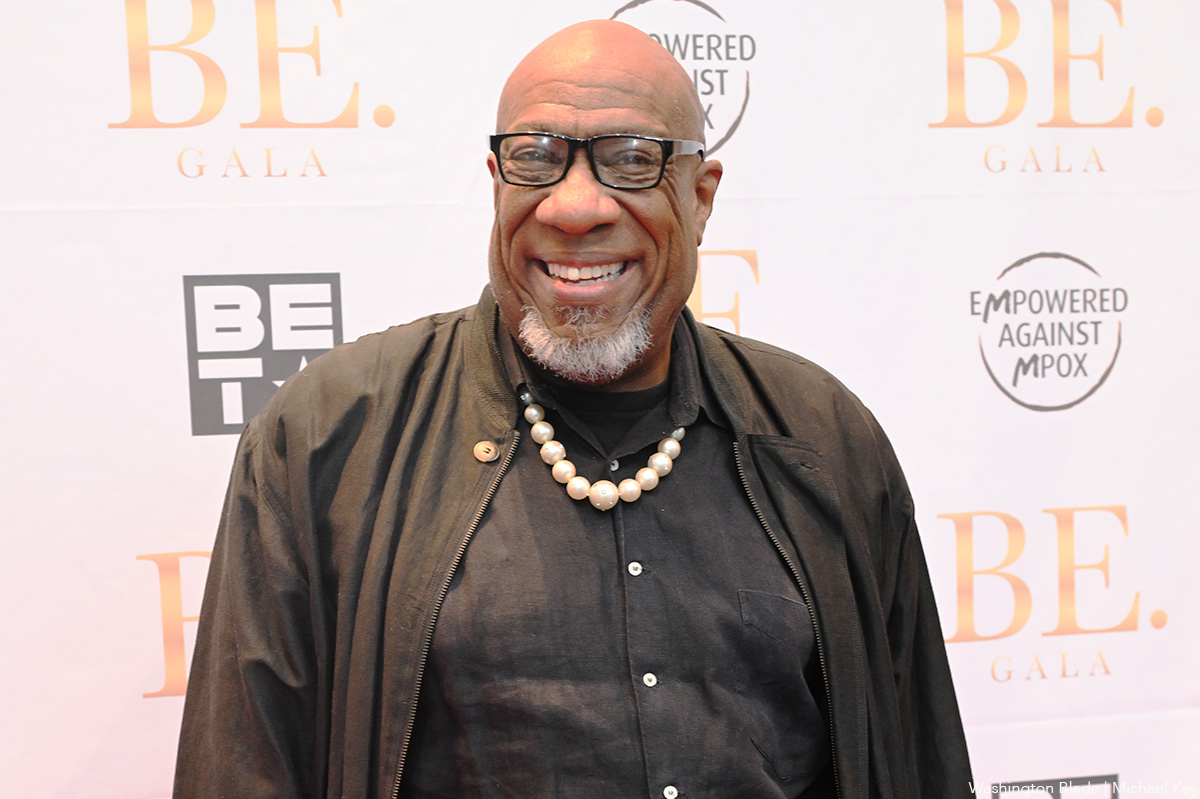
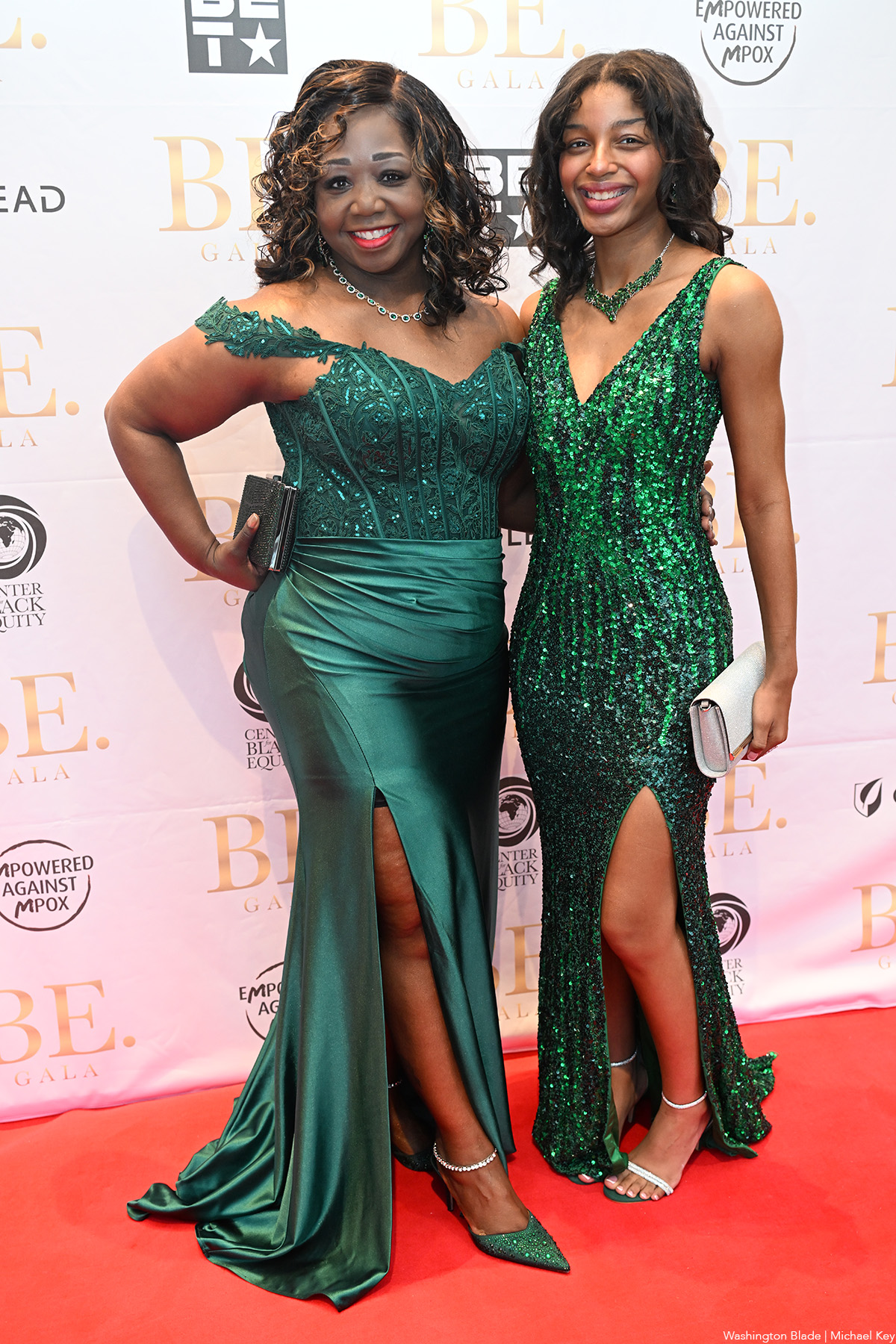
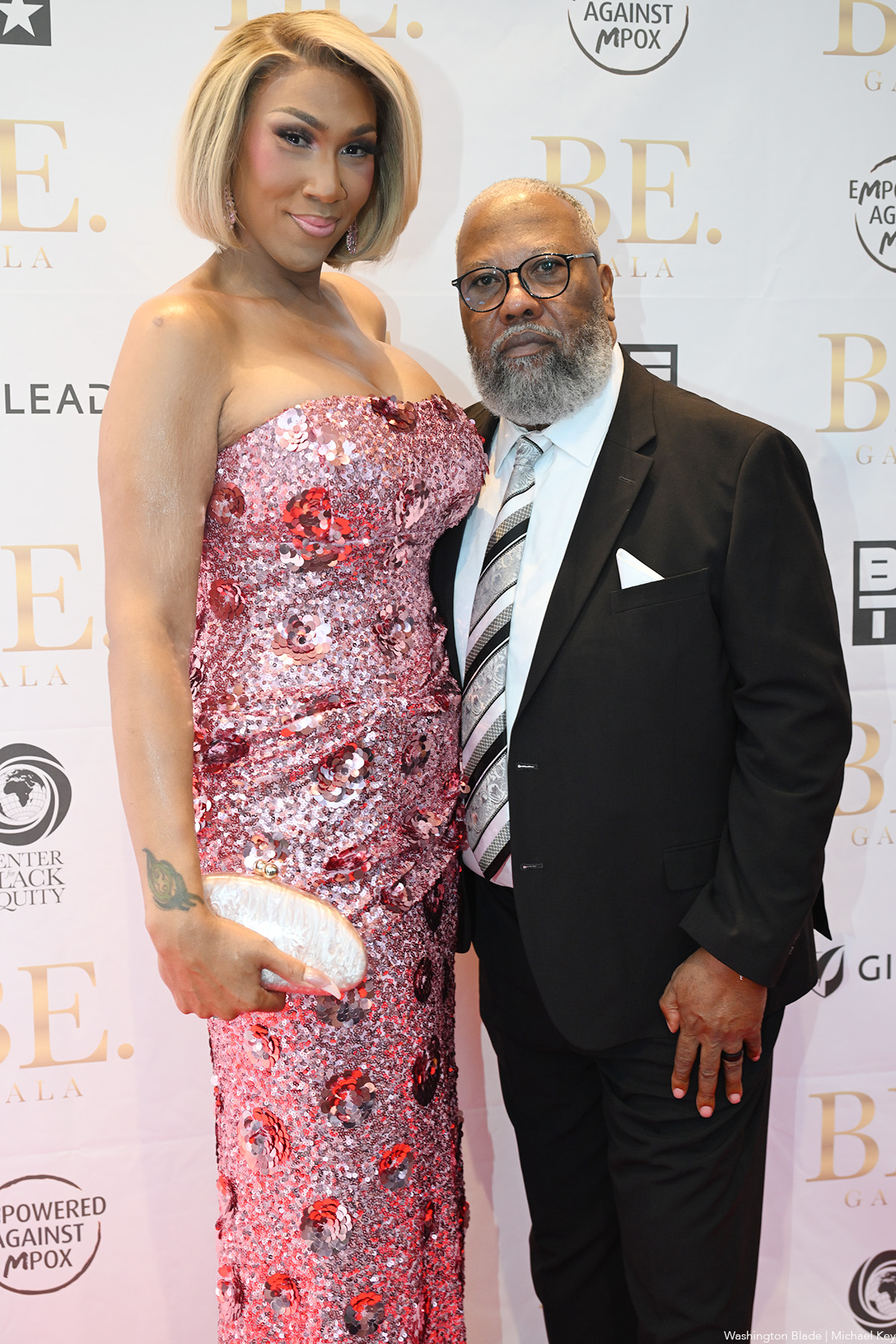
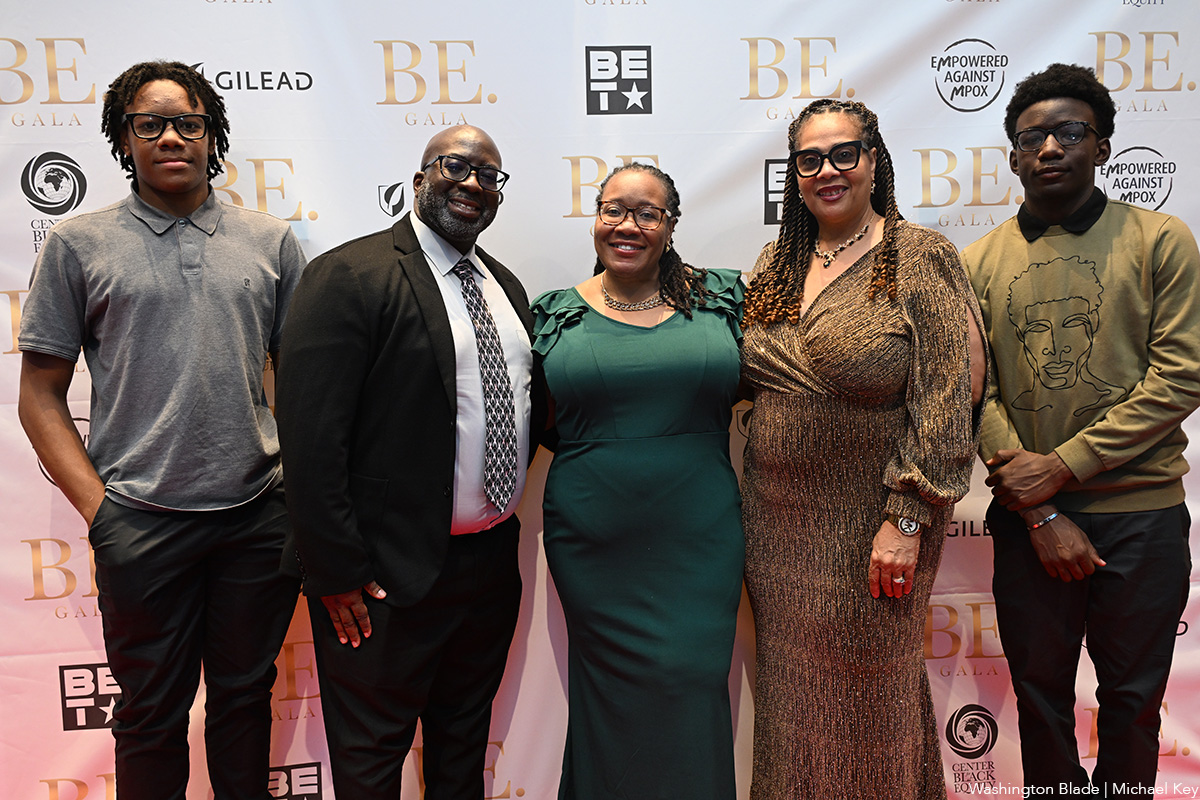
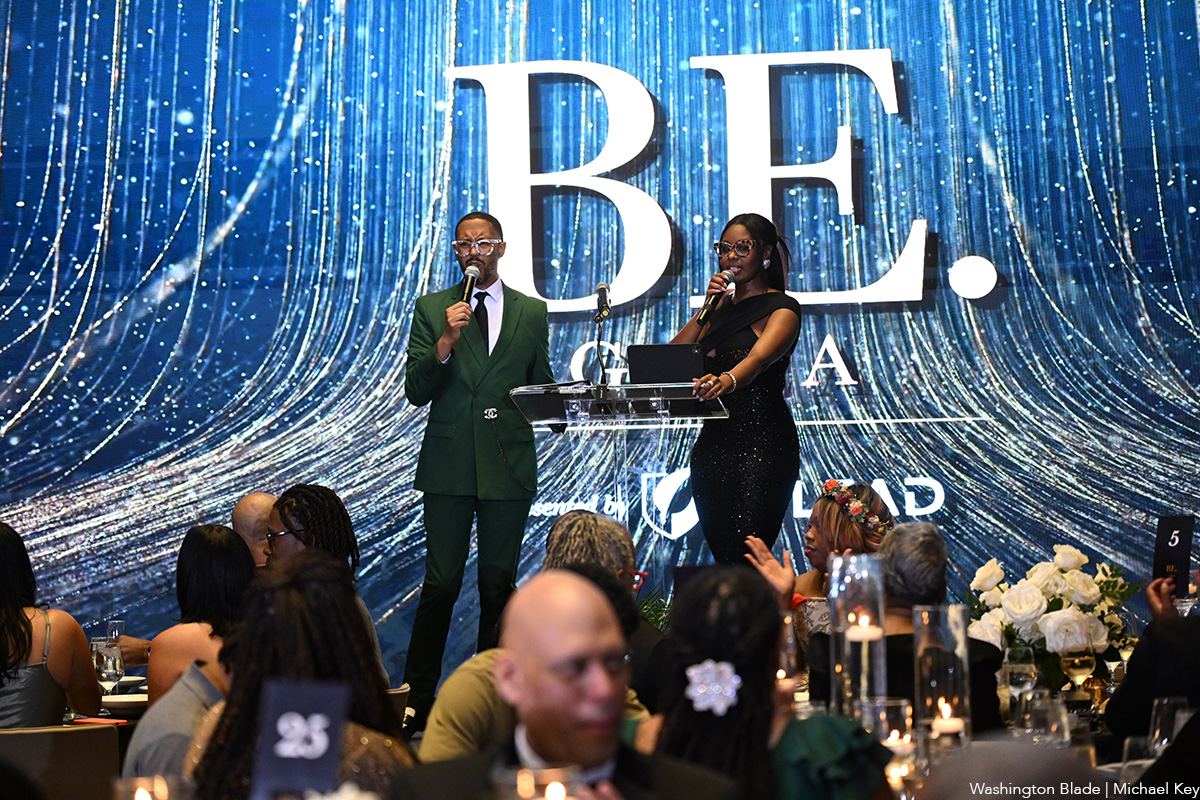
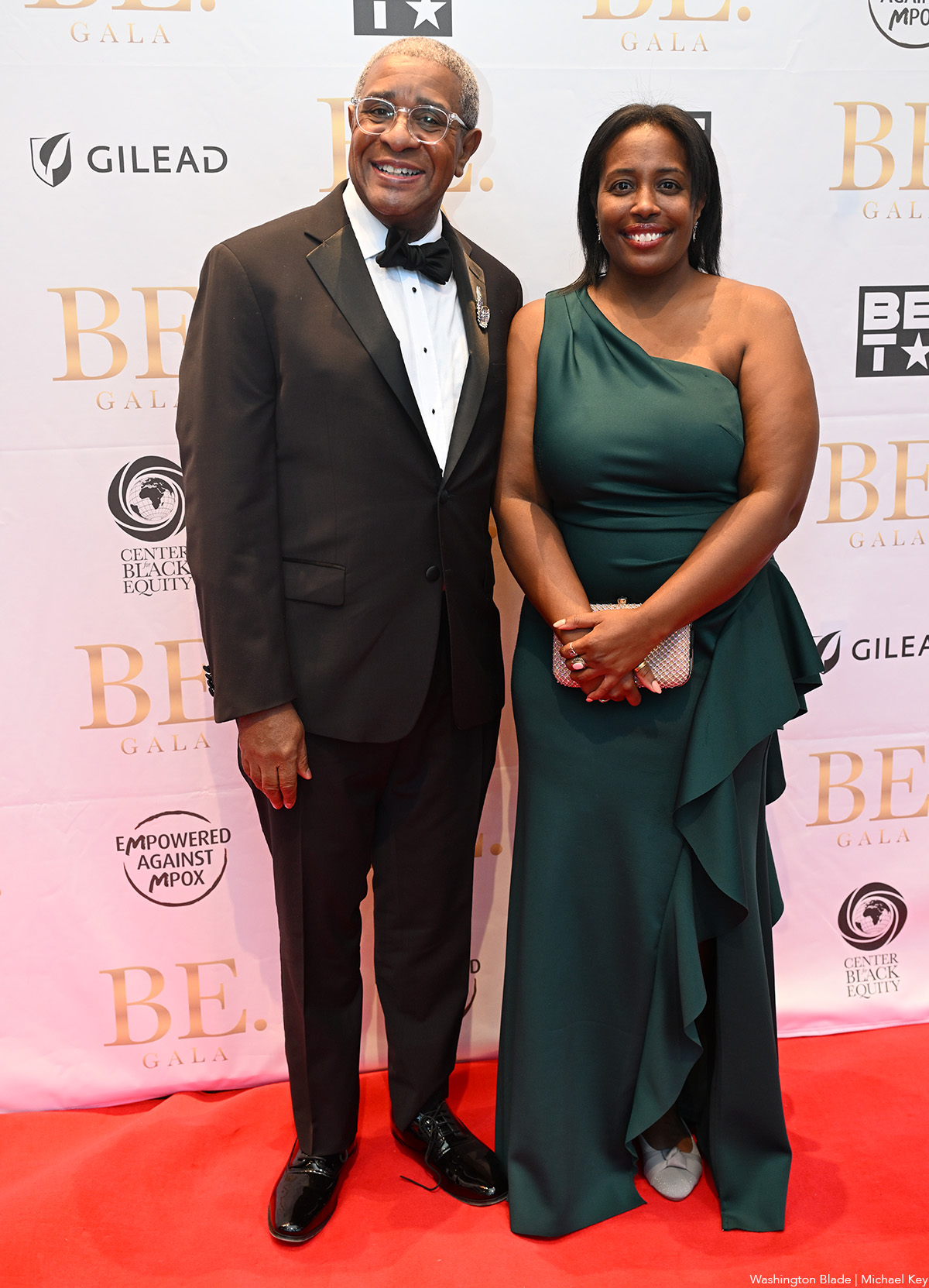
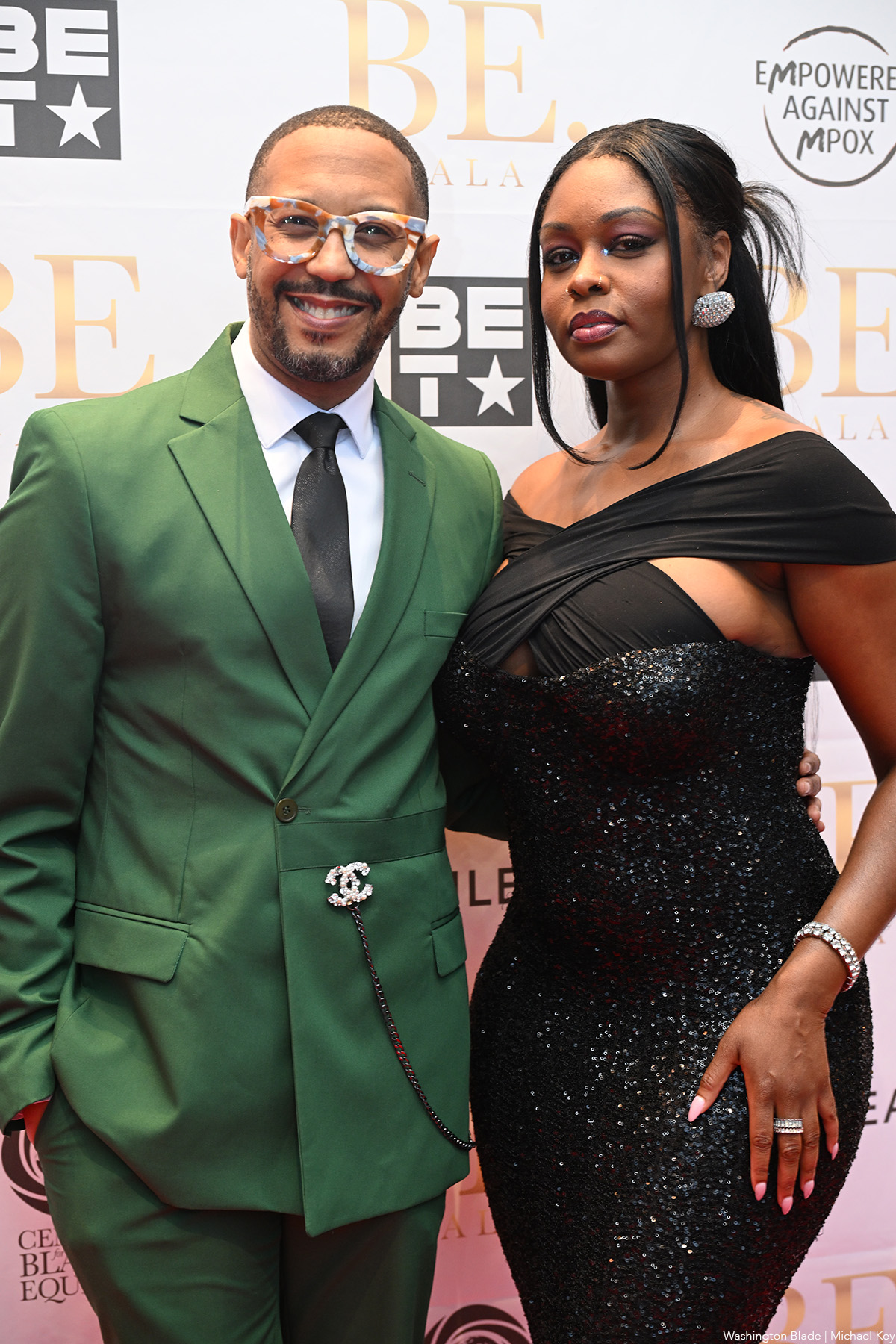
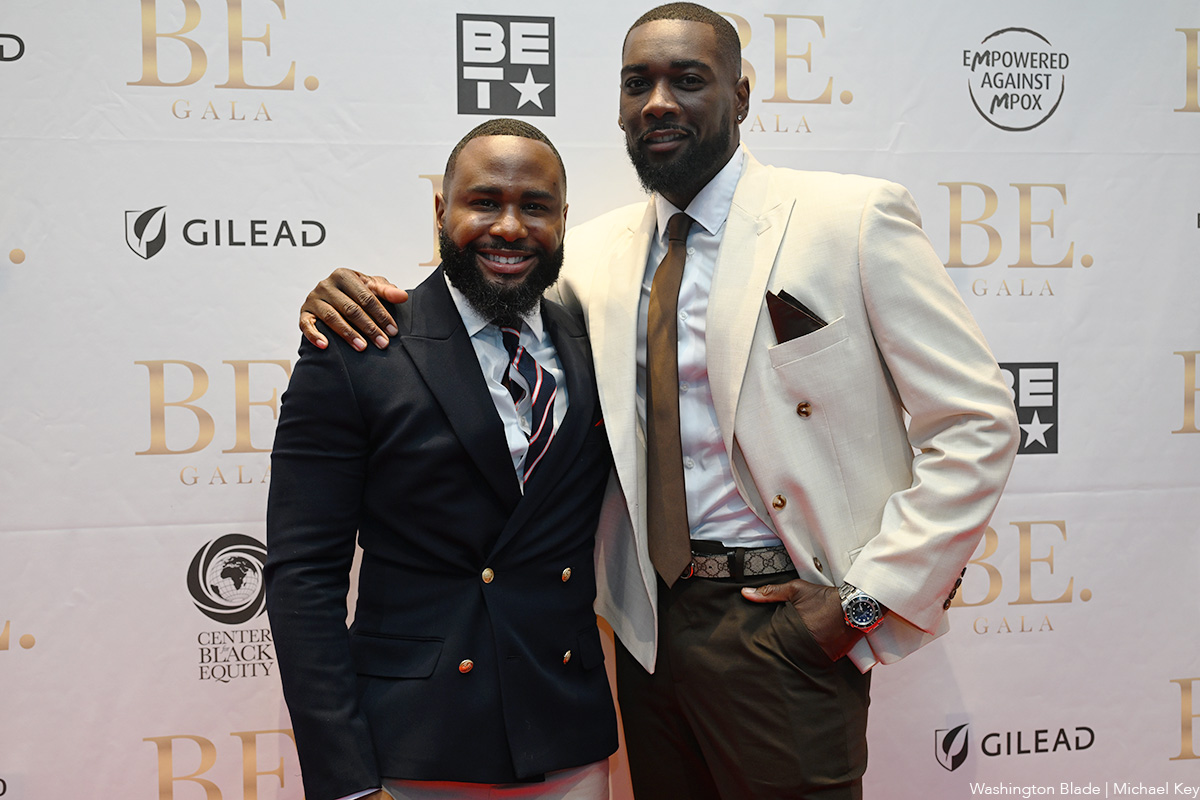
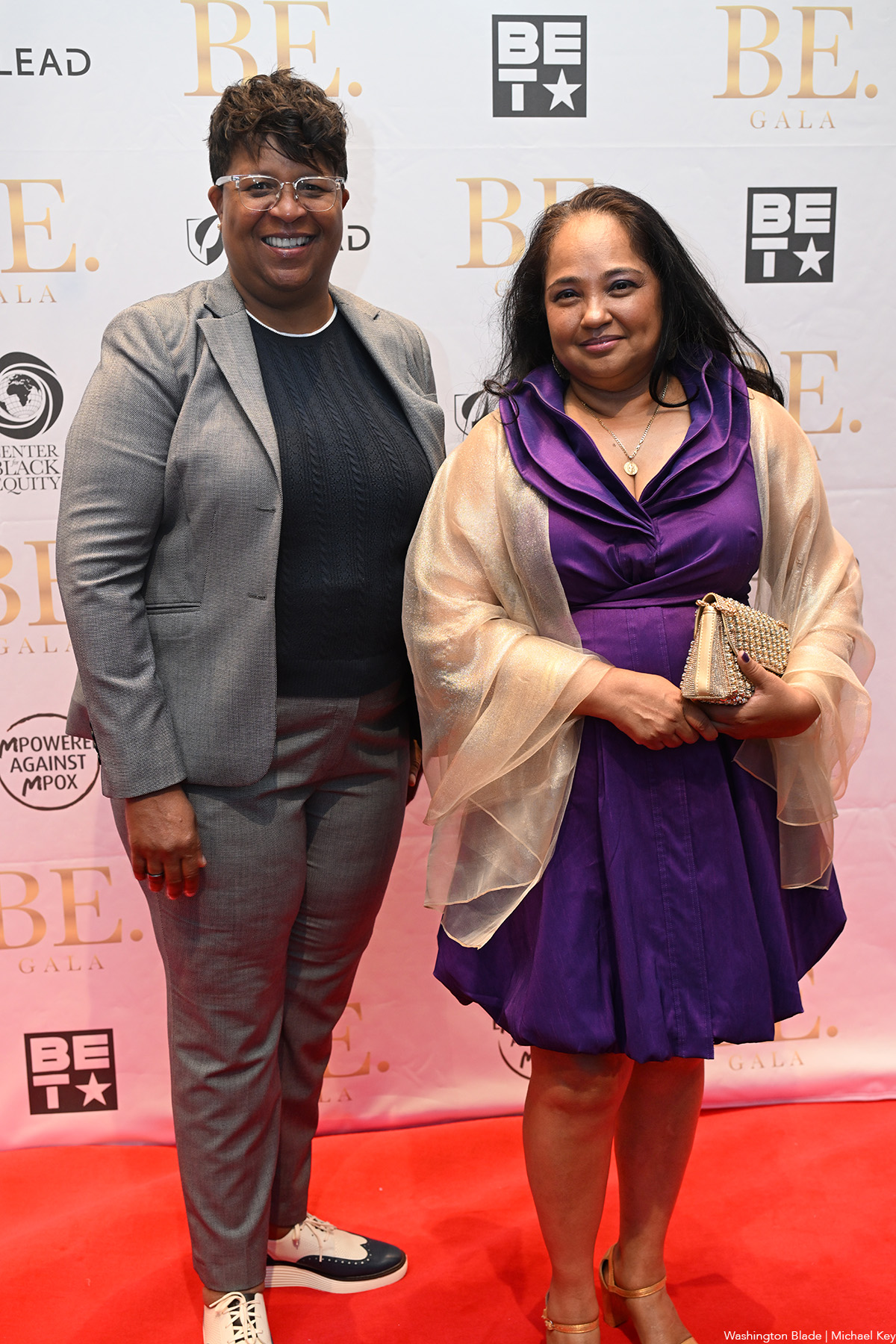
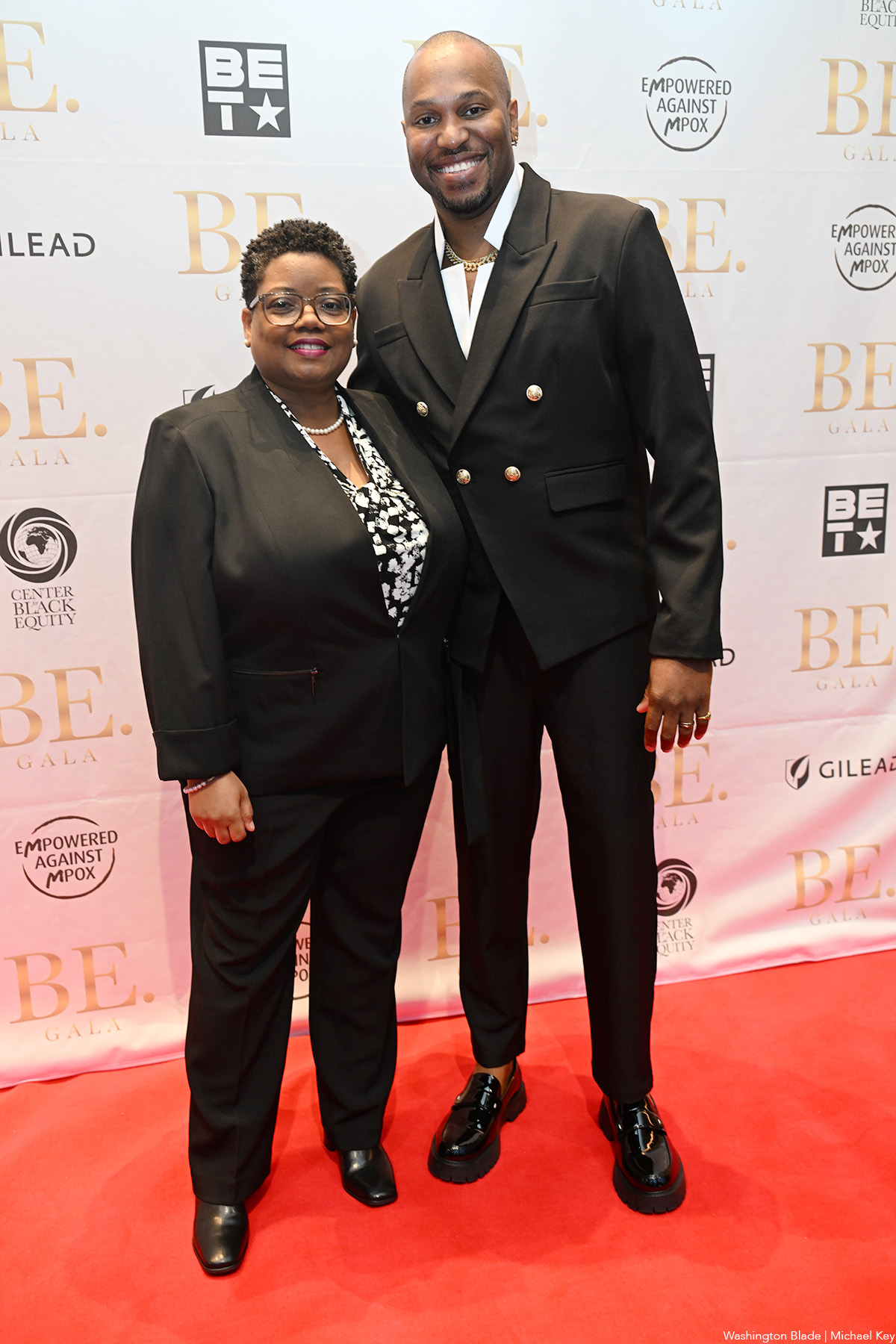
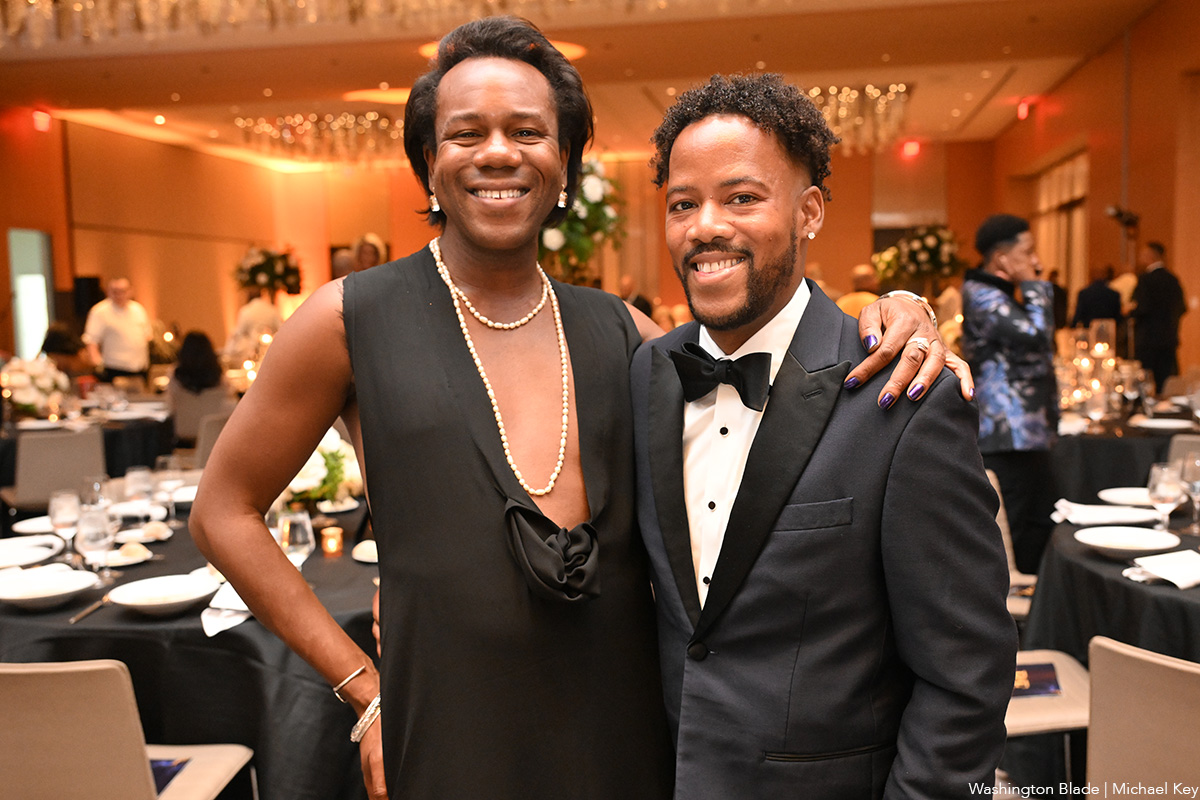
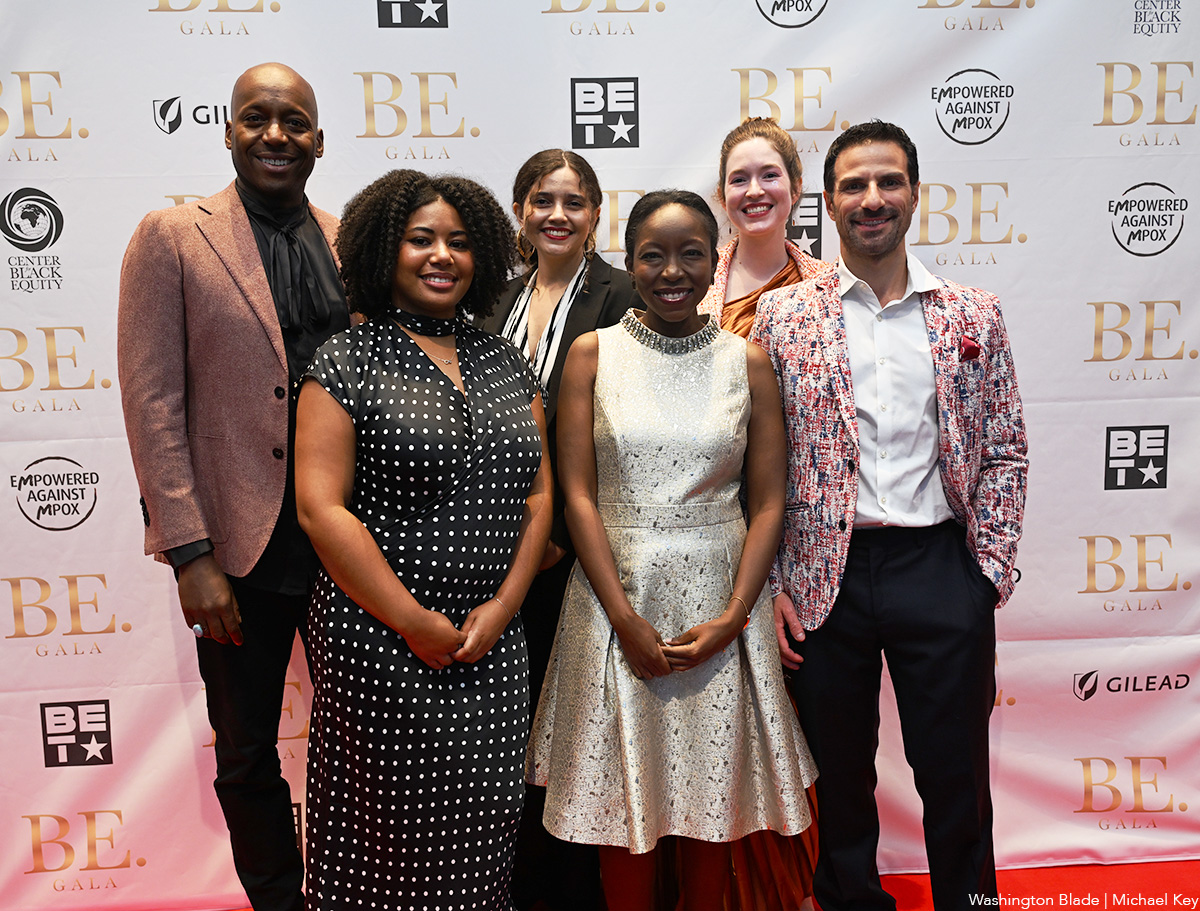
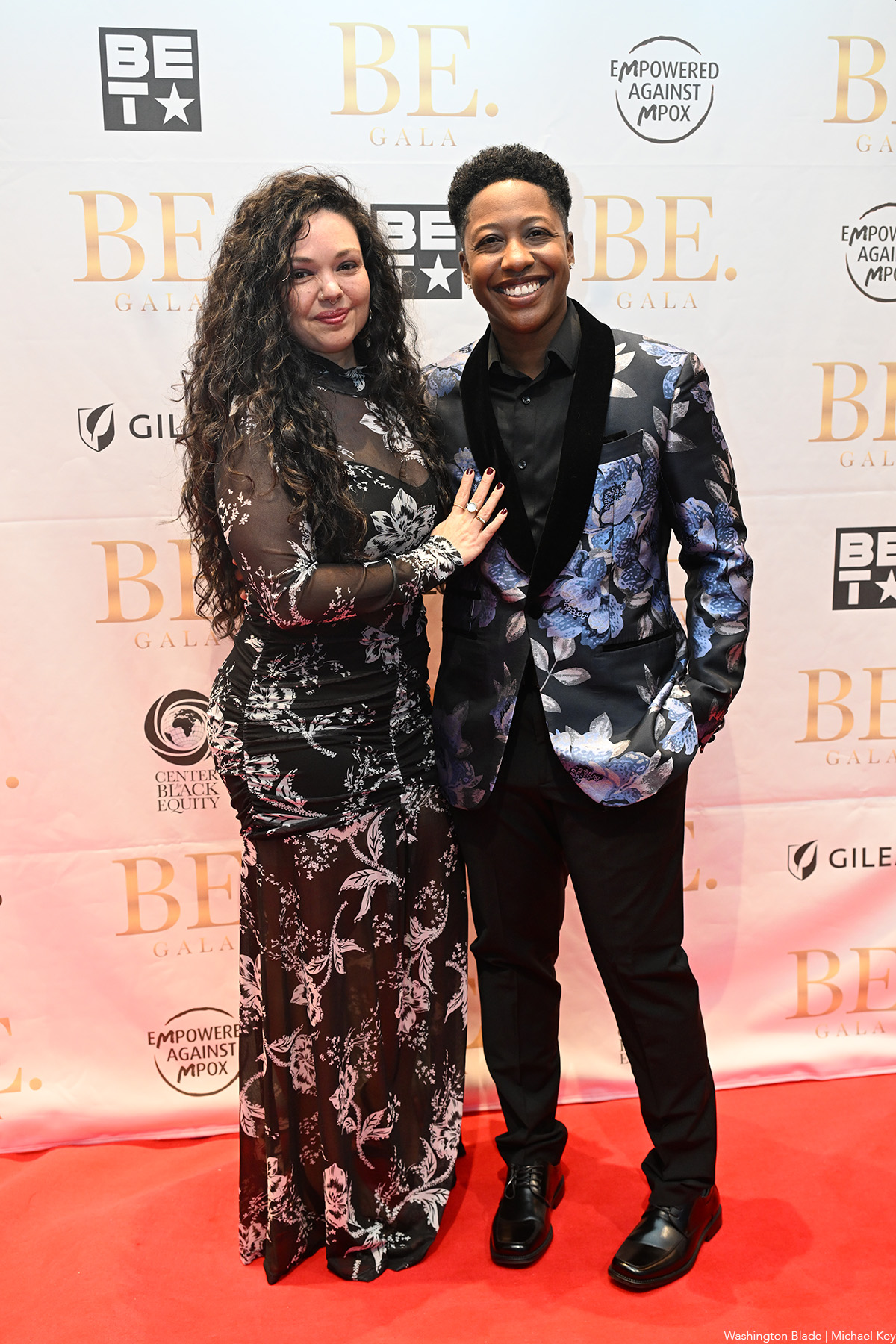
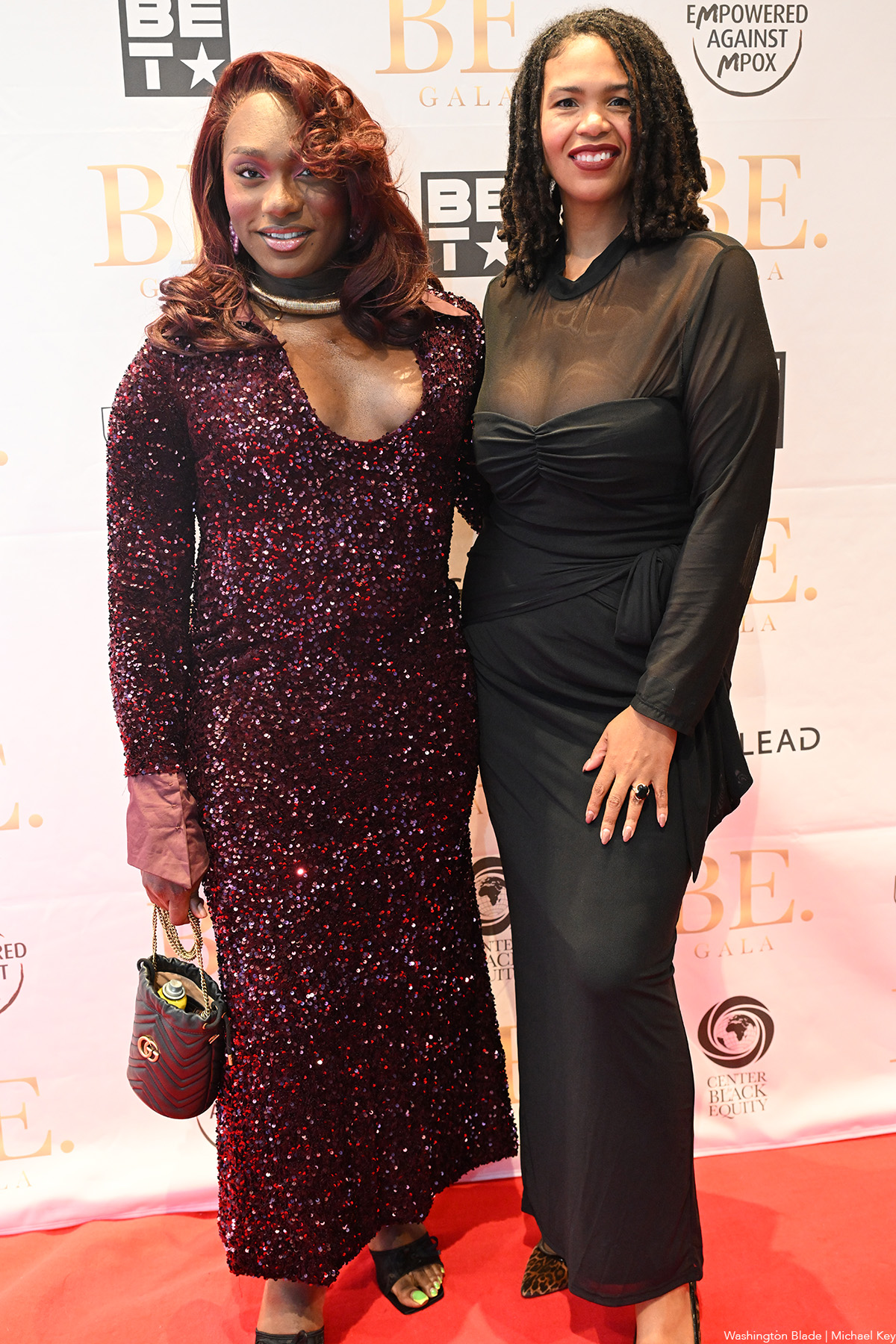
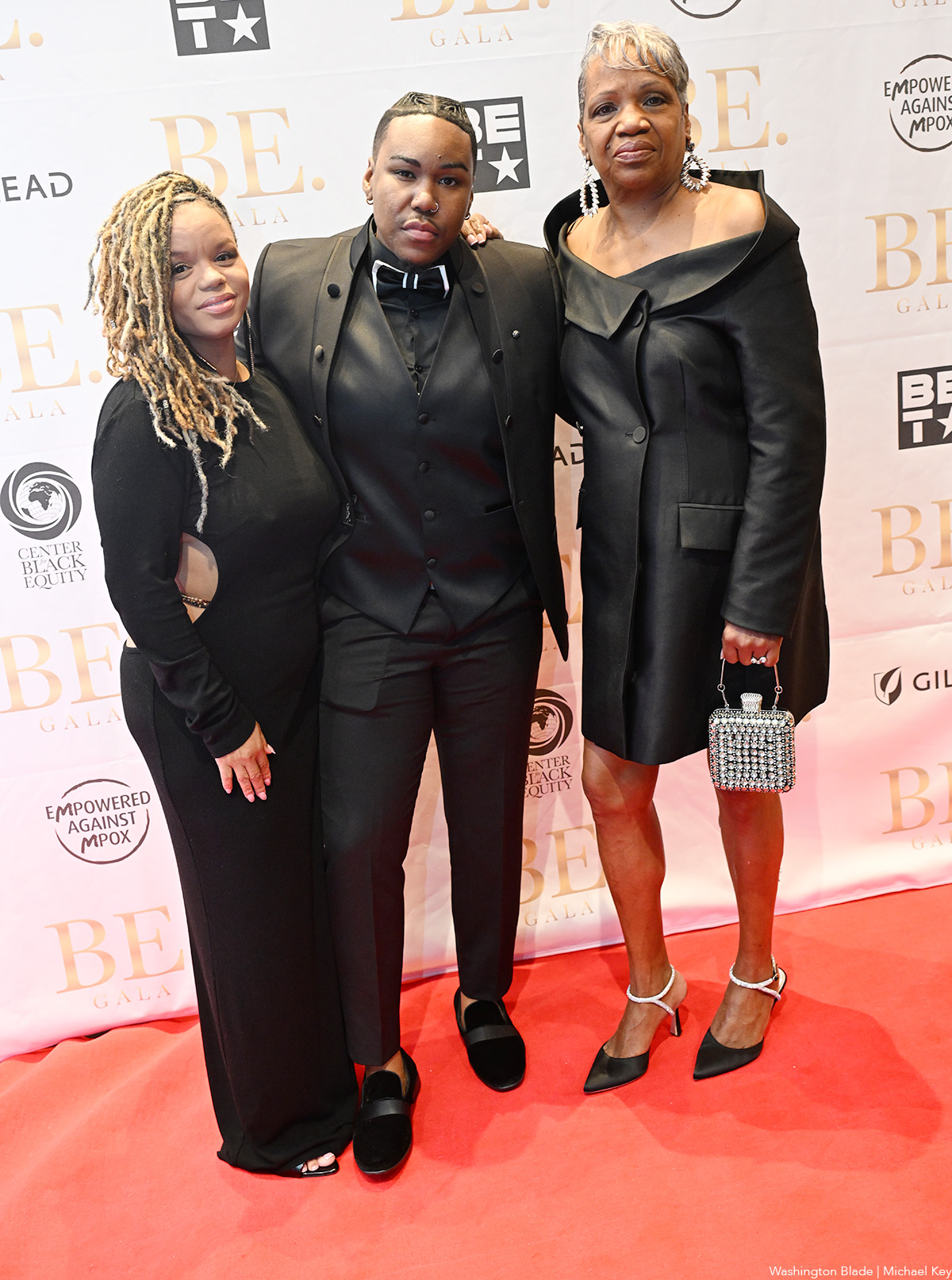
Center for Black Equity honors leaders, activists at BE. Gala
Miyake-Mugler, Oakes co-host annual awards ceremony
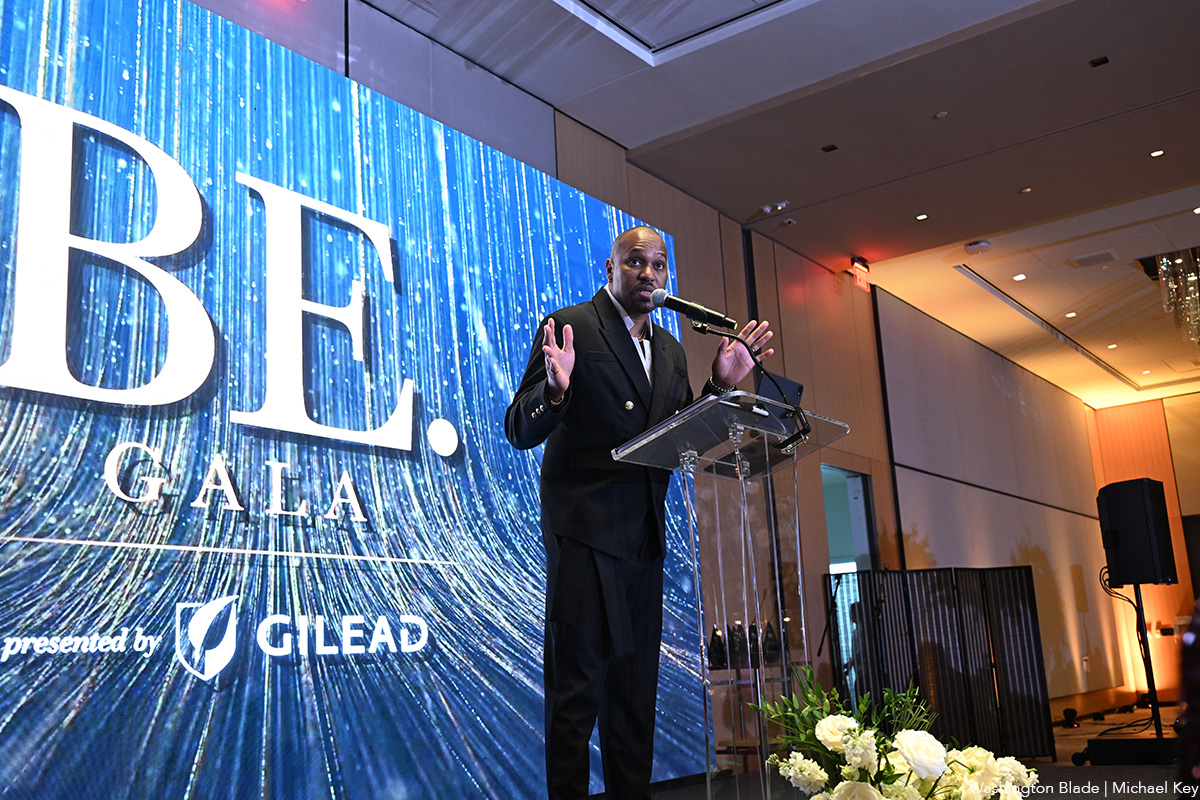
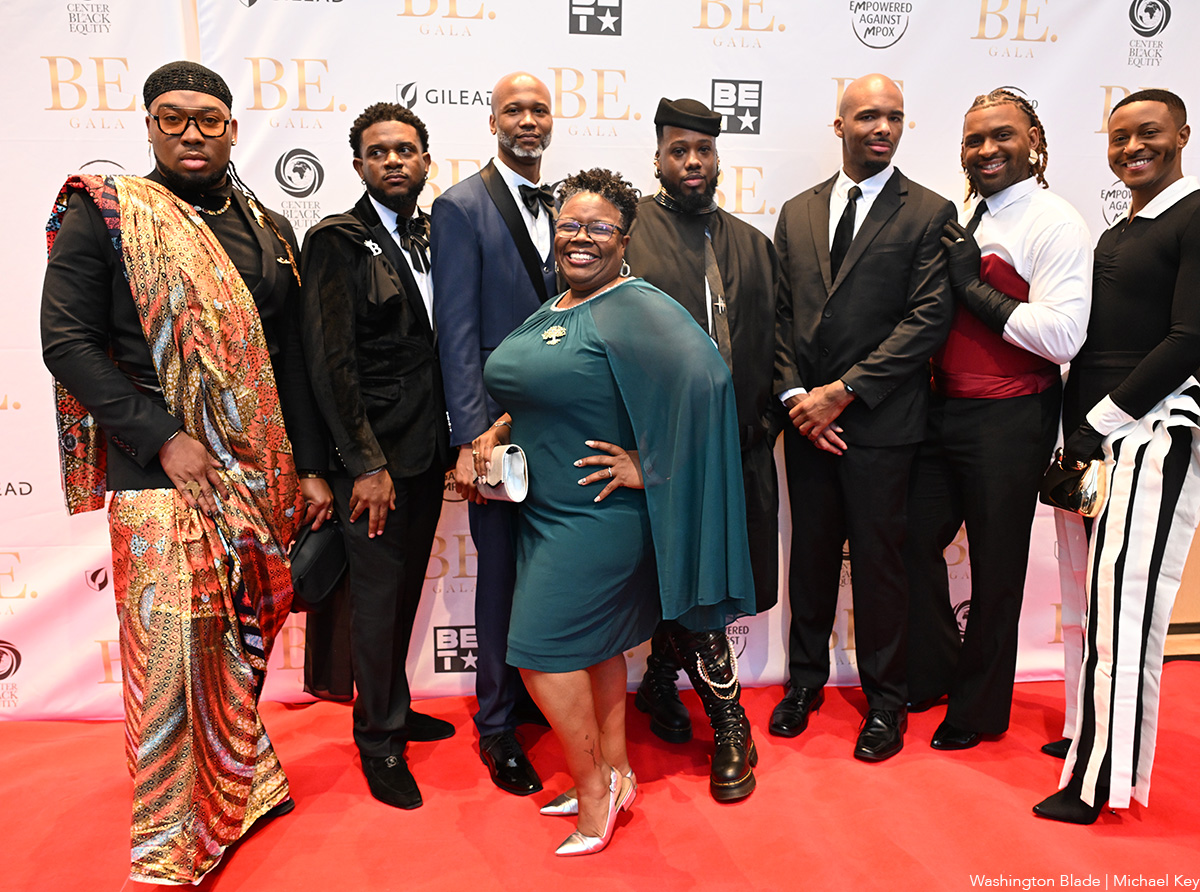
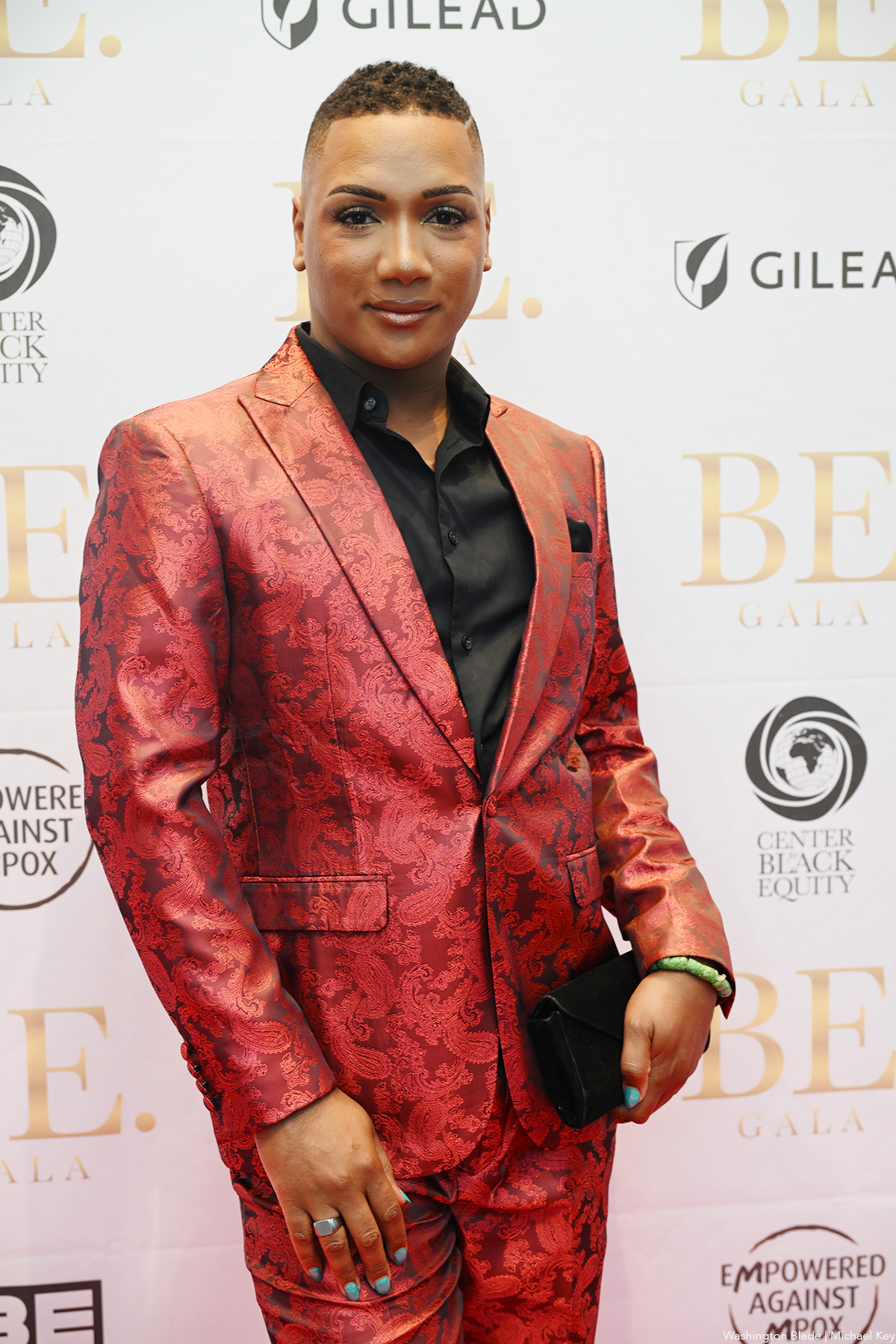
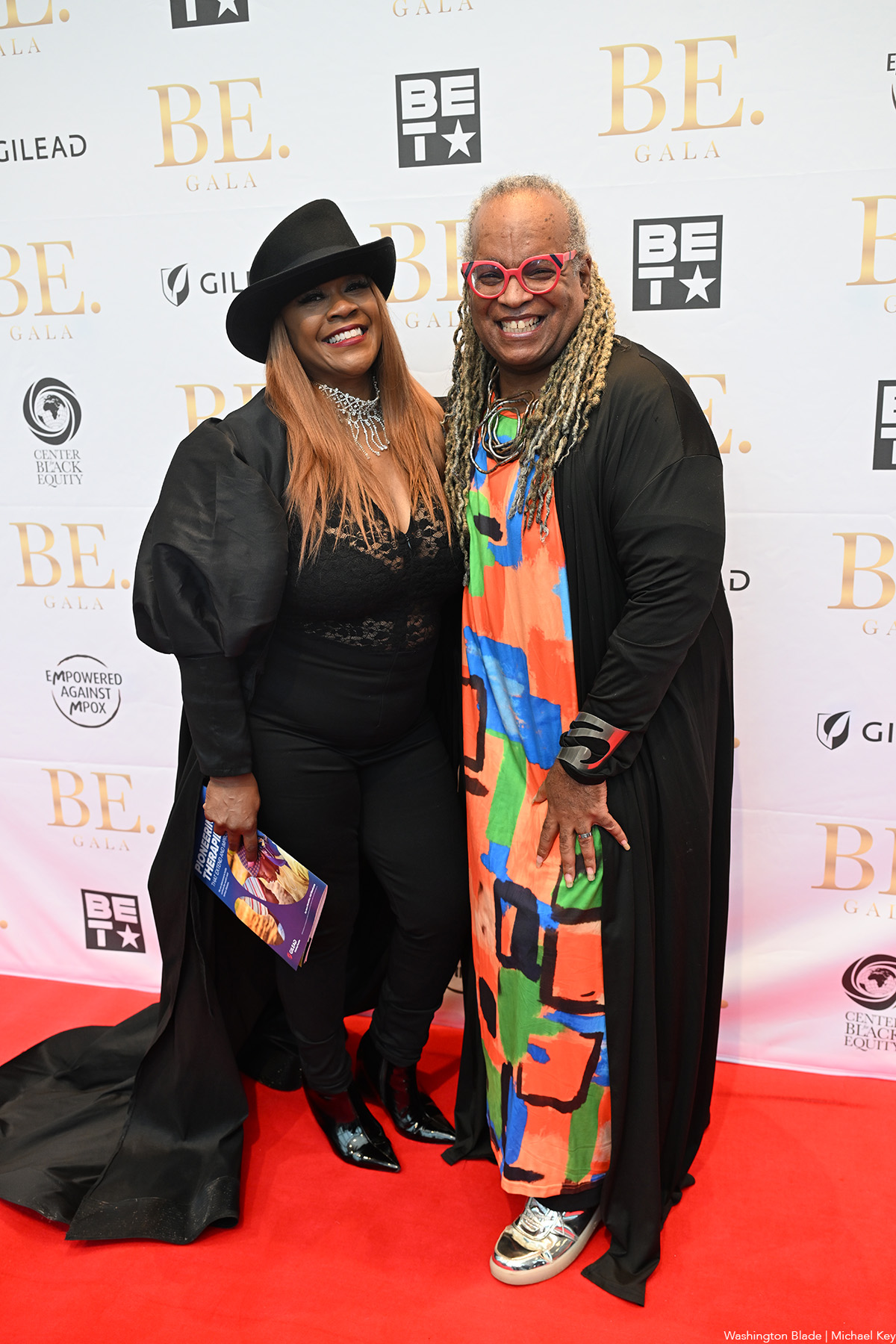
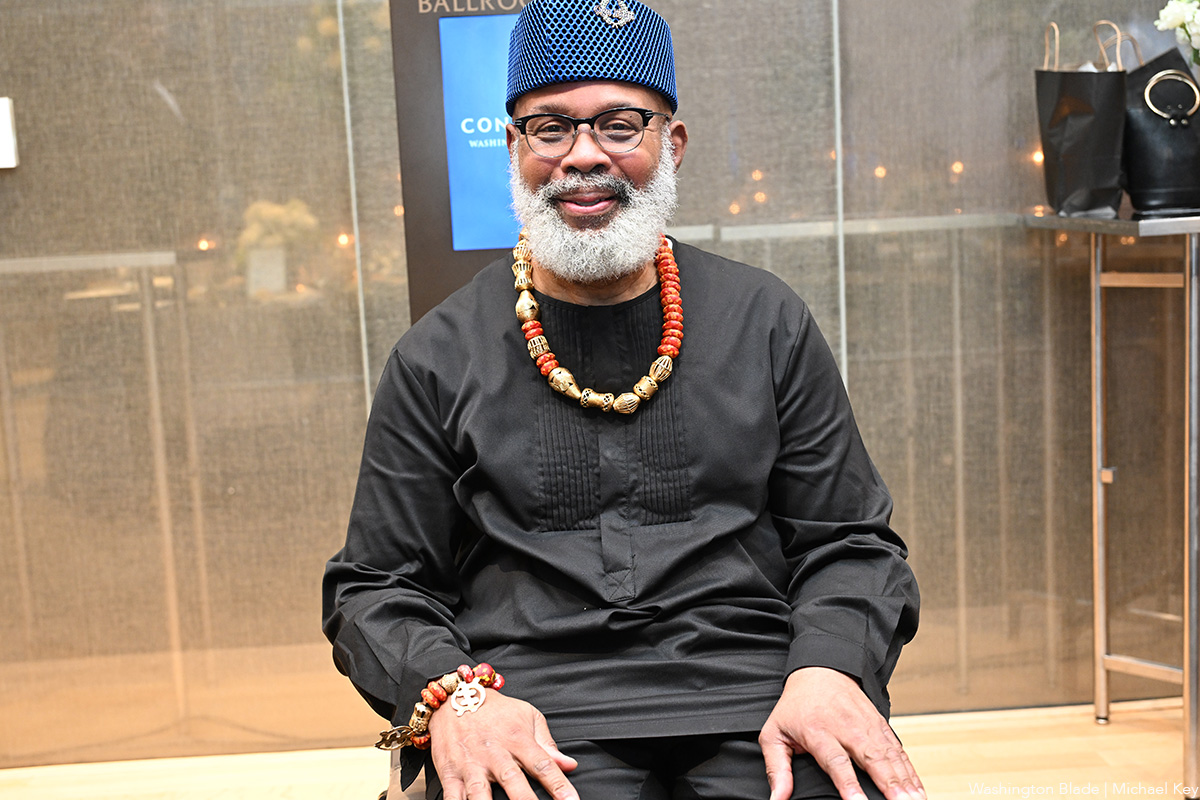
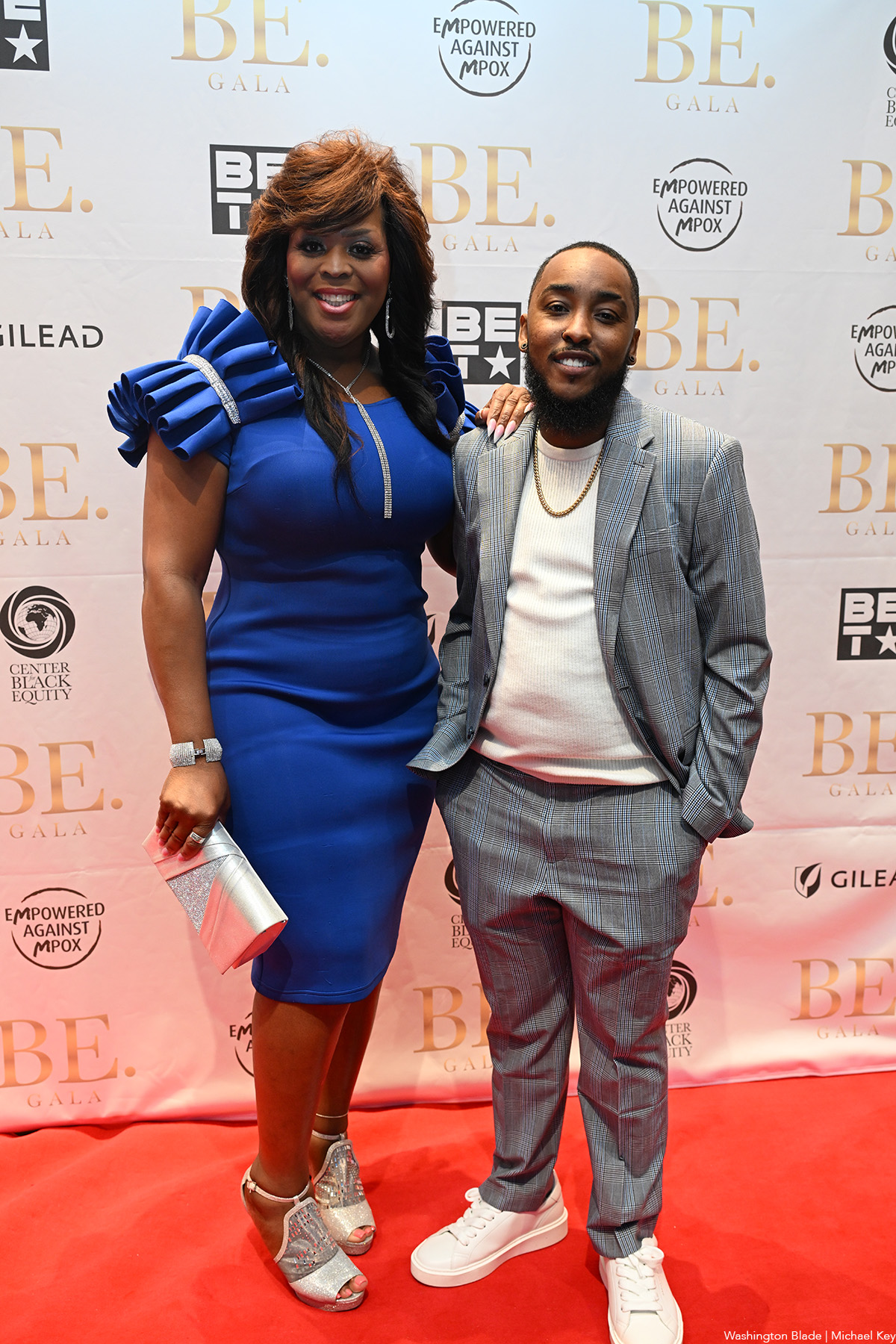
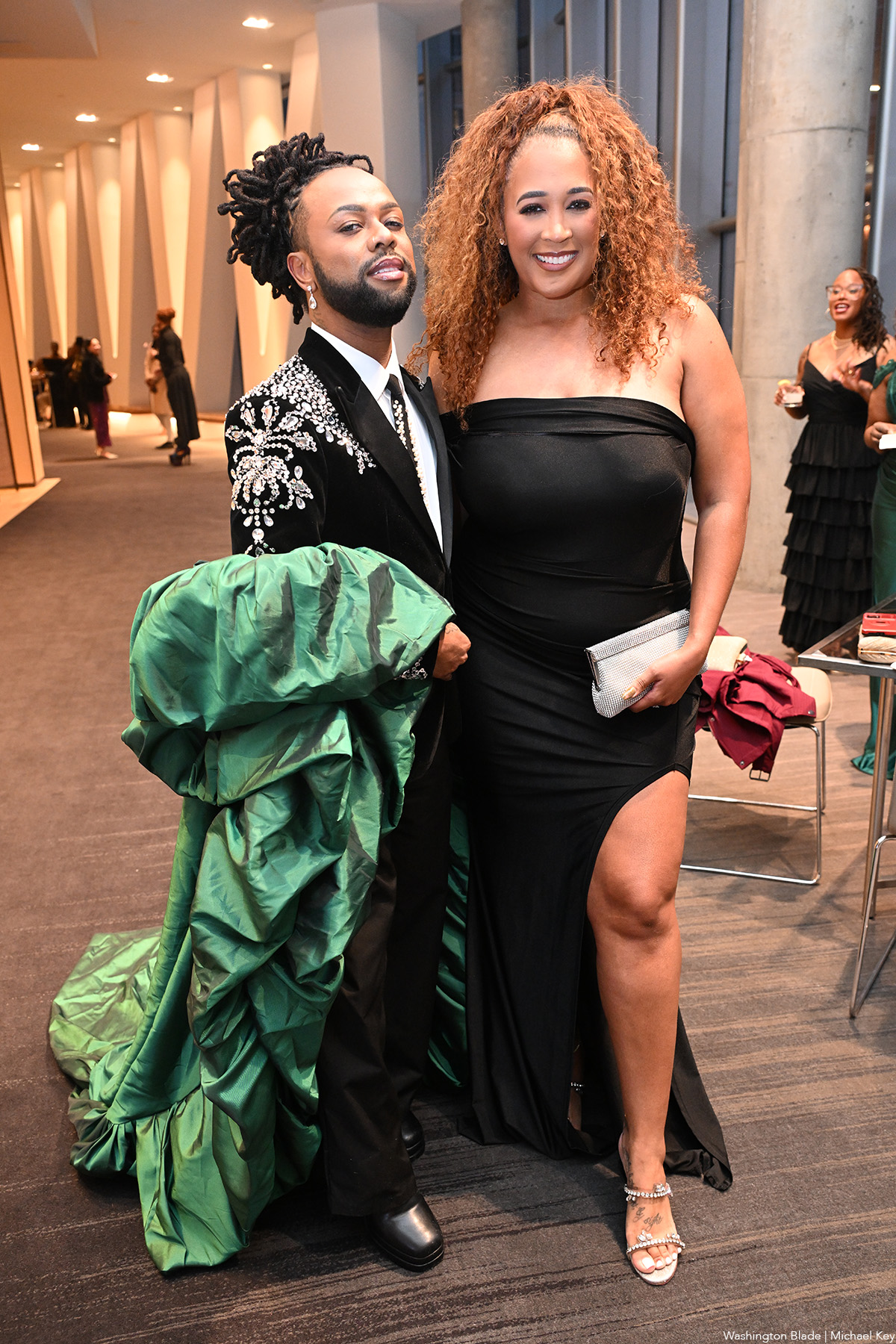
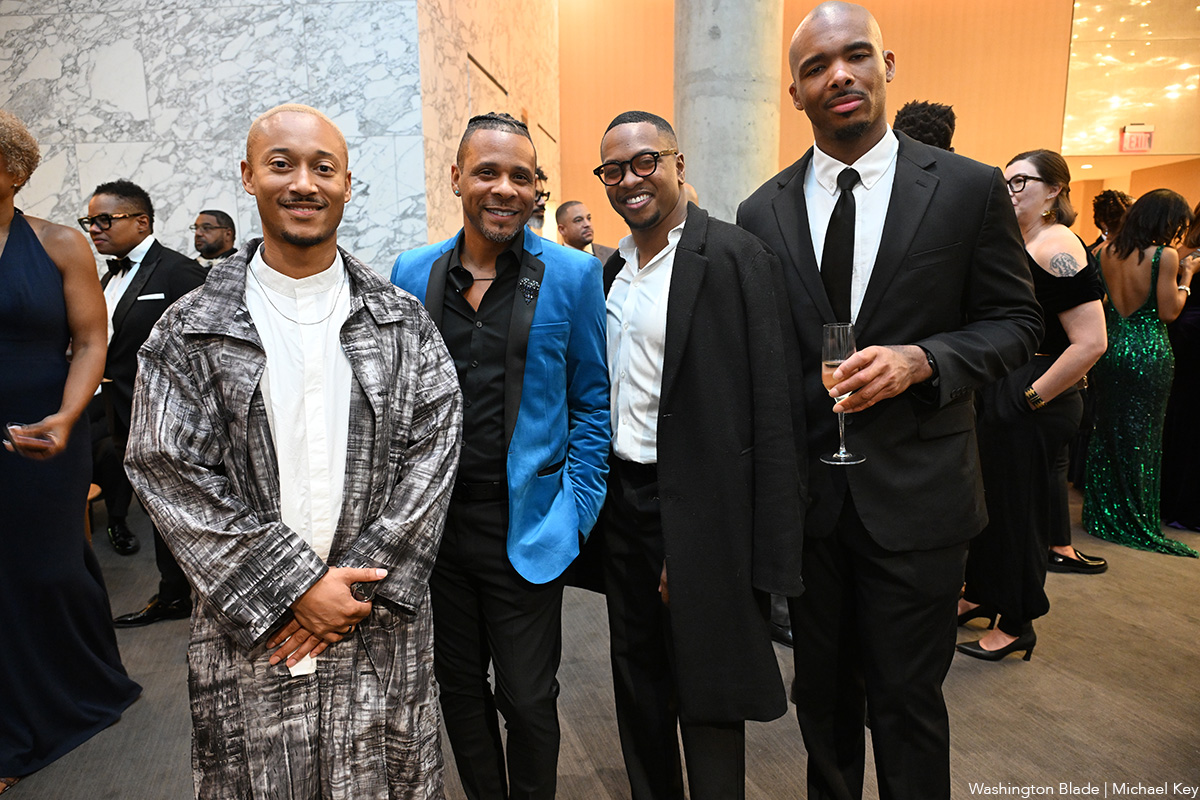
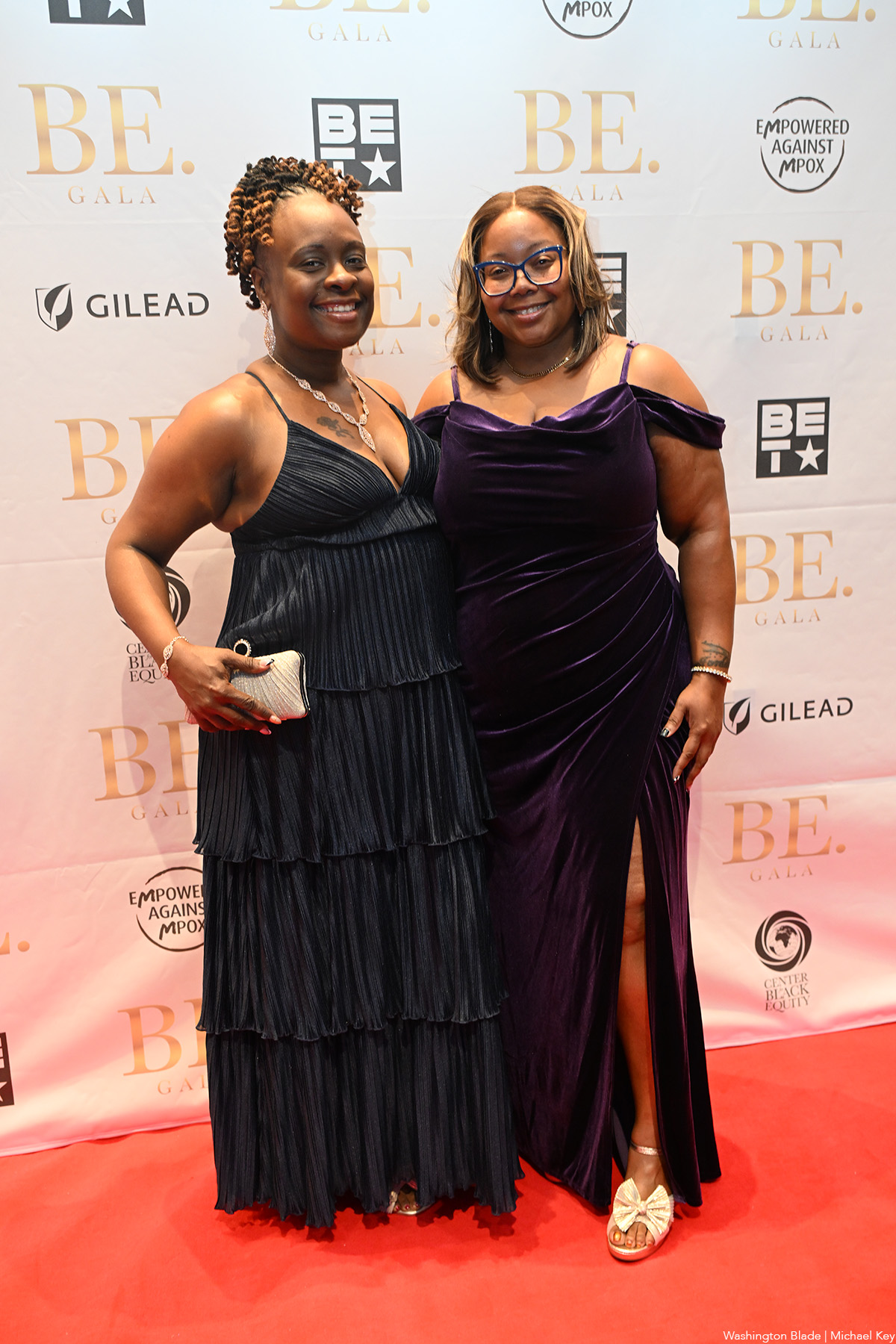
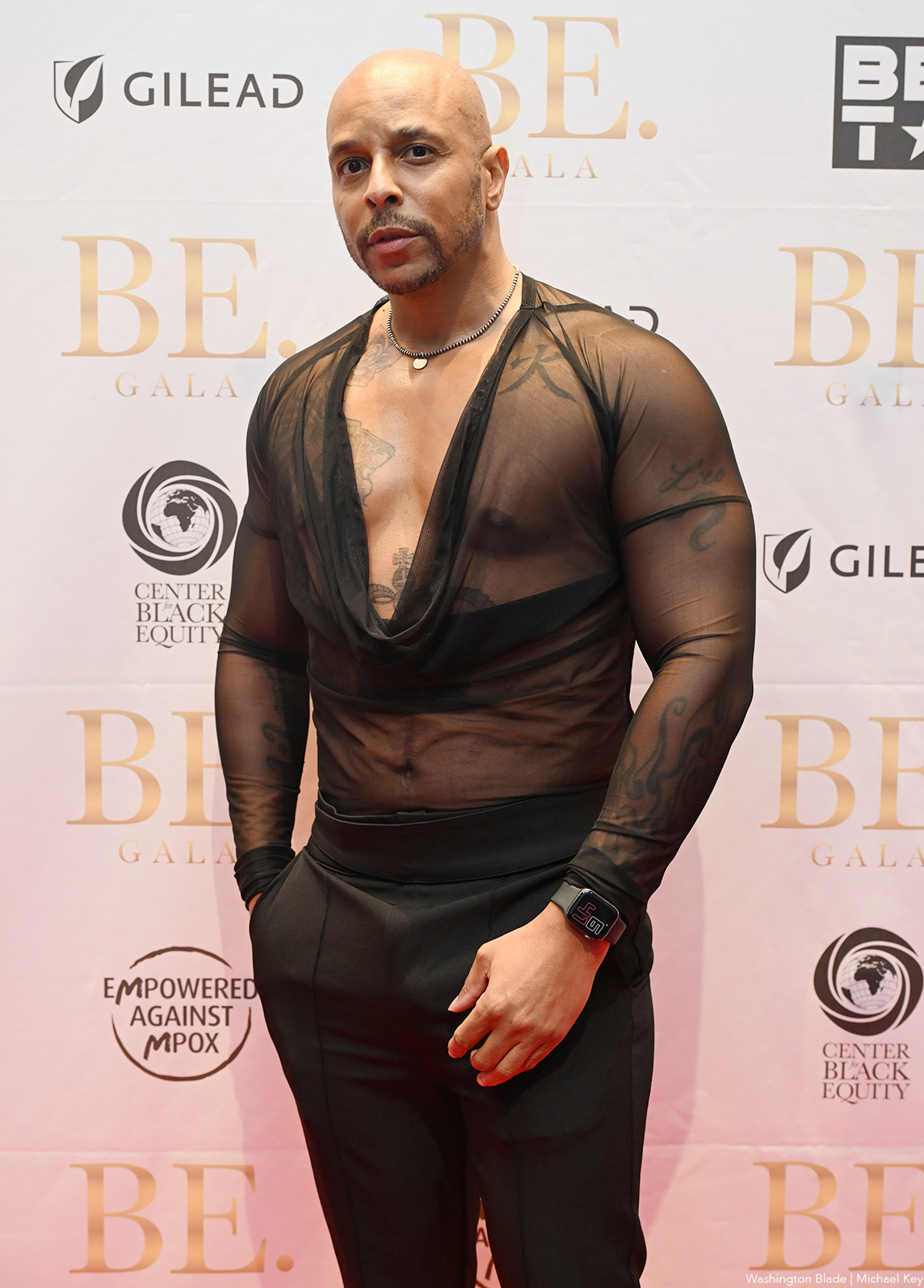
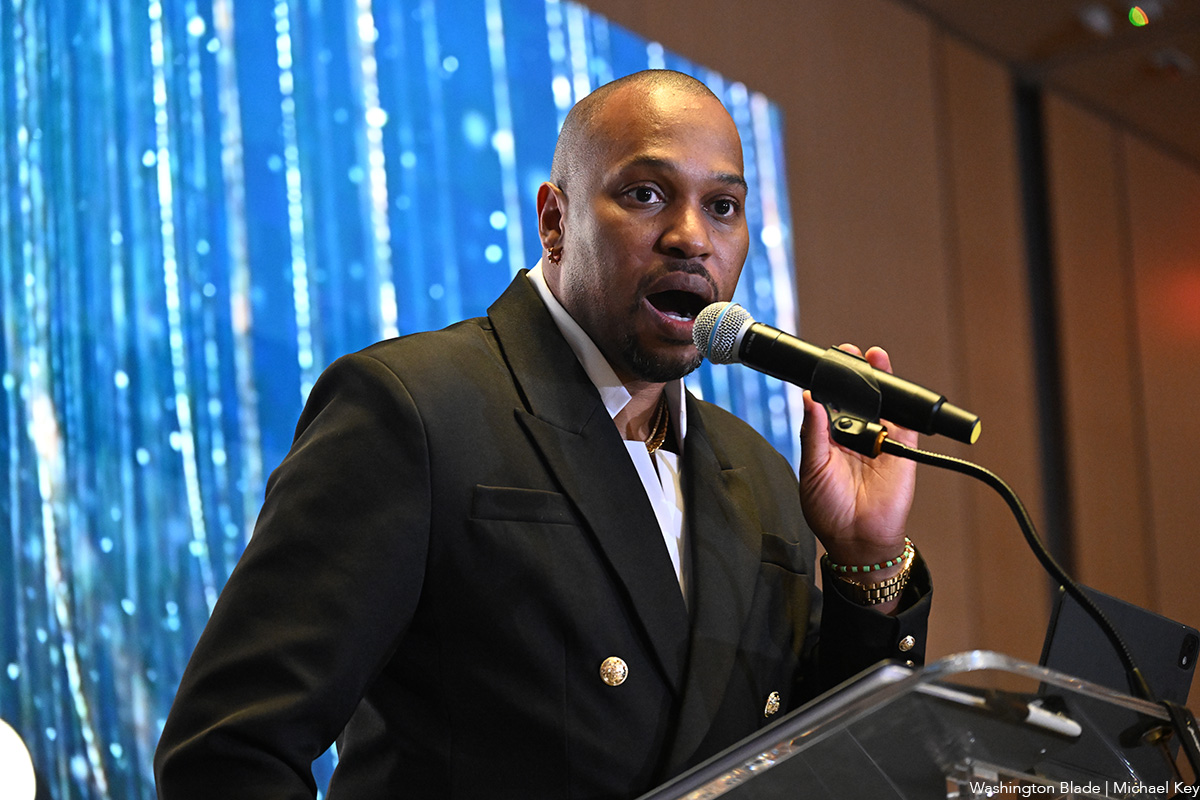
The Center for Black Equity held its annual BE. Gala at Conrad Washington, D.C. on Saturday, Oct. 5. Lolita Leopard Miyake-Mugler and Anthony Oakes co-hosted the awards ceremony.
Honorees included journalist and producer Justin Stewart; nonprofit leader Nikki Alexander; HIV advocate Marlene McNeese; the nonprofit organization FreeLux Project; actress Monroe Alise; public health advocate Tori Cooper; Manassas Park Vice Mayor Darryl G. Moore; Rev. Dr. Carmarion D. Anderson; Bishop Steven Sawyer; government relations professional Courtney Snowden; Senior Deputy Director of HAHSTA at D.C. Health, Clover Barnes; and Texas state Rep. Venton C. Jones.
The event was sponsored by Gilead.
(Washington Blade photos by Michael Key)
Books
In ‘The Lost Brontë,’ a complicated lie can lead to danger
New book features sweetly romantic girl-meets-girl twist
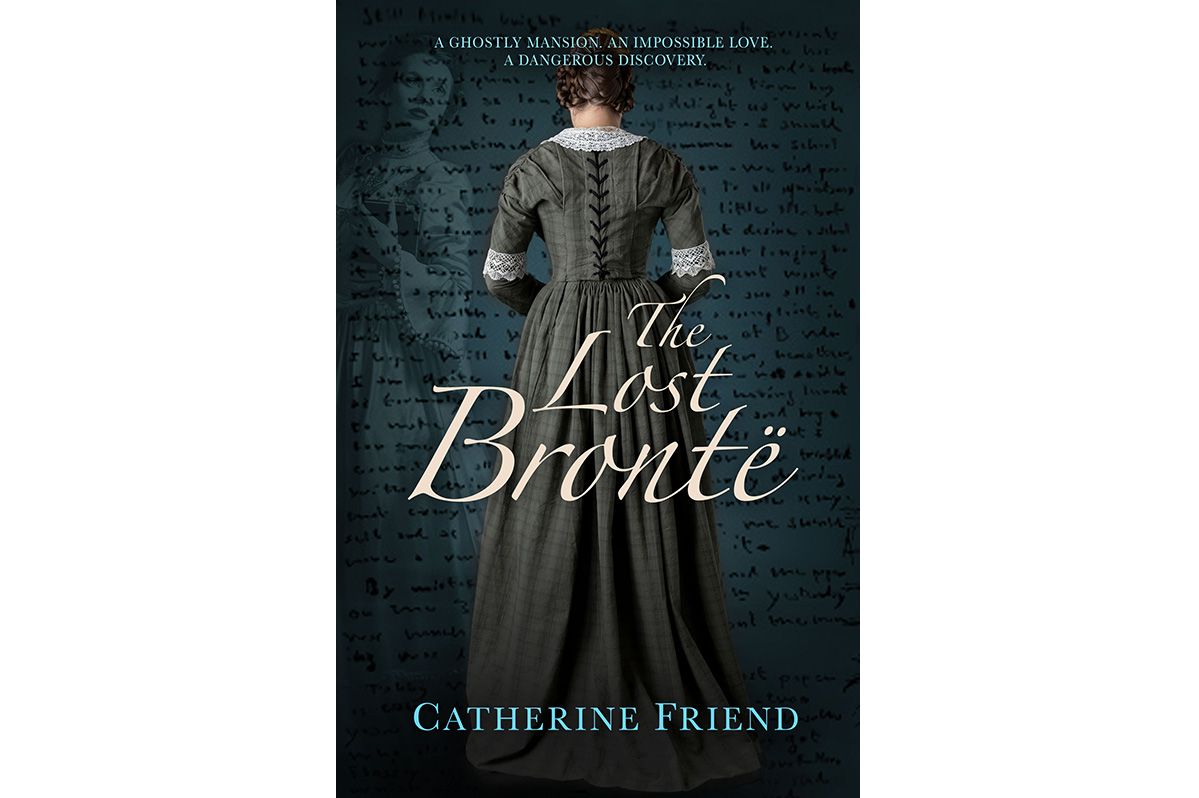
‘The Lost Brontë’
By Catherine Friend
c.2026, Bywater Books
$22.95/335 pages
Mom always said to tell the truth.
One lie leads to another and another and you have to remember them all until pretty soon, you’re caught. Fibs are hard, mistruths are messy, even little white social lies can destroy trust. Worst of all, as in the new novel, “The Lost Brontë” by Catherine Friend, a complicated lie can lead to danger.

Though Lilianne Loxley was very young when she lost her parents, she understood that her uncle didn’t really want her. As time passed, though, Lily made herself useful to Uncle, writing and signing letters for him and she became a good companion, helping him with his collection of Brontë memorabilia. Uncle was a keen enthusiast.
She had no idea that his obsession was out of control and he was deeply in arrears. The day Lily learned of his debt was the day she learned that he’d agreed to send her to his debtor’s home to work off the money owed.
It was so sudden. One minute, Lily was at Loxley House, happy and loved by Uncle’s staff … and five hours later, she was at Crag Thorn Manor, home of Lord Bexton, who informed her that she’d be working on his ledgers – work that seemed routine, but Lily tackled it.
Uncle always did say she was headstrong.
But would headstrong be enough to survive, when she was restricted from most of the Manor, when she was forced to dine with Brexton and his slimy friend, or – the worst! – when Brexton told Lily that her next task was to forge a letter from Emily Brontë? And then an entire manuscript?
Lily struggled to do what was right. She had to get Uncle out of debt but this last order horrified her. Did she dare refuse Brexton’s orders and commit a crime? It was unthinkable!
The only brightness in the whole situation was Wren, the ladies’ maid assigned to Lily’s room. Wren was adorable with freckles and the sweetest smile. But with everything else happening at Crag Thorn Manner, could Lily act upon her feelings?
This time of year, you may come to crave dark, spooky stories, and “The Last Brontë” fits those needs perfectly with its Gothic deliciousness. Think: Daphne du Maurier-type, stormy-night squirms with a dangerously chaste, sweetly romantic girl-meets-girl twist for fun.
If it’s been awhile since you’ve read a Gothic novel, you’re in for a nice reminder of why you love them here. You can almost tick off the must-haves: a novel like this is nothing without a foreboding stone manor with damp walls; stone steps to a dank basement; a mysterious portrait; and a nearby bog, and author Catherine Friend gives readers every one of them. You’d be disappointed if there was no ghost, wouldn’t you? Ha. You can practically feel the cold blow through the attic, right? Yeah, it’s that kind of book.
If you’re a fan of the Brontës, you’ll like this novel. If you love Gothic mysteries or Victorian romances, ditto. “The Lost Brontë” is good, no lie.
The Blade may receive commissions from qualifying purchases made via this post.
Out & About
CAMP Rehoboth Block Party returns Oct. 18
Expect performances, vendors and more at annual celebration

CAMP Rehoboth will host its annual Block Party celebration on Sunday, Oct.18 at 11 a.m. on the second block of Baltimore Avenue in downtown Rehoboth Beach.
CAMP Rehoboth invites all community members to join in the festivities and to expect magnificent performances and dozens of vendors, including artists, craftspeople, non-profits, businesses, and more.
The event started in 2015 in celebration of CAMP Rehoboth’s 25th anniversary. This year, attendees can expect to shop sea glass art, pottery, jewelry, Pride merch, body care, clothing, and learn more about local non-profit causes and businesses.
Attendance is free. For more details, visit CAMP Rehoboth’s website.

Center for Black Equity honors leaders, activists at BE. Gala

In ‘The Lost Brontë,’ a complicated lie can lead to danger

CAMP Rehoboth Block Party returns Oct. 18

Essential queer horror classics for Halloween

Solidarity beyond the parade: the actual cost of Pride

10 years later, we still can’t shake Barry Jenkins’s ‘Moonlight’

‘Some Like It Hot’ a wild ride at renovated Bernard Family Theatre

D.C.’s LGBTQ homeless facilities face possible hit from Trump funding cuts

Trump uses anti-trans slur against Democratic Senate candidate

Calif. GOP gubernatorial candidate ad ‘disgusting attempt to exploit lesbian intimacy’
-

 Movies4 days ago
10 years later, we still can’t shake Barry Jenkins’s ‘Moonlight’
-
Theater4 days ago
‘Some Like It Hot’ a wild ride at renovated Bernard Family Theatre
-
District of Columbia4 days ago
D.C.’s LGBTQ homeless facilities face possible hit from Trump funding cuts
-
2026 Midterm Elections4 days ago
Trump uses anti-trans slur against Democratic Senate candidate