Arts & Entertainment
Queery: Rod Glover
The Home Rule co-owner answers 20 gay questions
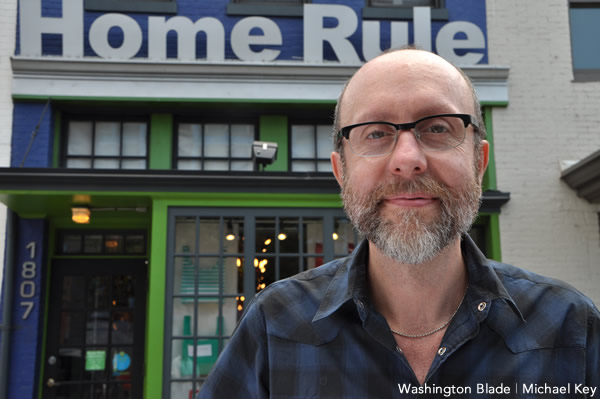
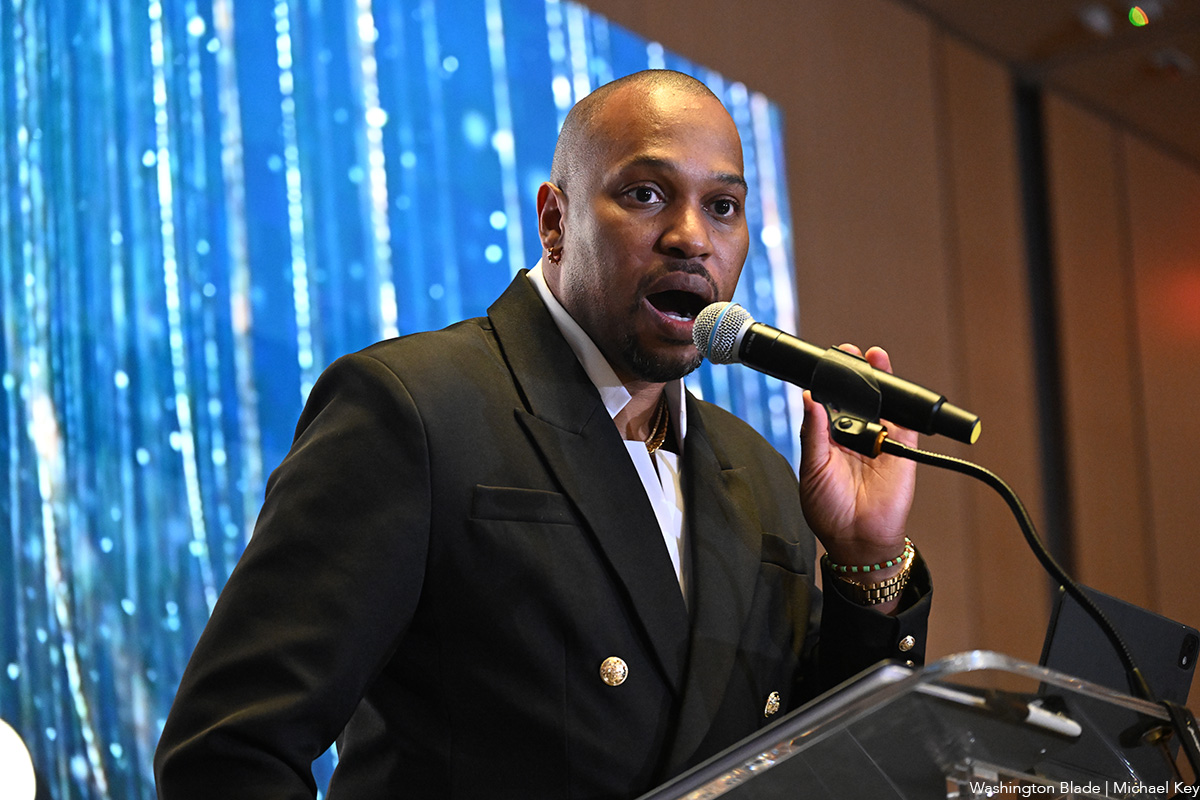
Rod Glover (Blade photo by Michael Key)
It started with a brainstorming session. In 2000, Home Rule (1807 14th St., N.W.; homerule.com) owners Rod Glover and his business partner Greg Link were brainstorming ideas for how to generate an influx of business in notoriously slow August so they could afford trips to retail shows at which they could order merchandise for fall.
They came up with the idea for a sidewalk sale and persuaded about seven of their neighbors to join them. It was a hit — they took all their merchandise, set it up out front and were soon on their way to the shows.
Though they’re not as involved in the planning of it now, the tradition continues. Look for the 13th annual MidCity Dog Days Sidewalk Sale this weekend from 9 a.m. to 8 p.m. Saturday and 10 a.m. to 7 p.m. Sunday where about 70 businesses in the area around P and 14th (stretching up to U Street) bring their wares outdoors for the weekend (midcitydogdays.com).
“We just kind of take everything that’s been sitting on the shelf for the last nine months or been taken off the shelf, and move it out to the sidewalk at 50 percent off and it’s a big hit,” Glover says. “It’s very practical housewares stuff. Things people actually need.”
Glover, a 50-year-old Camp Hill, Pa., native, came to D.C. in 1987, his arm twisted by several friends who’d moved here and wanted him to join them. He worked in various retail shops and has always practiced his artwork on the side. He recently exhibited at Gallery Plan B with a show featuring sculpture and found wood he scorched with a propane torch. He and Link opened Home Rule on Labor Day weekend 1999. He says because of the growth in the neighborhood and a loyal customer base, it’s been successful even in the down economy.
Glover and his partner, lawyer Tom Mayes, live together in Dupont Circle. Glover enjoys creating art, cooking, entertaining, magazines and cookbooks in his free time. (Blade photo by Michael Key)
How long have you been out and who was the hardest person to tell?
I came out to my friends in college when I was 19, (and my painting professor) but didn’t come out to my parents until I was 30, on an Easter Sunday, just before I moved into a one bedroom with my partner. That was the hardest. My mother’s immediate response: “Mothers know these things. Is there anyone special?”
Who’s your LGBT hero?
I have two. My partner’s cousin, Mary Margaret “Peggy” Cleveland, because she came out to her North Carolina Presbyterian congregation in her 70s, after having been a missionary in Africa, during a big church debate on the role of LGBT people. And my friend Stephen Skinner, who founded Fairness WV, and who’s running this fall for the West Virginia House of Delegates. If elected, he would be the first openly gay delegate in West Virginia. Support his campaign.
What’s Washington’s best nightspot, past or present?
My apartment. Ask people.
Describe your dream wedding.
It would be just like our friend Jenny Allen’s Hootenanny — a big party with all of our friends, the Speakeasy Boys playing bluegrass, handsome bartenders, barbecue and the Potomac River as a backdrop.
What non-LGBT issue are you most passionate about?
Affordable higher education, affordable health care and the freedom to create.
What historical outcome would you change?
The long persistent influence of Puritanism, here and throughout the world.
What’s been the most memorable pop culture moment of your lifetime?
Three. Seeing Jackie Hoffman on Broadway in “Hairspray,” “Xanadu” and “The Addams Family.”
On what do you insist?
That my friends come to my house, eat my cooking and take leftovers home.
What was your last Facebook post or Tweet?
Katie Petix manages our Facebook for Home Rule. She beats me hands down in posting.
If your life were a book, what would the title be?
“La-Bas,” but it’s already taken.
If science discovered a way to change sexual orientation, what would you do?
Ignore it.
What do you believe in beyond the physical world?
The ghosts that inhabit my cabin in West Virginia. They party so much it keeps me awake.
What’s your advice for LGBT movement leaders?
I don’t really have much of an activist soul, but I deeply admire those who do: Keep at it and thank you.
What would you walk across hot coals for?
The last wedge of Parmigiano Reggiano. And my beautiful nieces.
What LGBT stereotype annoys you most?
Any assumption that prejudges me or others annoys me.
What’s your favorite LGBT movie?
“Trick.” Tori Spelling is fabulously nutty and the movie reminds me of myself and my friend Debbie.
What’s the most overrated social custom?
Being too polite to say you want more.
What trophy or prize do you most covet?
I already have it — the senior art award at high school graduation. I always felt like such an outsider, and I didn’t know in advance, so it meant the world to me. I received the psychology award too — I’m still baffled by that one. My partner says he gets it.
What do you wish you’d known at 18?
How much fun life is.
Why Washington?
In 1987 my friends, who had already moved here, set me up with a job and an apartment. I have the best friends on the planet.




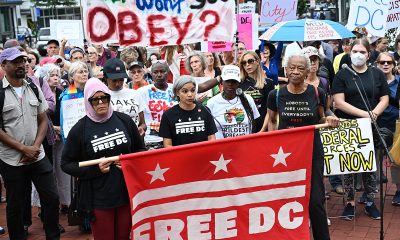

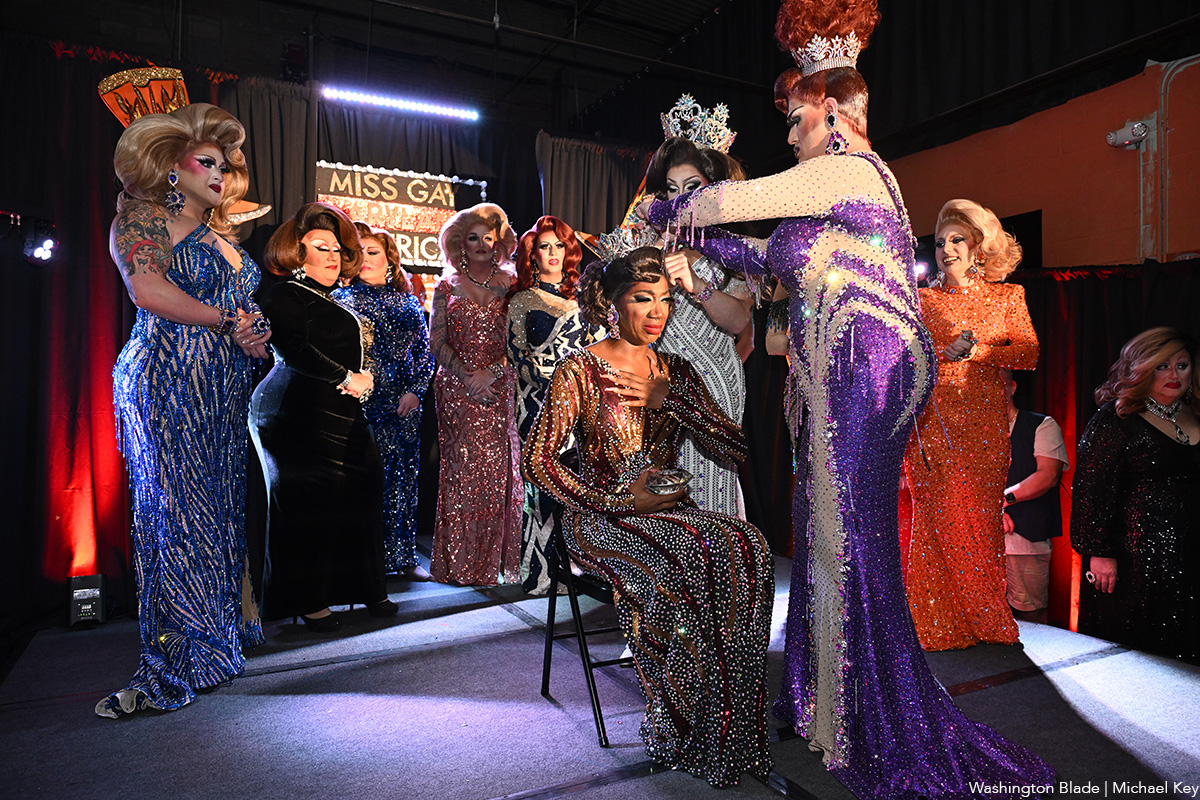
The 2026 Miss Gay Maryland America pageant was held at Hub City Brewery in Hagerstown, Md. on Saturday, Oct. 10. Jalah Nicole was crowned the winner, and Maria Posa was named first alternate. Both competitors qualify for the Miss Gay America pageant in Atlanta in January.
(Washington Blade photos by Michael Key)


Arts & Entertainment
Horror genre has evolved into space to explore queer identity
Forbidden love among topics explored

Spooky season is here, making it a fantastic time to talk about queerness and horror. More precisely, it’s a chance to explore how the horror genre emerged and transformed our perspective on queer identity.
Horror is far more political than most people realize.
Personally, if sci-fi was the genre that helped me understand what it feels like to be different, it was horror that truly allowed me to explore queer relationships and queer rage.
Let’s dive into how horror as a book genre has evolved — moving from portraying queer and transgender identities as monstrous threats to becoming a space where queer people can process our own fears, rage, sexuality, and trauma: from the deeply queer undercurrents of vampire fiction to the liberating “monstrosity” of trans rage.
The ‘monstrosity’ of transness
It’s 2026, so let’s begin with the elephant in the room — or rather, the biggest conservative scapegoat in our community (thanks for actual political monsters). But trigger warning: trauma crawls to the surface like a monster breaking through.
Imagine two scenes:
Fifteen-year-old me, a trans teenager who didn’t yet know they were trans, was reading Thomas Harris’s “The Silence of the Lambs” (1988) for the first time (yes, for me it was first the book, then the movie.) I “encountered” Buffalo Bill, a serial killer who used human skin to make a female costume because he wanted to be a woman. How did I feel? Cringed out, humiliated, and even more determined to hide. And I wasn’t yet permitted myself to think that I’m trans, but I felt terrible without knowing why. It was one more message from mass culture: if you think you belong to a gender different from the one assigned to you at birth, you are a “psycho.” The intersection of ableism and transphobia is striking in stories like this. People with mental illnesses, who in real life are much more often victims than aggressors, are portrayed as dangerous to society, while transness is presented as a mental illness.
Now imagine an adult me, a couple of years after coming out as trans, reading Andrew Joseph White’s young adult horror novel “Hell Follows with Us” (2022). It portrayed actual monsters and a trans boy, Benji, turned into a monster by his cultist family. I felt joy and sympathy for Benji, who stood up against the apocalyptic cult that destroyed humanity, despite his parents raising him to destroy what was left of the human race. His trans rage and rebellion felt justified, and the main character never felt like a pathetic freak.
This is the main difference between classical portrayals of trans people in horror and the changes made by trans authors and creators reclaiming the genre.
When Harris wrote “The Silence of the Lambs” and Jonathan Demme directed the movie (1991), the story made it clear that Buffalo Bill was not a “real” trans person and that real trans people were harmless. But this raises an important question: how can we decide who is a “real” trans person and who isn’t if someone’s gender identity differs from the one assigned to them at birth? The trope of an aggressive, perverse person who “wants to be a woman” has existed throughout modern fiction, with the “Psycho” (1960) movie being another famous example, that stigmatizes cross-dressing and gender non-conformity and, by association, trans women.
Aggressive trans characters and trans characters in serial-killer fiction have every right to exist. White’s young adult horror novel “You’re No Better” (2026), which is coming out this October, features a trans autistic boy trying to prove that he is nothing like his famous serial-killer father. There is also the transgender novel “Manhunt” (2022), featuring two trans women, Beth and Fran, who survive by hunting men transformed into monsters.
Honestly, I’m currently querying a vampire novel with a trans teenager who runs from his transphobic MAGA family and has literally become a monster, so it would be hypocritical of me to object to controversial or monstrous trans characters. They can be violent — but not because they are trans. They can be driven to become monsters by society, but not because of their supposed “perversion.”
Trans horror written by trans and trans-friendly authors can help process rage and alienation. Many trans horror authors reclaim the label of “monstrosity” without turning their characters into caricatures, perverted villains, or pathetic creatures, as often happened in more classical, cis-hetero normative horror.
Queer romance and forbidden love
For me, “The Vampire Chronicles” by Anne Rice was my first introduction to non-judgmental, queer-centered fiction as a teenager. As Rice famously observed, all her vampires are bisexual, and it was remarkably brave to publish books in the 1970s and 1980s where queer families, desire, and drama were simply part of the plot without any silly sensationalism. The 1994 film adaptation of “Interview with the Vampire” was the movie through which many people I knew who weren’t into queer stories first saw these dynamics onscreen. And the new AMC’s “Interview with the Vampire” (2022-current) TV series is, in my opinion, one of the best representations of messy queer relationships between traumatized people, addressing family trauma and the intersection of race and queerness. I recommend it even more than “reality-based” shows such as “Heated Rivalry” or “Queer as Folk.”
Gothic literature has always had a queer undercurrent. From Lord Byron’s homoerotic image of the undead to the lesbian desire of “Carmilla” and the obsessive relationships surrounding “Dracula” (book published in 1897), vampires have long been associated with forbidden desire, sexuality, and relationships outside social norms. “Carmilla,” published in 1872 by Joseph Sheridan Le Fanu, still resonates with the lesbian community today. “Carmilla” is unapologetically queer, declaring romantic passion for the human woman Laura without hiding her desires. Of course, “Carmilla” is literally a monster — but how else could an author write a forbidden queer love story in 1872?
New retellings of “Dracula” and “Carmilla” have become even more increasingly queer. Kat Dunn’s “The Hungerstone” (2025) is a sapphic story about feminine agency and the relationship between Carmilla and Lenore, a bisexual British woman in Industrial-era Sheffield, framed around sapphic emancipation and forbidden love. “Dracula” has also inspired plenty of retellings, most notably S. T. Gibson’s “A Dowry of Blood” (2021) — an explicitly polyamorous, bisexual retelling told from the perspective of one of his brides. It explores abuse and the importance of breaking codependency in queer relationships — a topic underrepresented in more “serious” fiction.
Vampires have also become a cross-cultural way to speak about queerness. For example, Dawn Chen’s “A Vampire in Beijing” that will be published in 2027, offers a sapphic story about the modern Chinese queer community and its unique struggles.
Together against the monsters
Another major trope in queer horror is queer people, especially queer youth, fighting monsters together. Those monsters may be supernatural, as in “The Dark We Know” (2024) by Wen-Yi Lee or “This Raging Sea” (2025) by De Elizabeth, where groups of bisexual, queer kids fight side-by-side with an old evil. Ultimately, these external threats represent a conservative society, oppressive stereotypes, and real-world mental health struggles.
Although horror historically mostly exploited queerness for sensationalism — harming real-world queer people in the process — today it has transformed into one of the most effective spaces to explore queer identity and trauma in our own language.
Photos
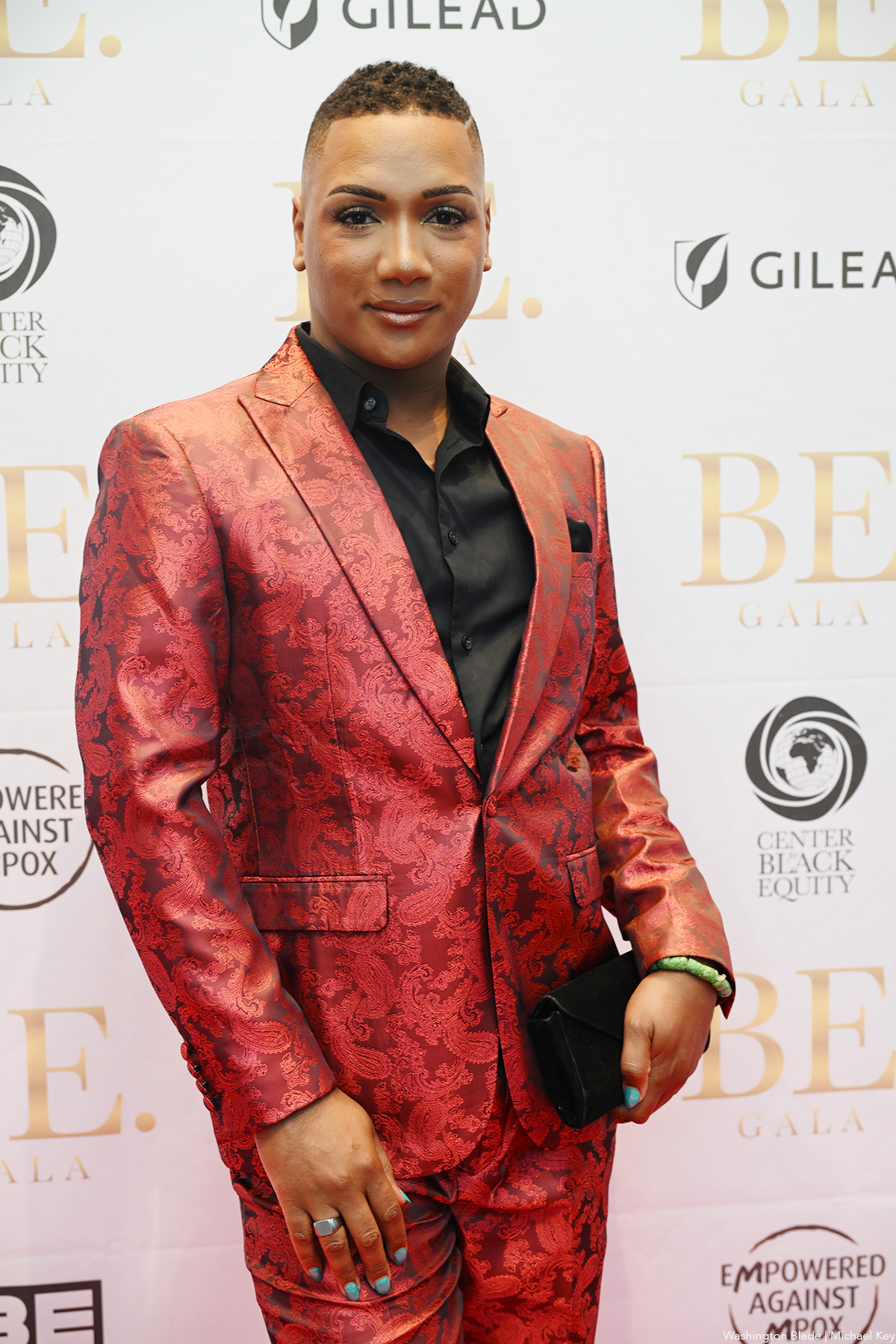
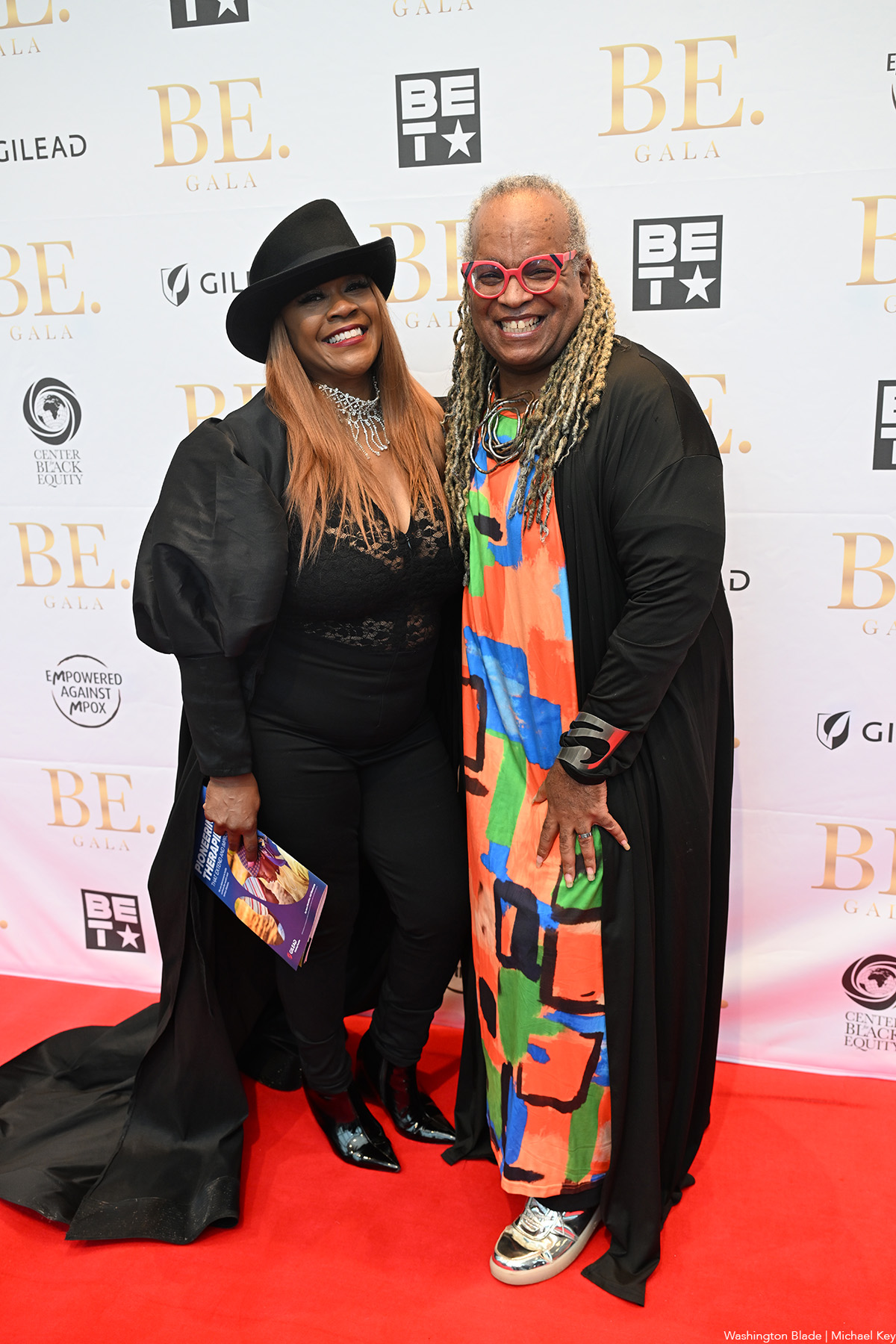
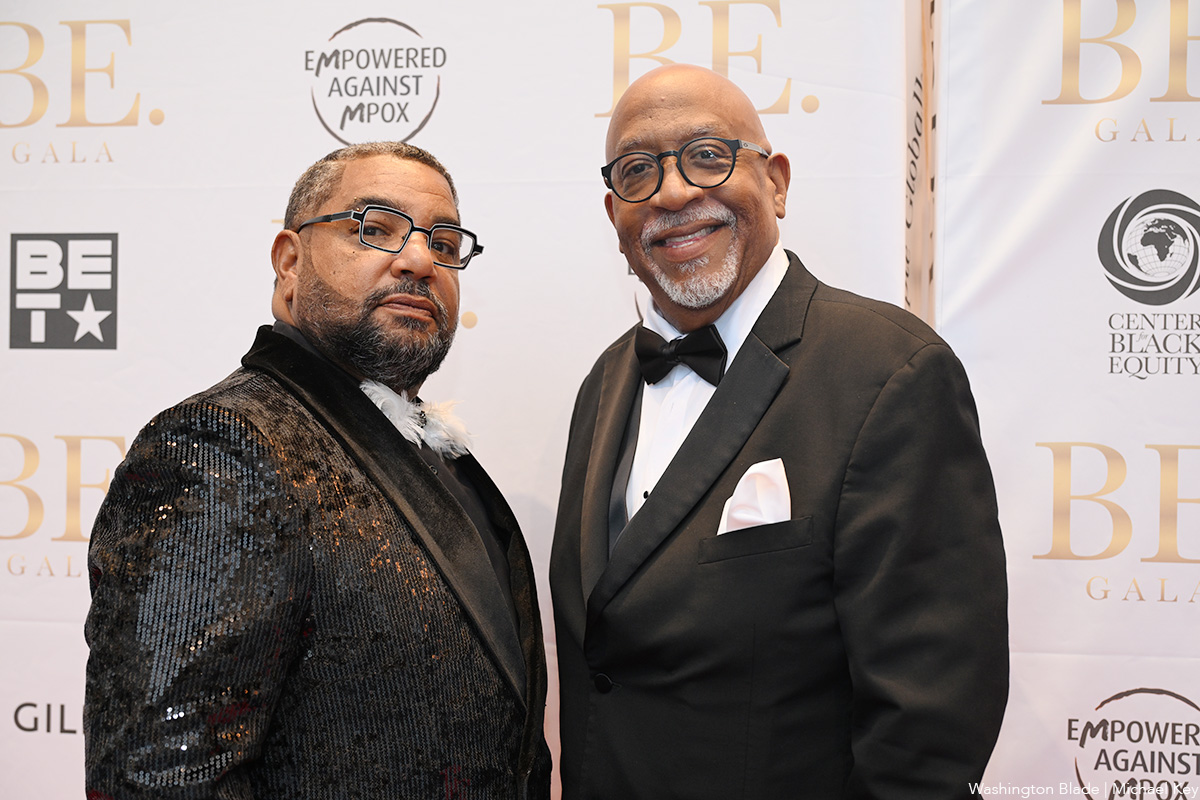
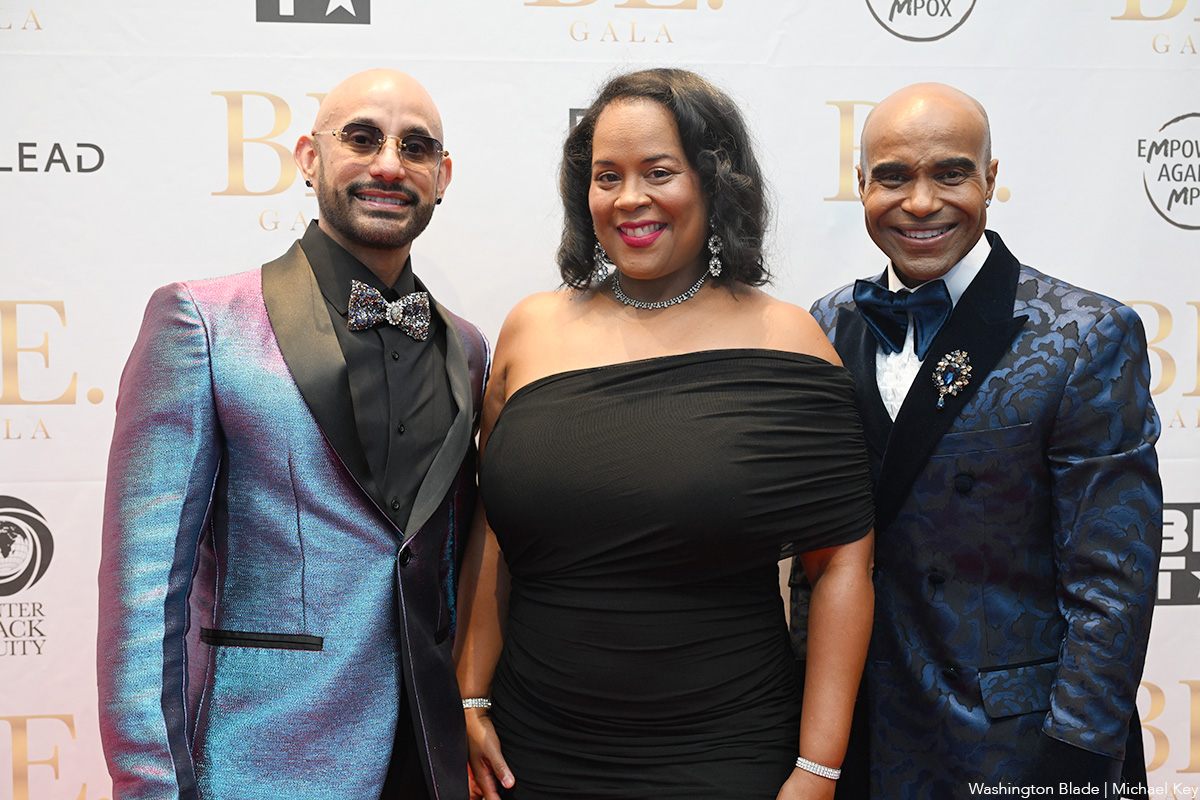
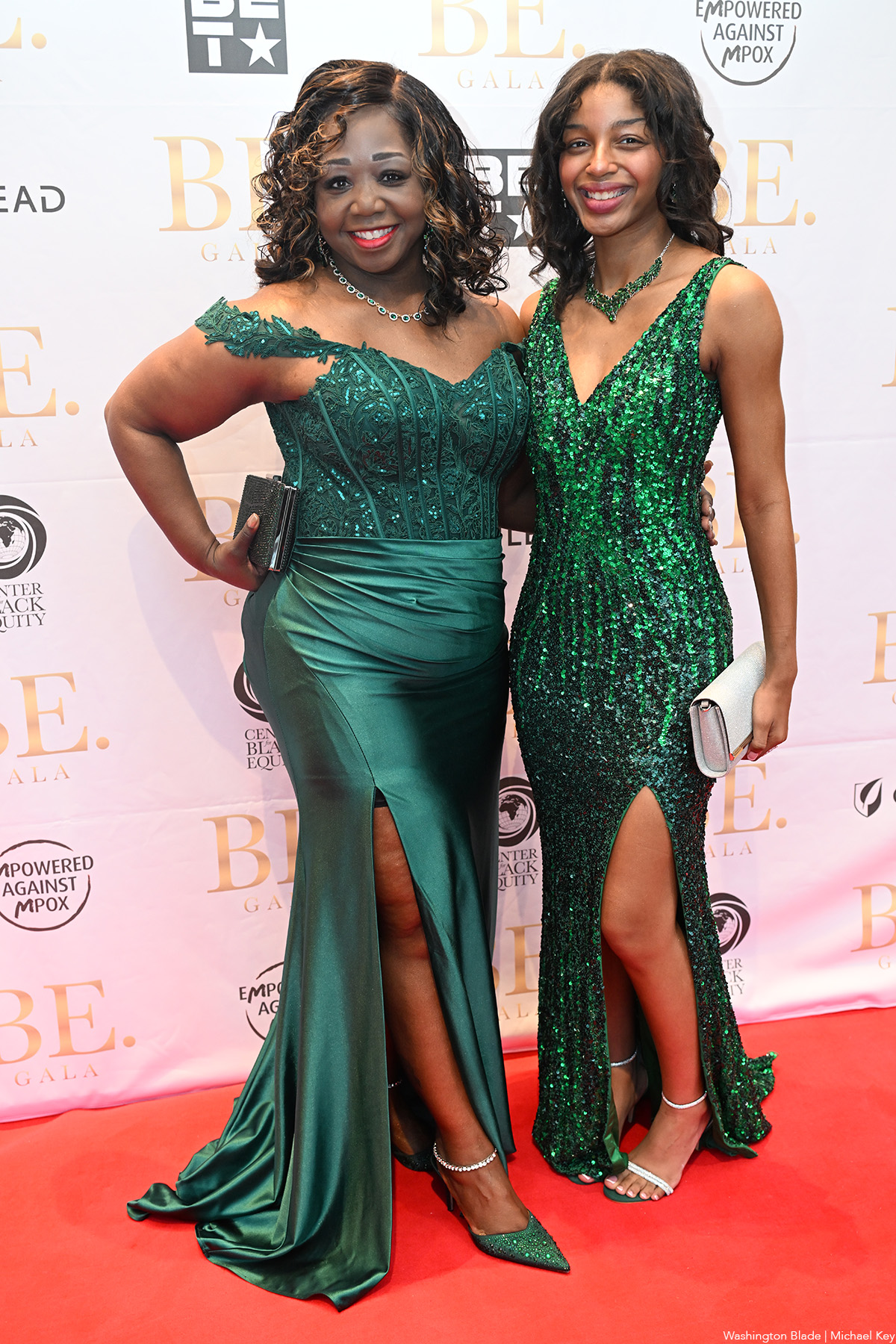
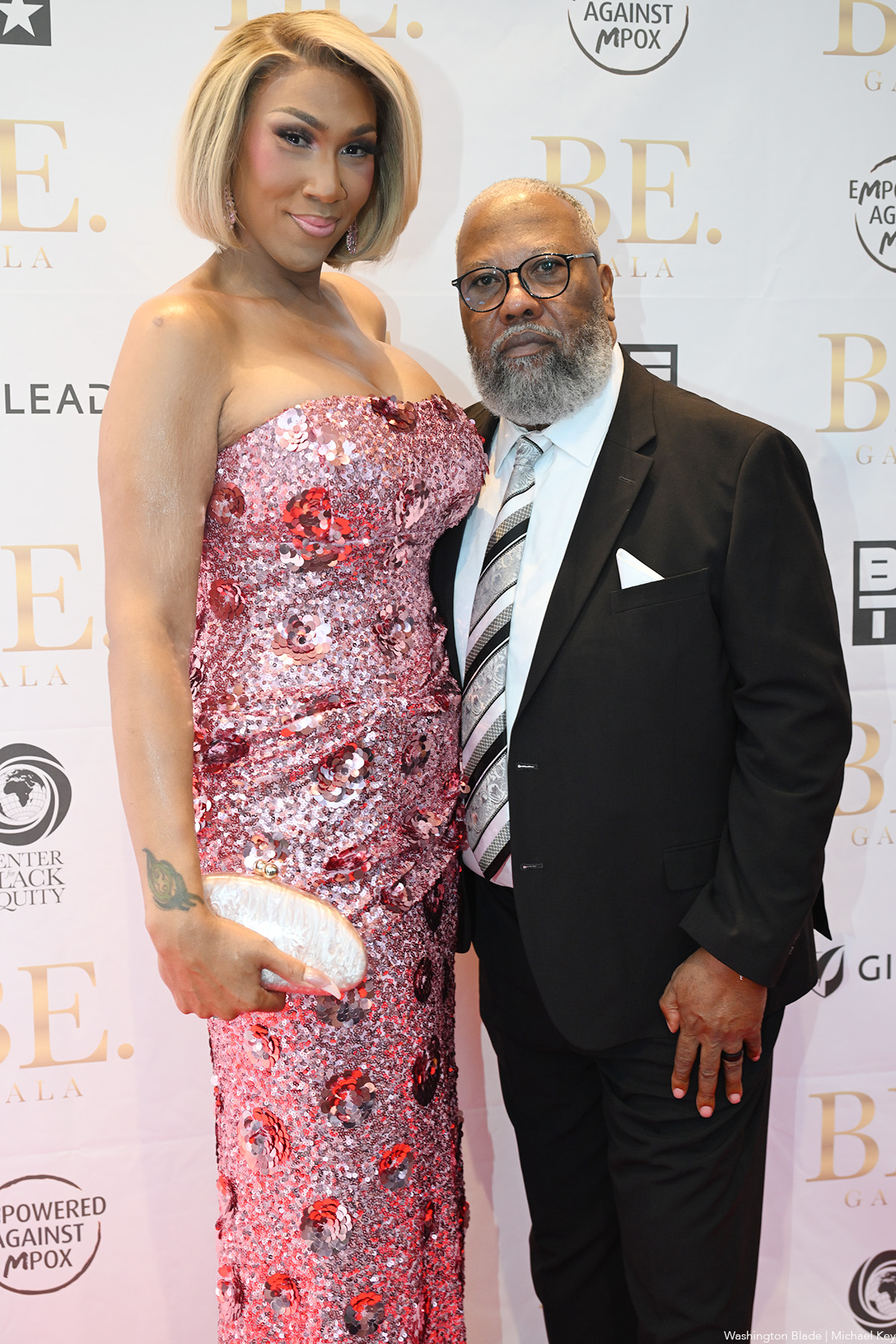
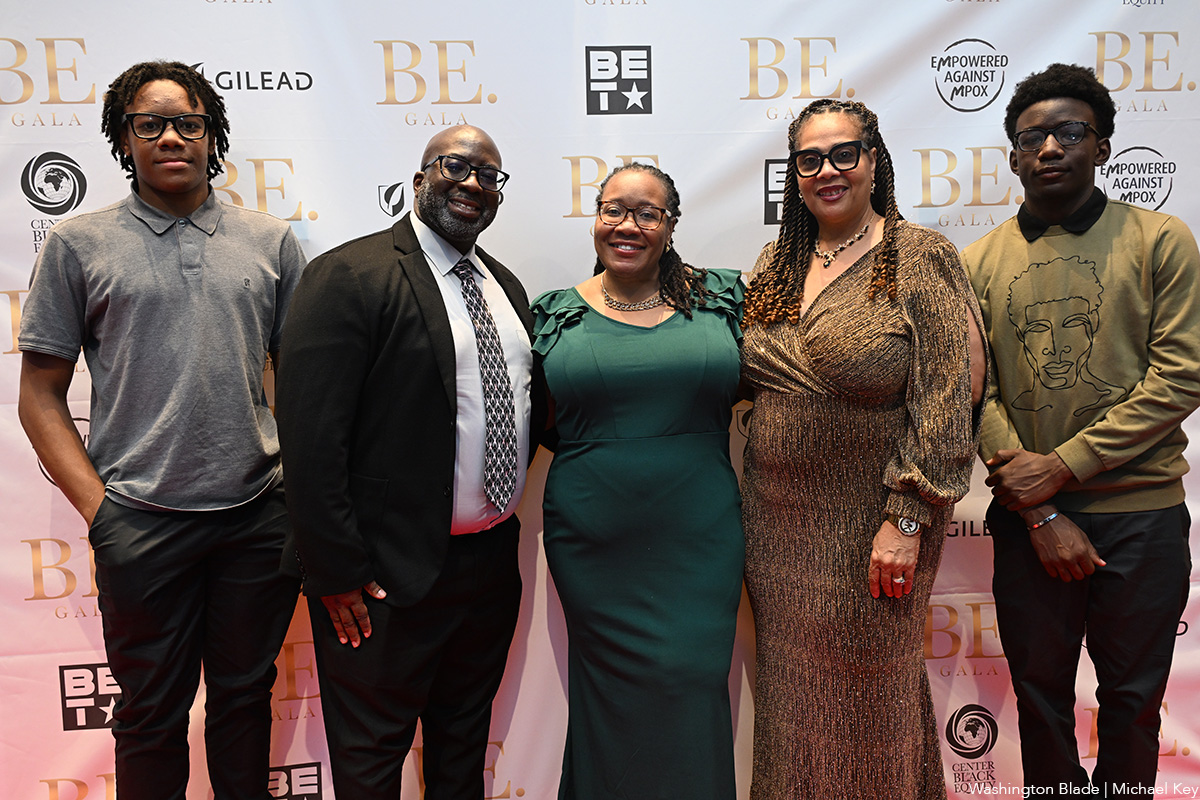
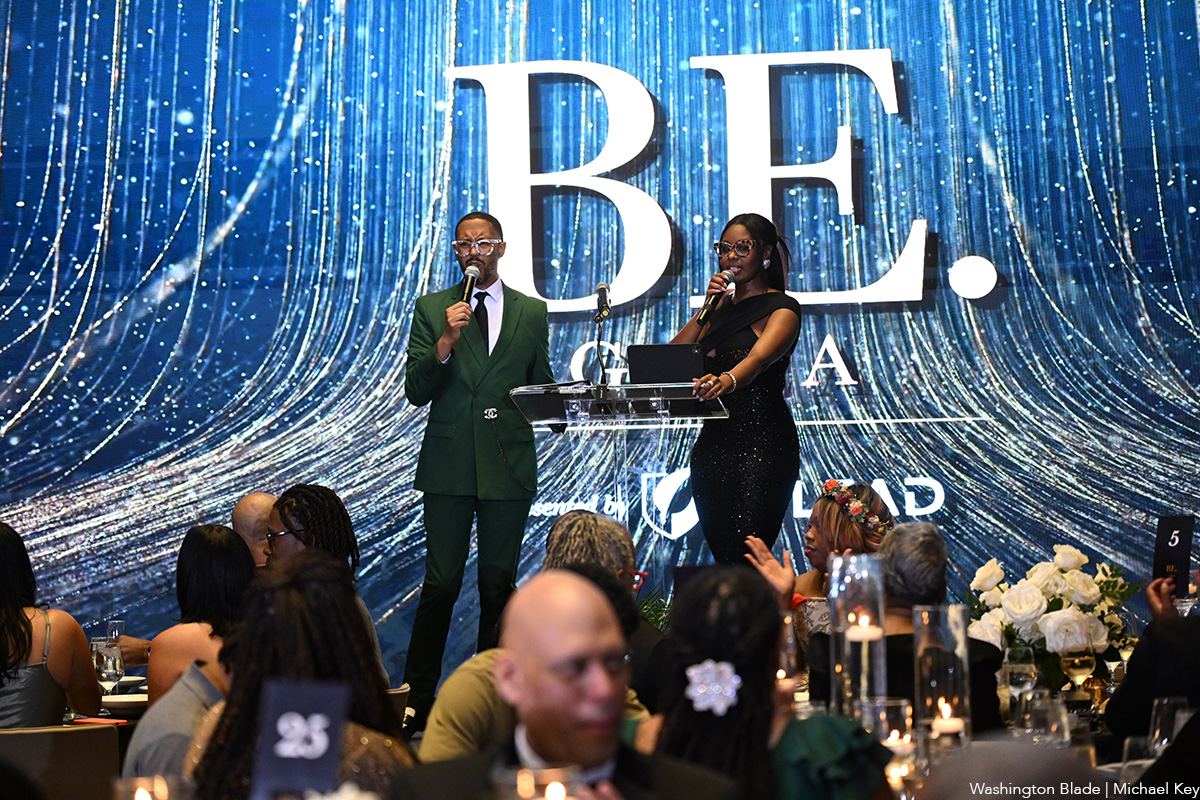
Center for Black Equity honors leaders, activists at BE. Gala
Miyake-Mugler, Oakes co-host annual awards ceremony
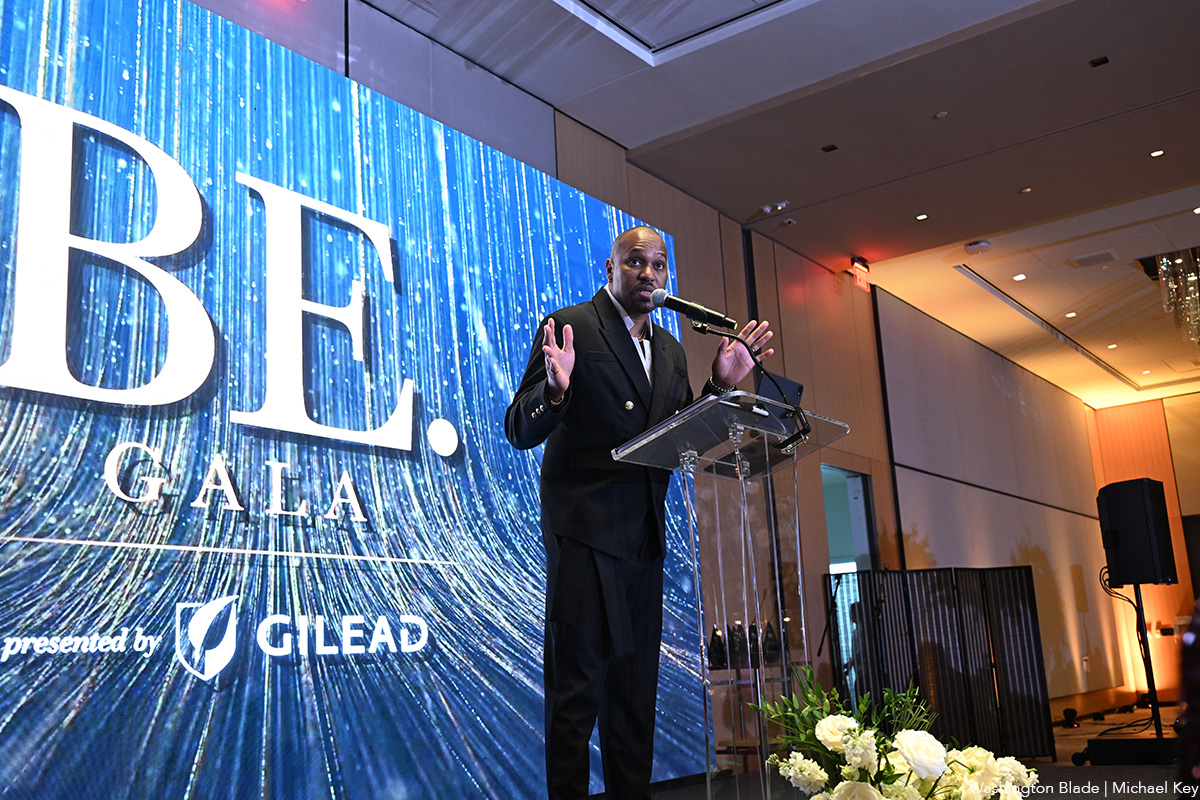
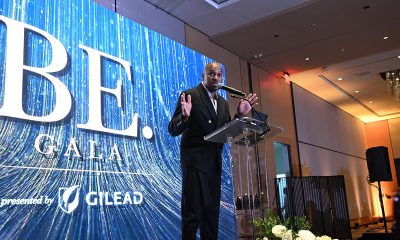
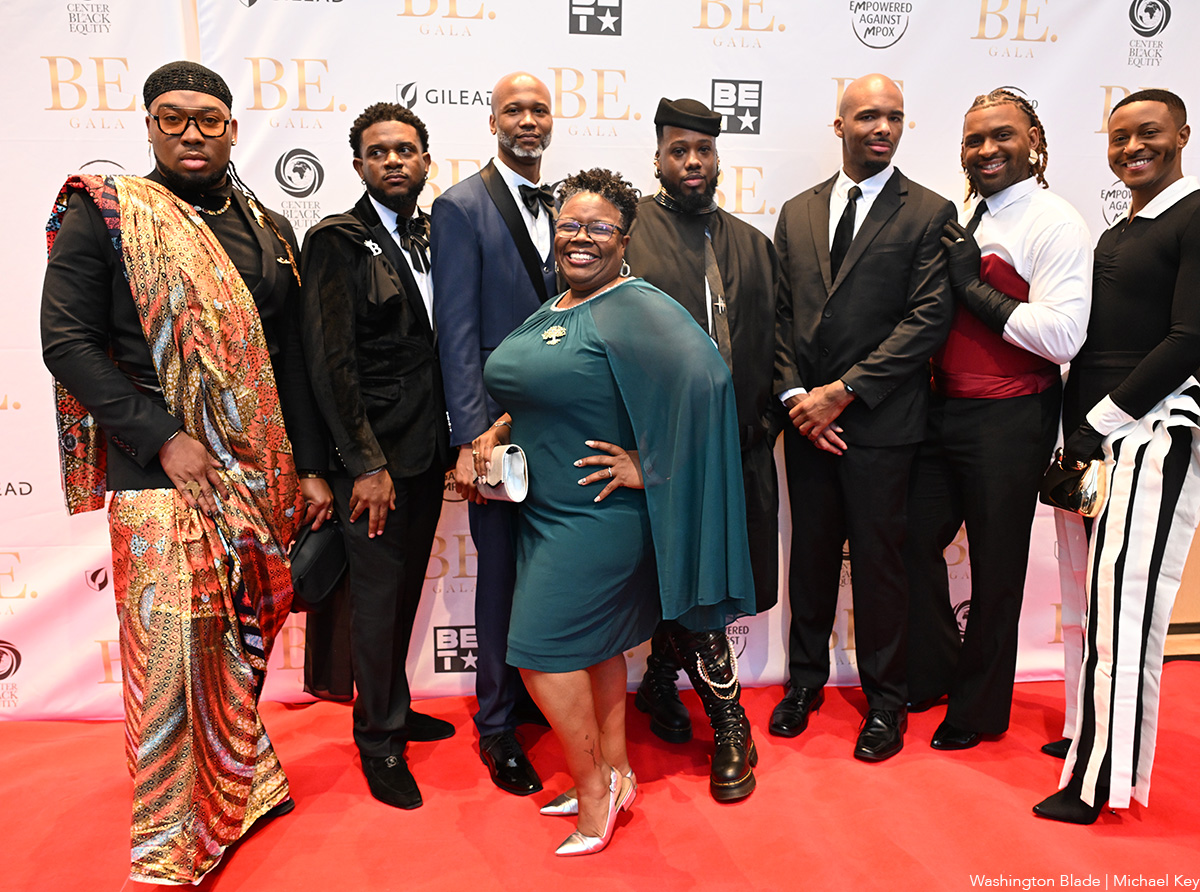
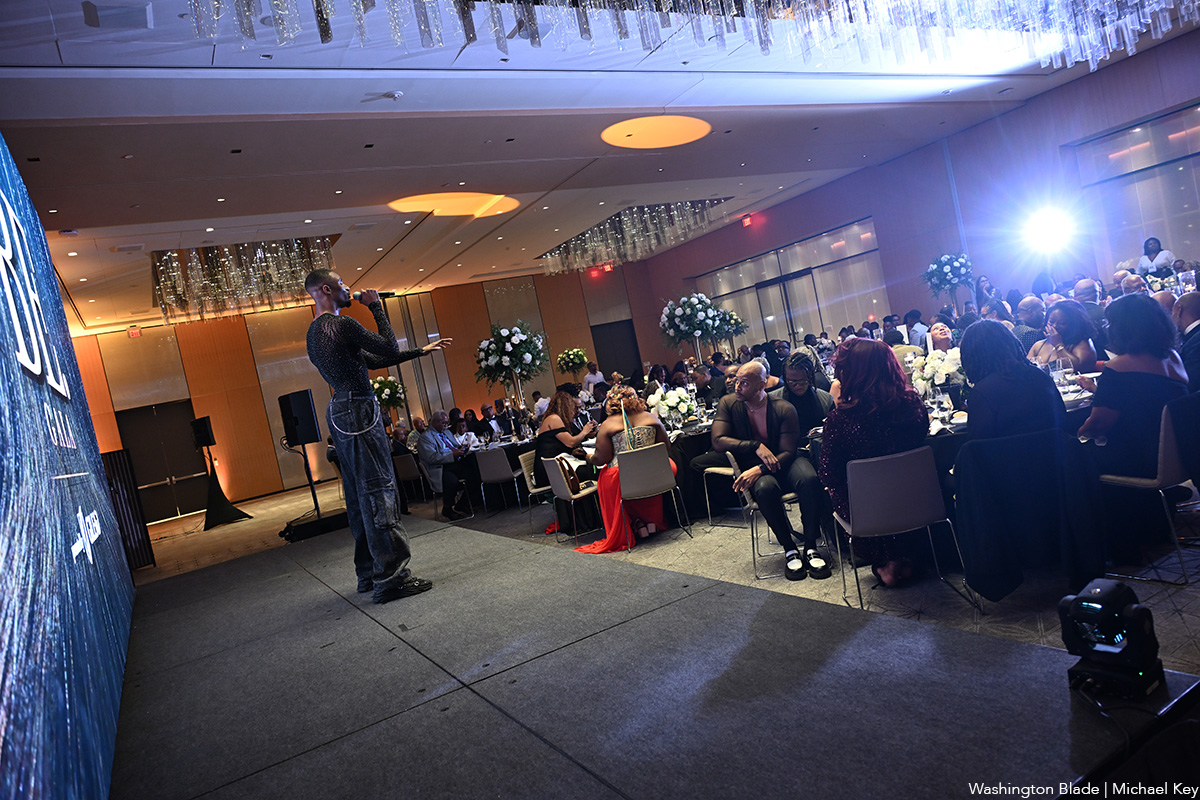
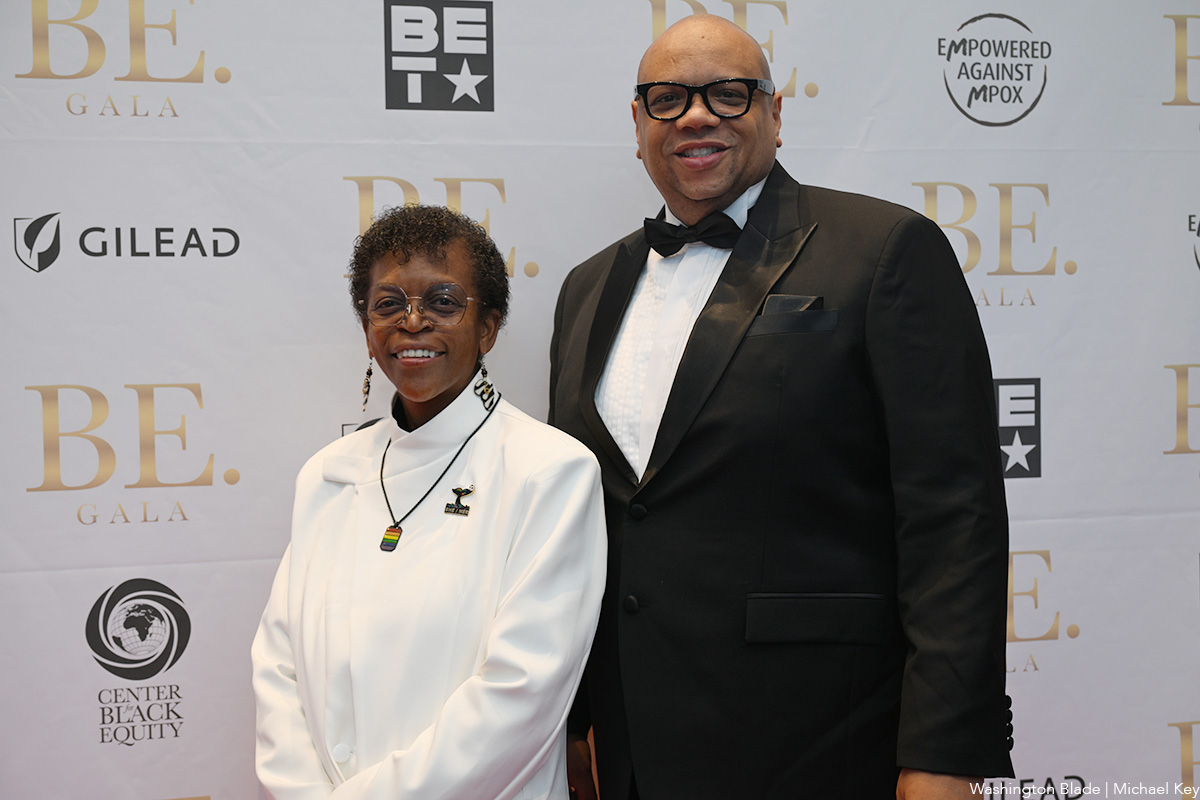
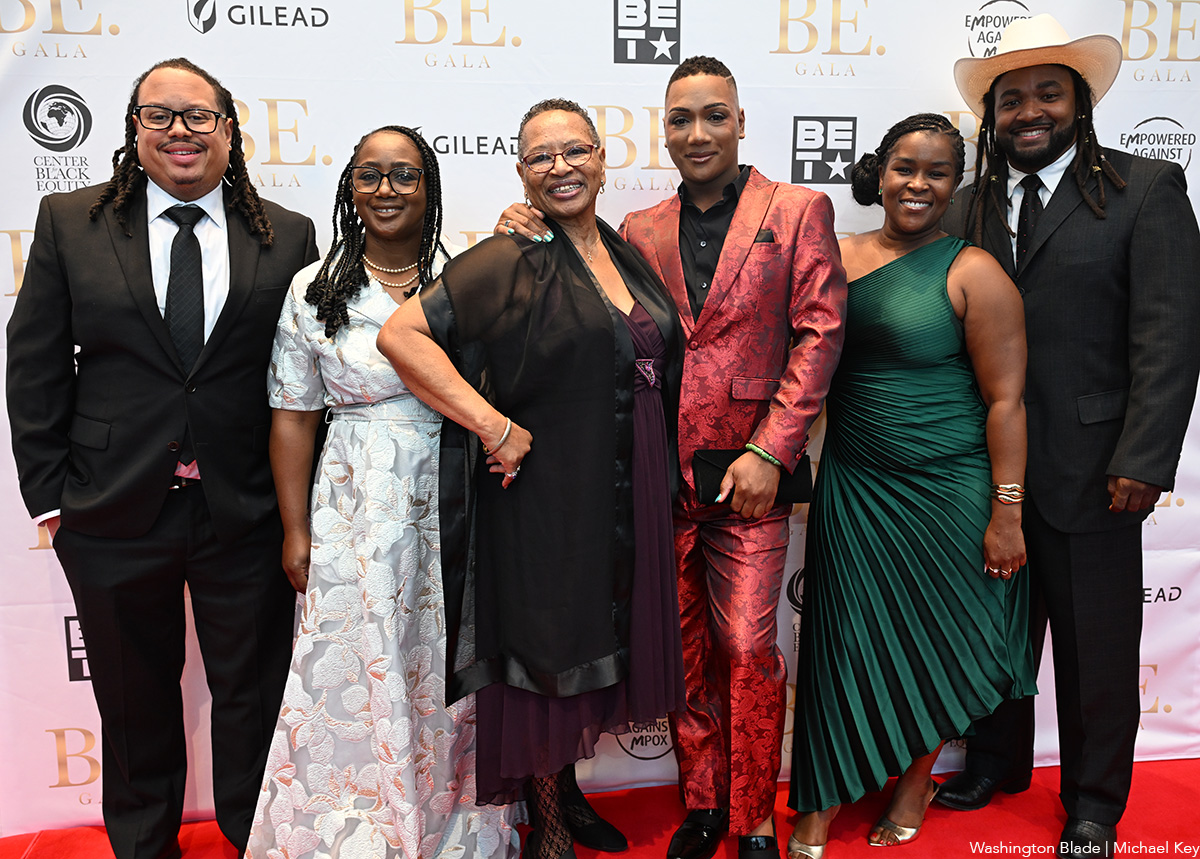
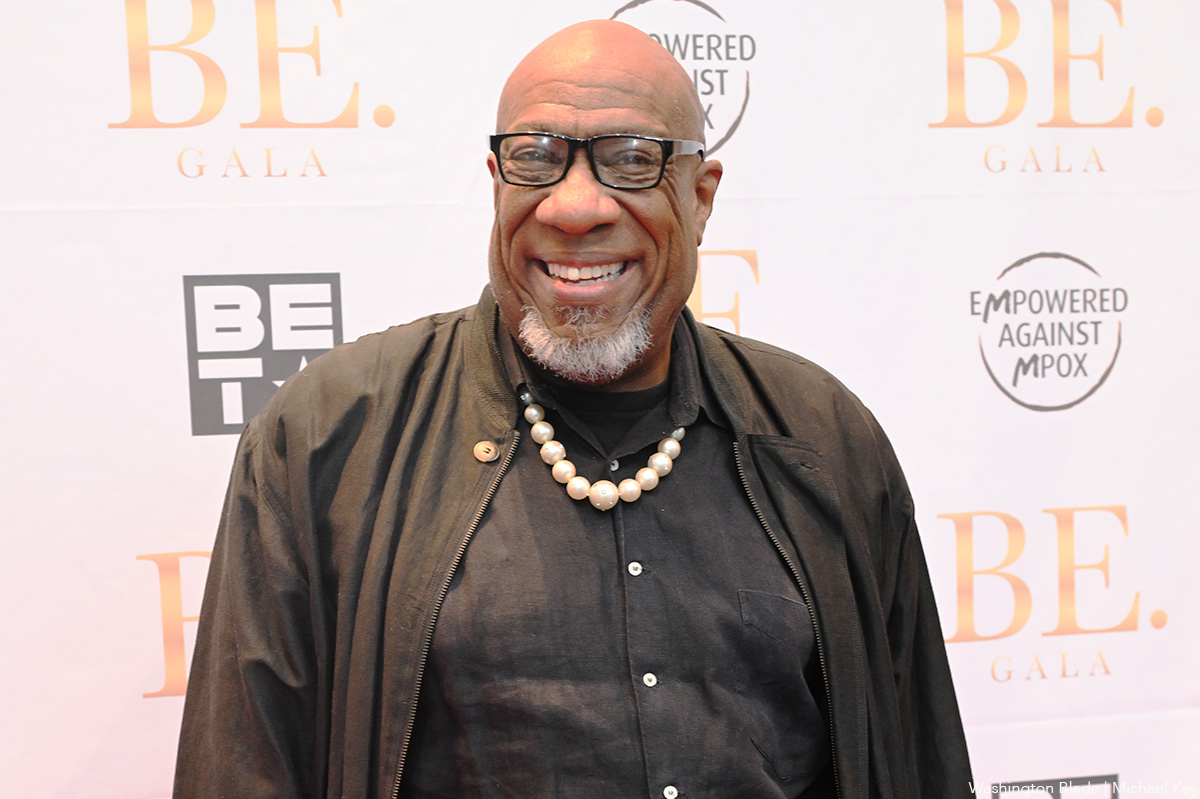
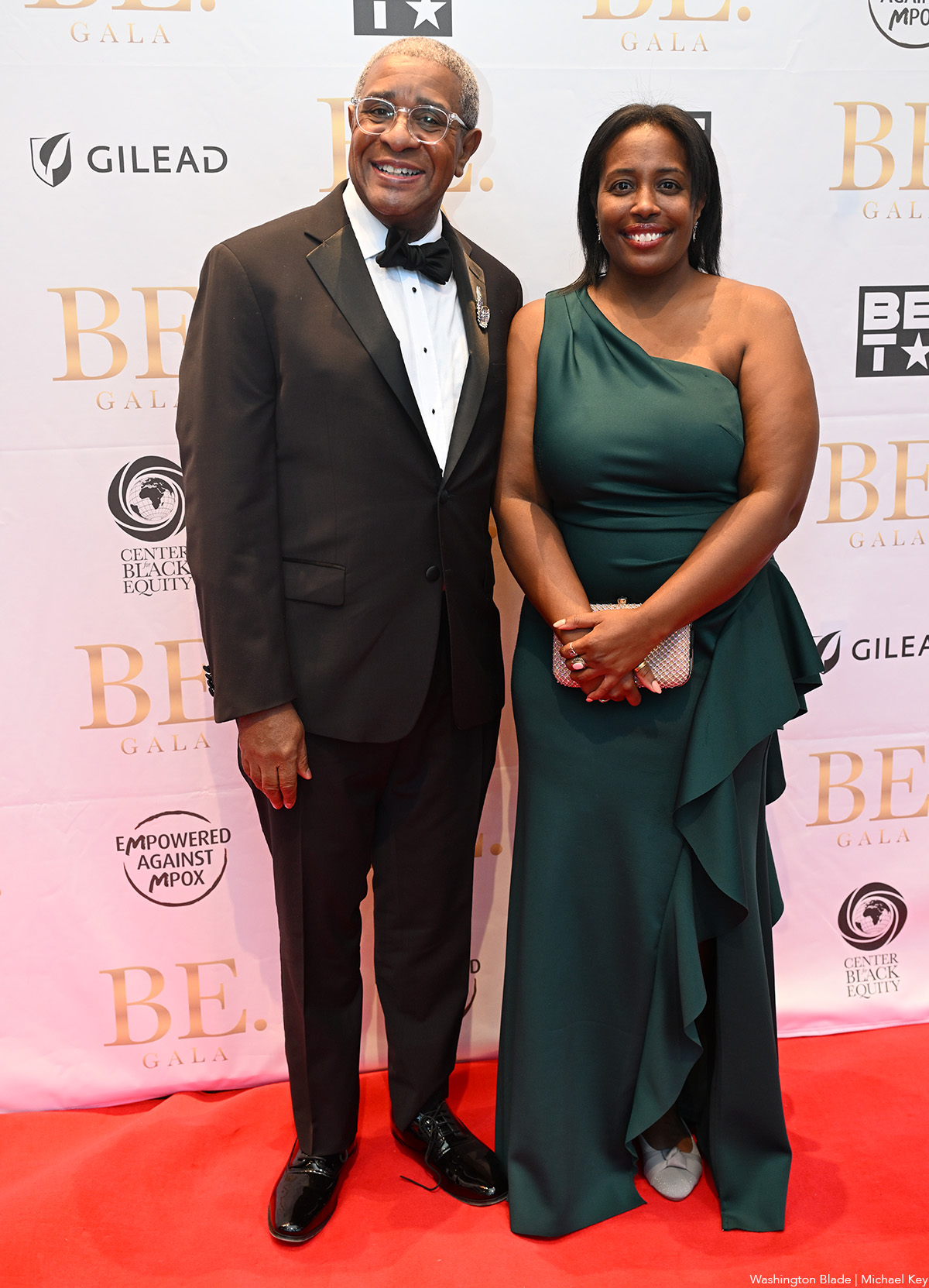
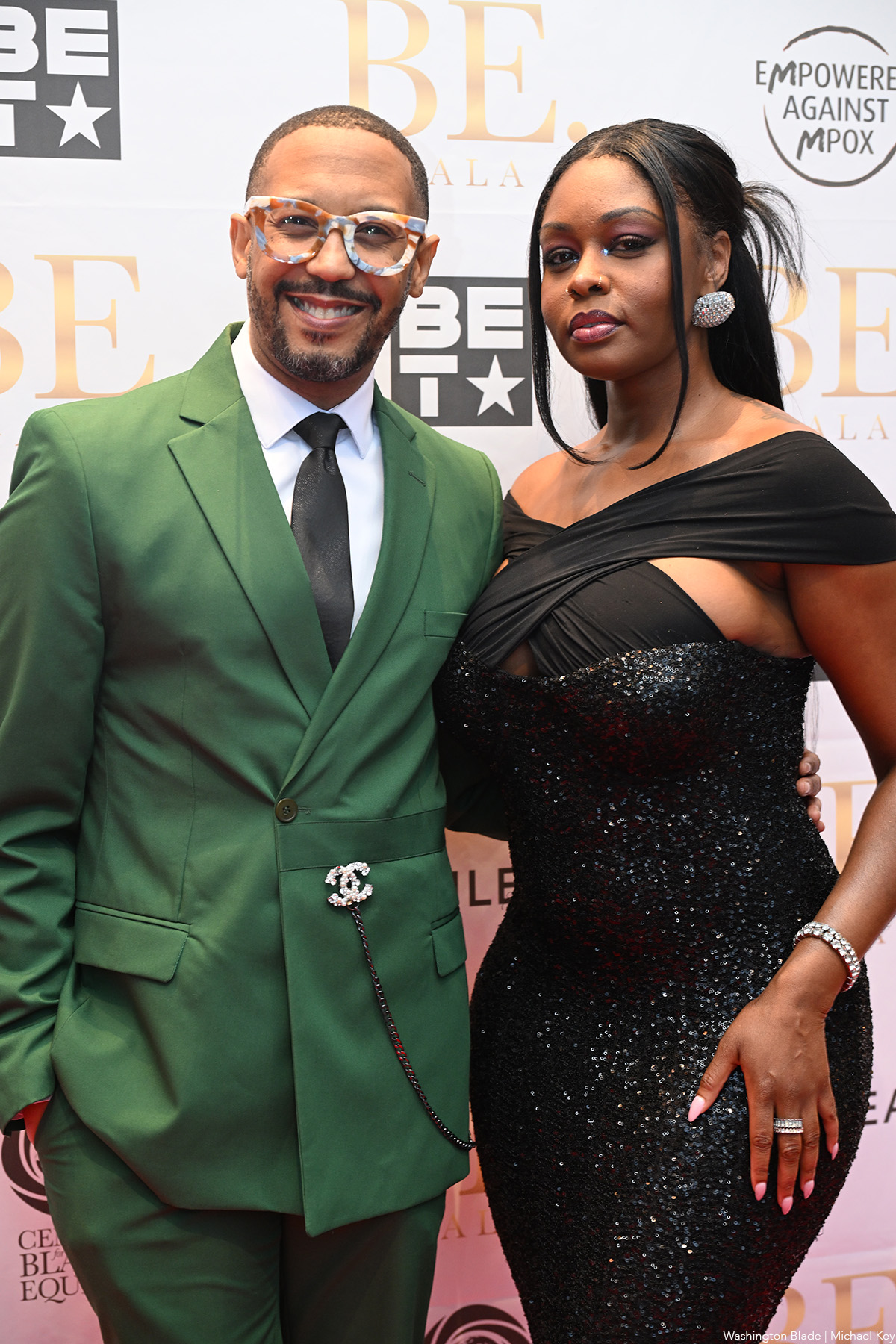
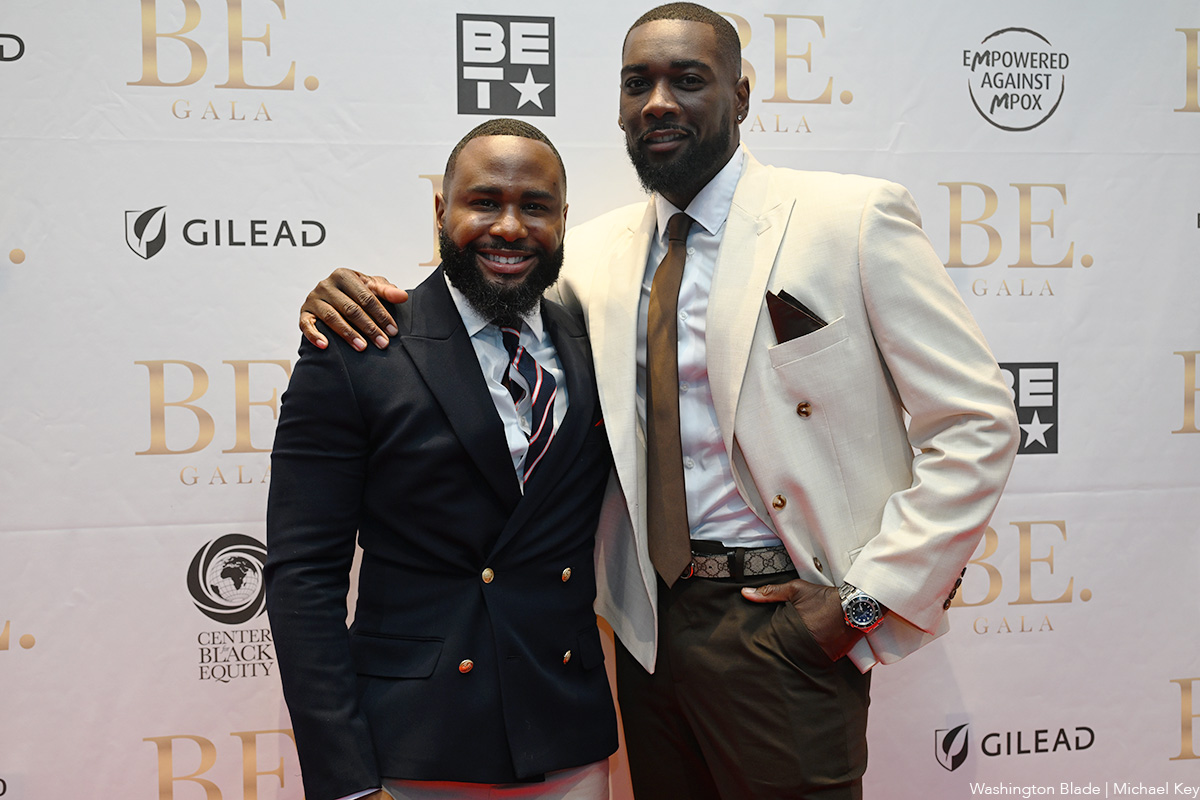
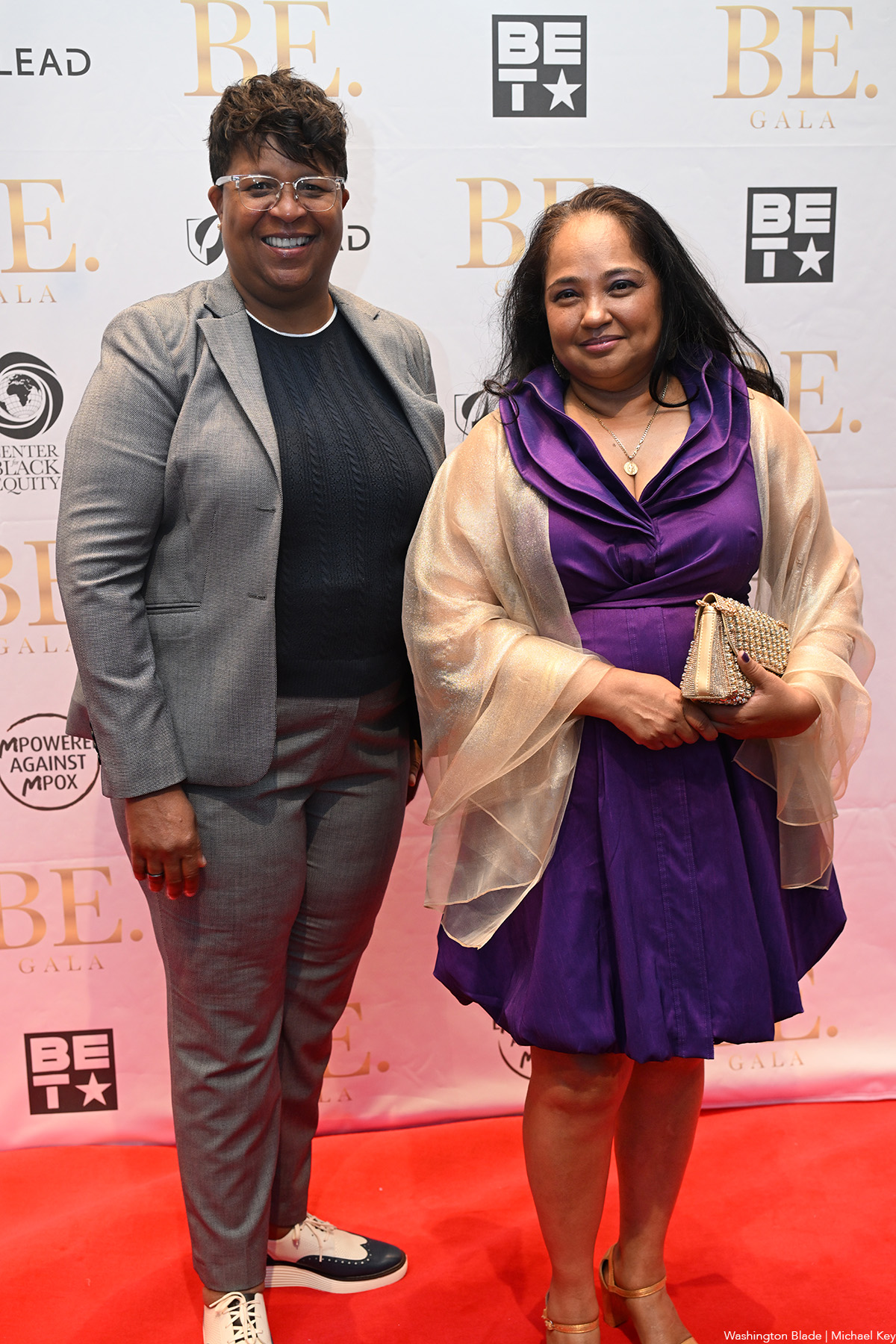
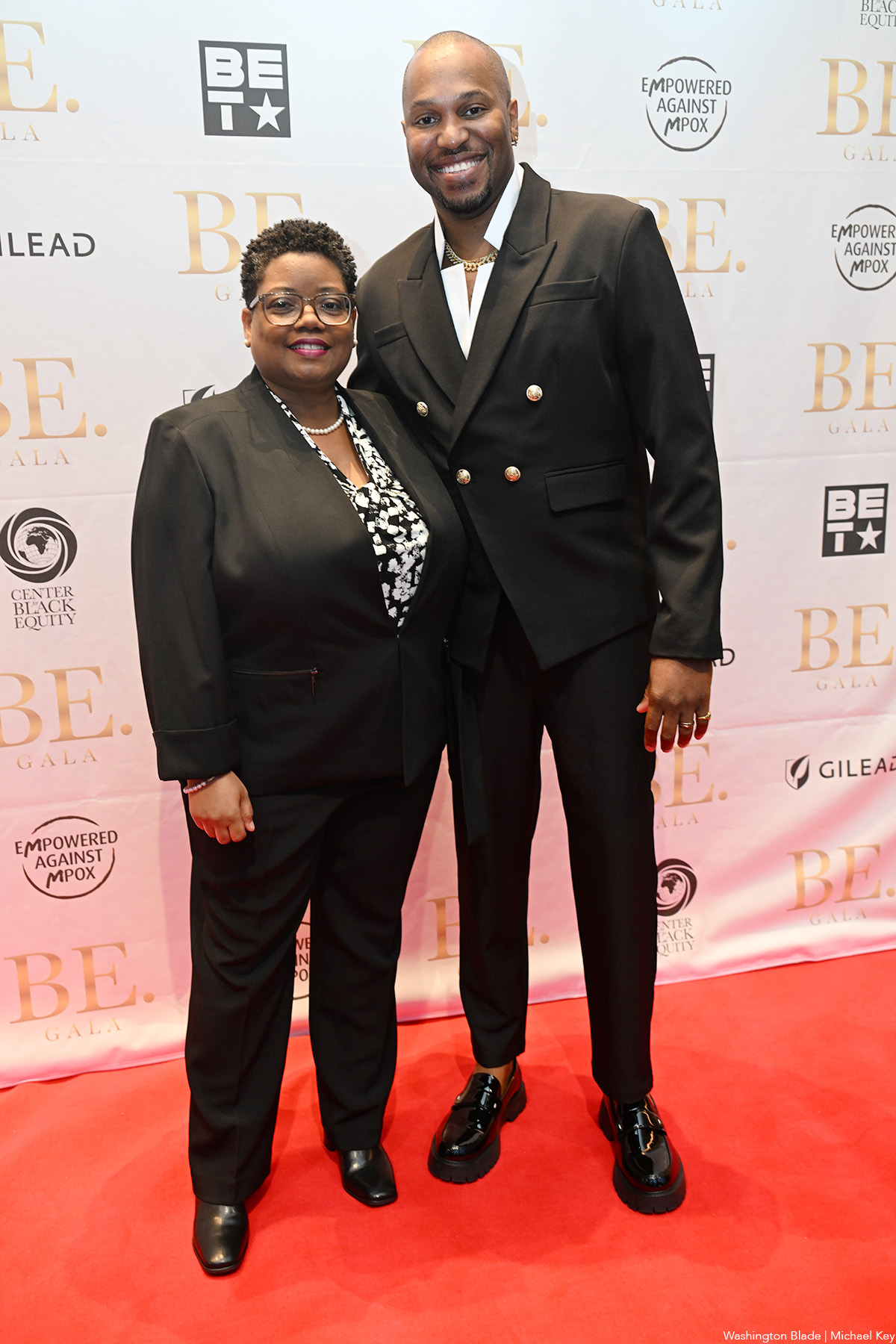
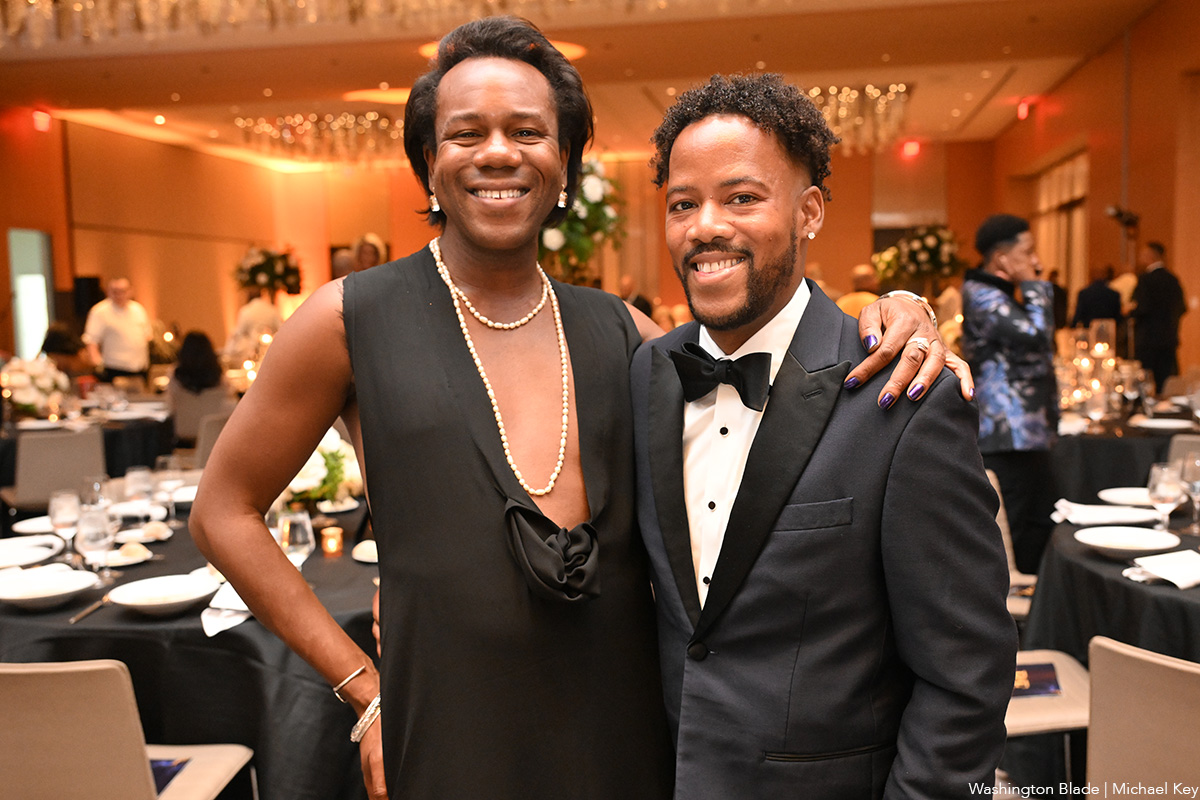
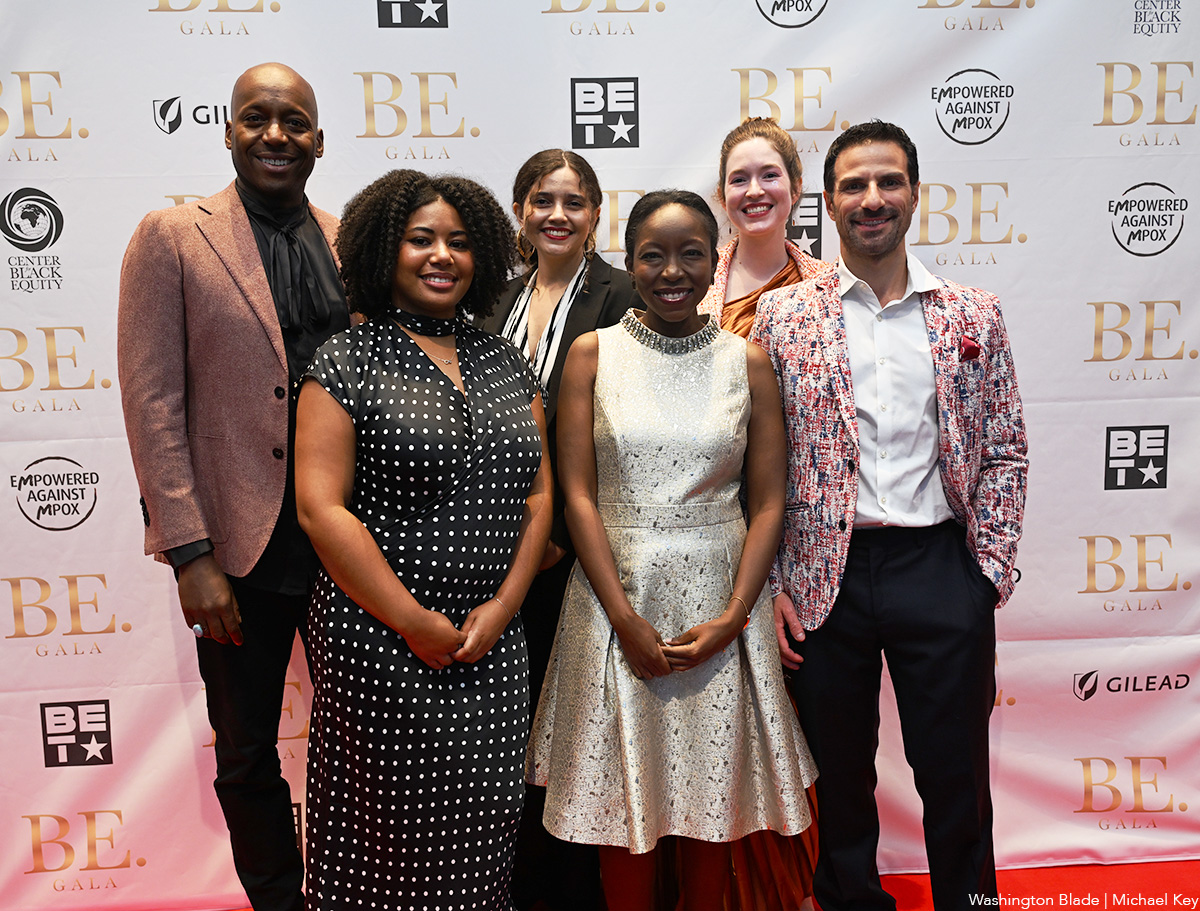
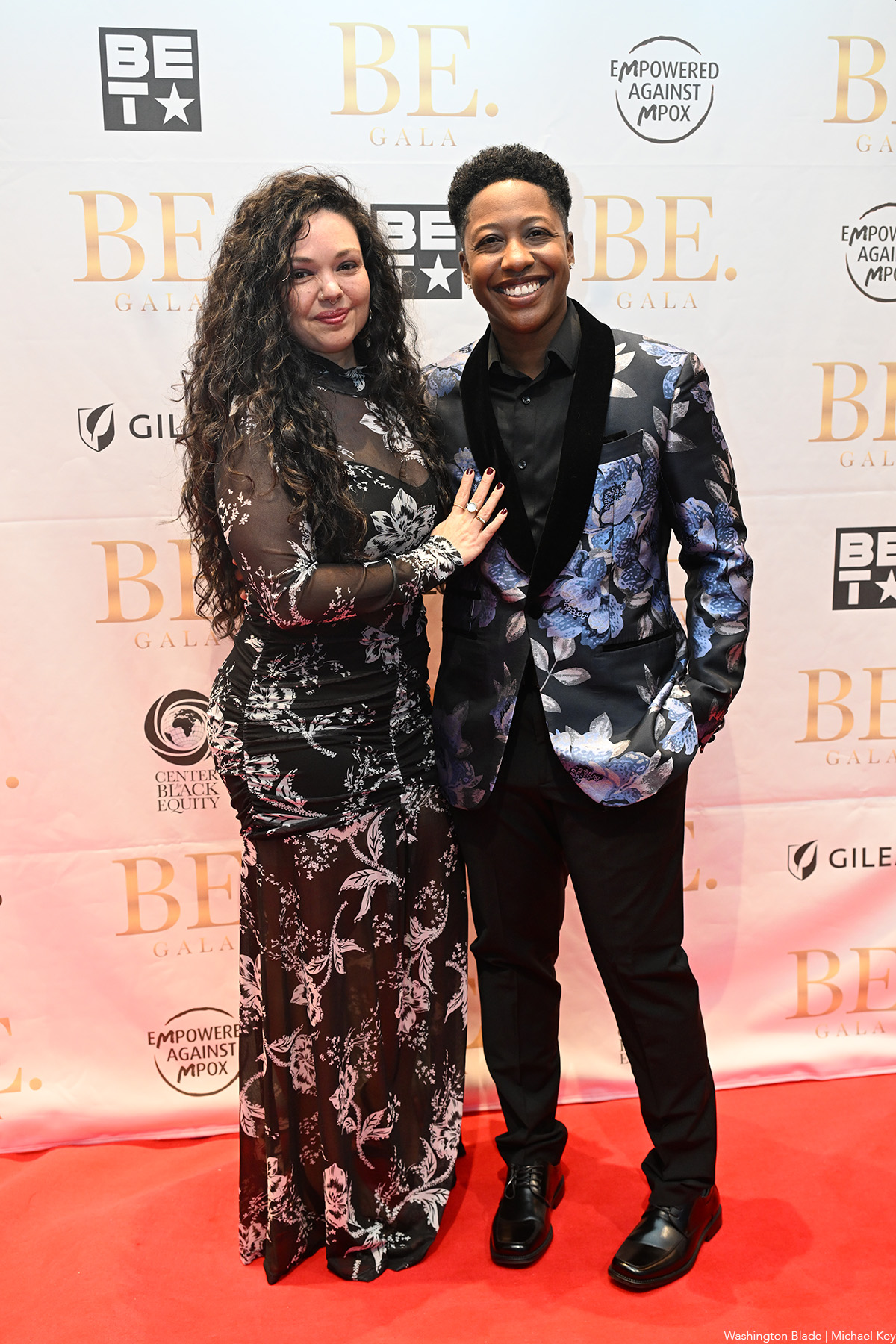
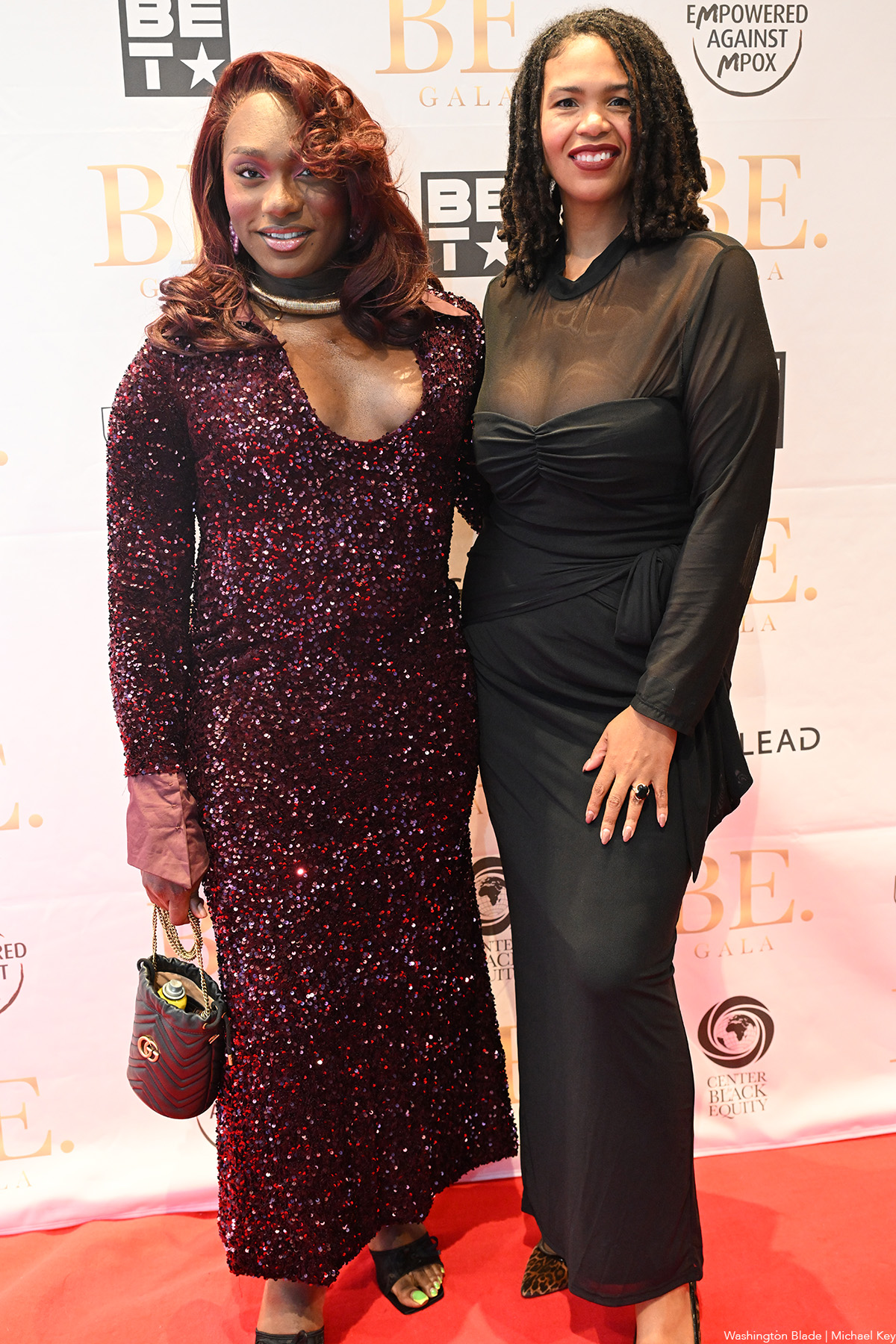
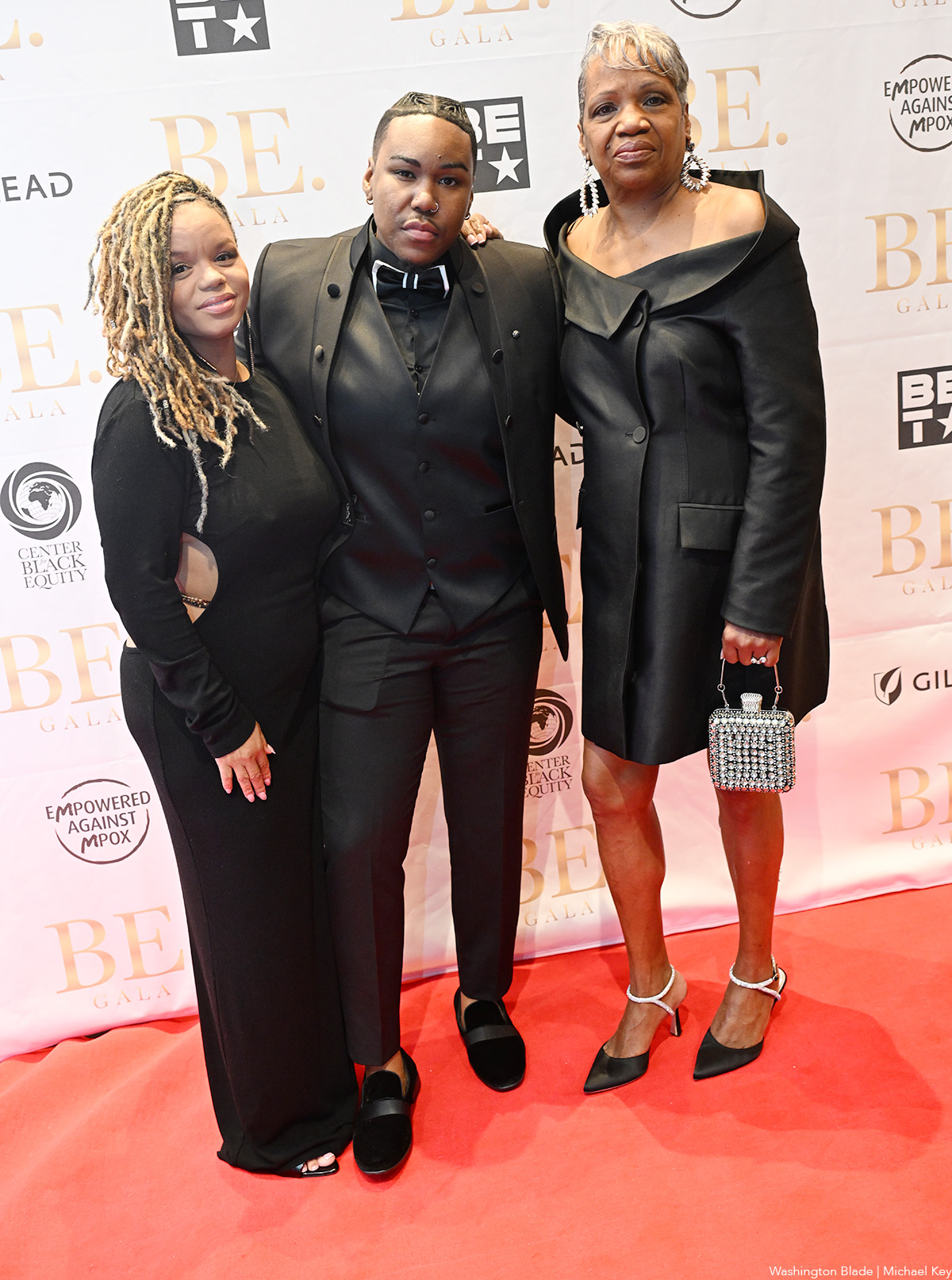
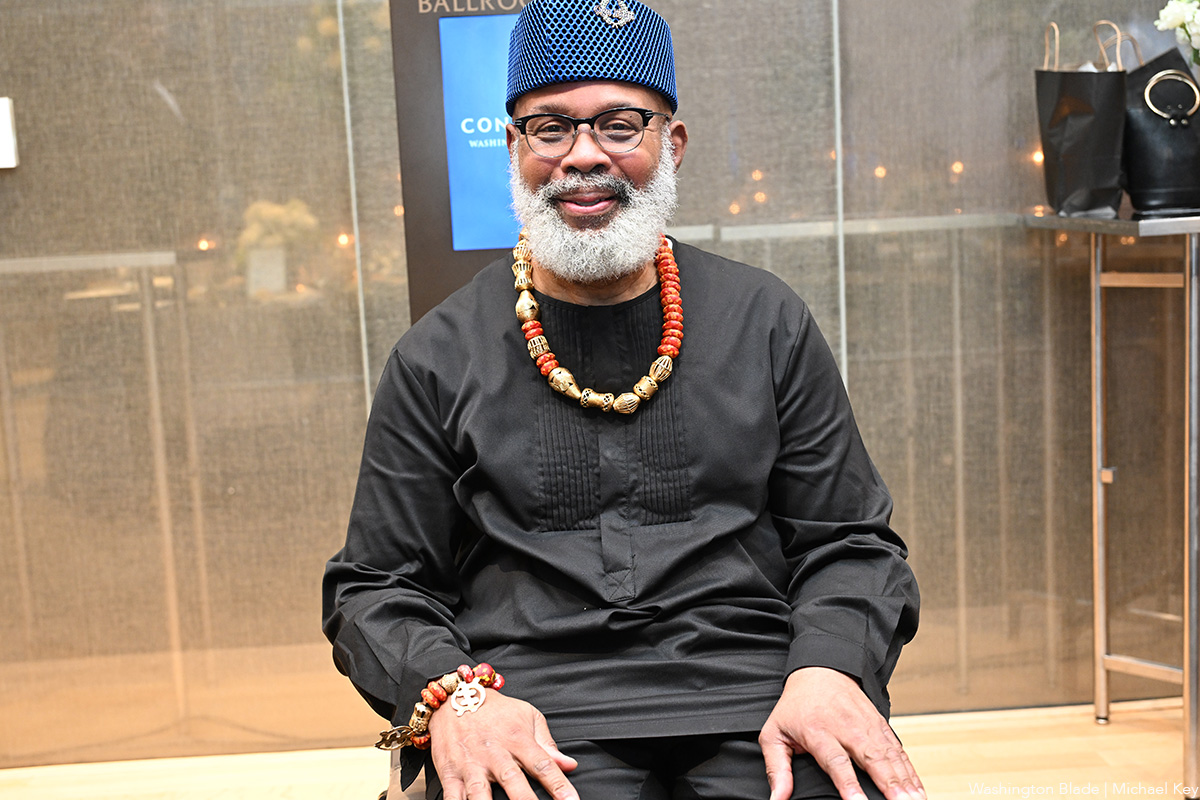
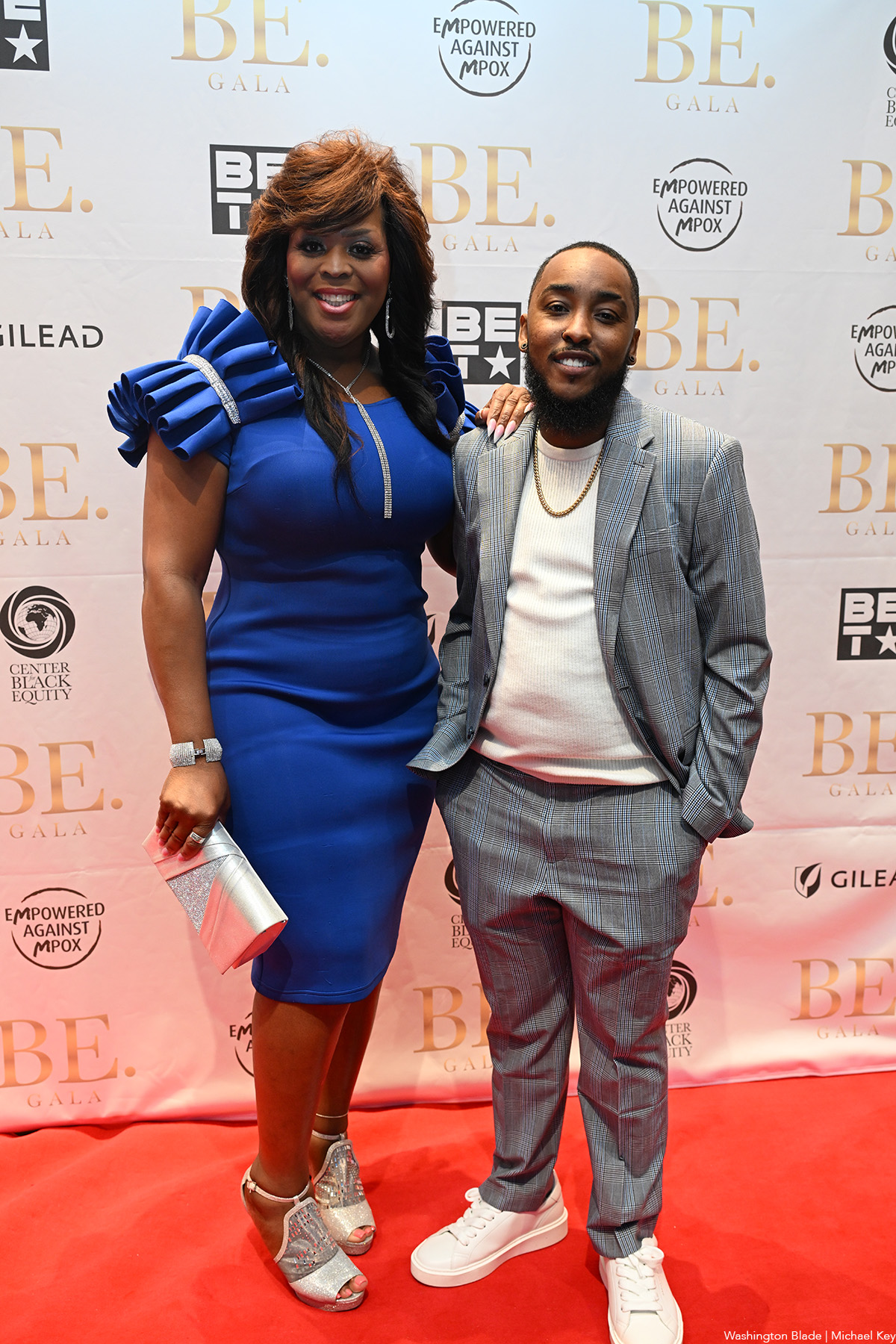
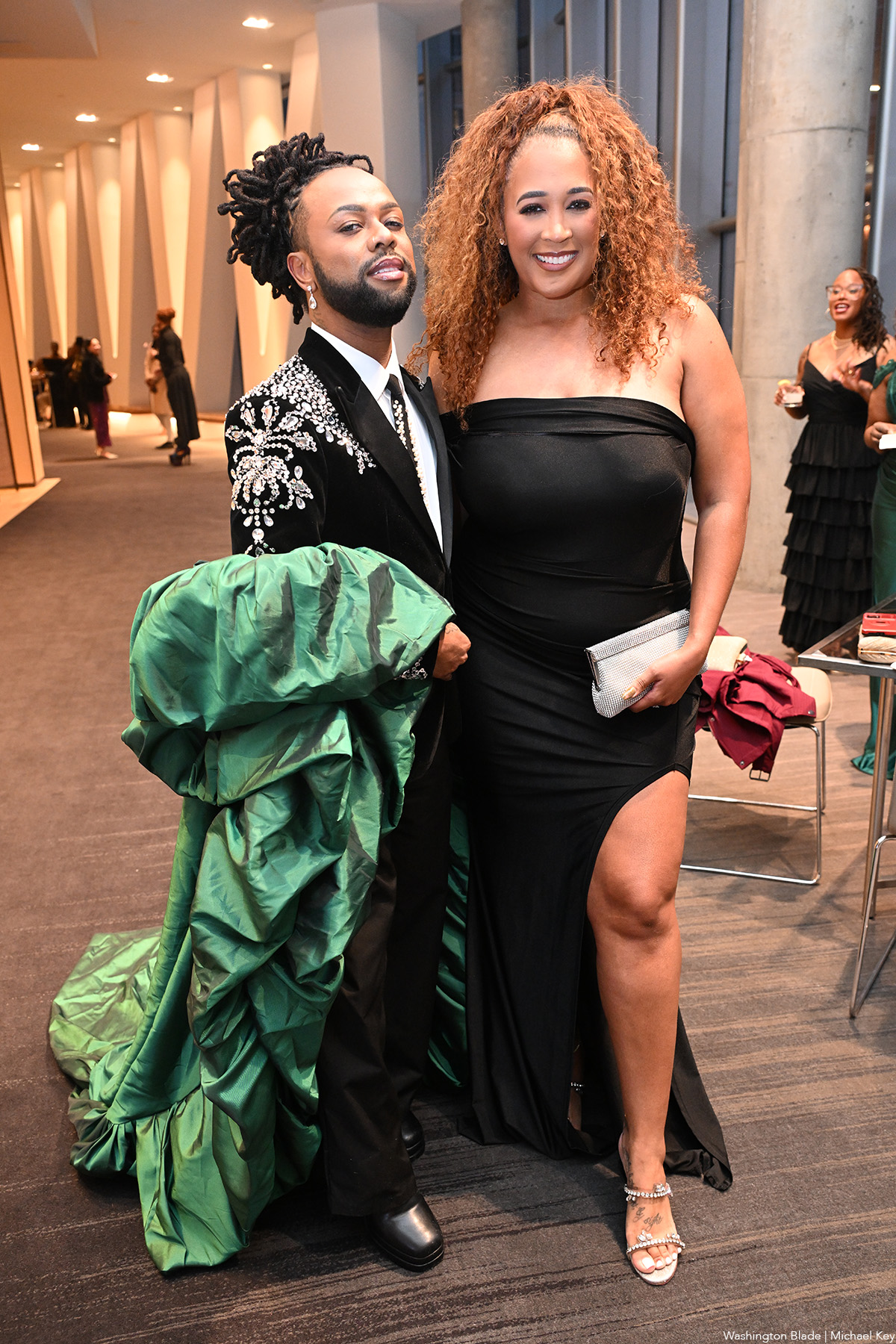
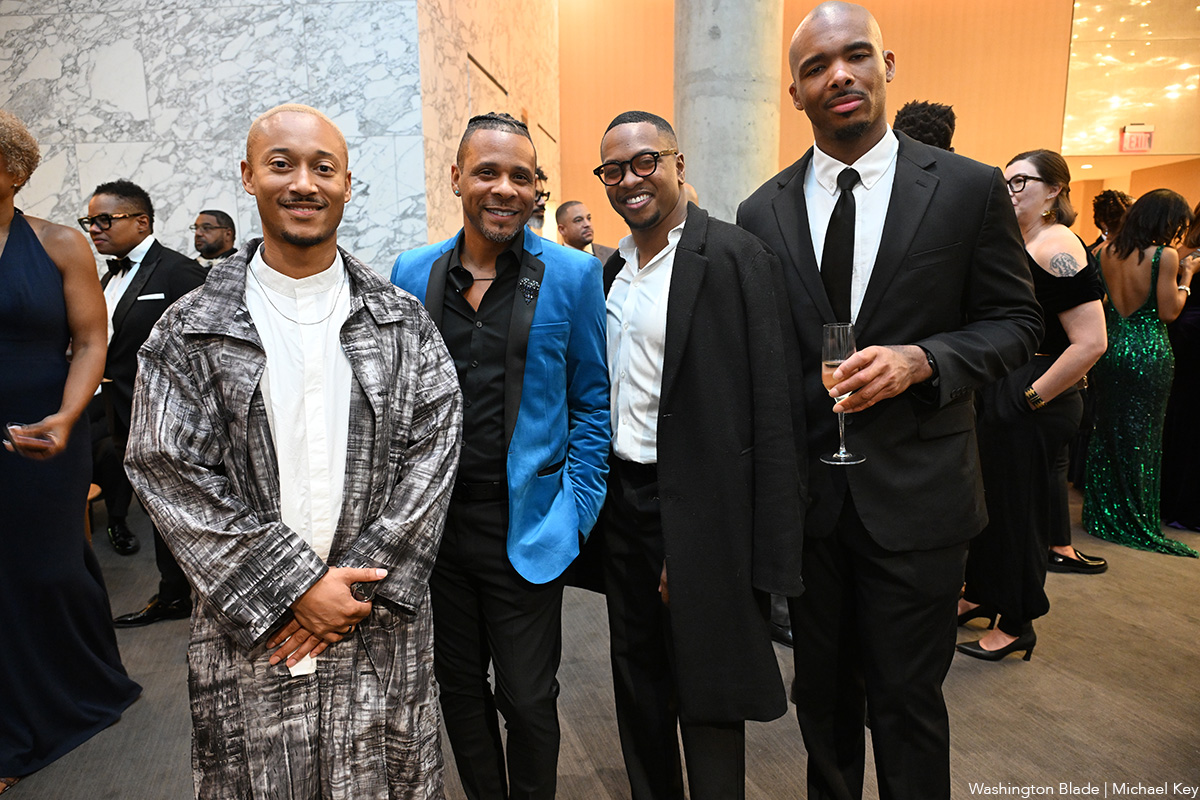
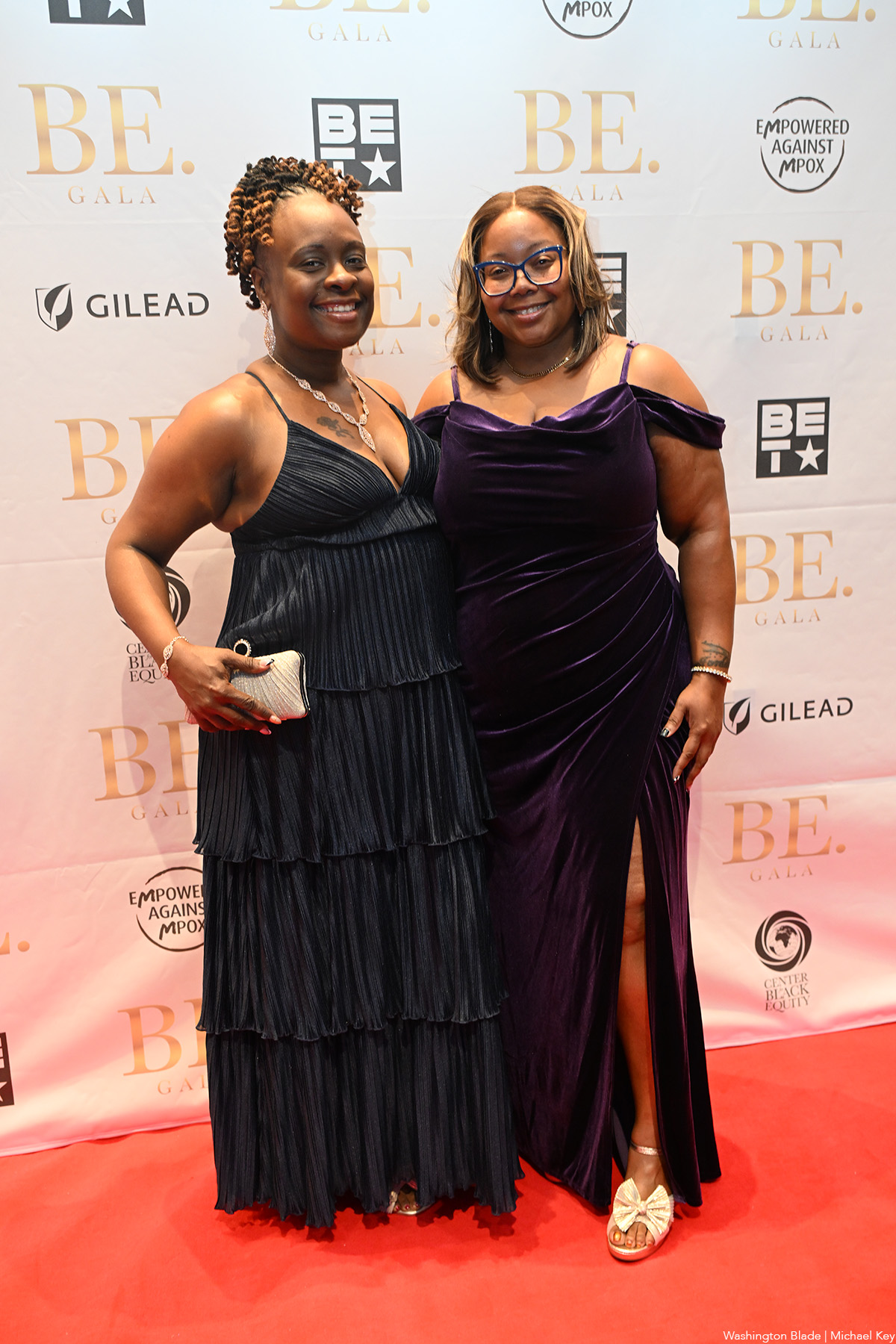
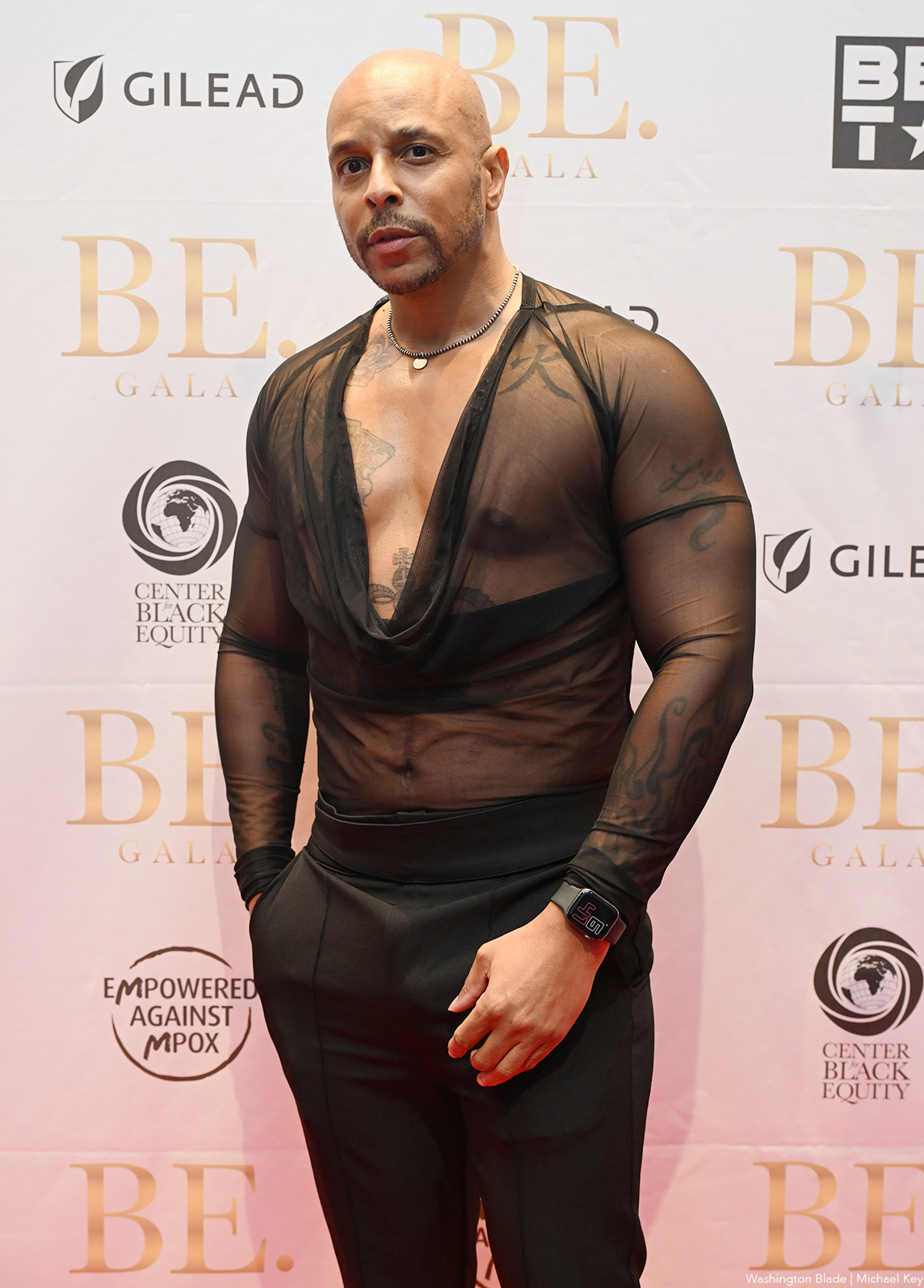
The Center for Black Equity held its annual BE. Gala at Conrad Washington, D.C. on Saturday, Oct. 5. Lolita Leopard Miyake-Mugler and Anthony Oakes co-hosted the awards ceremony.
Honorees included journalist and producer Justin Stewart; nonprofit leader Nikki Alexander; HIV advocate Marlene McNeese; the nonprofit organization FreeLux Project; actress Monroe Alise; public health advocate Tori Cooper; Manassas Park Vice Mayor Darryl G. Moore; Rev. Dr. Carmarion D. Anderson; Bishop Steven Sawyer; government relations professional Courtney Snowden; Senior Deputy Director of HAHSTA at D.C. Health, Clover Barnes; and Texas state Rep. Venton C. Jones.
The event was presented by Gilead.
(Washington Blade photos by Michael Key)

PHOTOS: Miss Gay Maryland America

Ahead of the midterms, Meta has paid at least 29 anti-LGBTQ accounts for their posts

Acclaimed U.S. Justice Dept. attorney William Corcoran dies at 83

JD Vance suggests James Talarico is gay during Texas rally

Hungarian lawmakers approve bill to remove anti-LGBTQ provisions from ‘child protection’ law

Physician: addiction doesn’t always look the way you think it does

Solidarity beyond the parade: the actual cost of Pride

Center for Black Equity honors leaders, activists at BE. Gala

Essential queer horror classics for Halloween

In ‘The Lost Brontë,’ a complicated lie can lead to danger
-

 District of Columbia5 days ago
Physician: addiction doesn’t always look the way you think it does
-
Opinions4 days ago
Solidarity beyond the parade: the actual cost of Pride
-
Photos3 days ago
Center for Black Equity honors leaders, activists at BE. Gala
-
Movies4 days ago
Essential queer horror classics for Halloween