Opinions
Life beyond marriage equality
Where the GOP and LGBT community have common ground
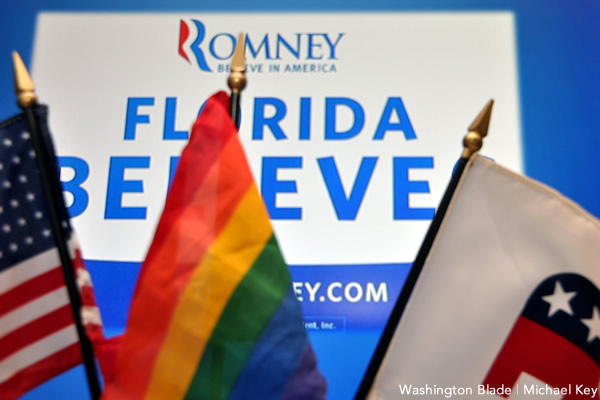
We gay Republicans are here, to the chagrin of the gay left, and annoyance of the Republican radical right. (Washington Blade file photo by Michael Key)
There are people both in the Republican Party and in the gay community who strongly believe that gays do not belong in the Grand Old Party.
To my brothers and sisters in the gay community, while the Democratic Party has been much better on equality, when you step away from that string of issues, there is a wealth of policy positions where there is room for discussion and differing opinion.
As Urvashi Vaid says in her book, “Irresistible Revolution: Confronting Race, Class and the Assumptions of LGBT Politics,” “Beyond a shared basic rights agenda, there is no political unity between progressives and conservatives in the LGBT community.” This is highlighted on issue after issue with gun control, abortion, immigration, tax, and a panoply of other items that comprise our daily lives.
When you listen to some national gay organizations, they speak of the evils of Republicans. They often imply ALL Republicans. Either they are not mindful that we have a growing number of Republican allies in the House and Senate and around the country who support us on many of our core issues, or they are simply party hacks. It’s OK to be a party hack. I am. Just don’t masquerade as a non-partisan national LGBT organization if that’s what you really are — an operative of the Democratic Party.
“Don’t Ask, Don’t Tell” would not have been repealed three years ago without the six Republican senators who supported ending the law. Nor would the Senate have passed the Employment Non-Discrimination Act, which would provide employment protections for LGBT individuals in the workplace, without the votes of 10 Republicans.
Fifteen years ago, those votes would have been unheard of. The Republican Party is going through a cultural shift (albeit slowly) as more Republican legislators consistently step up for LGBT Americans. States like New York, Maryland and Illinois bear witness to that.
Conversely, there are those in leadership positions within the Republican Party to whom it is anathema for gays to be in the GOP and, worse yet, that we exist at all. It would be dishonest to say that, for gay Republicans, the last 20 years have been easy. The ascension of many within the Christian right into the party has often made life rough. That is, however, not a blanket statement. There are many good people who are part of the Christian right.
The tenor of the marriage equality debate, on both sides of the aisle, has been nasty at times. Within the GOP, it uncovered the fact that there are those who see the party as a closed, inward-looking operation who view defeat in the pursuit of ideological purity as acceptable. The tone of the marriage equality debate by certain members of the GOP fails to recognize that, beyond marriage, there are other issues where the LGBT community can contribute to a winning coalition for Republicans.
What the Democratic Party fails to understand is that families cannot live on love alone. As my counterpart, John Fluharty, executive director of the Delaware GOP, often says, the GOP message of education, job creation, and economic growth and less government in our lives, are indeed the Republican Party and speak to many in the LGBT community when hate is not interjected.
Sadly, it’s the David Agemas of the party, with their ecclesiastical rants, who are the squeaky wheel. And it is because of their boisterous noise that the Republican Party is on the brink of shrinking instead of growing.
RNC Chair Reince Priebus has done a great job of starting to reach out to minority groups that have not supported the party in recent elections. And while he does not have a plank in his Growth and Opportunity Project for gays and lesbians, he shows no malice toward us either.
We simply can’t throw a temper tantrum and leave an organization or a political party when we don’t get our way. That’s what they want.
We persevere. We engage. We listen. And then we continue to change hearts and minds. We gay Republicans are here, to the chagrin of the gay left, and annoyance of the Republican radical right.
Robert Turner is executive director of the D.C. Republican Party and former president of the D.C. chapter of Log Cabin Republicans. Reach him at [email protected] or @RobertTurnerDC.






Opinions
Suzanne Goode is not good for Rehoboth Beach
Voters should reject divisive candidate in Saturday’s mayoral election
I understand why some will say I shouldn’t be so negative about a candidate. But the reality is, Suzanne Goode is one person who deserves the negativity. She has shown herself to walk with MAGA Republicans, and that is not the vibe conducive to the welcoming place Rehoboth is today. While I believe there may be a change coming to the country in the mid-term congressional elections, we still see our lives impacted by local mayors, and town commissions, as much as by Congress.
Goode has been a commissioner for two years. Fellow commissioners find her difficult to work with. It isn’t just that she doesn’t agree with them, often on the losing end of 6-1 votes, but she has shown herself to be nasty and insulting to the people she was elected to work with, including city employees.
She has shown she has no real respect for the business community, or for that matter, the truth. She has said of Rehoboth, “They really are in trouble. I never expected to get involved, but once I saw how dysfunctional everything was, that’s what inspired me.” Well Rehoboth is neither in trouble, nor dysfunctional. She lies suggesting Rehoboth is on the brink of bankruptcy, while the truth is, there will be a budget surplus at the end of this budget year, and projected surpluses through 2030. She claims she supports the LGBTQ community but then speaks out in ways that show she really doesn’t. Things like objecting to rainbow crosswalks. I figure that is something she got from Florida Gov. Ron DeSantis, whom she has supported. She said, “Unfortunately, the rainbow crosswalks have potentially reduced the upkeep of conventional crosswalks.” That is not the person we want as mayor of Rehoboth who would oppose spending the very few dollars to maintain the rainbow crosswalks.
She pretends to be more in tune with the community by cleaning up her Facebook page. At one time it showed support for DeSantis, and attacks on Hillary Clinton, President Barack Obama, and the ACA. Sounds very similar to the felon in the White House.
I love Rehoboth Beach. Today it is a place where everyone is welcome. A place where everyone can live in harmony. Where young people from around the world are welcomed for summer jobs, and residents and visitors enjoy learning from them about their lives, and cultures.
Those of you who are older will remember that wasn’t always the case. When I first visited in 1984, I heard the stories about incidents occurring when Joyce Felton and Victor Pisapia opened the Blue Moon, in 1981. Some locals would drive by the patio on Baltimore Avenue, throw eggs, and shout insults at those standing there. People were being beat up on the boardwalk for just being who they were. These, and other incidents, are why Murray Archibald and Steve Elkins co-founded CAMP Rehoboth, the LGBTQ community center. They, supporters, and dedicated volunteers, along with some commissioners, and a supportive police chief, worked hard to make Rehoboth what it is today: A safe and welcoming place for all. CAMP trained police officers to work with those that may be different from themselves. They worked to change Delaware laws. They made it comfortable for members of the LGBTQ community to open businesses here, to move here, and live in a place that not only respected them, but wanted them.
Rehoboth has come too far to elect someone who could take the city backwards. Someone who tried to get her husband elected to the Commission to get another vote. Someone who will try to do it again if she is elected mayor. That is not what Rehoboth is about. People here are better than that. I hope the people of Rehoboth are smarter than that. While we can always disagree on some things, that is only natural, we must do it both honestly, and respectfully. It is unfortunate that Goode does neither.
Suzanne Goode does not in any way live up to her name. Suzanne Goode is really not good for Rehoboth. There are four candidates running for mayor, and they could split the vote enough to let her win. So, I suggest to the voters, coalesce around the person who appears to have the most support at the moment, Susan Stewart, and cast a ballot for her. She will make a positive difference for the city. Electing Stewart as mayor is the way to ensure the Rehoboth Beach we love, will continue to be a wonderful place for all to work, live, and visit, for years to come. Voting takes place on Saturday, Aug. 8, from 10 a.m.-6 p.m. at the Rehoboth Beach Convention Center.
Peter Rosenstein is a longtime LGBTQ rights and Democratic Party activist.
Opinions
Continue to engage in community after Pride month
Parades are performative; we have work to do
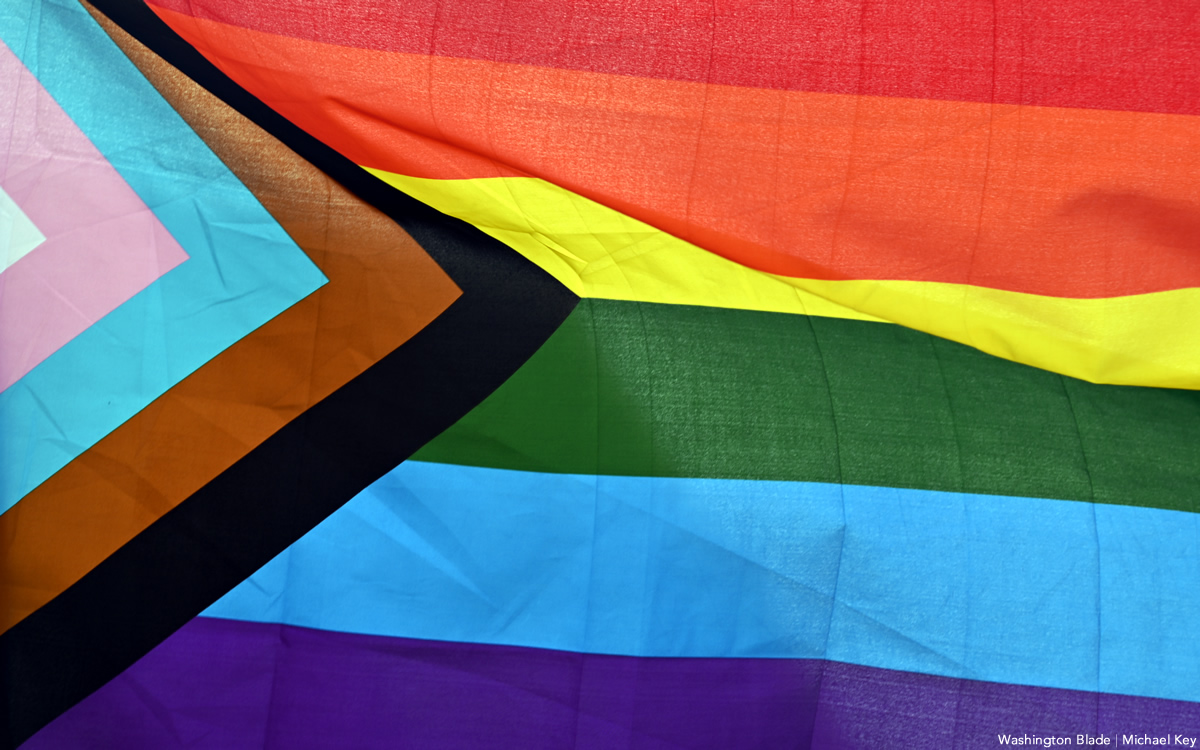
Everyone has now had more than a month to recover from Pride 2026. Even for those who have not yet put away all their seasonal rainbow paraphernalia or are still finding glitter in unexpected places, June is now a memory; hence, community members and allies have work to do.
The LGBTQ community of Washington, D.C., and the DMV region, is not defined (or limited) by any specific month, annual event, or organization. There is no singular agenda, arbiter, or leader. Considering the efficacy of some organizations and the competency and integrity of certain individuals, that is a good thing. This creates more opportunities for more people.
June is Pride month, but some LGBTQ celebrations in D.C. happen annually in May. Others, including several in Maryland and Virginia, occur on dates in July through October. Regardless of scheduling, the planning process begins (or at least should begin) immediately following the current year’s festivities. With the end of the fiscal year rapidly approaching, time is of the essence. It behooves organizers not to wait until January or the spring to secure funding.
Money is one thing all nonprofits and community organizations need, especially those without corporate sponsorship. A donation or sponsorship of any amount can make the biggest impact if the recipient is a new or smaller organization. Also, be intentional with your spending; patronize LGBTQ businesses, purchase tickets to LGBTQ events, and subscribe to or advertise with LGBTQ media. If organizing events, book local LGBTQ performers, DJs, and hosts/emcees, and offer free resource tables to organizations when you can.
Donating your time and talents can also be impactful, especially to organizations without salaried staff. Some LGBTQ organizations need people for events, and others need help with data entry or miscellaneous administrative tasks. Outdoors, indoors, or online, you can help with something that limited staff or volunteers have put on the proverbial back burner, such as updating graphics or a website. If you seek a leadership role, there are often opportunities to become a board member of a local LGBTQ organization. At the very least, make an effort to like and share information about events, fundraising, and calls for volunteers on social media.
For some people, looking beyond LGBTQ organizations may be a good use of their time and energy. Help create the inclusion that may be missing from “mainstream” organizations. With this being an important election year, registering voters, working at a polling location, or supporting a candidate might be the best use of your time for the next several months.
Whatever inquiries you make, don’t expect immediate responses, immense gratitude, or an enthusiastic welcome. (Unless you contact Team Rayceen Productions; I try to provide all three.) Many organizations have poor communication, often because of personnel limitations or inquiry volume, so your email or DM may not be answered quickly, or at all. Some “groups” are essentially run by an individual, so be patient and, when necessary, persistent.
That leads to something else very important to consider: whether an organization is worthy of your time, talents, and/or money.
Reviewing a website and reading a mission statement is a good start, but that is just a starting point. What is their reputation? What have they accomplished? Do they put their resources to good use?
If they are a tax-exempt organization, information such as their revenue and executive compensation is available on the ProPublica Nonprofit Explorer website. The Charity Navigator website provides additional data and tools. However, the most helpful information may come from members of the community.
Unfortunately, some individuals use their positions to enrich themselves. One such person sits in prison today. Despite receiving numerous accolades and positive media coverage, many people had an idea that something was amiss long before charges were filed. Not that embezzlement, fraud, or other shenanigans are commonplace, but it certainly happens. Look out for red flags. Be leery if asked to sign a non-disclosure agreement. Remove yourself from uncomfortable or inappropriate situations. Report inconsistencies, irregularities, and unethical behavior. Demand transparency and accountability. Don’t let your interest in helping your community lead to your reputation being sullied by association.
If you are unable to find an organization you want to support, consider starting your own. Create whatever it is you cannot find. Start small; your focus could be helping people in need, organizing community events, or forming an activity group. You could create programming for LGBTQ History Month in October. If you want a new Pride month event in your county, town, or neighborhood, start planning now. (Shameless Plug: Rayceen Pendarvis, Empress of Pride, is available for booking.)
Pride should be more than parties and parades, but I hope those things motivate people to be more involved in their communities. The LGBTQ community and its members exist 12 months a year. Whatever your schedule and capacity may be, there is probably something you can do to help.
Zar is a mononymous D.C.-based LGBTQ community advocate, speechwriter, and songwriter who co-founded and served as creative director for Team Rayceen Productions.
Opinions
BLADE ENDORSEMENT: Susan Stewart for mayor of Rehoboth Beach
Voters should reject Suzanne Goode’s crass bullying and elect city’s first out mayor
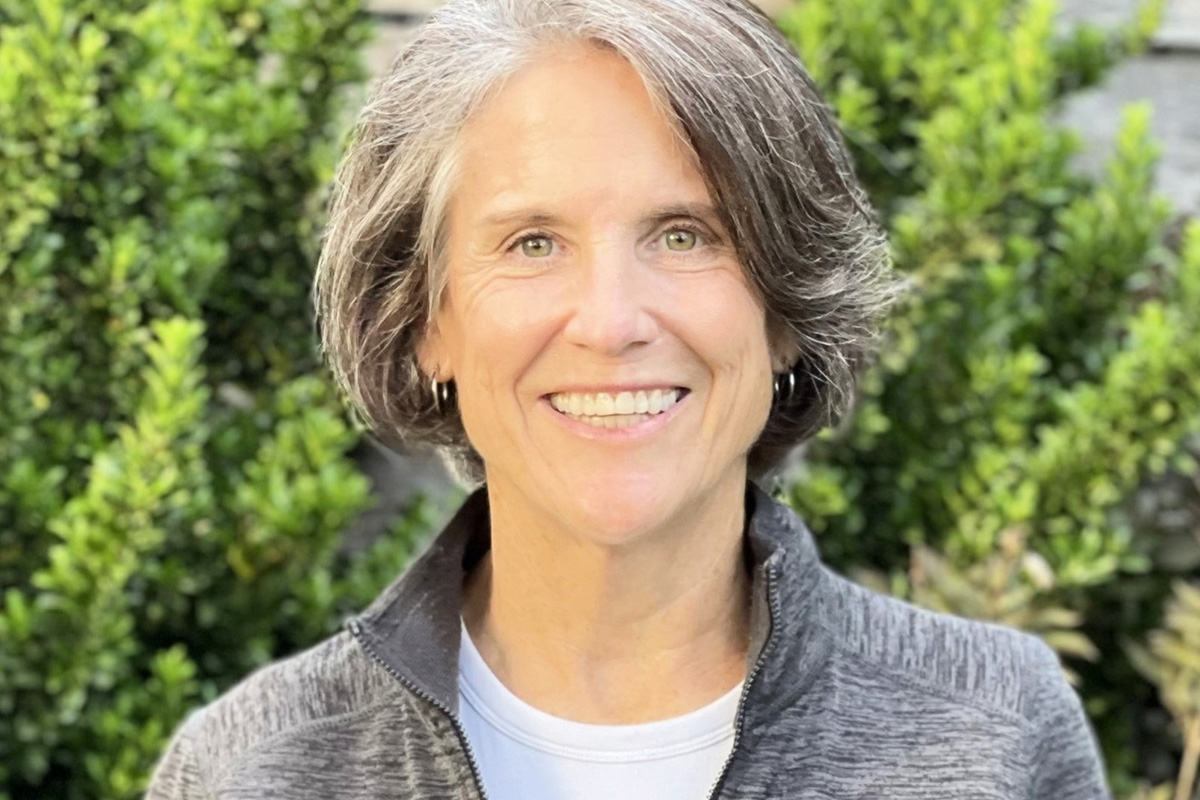
Voters in Rehoboth Beach head to the polls on Aug. 8 to elect a new mayor and the choice couldn’t be more obvious.
Susan Stewart is a smart, effective Commissioner with a background in finance who happens to identify as part of the LGBTQ community, which would make her the first openly gay Rehoboth mayor if elected. Stewart has worked as an attorney and later a financial services adviser at major banks and brokerage firms. In 1996, she founded her own financial advisory firm. She currently works as a financial adviser and senior vice president with The StewartGroup, RBC Wealth Management. She also serves on the Rehoboth Beach Commission and has served on the Planning Commission and the Mixed-Use and Stormwater Utility Task Forces. She has a deep knowledge of the inner workings of the city, including budgeting and development along with an appreciation for what makes Rehoboth special — its natural beauty, walkability, and charming character.
“Rehoboth Beach has important opportunities ahead,” Stewart says on her campaign website. “From infrastructure improvements and stormwater solutions to commercial revitalization and responsible growth, the decisions we make today will shape our city for decades. I am committed to helping Rehoboth Beach move forward.”
Stewart is our choice for mayor. She would represent the city well as it looks to the future with the retirement of Mayor Stan Mills, who has served for six years in that role after 12 years as a Commissioner.
There is a special urgency to the election this year with the mayoral candidacy of fellow Commissioner Suzanne Goode, a divisive figure whose emails have raised serious questions about her judgement and legitimate concerns about where she stands on LGBTQ issues.
Controversy erupted in March when Stewart outlined allegations that Goode used derogatory language in emails, particularly toward City Manager Taylour Tedder.
“All of our emails are public information under FOIA,” Stewart told the Blade in a recent interview. “I simply asked the city to link them on the website, and then the city published a transcript of [Goode’s emails].”
Stewart said that she did this on behalf of the city’s employees such as Tedder: “We have a moral and legal obligation to support our employees,” Stewart told the Blade. Goode denied all of the allegations and said that they were based on falsehoods.
Tedder has accused Goode of creating a “hostile work environment” for city employees and publicly rebuked Goode for insulting him in an email as “the mayor’s whore.”
“Calling me a derogatory term, the ‘mayor’s whore,’ which I don’t think is a professional way to put something, talking badly about an employee’s religion,” Tedder said.
Tedder was referring to an email in which Goode wrote to Rehoboth Beach City Solicitor Lisa Borin Ogden: “I am sorry that I learned from Google when you were first interviewed [in the] spring [of] 2025 that you are Jewish. My opinion of my fellow Jews declined significantly thanks to you since last summer. Actually would have thought you would have more compassion than the average person, based on your late brother. Except you don’t. I am sick of your haughty attitude toward me.”
Goode, who’s Jewish, denied the remark was racist.
“I don’t think a Jewish person can discriminate against another Jewish person,” Goode said, according to a March report by Coast TV News.
But Mayor Mills issued a statement calling the remarks “reprehensible and unbecoming of an elected official in our community.”
That’s putting it diplomatically. Referencing a city official’s religion and then invoking her dead brother should be disqualifying for a mayoral candidate. But it gets worse. The Blade reviewed Goode’s emails that were made public following local media FOIA requests. They are disturbing.
In a January email, Goode wrote to Mills demanding to know who encouraged CAMP Rehoboth and Clear Space Theatre to apply for city grant funds. She then unfairly disparages CAMP as a “questionable non-profit.” She wrote:
“Gays and theatre aficionados can donate as much as they like to these pet causes. Some taxpayers think the theatre is second-rate as community theatres go, and many dislike the RB emphasis on LGBTQ when heterosexuals don’t demand equivalent display of their sex lives in public view.”
I’ve been coming to Rehoboth since the ‘90s. We don’t “display our sex lives in public view.” But Rehoboth is that rare place in America where LGBTQ people can comfortably and safely come together in community. Where partners and same-sex spouses can hold hands in public. Where gender non-conforming visitors can express themselves. None of that has anything to do with our “sex lives” and Goode’s disgusting comment is a common slur used against our community. She should retract that statement and apologize for it. Rehoboth’s vibrancy is due in very large part to its LGBTQ residents, tourists, and business owners and we all deserve better than homophobic slurs from elected officials.
Additionally, CAMP and Clear Space are vital, affirming spaces as worthy of grant funds as any other organization. Her repeated attacks on those important Rehoboth institutions raise more concerns given they are both run by openly gay and lesbian officials.
In a November 2025 email passage about Clear Space Theatre, Goode wrote, “But there are some folks in town, who ironically have to remain in the closet (conservatives now have to do what gays had to do in the 20th century — ah, the irony) who object to the woke, drag queen bent of Clear Space at times. They have confided this in me, and thanked me for fighting for their tax dollars. Maybe I will regret speaking up, as some LGBTQ activist will attack me physically, even though I am a complete supporter of gay rights, and have as many gay male friends as female friends now that I live in RB with a large gay population.”
So Goode fears physical violence from the local LGBTQ community? I’ve been around a long time and cannot recall a Blade story about a gay person beating up a straight person in Rehoboth, though we have covered scores of gay bashings and other violent attacks targeting LGBTQ people and businesses over the decades. Equating the plight of modern conservatives to 20th century violence that killed countless LGBTQ people is the height of ignorance.
Further, her use of “woke” as a derogatory term raises alarms as it echoes President Trump’s racist and transphobic rhetoric.
In an email from just last month, Goode wrote, “Just because the LGBTQ community feels oppressed and discriminated against, that doesn’t mean that those who identify as LGBTQ are better able to recognize racial discrimination than someone like myself. It might surprise some of you to learn that I briefly dated an African American fellow college student.”
So we should trust Goode’s instincts on racial issues because she dated a Black guy in college? You can’t make this stuff up.
During a March Commissioners meeting, Goode criticized Rehoboth’s rainbow crosswalks as a “non-essential item” and questioned why they weren’t painted yellow and white, which she said would be more “effectual” for safety purposes than rainbow colors. This attack on rainbow crosswalks represents another MAGA/Trump nod. Transportation Secretary Sean Duffy last year launched a nationwide campaign to remove rainbow crosswalks. Florida Gov. Ron DeSantis, a Trump ally, ordered the removal of rainbow crosswalks, even targeting the crosswalk at the Pulse nightclub.
For these and many other reasons, Goode is unfit to serve as mayor (or Commissioner) and voters must reject her toxic brand of bullying and ignorance.
Susan Stewart, meanwhile, represents the opposite of Goode’s crass foolishness. Stewart is a competent, calm presence on the board. She works collaboratively and respectfully. Her deep knowledge of the city and its processes will serve her well as mayor. And her commitment to maintaining Rehoboth as one of the country’s most visible, supportive, LGBTQ-affirming cities in the country make her an obvious choice for mayor.
The election takes place on Aug. 8, from 10 a.m.-6 p.m. at the Rehoboth Beach Convention Center.
Kevin Naff is editor of the Washington Blade. Reach him at [email protected].

D.C.’s Mary’s House For Older Adults names new executive director

Suzanne Goode is not good for Rehoboth Beach

Continue to engage in community after Pride month

Doug Ollivant to face Eugene Vindman in Va. 7th Congressional District

LGBTQ advocates optimistic about D.C.’s expected new mayor

Amsterdam Pride Canal Parade draws hundreds of thousands

PHOTOS: Amsterdam Pride Canal Parade

Reggie White relishing first season as artistic director of Woolly Mammoth

Madonna headlines World Pride Music Festival in Amsterdam

PHOTOS: Petal Release Party
-

 Photos5 days ago
PHOTOS: Amsterdam Pride Canal Parade
-
Netherlands5 days ago
Amsterdam Pride Canal Parade draws hundreds of thousands
-
Theater4 days ago
Reggie White relishing first season as artistic director of Woolly Mammoth
-
Celebrity News4 days ago
Madonna headlines World Pride Music Festival in Amsterdam