Arts & Entertainment
Pastor ‘prays the gay away’ on ‘What Would You Do?”
customers’ reactions vary on the hidden camera show
(Screenshot via YouTube)
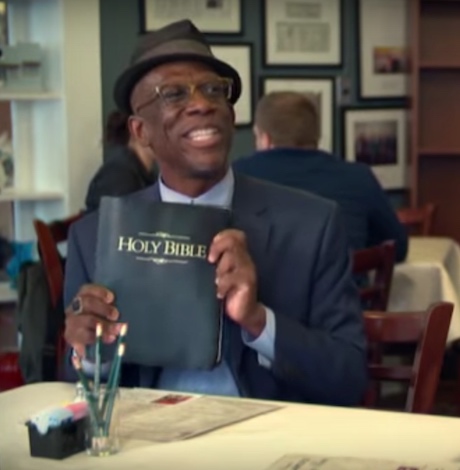
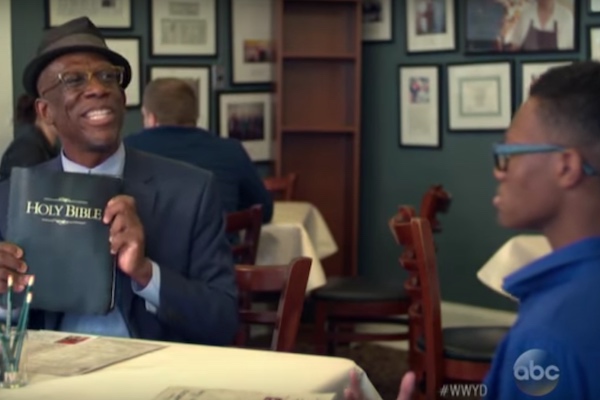
People dining at an Atlanta restaurant encountered the tough situation of a pastor attempting to “pray the gay away” on a teenage boy on the latest episode of “What Would You Do?”
ABC’s hidden-camera reality show placed two parents, a pastor and a teenage boy at a table near unsuspecting customers. The actors created a scenario where a teenage son had come out to his parents, and in an act of denial the parents bring in a pastor to solve their problem.
Reactions varied with many approaching the boy and offering him soothing words and advice. One woman said she agreed with the parents’ beliefs, but did not agree with bombarding him with a pastor in a restaurant. Another woman turns out to be a minister and takes time to pray with the parents.
At the end, a woman confronts the pastor himself and goes head-to-head to defend her belief that it’s not possible to “pray the gay away.”






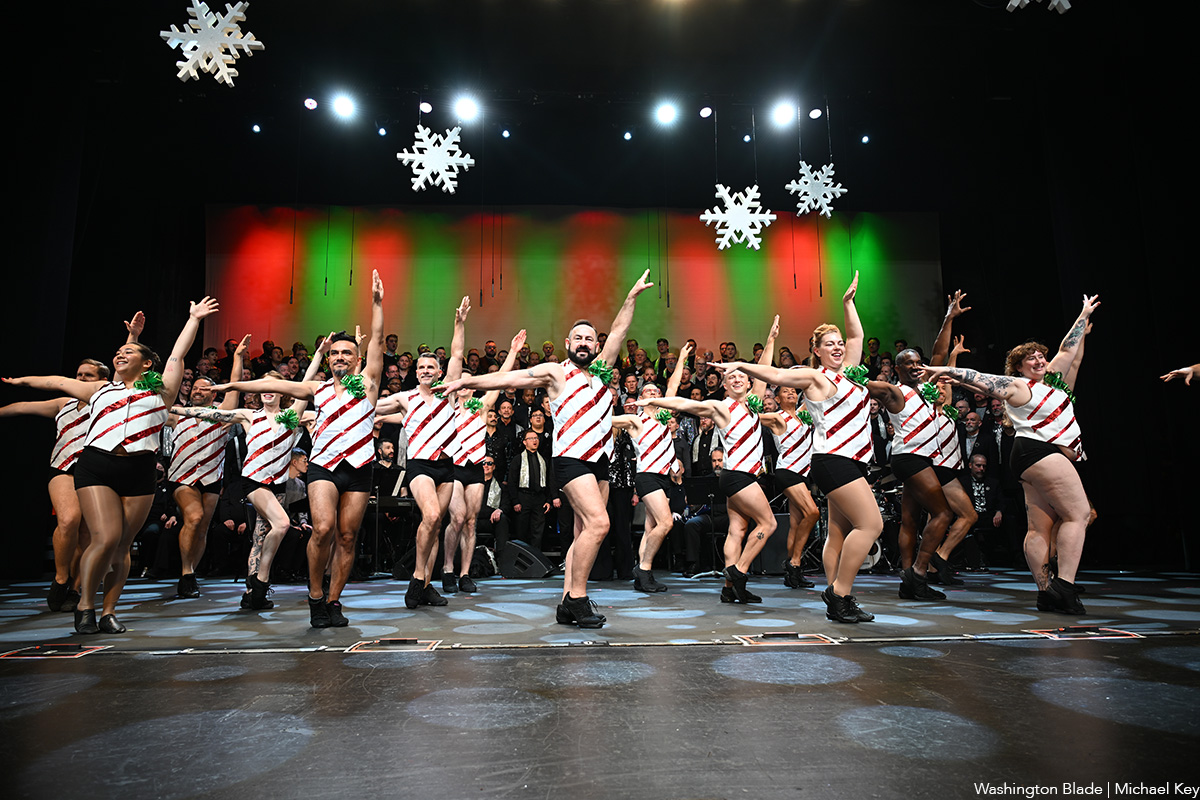
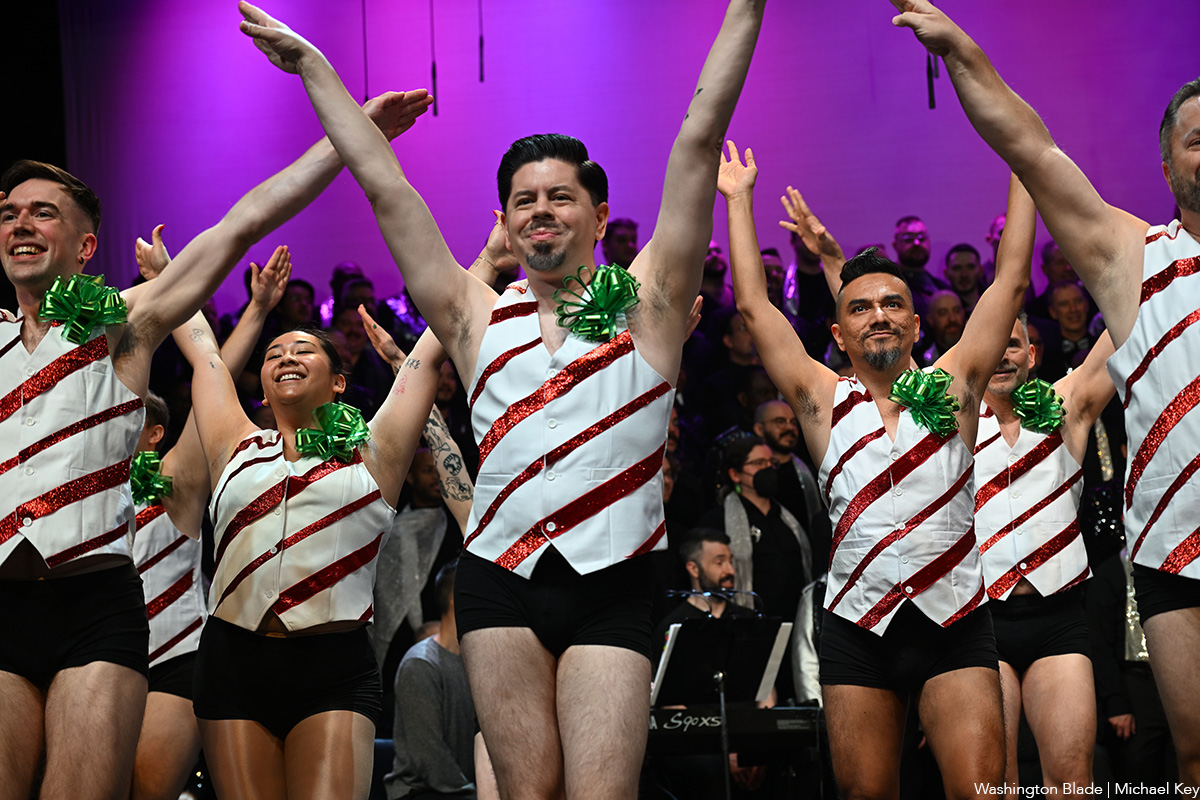
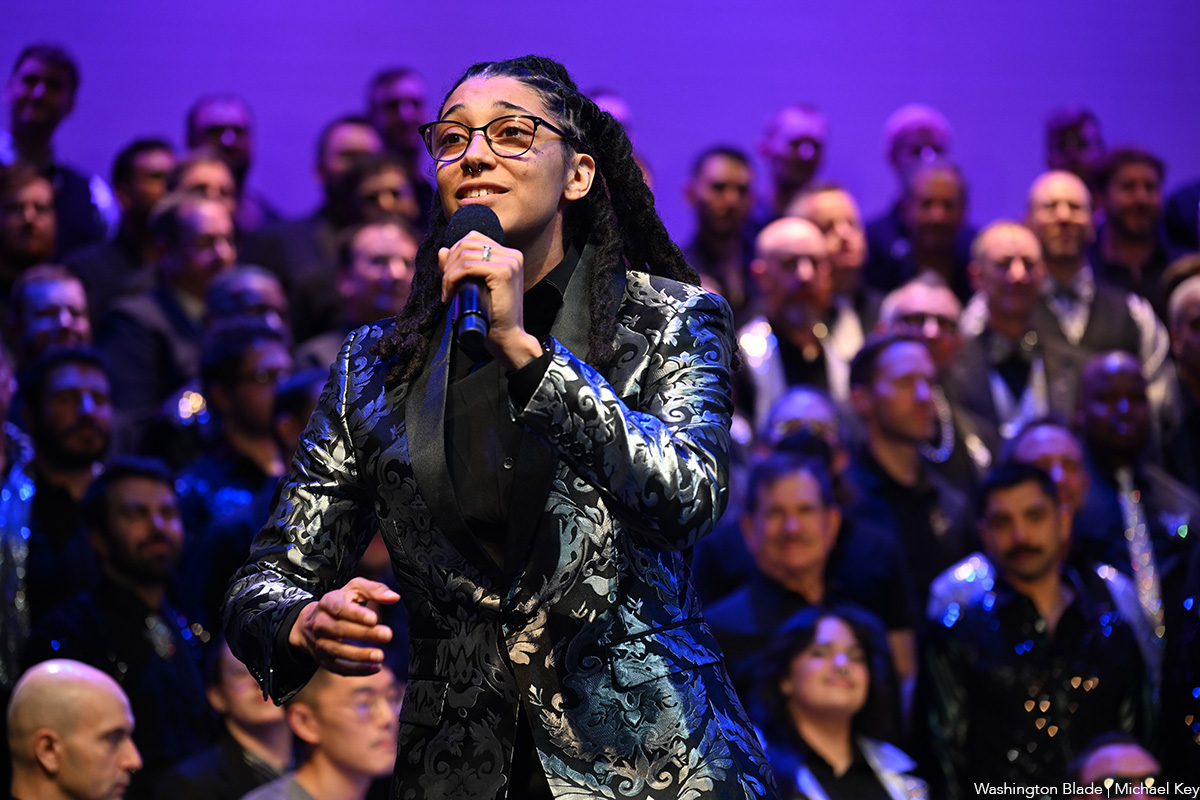
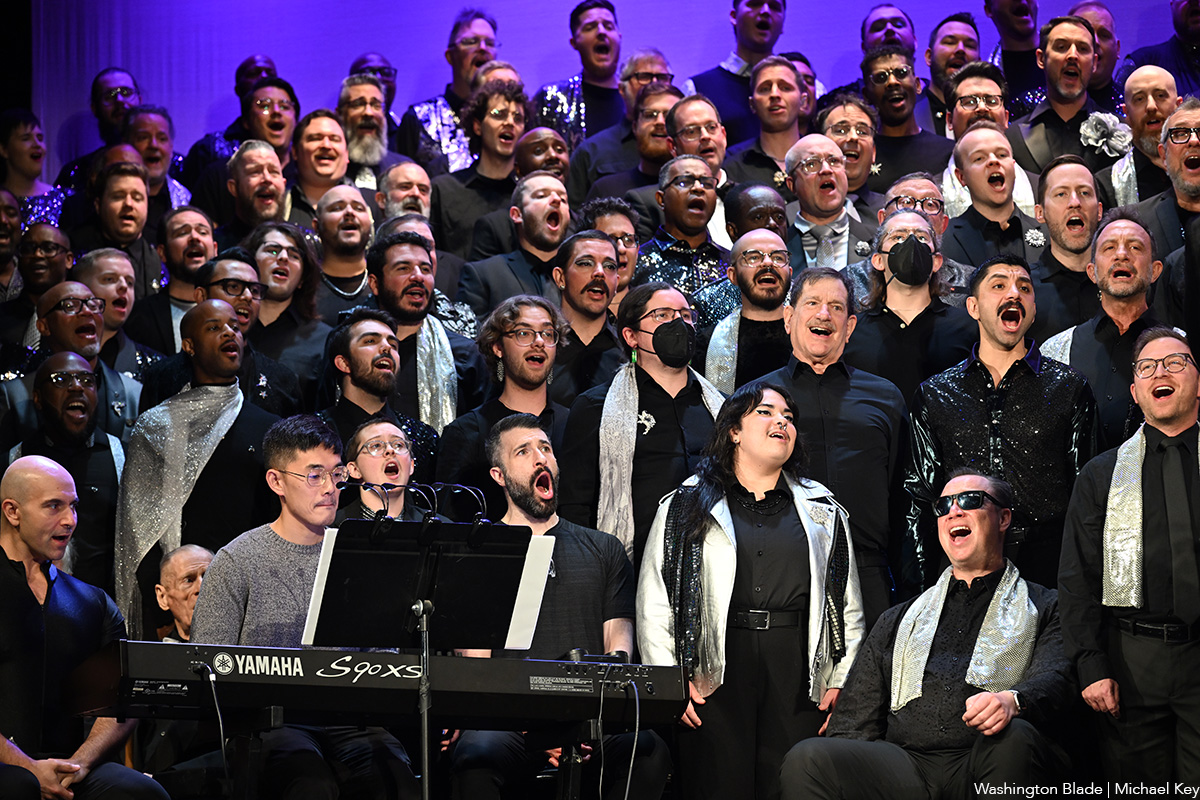
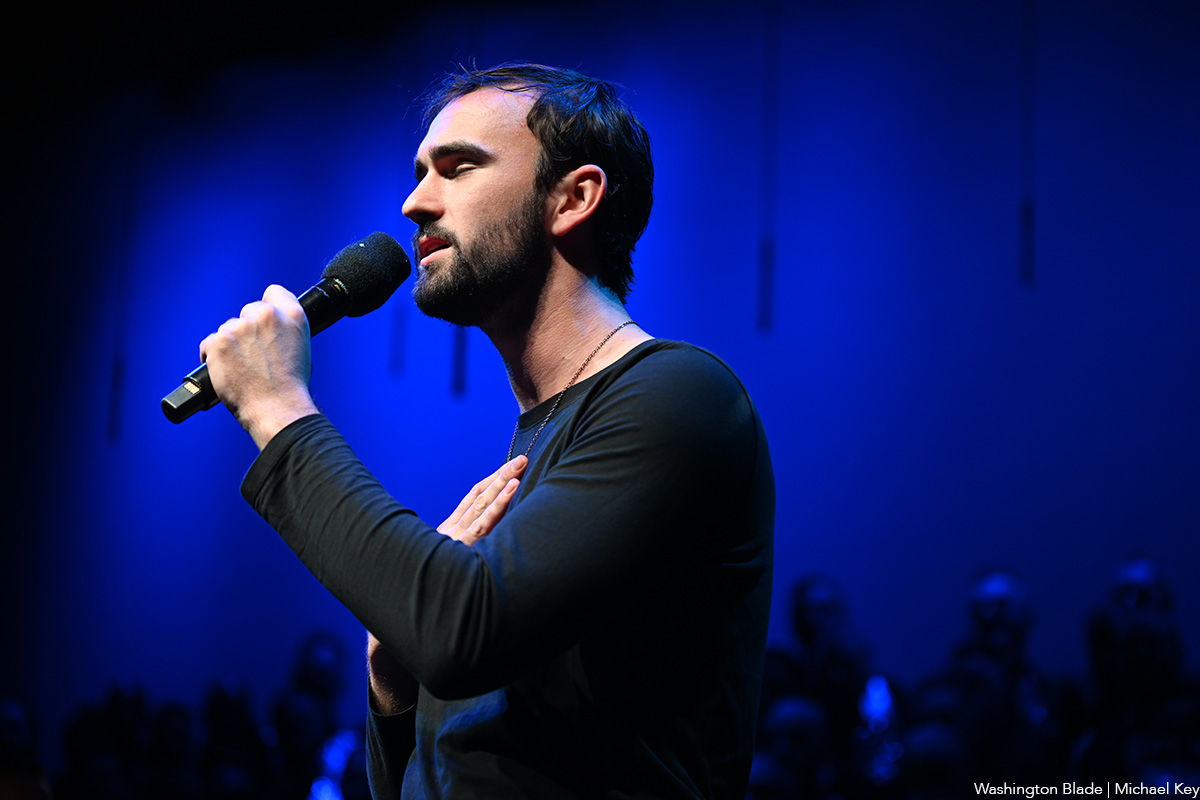
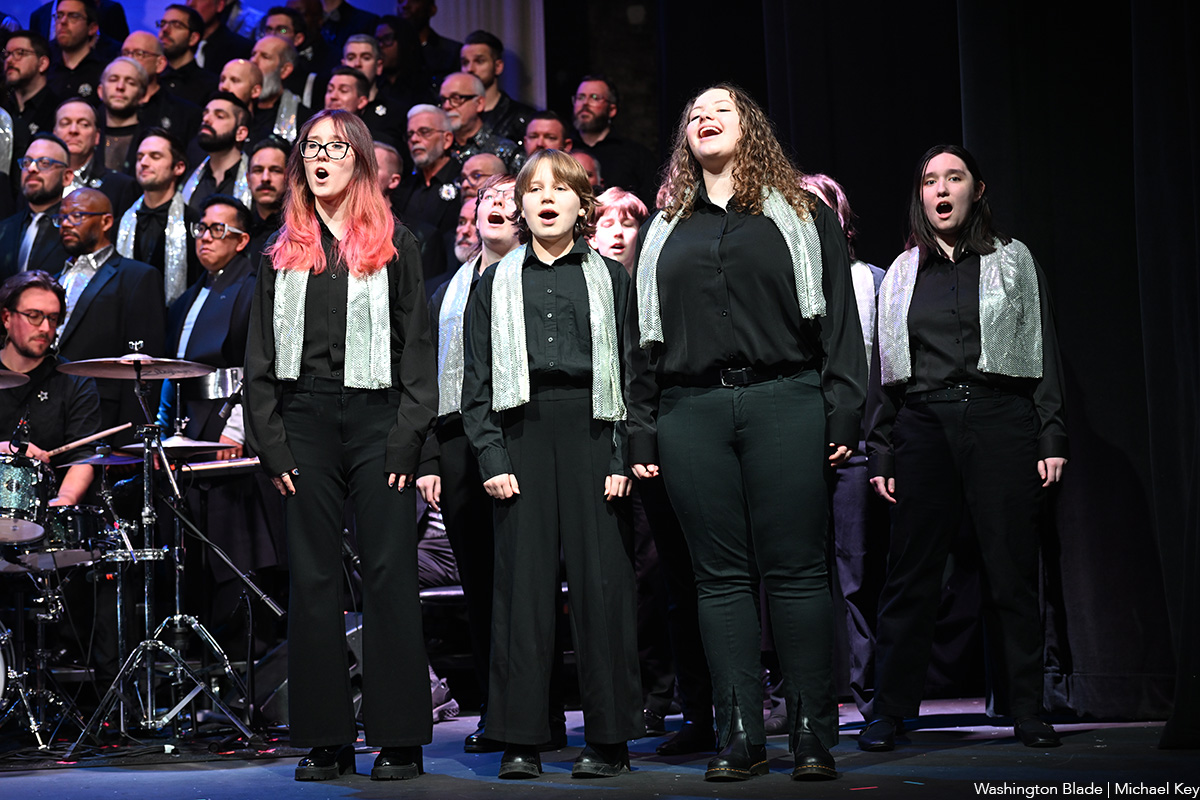
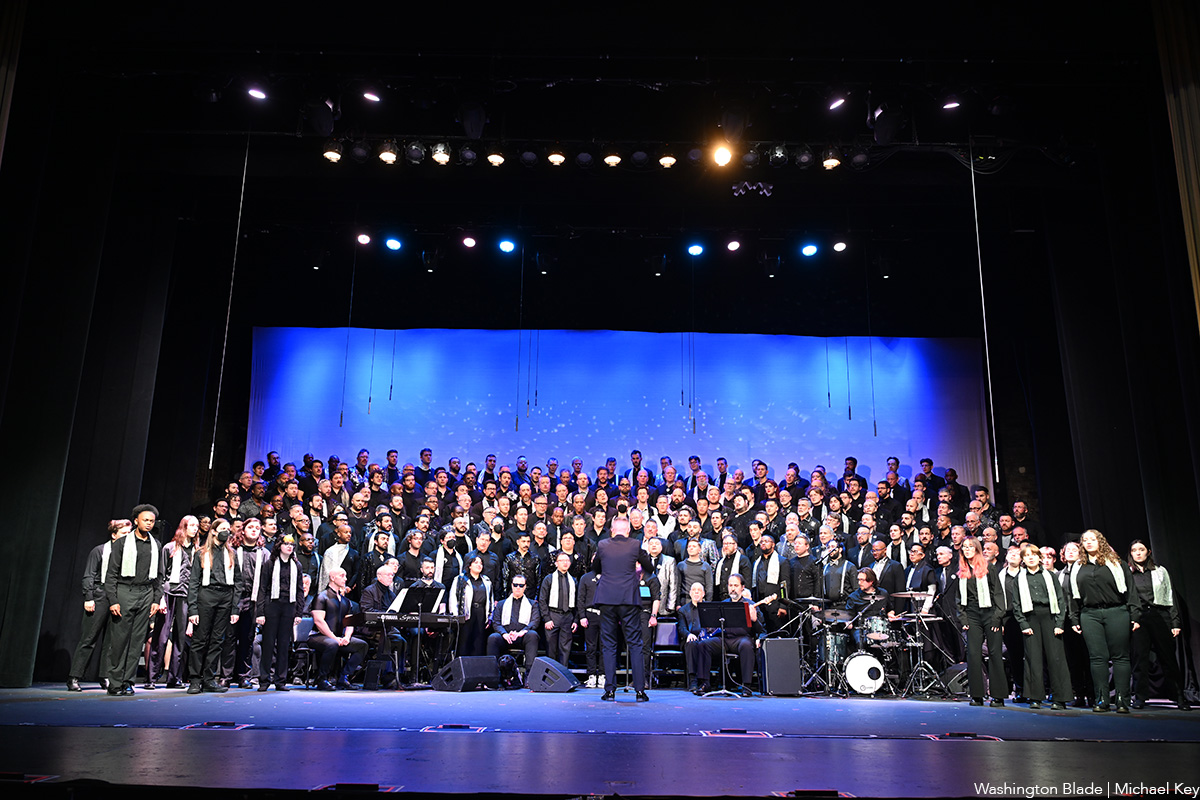
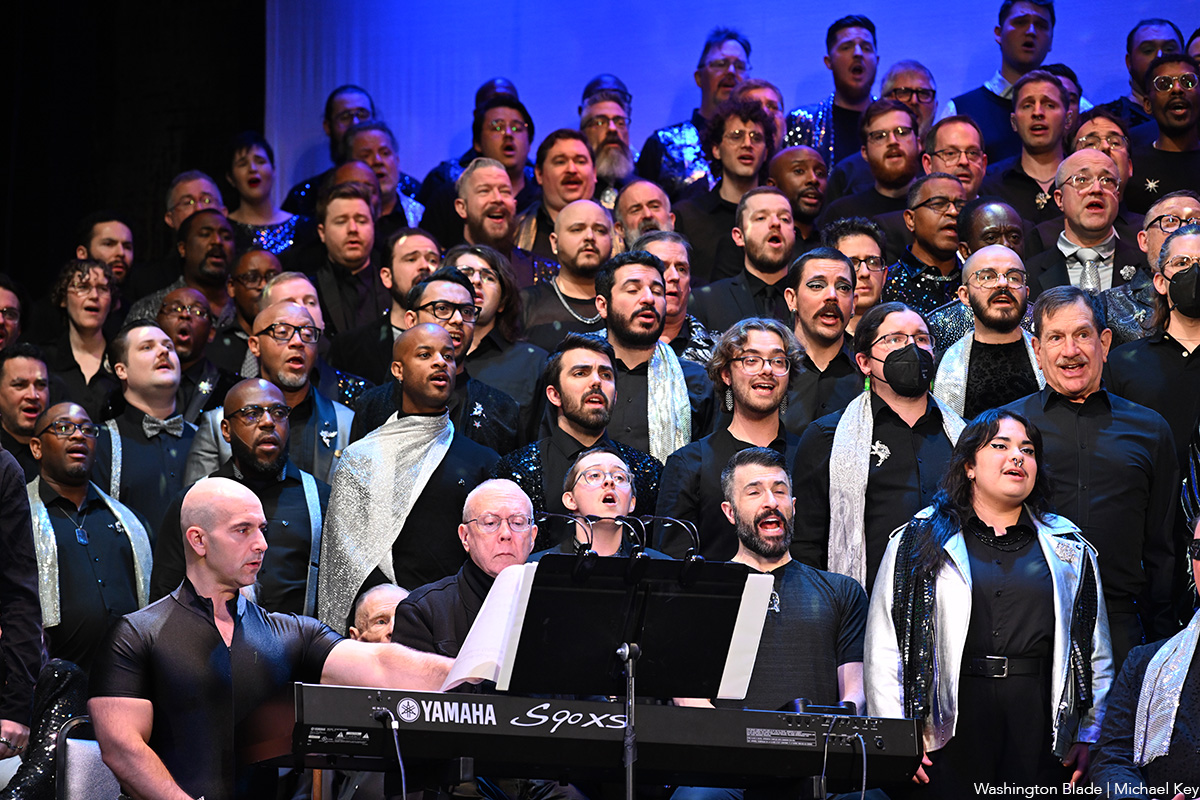
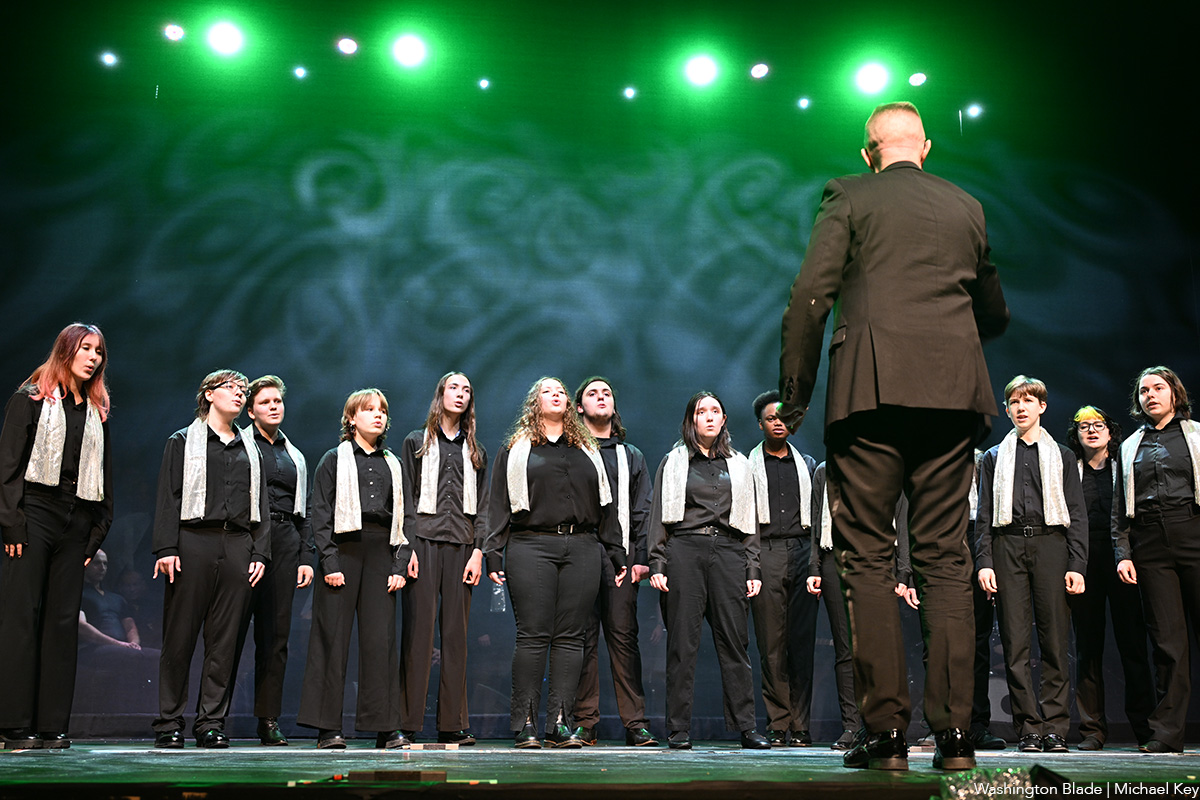
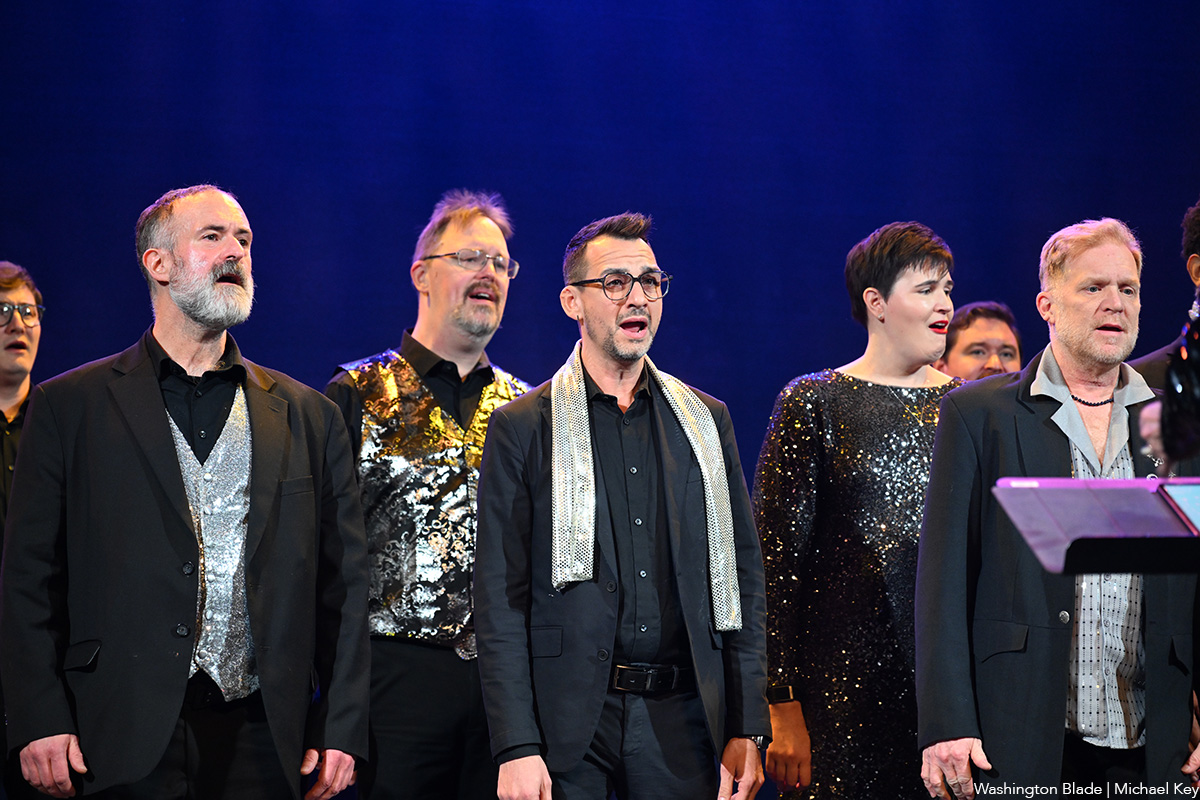
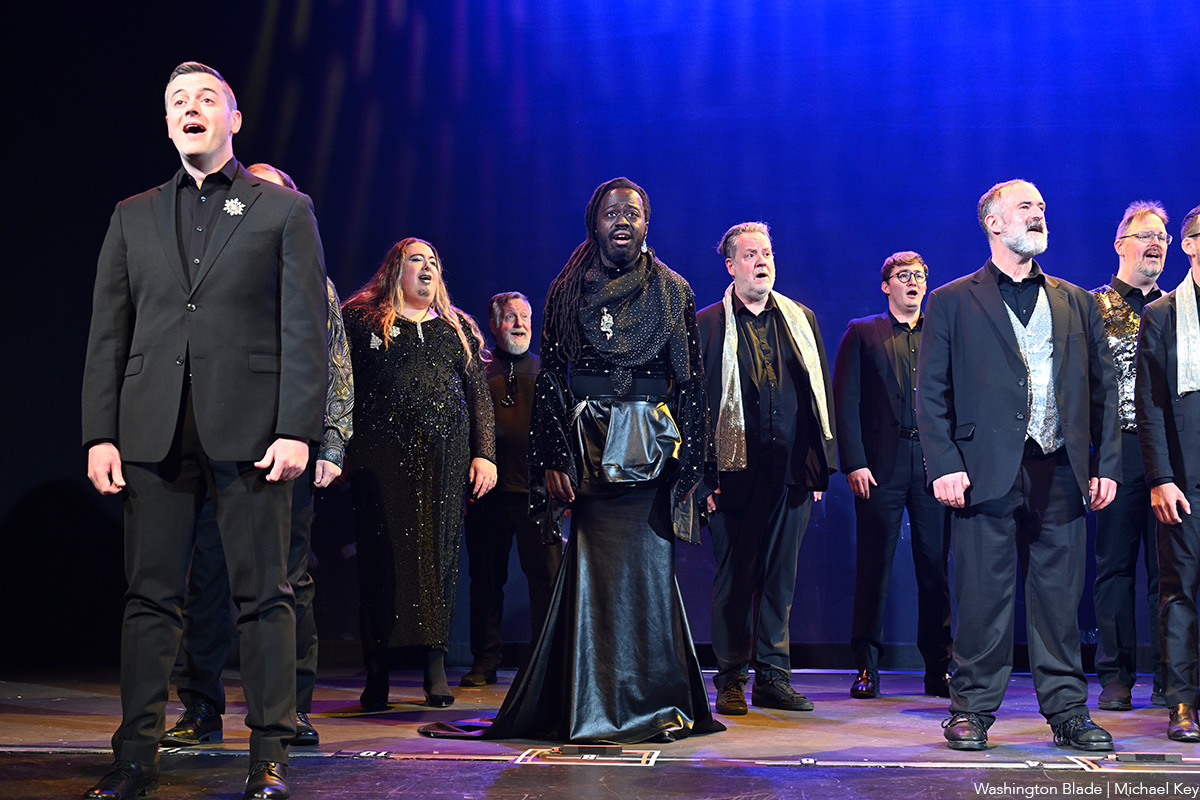
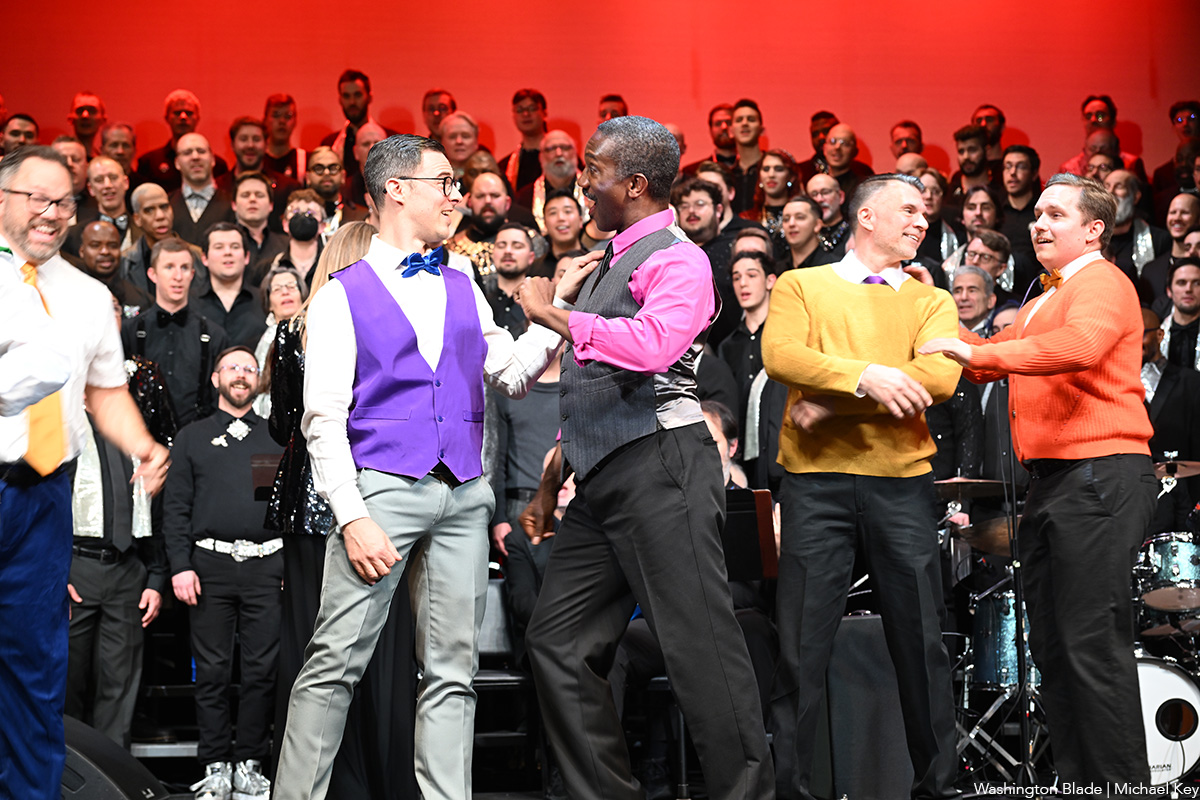
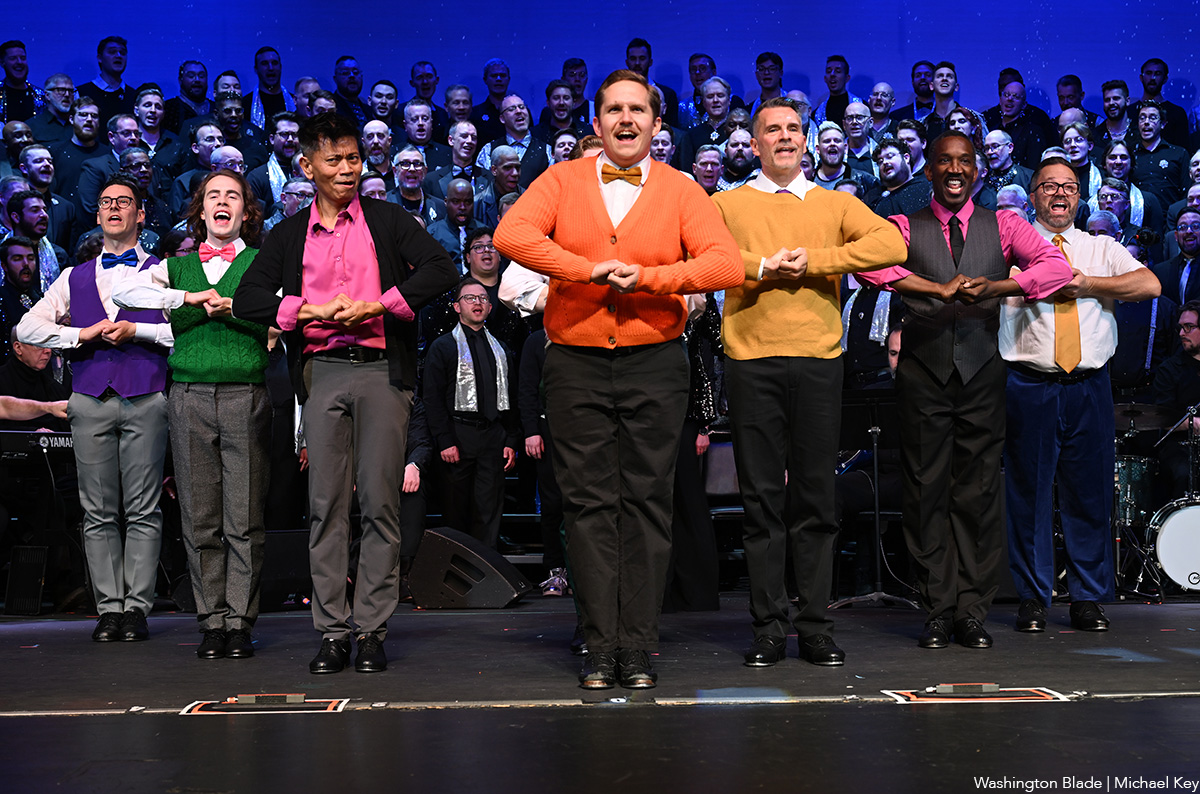
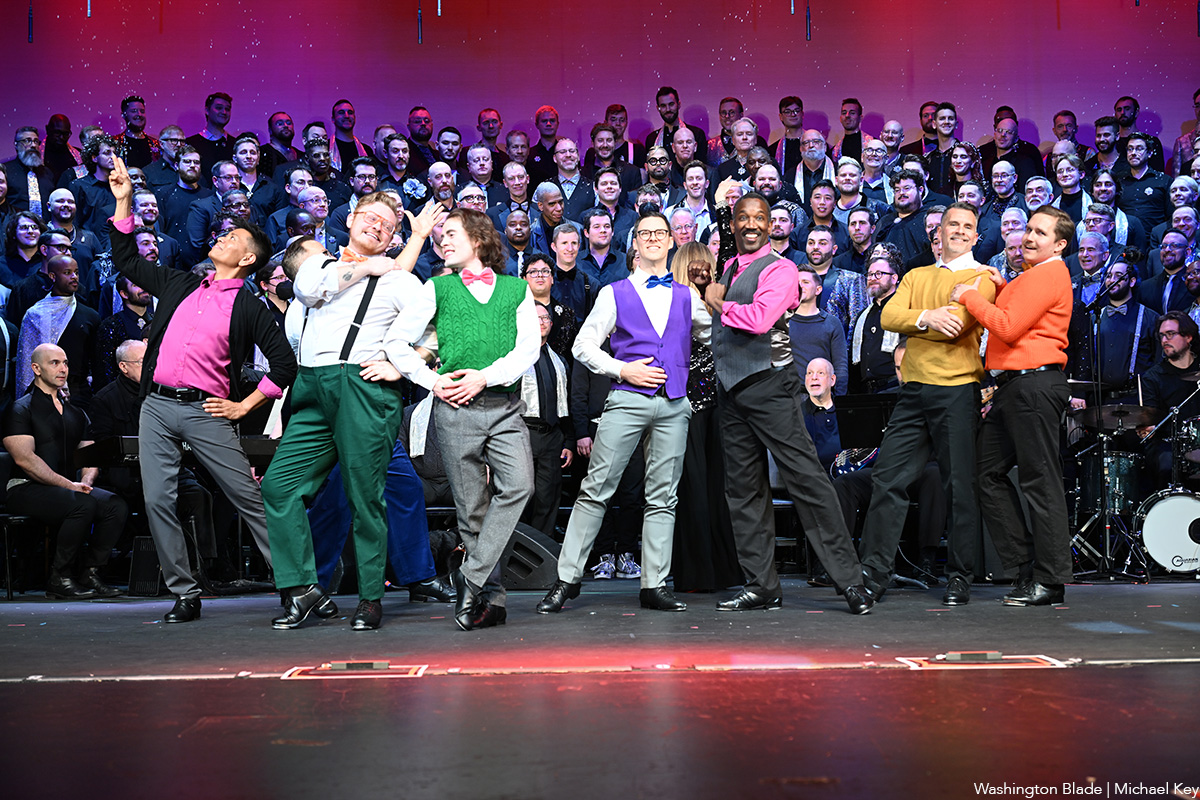
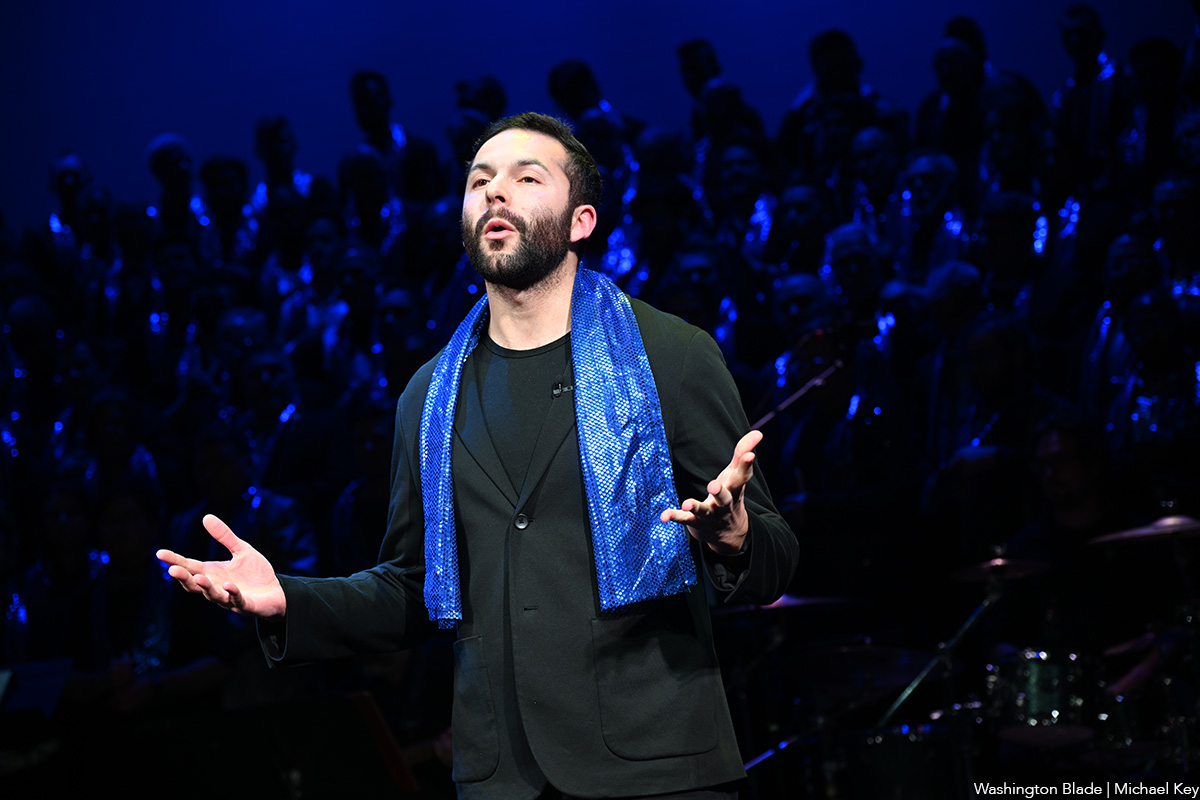
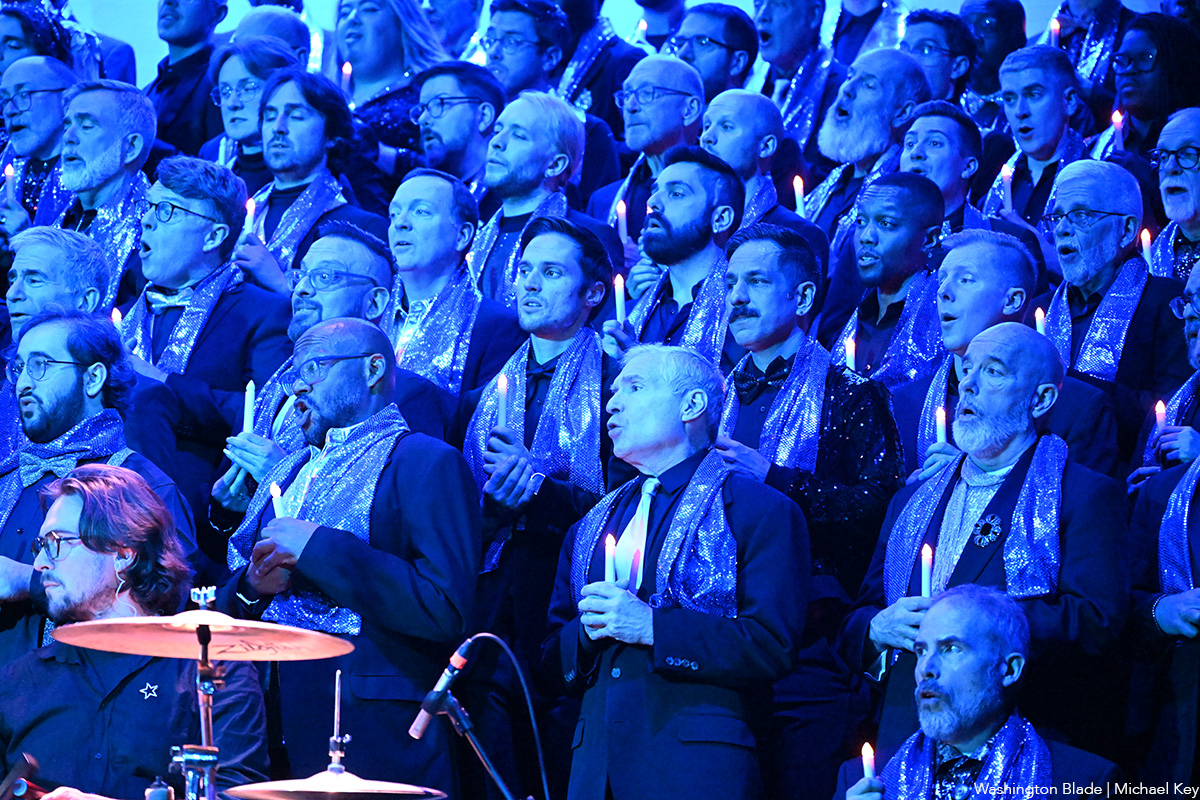
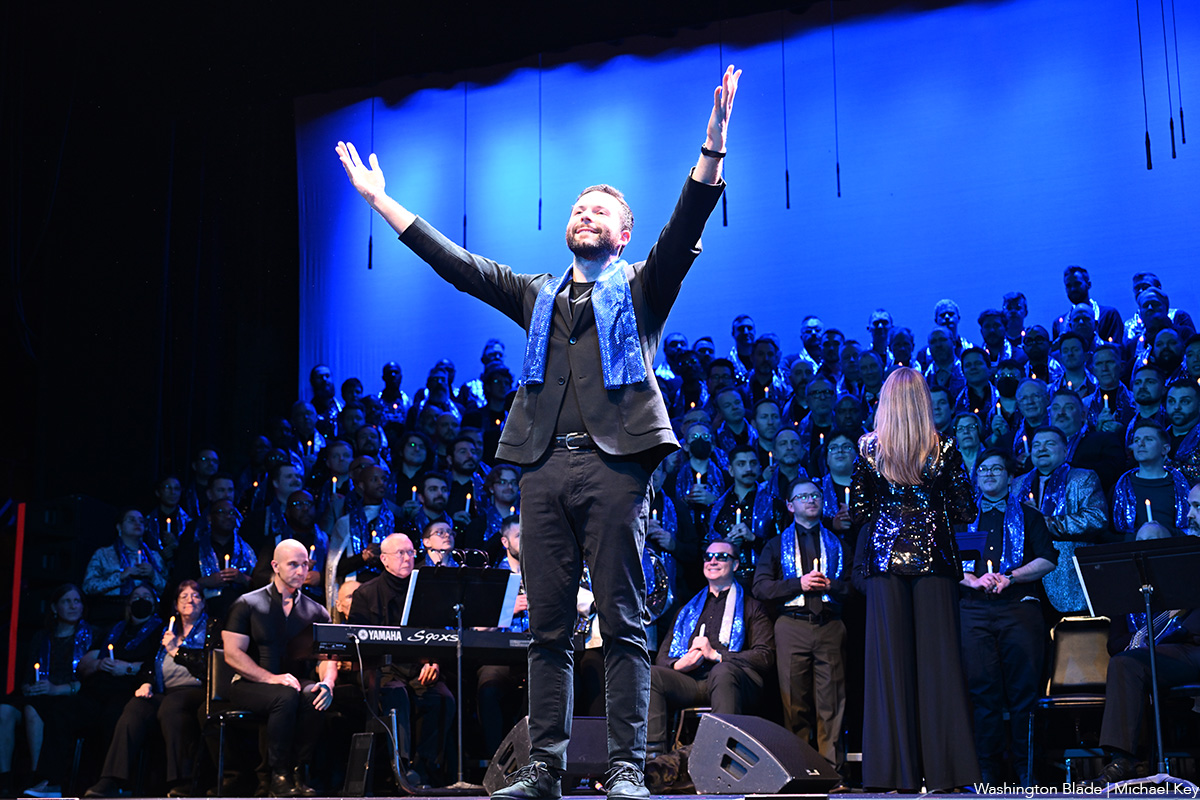
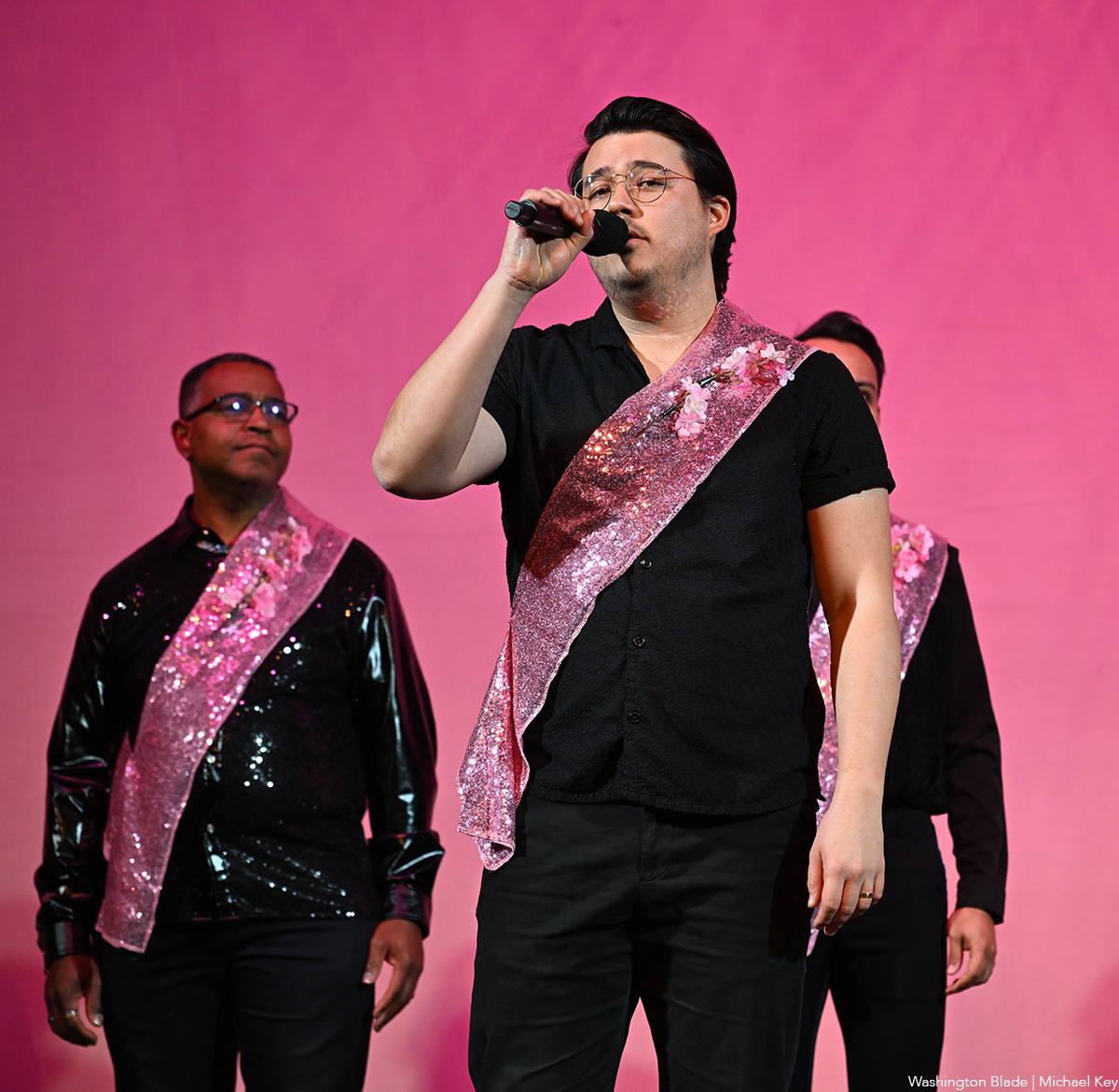
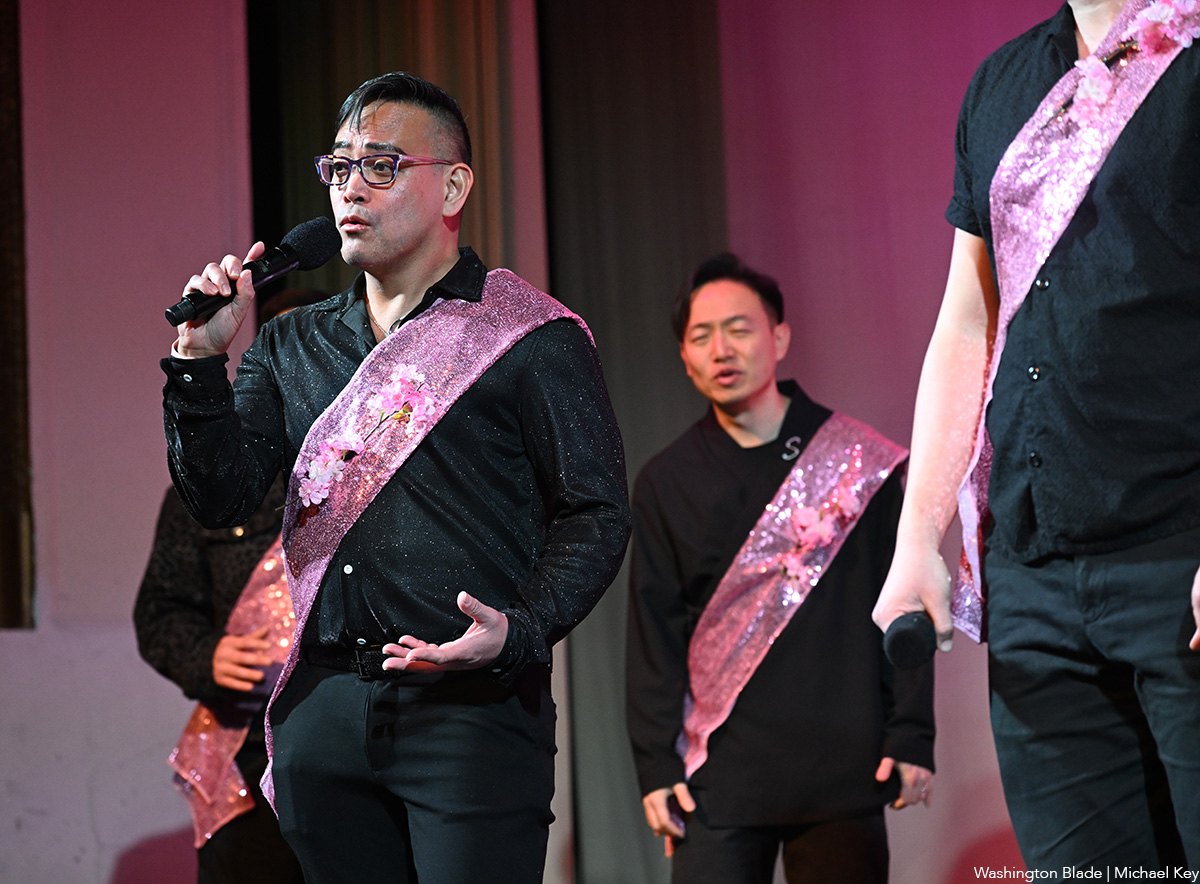
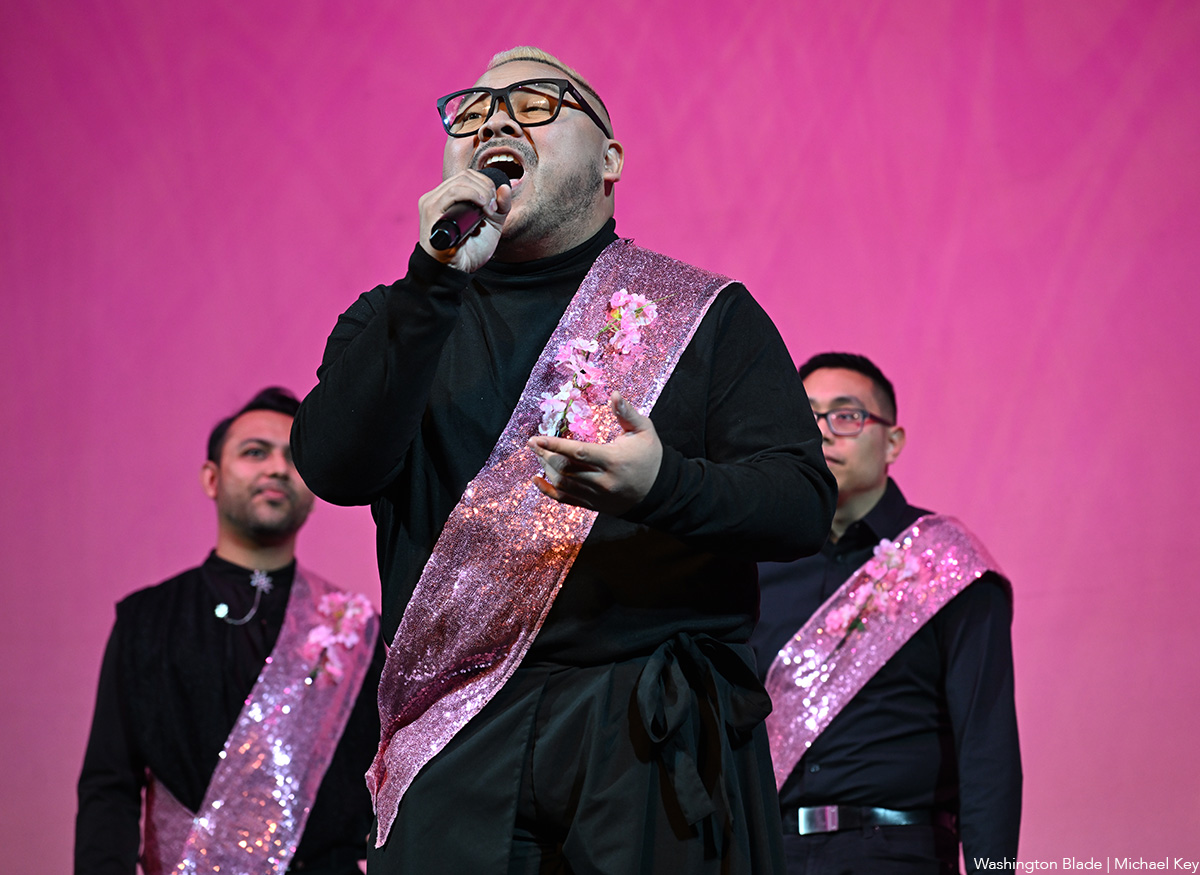
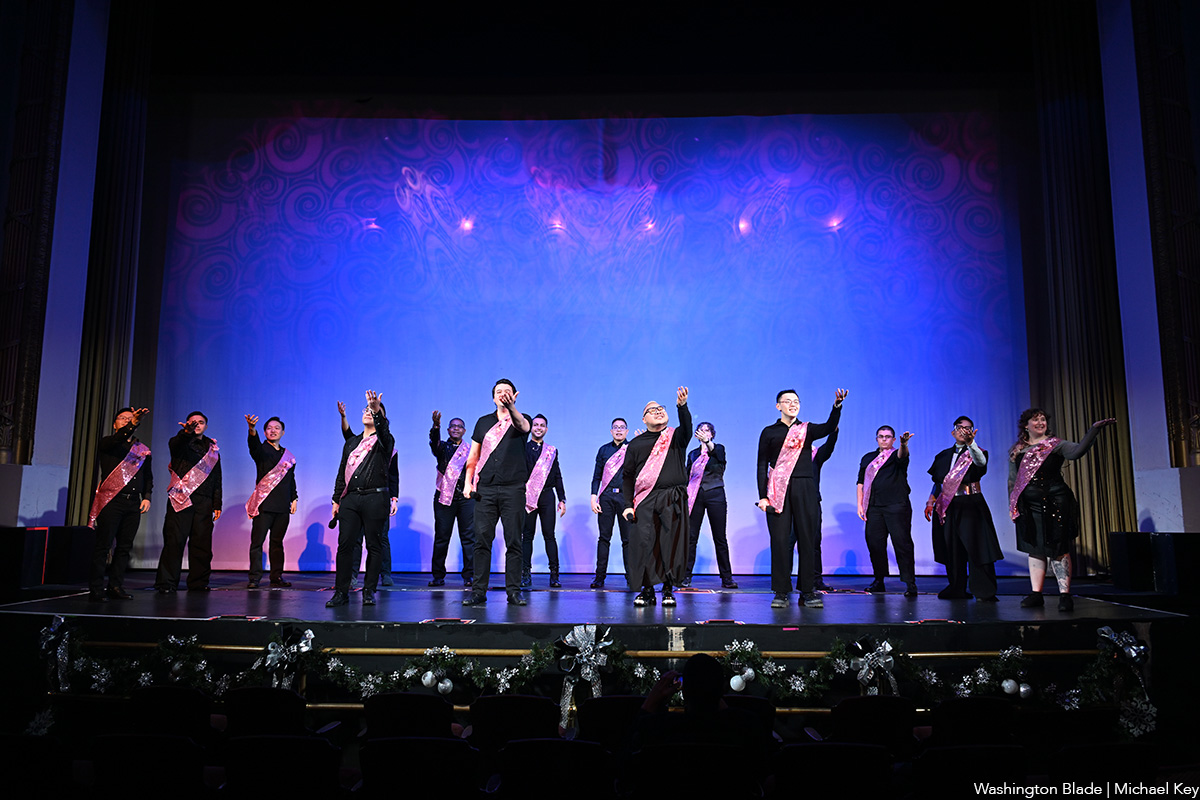
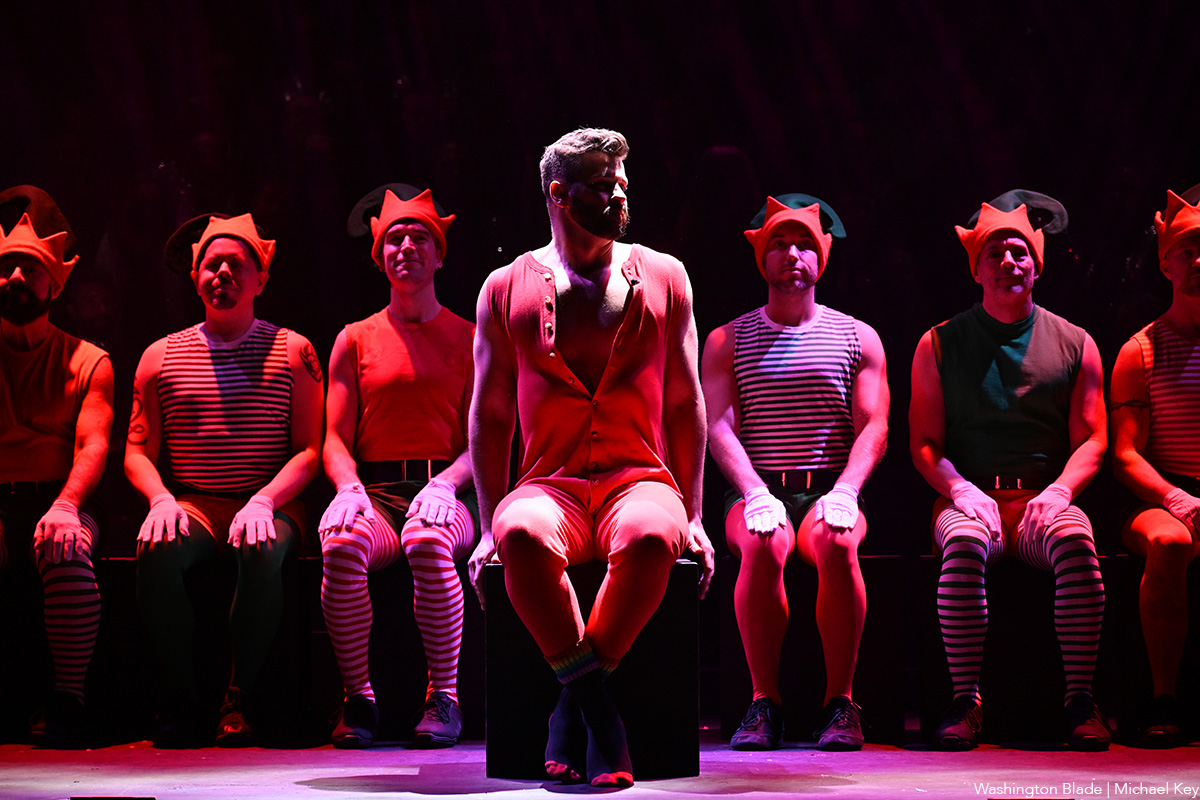
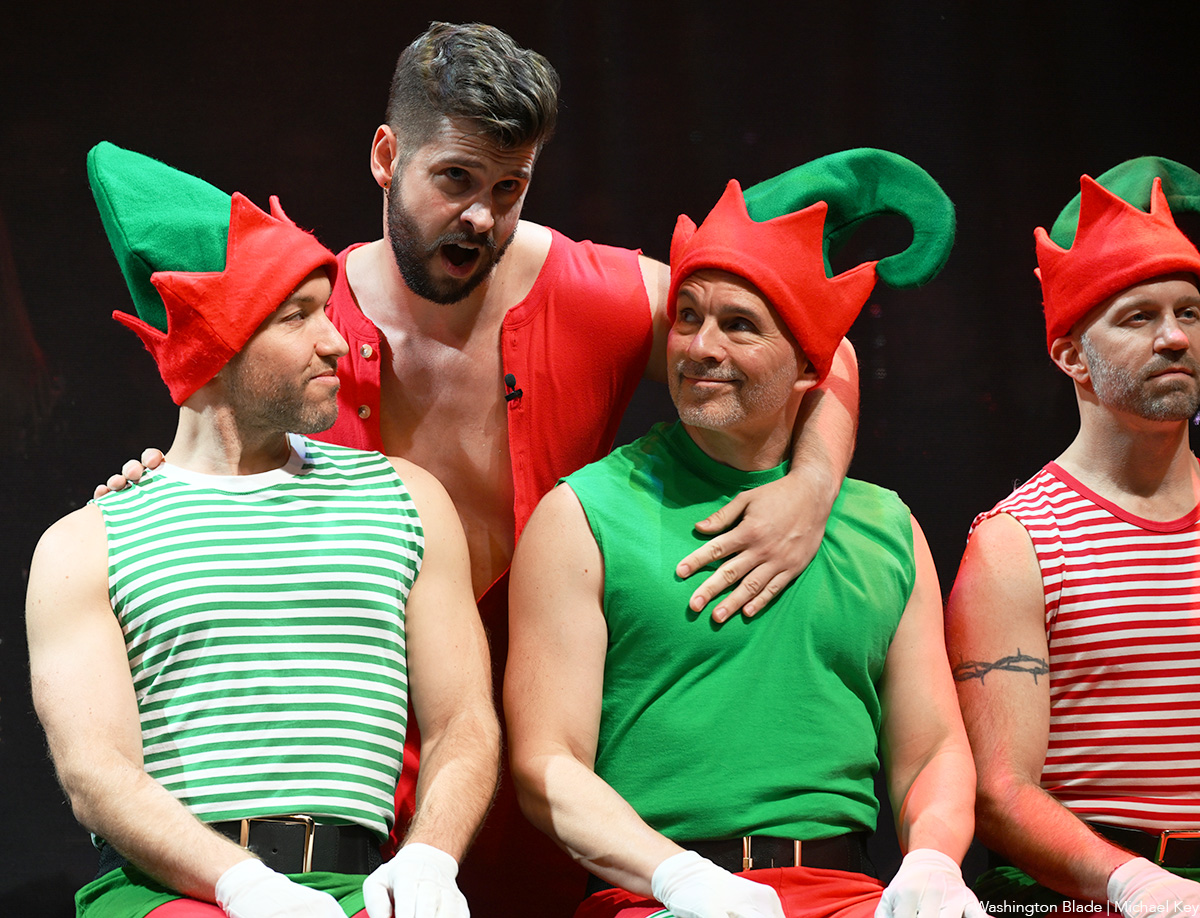
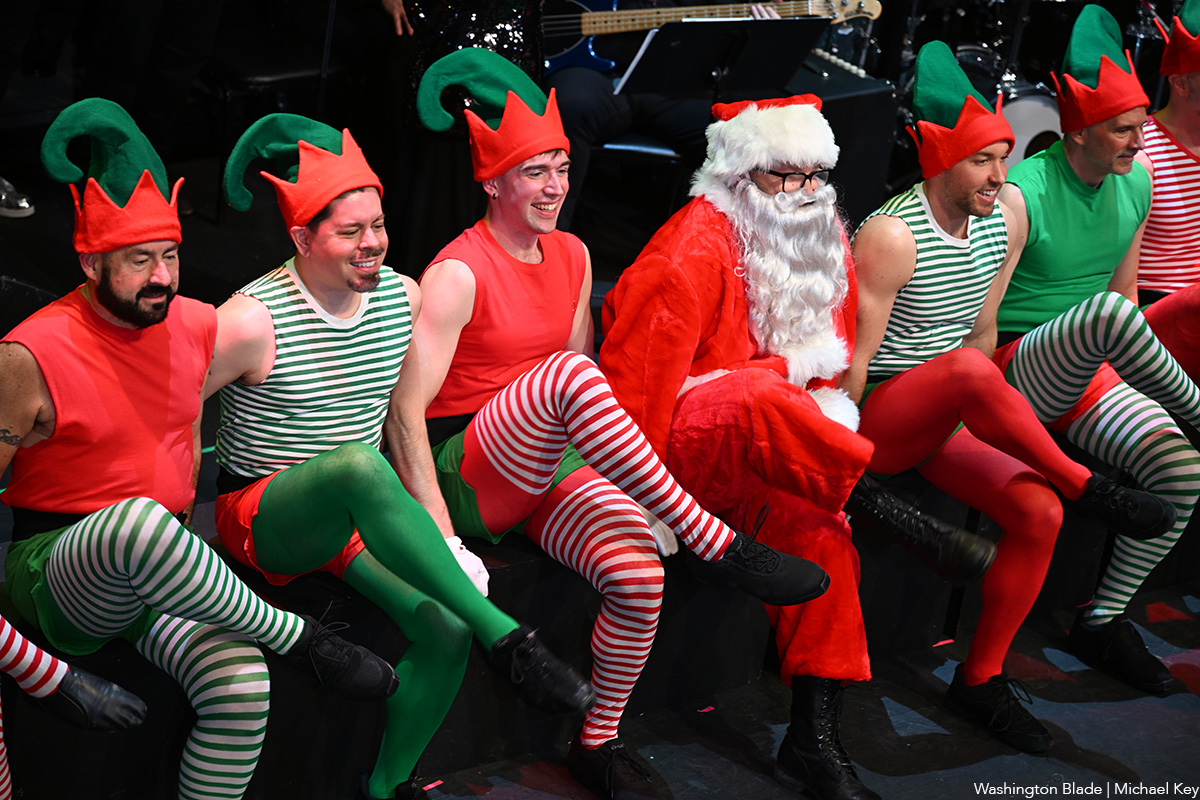
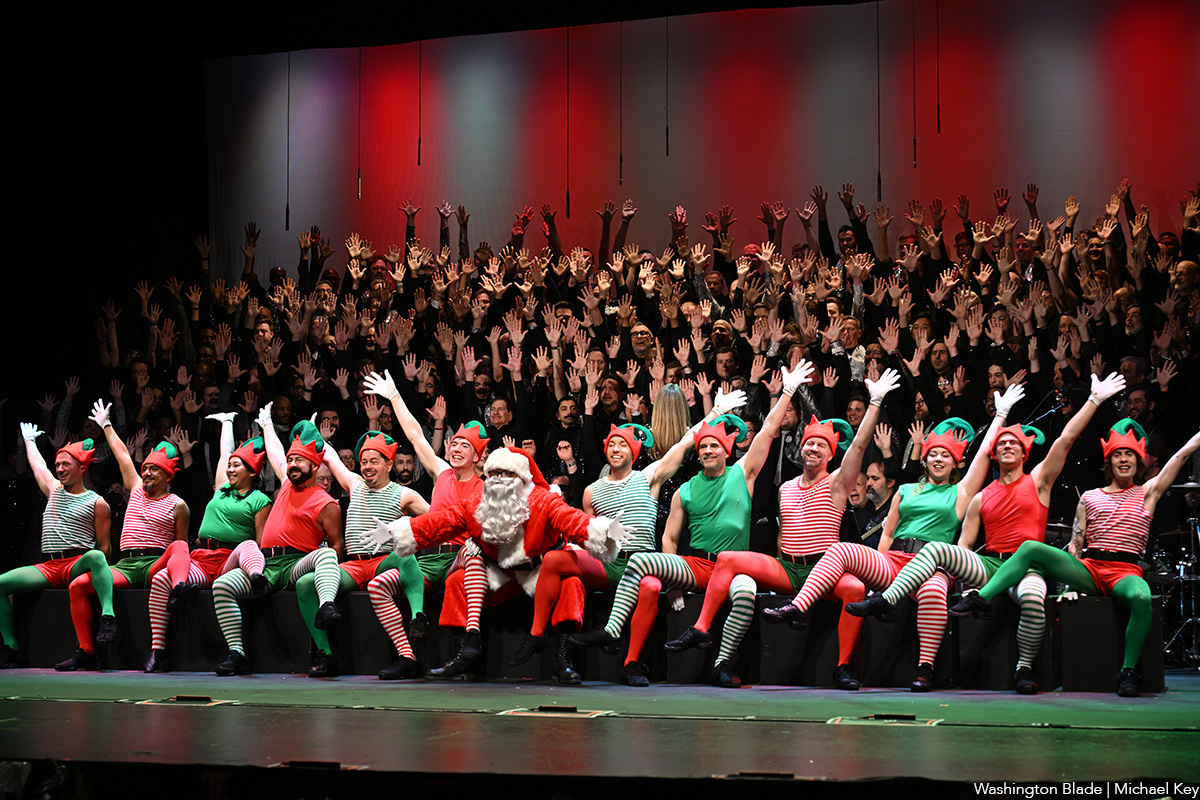
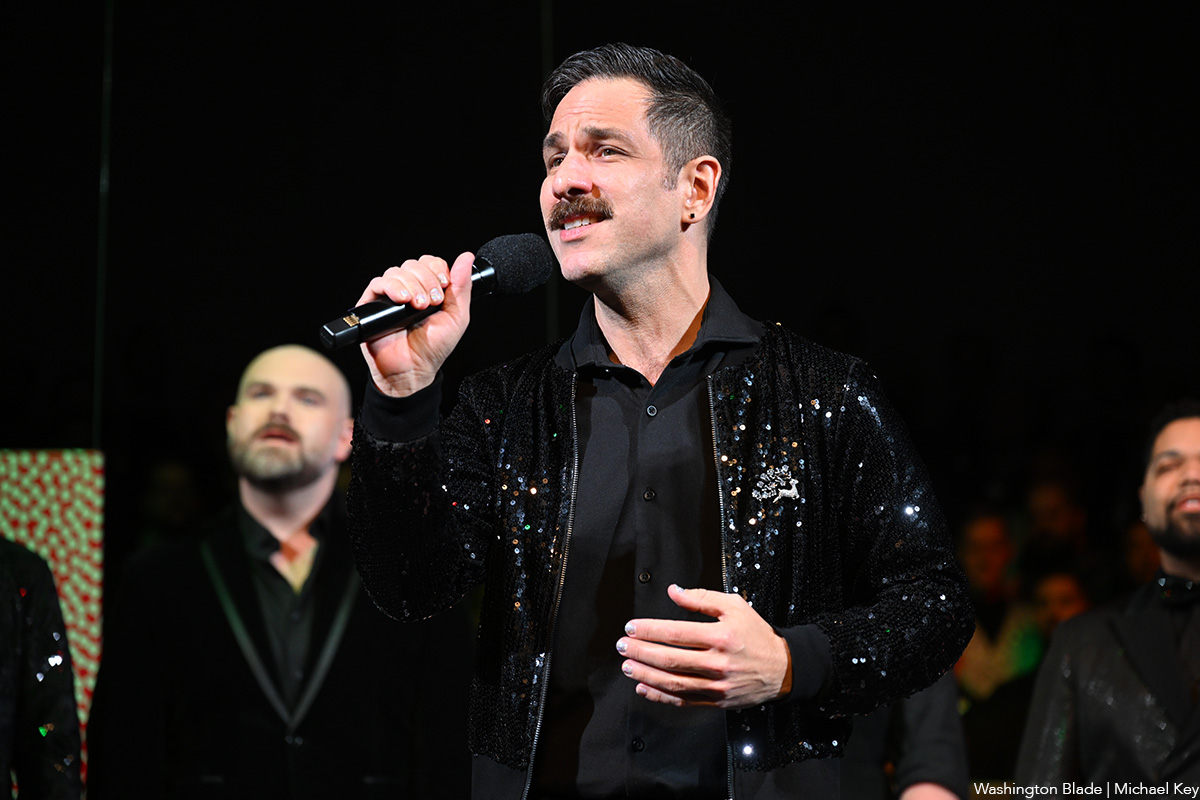
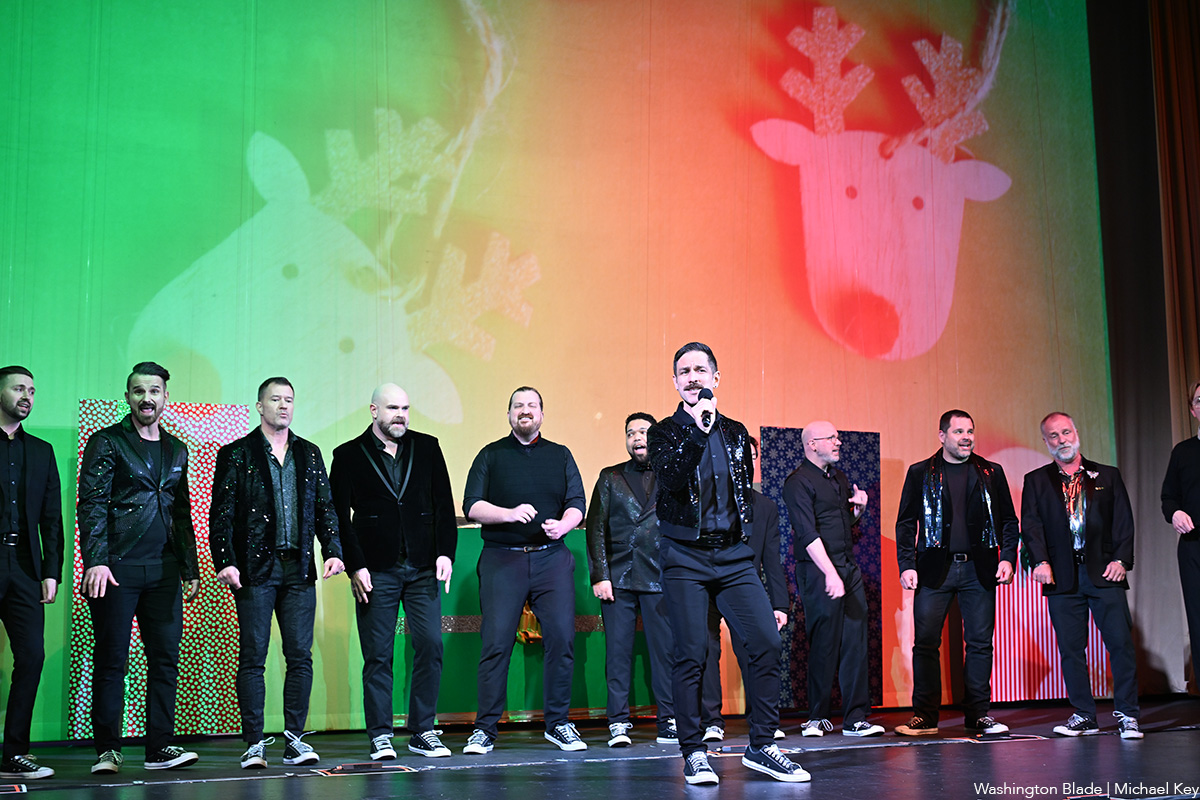
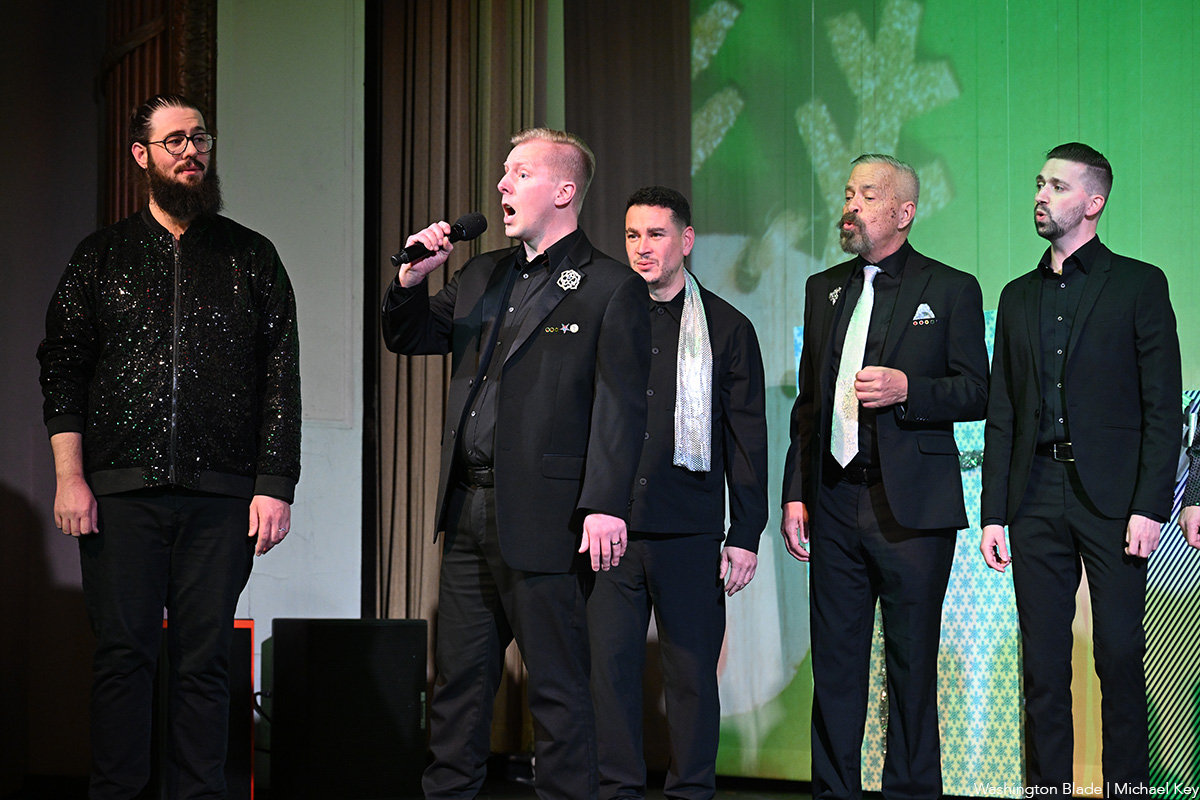
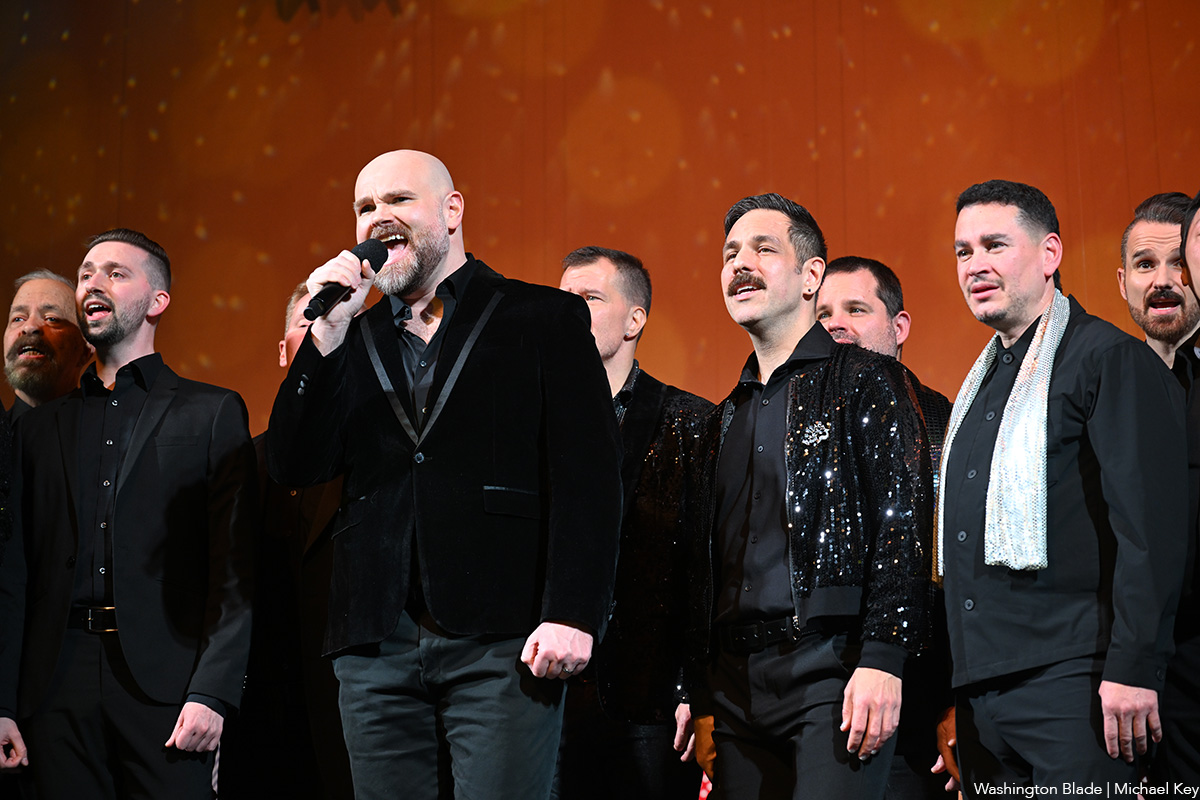
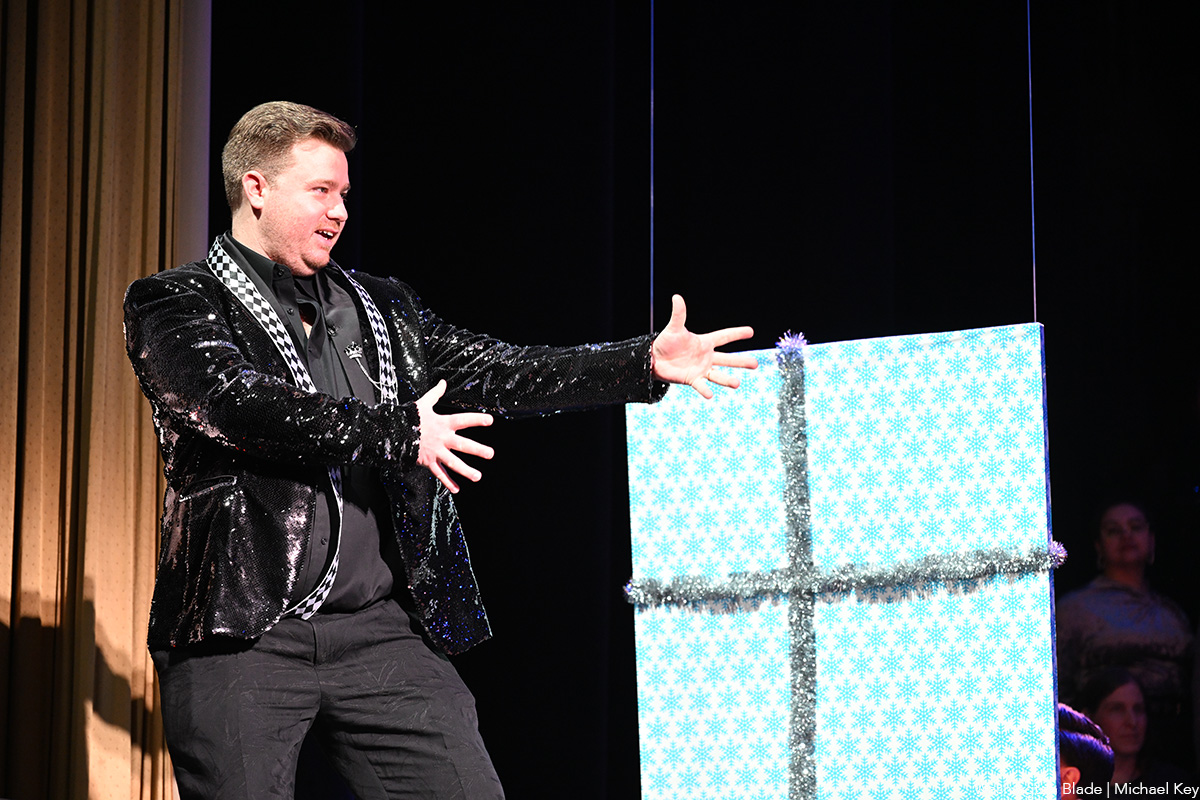
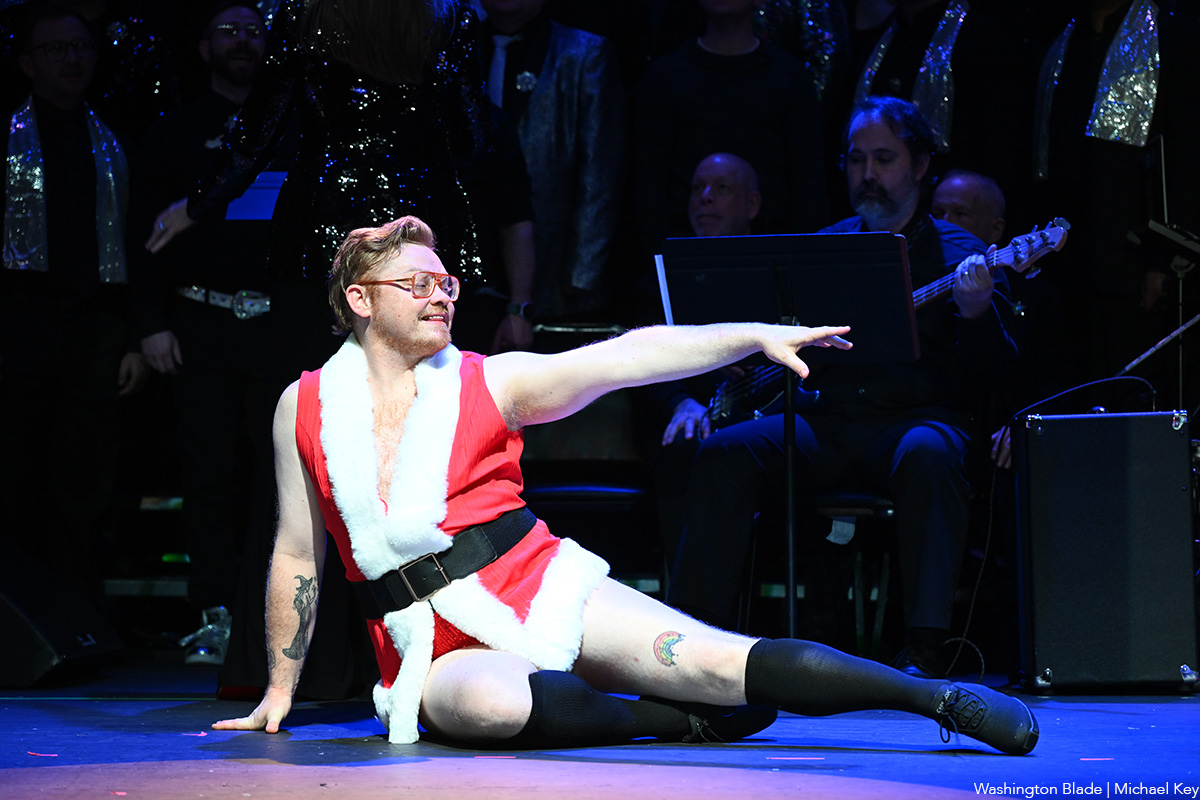
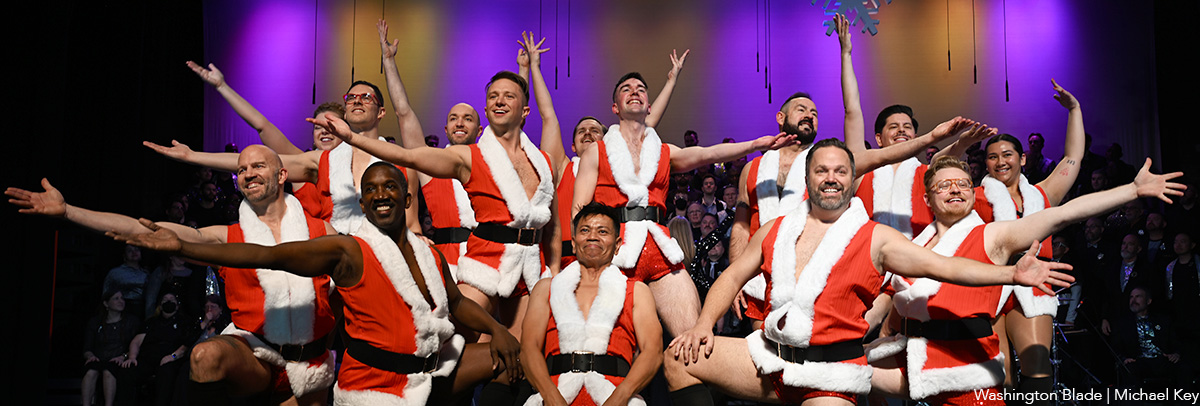
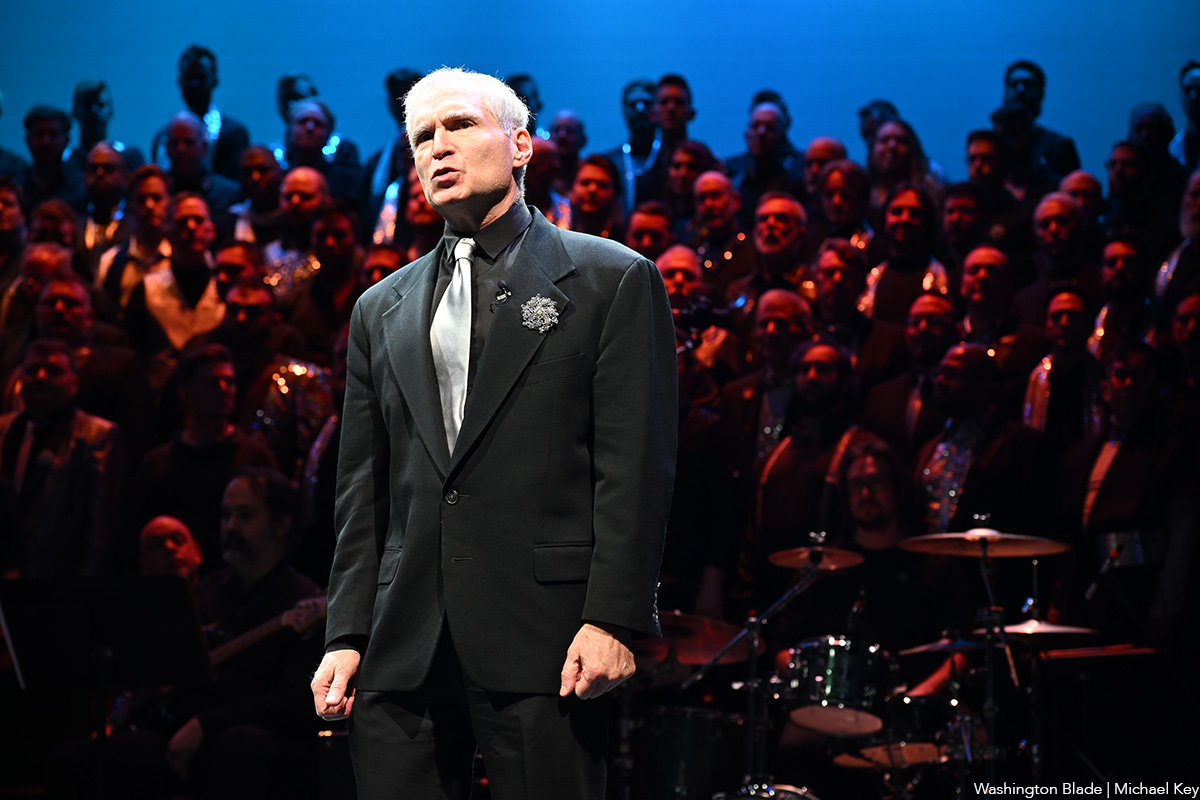
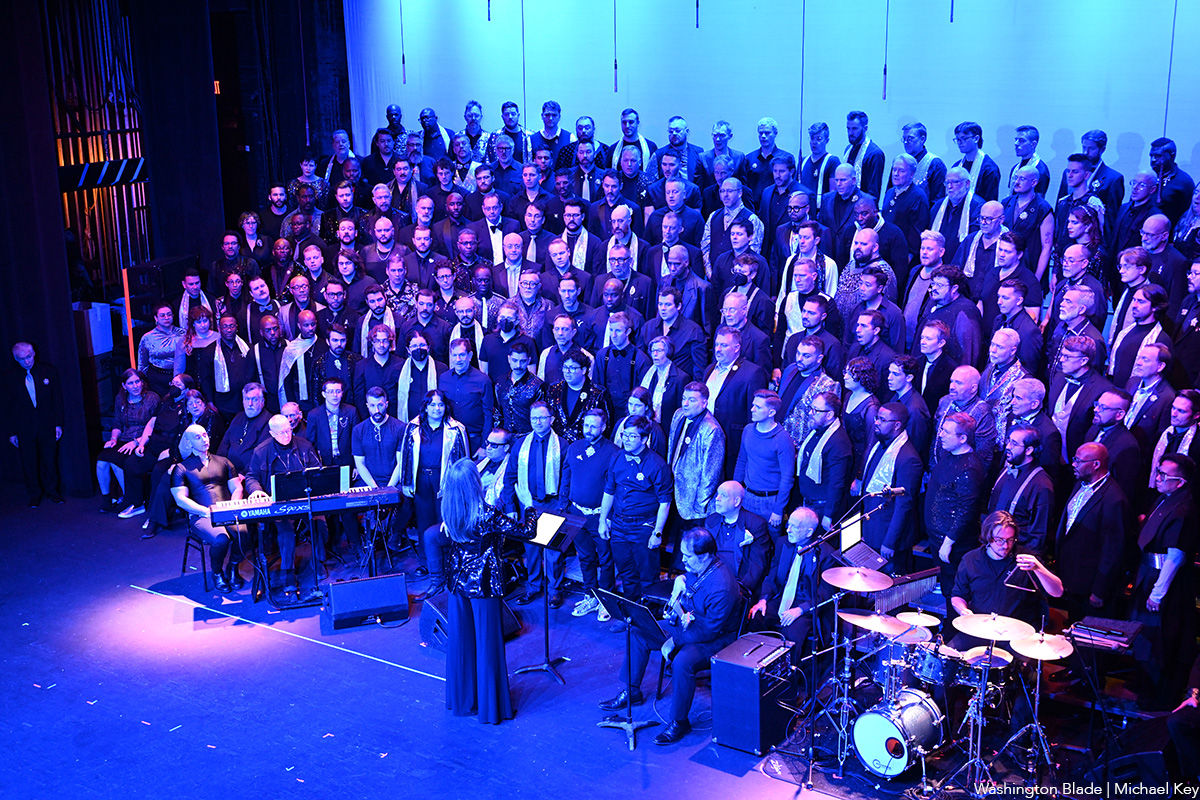
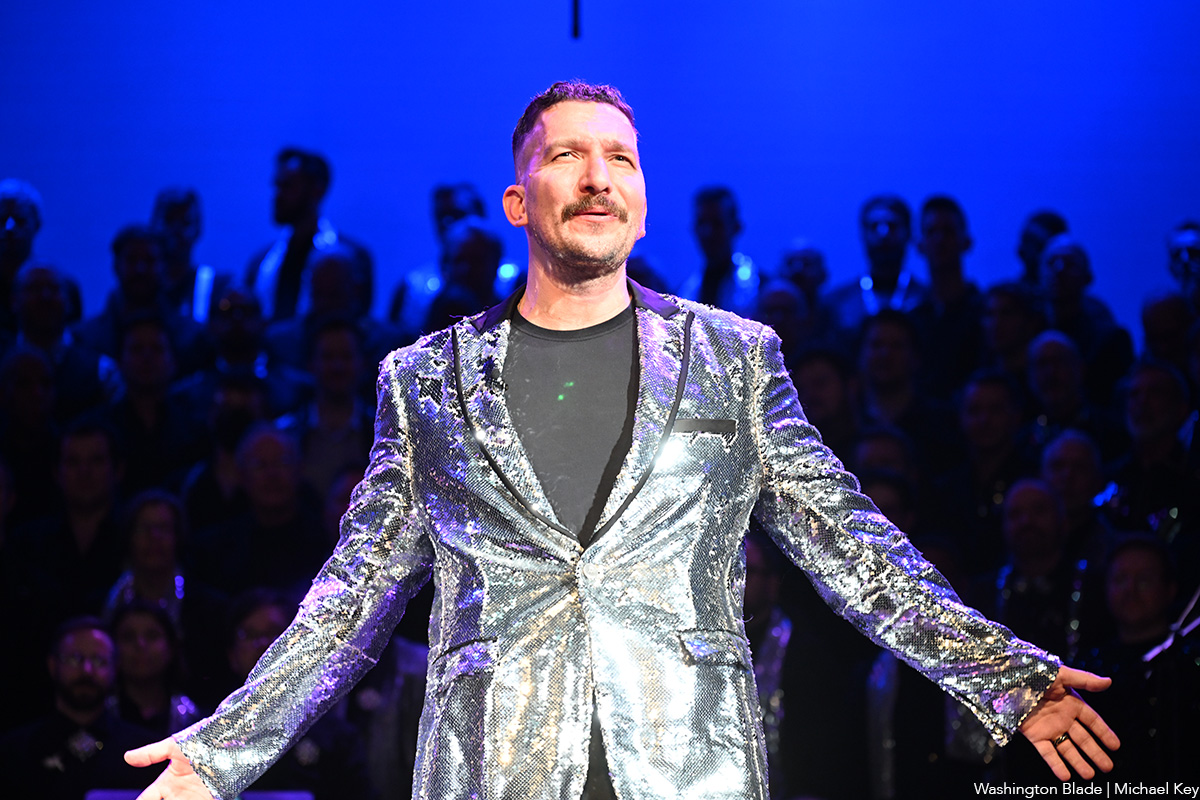
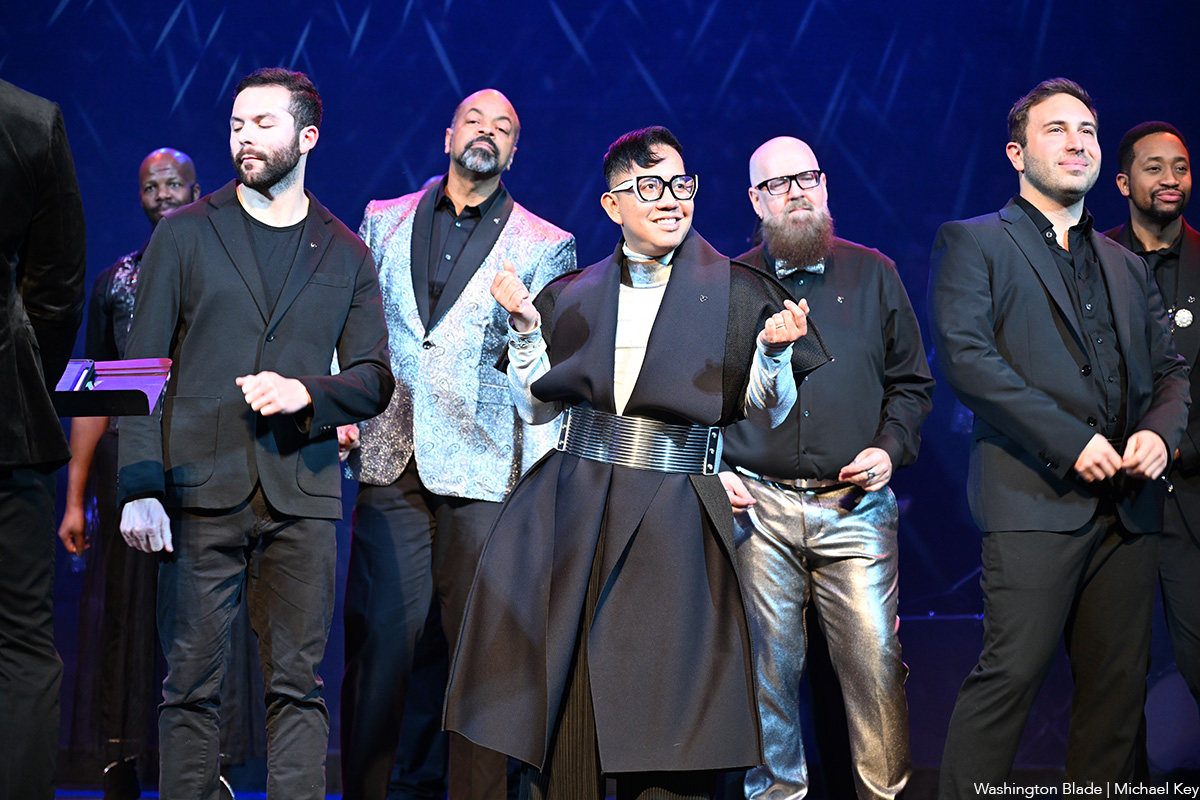
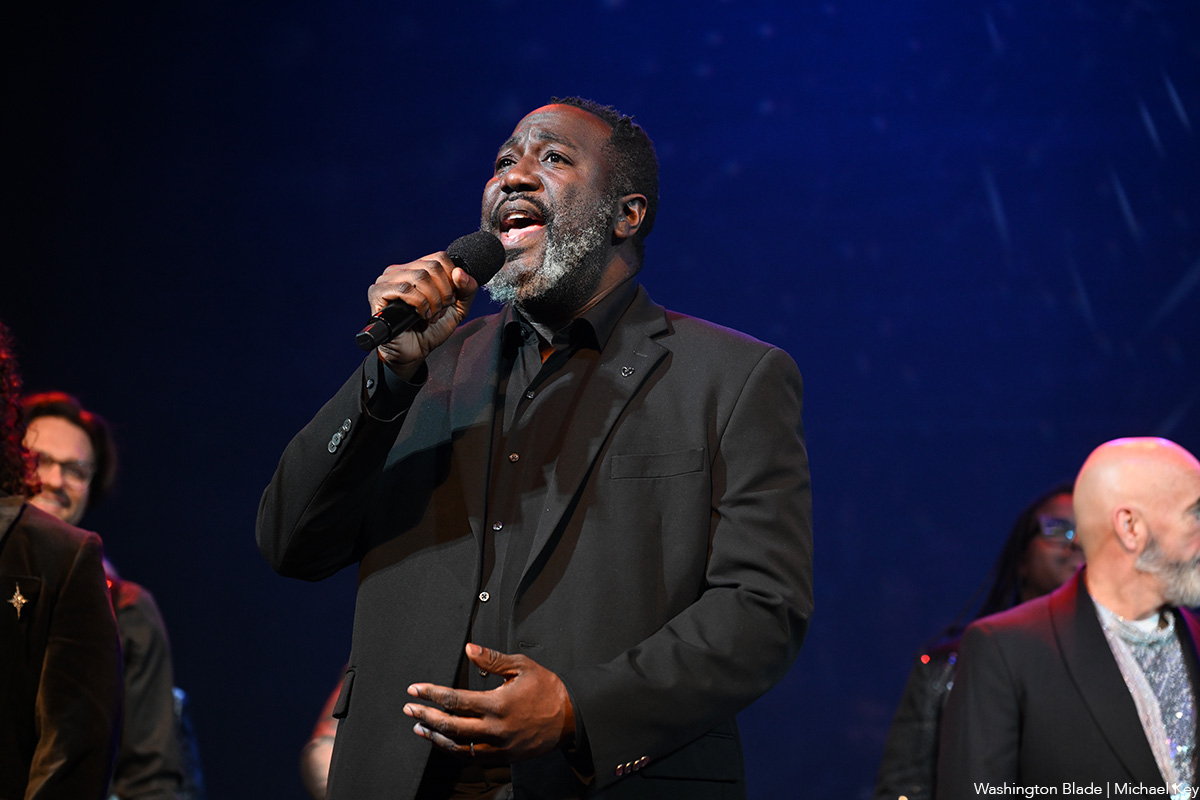
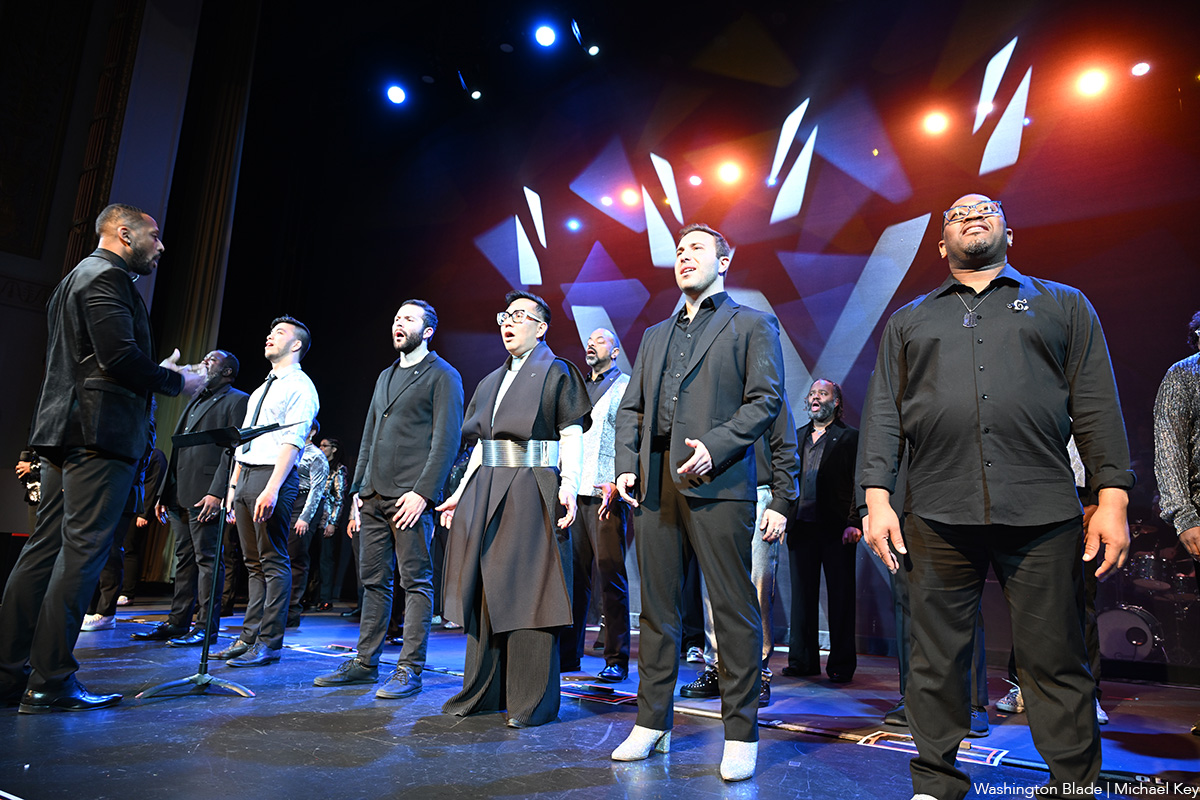
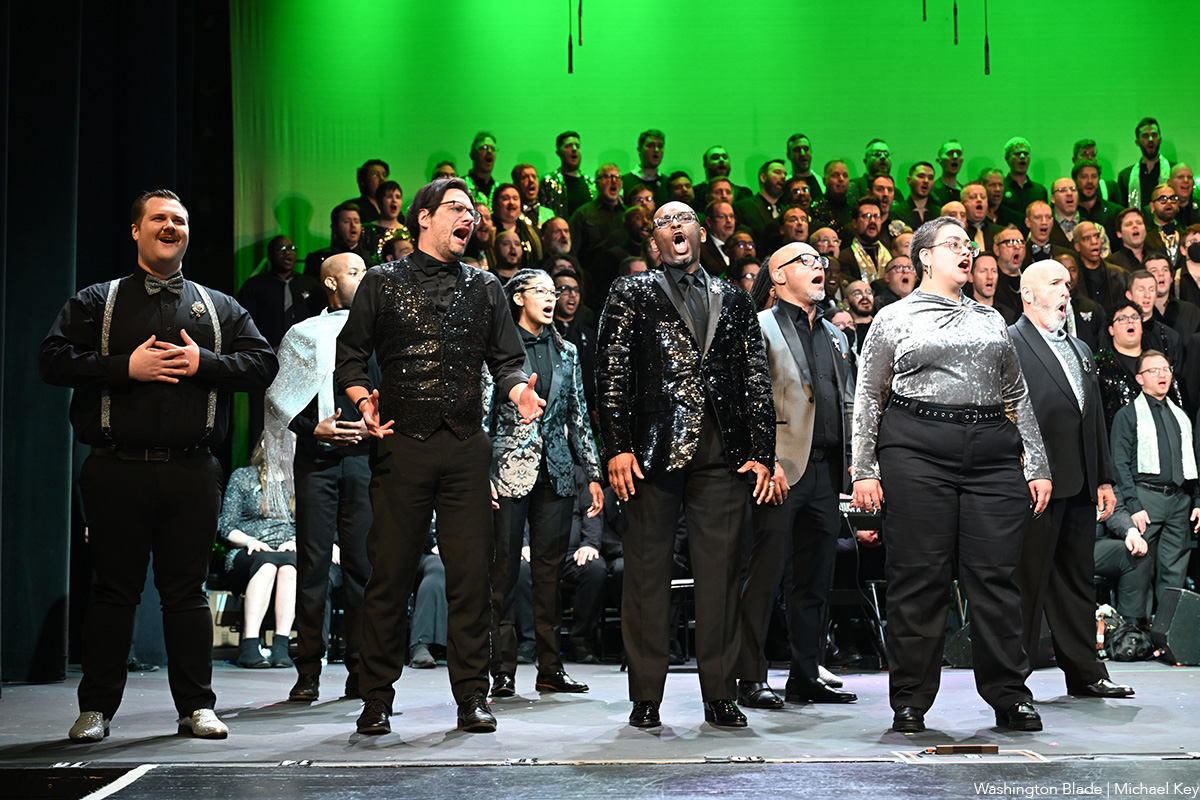
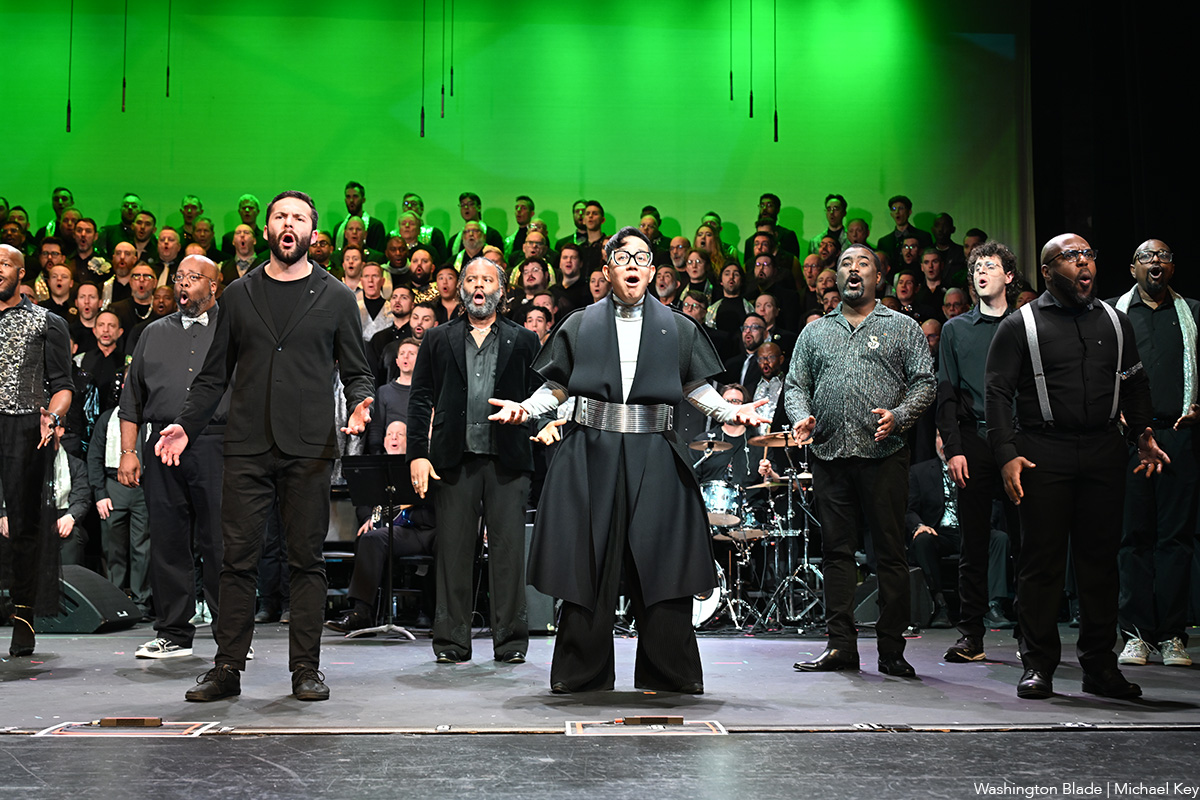
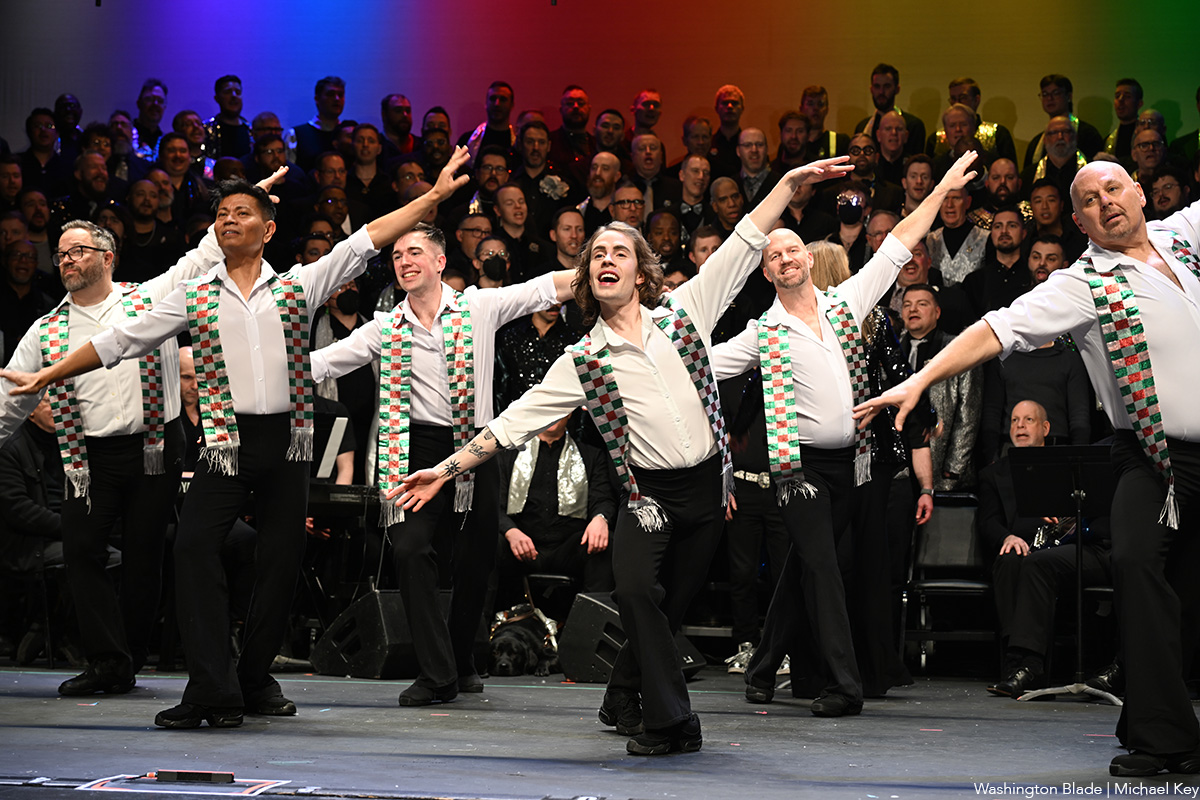
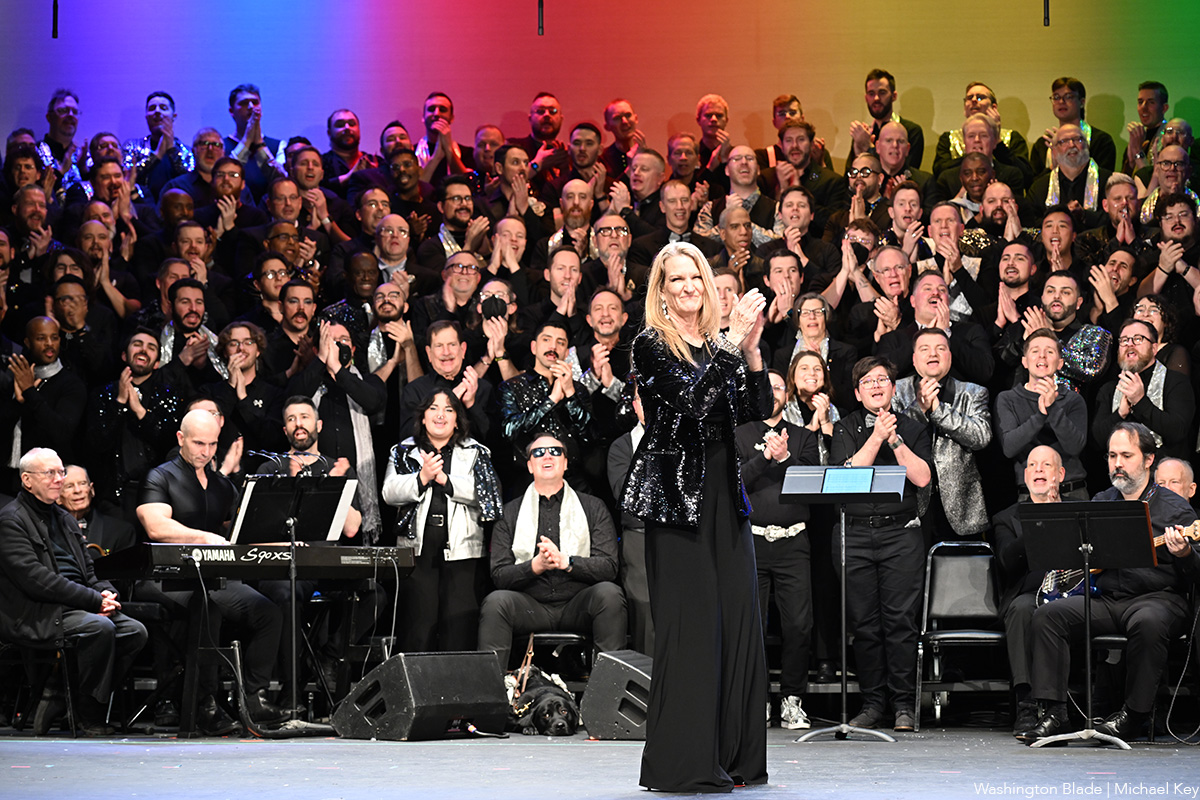
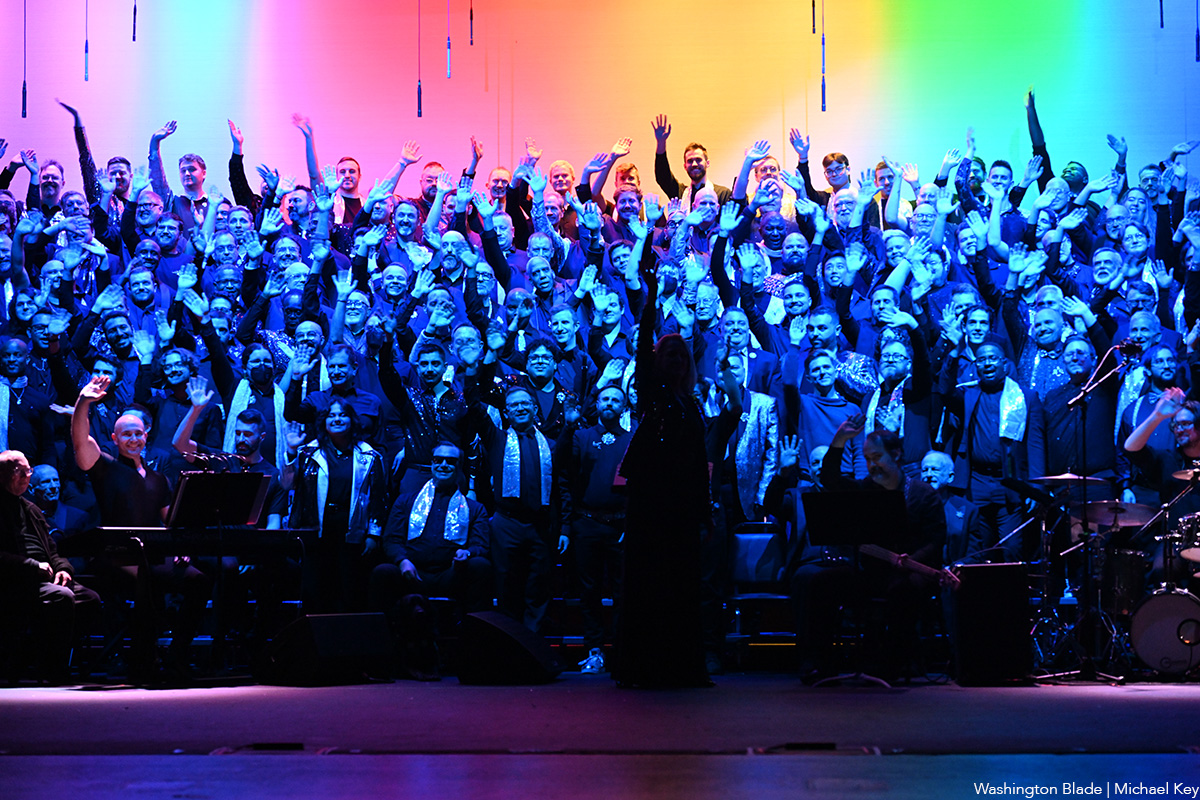
The Gay Men’s Chorus of Washington perform “The Holiday Show” at Lincoln Theatre (1215 U St., N.W.). Visit gmcw.org for tickets and showtimes.
(Washington Blade photos by Michael Key)









Santa will be very relieved.
You’ve taken most of the burden off him by making a list and checking it twice on his behalf. The gift-buying in your house is almost done – except for those few people who are just so darn hard to buy for. So what do you give to the person who has (almost) everything? You give them a good book, like maybe one of these.
Memoir and biography
The person who loves digging into a multi-level memoir will be happy unwrapping “Blessings and Disasters: A Story of Alabama” by Alexis Okeowo (Henry Holt). It’s a memoir about growing up Black in what was once practically ground zero for the Confederacy. It’s about inequality, it busts stereotypes, and yet it still oozes love of place. You can’t go wrong if you wrap it up with “Queen Mother: Black Nationalism, Reparations, and the Untold Story of Audley Moore” by Ashley D. Farmer (Pantheon). It’s a chunky book with a memoir with meaning and plenty of thought.
For the giftee on your list who loves to laugh, wrap up “In My Remaining Years” by Jean Grae (Flatiron Books). It’s part memoir, part comedy, a look back at the late-last-century, part how-did-you-get-to-middle-age-already? and all fun. Wrap it up with “Here We Go: Lessons for Living Fearlessly from Two Traveling Nanas” by Eleanor Hamby and Dr. Sandra Hazellip with Elisa Petrini (Viking). It’s about the adventures of two 80-something best friends who seize life by the horns – something your giftee should do, too.
If there’ll be someone at your holiday table who’s finally coming home this year, wrap up “How I Found Myself in the Midwest” by Steve Grove (Simon & Schuster). It’s the story of a Silicon Valley worker who gives up his job and moves with his family to Minnesota, which was once home to him. That was around the time the pandemic hit, George Floyd was murdered, and life in general had been thrown into chaos. How does someone reconcile what was with what is now? Pair it with “Homestand: Small Town Baseball and the Fight for the Soul of America” by Will Bardenwerper (Doubleday). It’s set in New York and but isn’t that small-town feel universal, no matter where it comes from?
Won’t the adventurer on your list be happy when they unwrap “I Live Underwater” by Max Gene Nohl (University of Wisconsin Press)? They will, when they realize that this book is by a former deep-sea diver, treasure hunter, and all-around daredevil who changed the way we look for things under water. Nohl died more than 60 years ago, but his never-before-published memoir is fresh and relevant and will be a fun read for the right person.
If celeb bios are your giftee’s thing, then look for “The Luckiest” by Kelly Cervantes (BenBella Books). It’s the Midwest-to-New-York-City story of an actress and her life, her marriage, and what she did when tragedy hit. Filled with grace, it’s a winner.
Your music lover won’t want to open any other gifts if you give “Only God Can Judge Me: The Many Lives of Tupac Shakur” by Jeff Pearlman (Mariner Books). It’s the story of the life, death, and everything in-between about this iconic performer, including the mythology that he left behind. Has it been three decades since Tupac died? It has, but your music lover never forgets. Wrap it up with “Point Blank (Quick Studies)” by Bob Dylan, text by Eddie Gorodetsky, Lucy Sante, and Jackie Hamilton (Simon & Schuster), a book of Dylan’s drawings and artwork. This is a very nice coffee-table size book that will be absolutely perfect for fans of the great singer and for folks who love art.
For the giftee who’s concerned with their fellow man, “The Lost and the Found: A True Story of Homelessness, Found Family and Second Chances” by Kevin Fagan (One Signal / Atria) may be the book to give. It’s a story of two “unhoused” people in San Francisco, one of the country’s wealthiest cities, and their struggles. There’s hope in this book, but also trouble and your giftee will love it.
For the person on your list who suffered loss this year, give “Pine Melody” by Stacey Meadows (Independently Published), a memoir of loss, grief, and healing while remembering the person gone.
LGBTQ fiction
For the mystery lover who wants something different, try “Crime Ink: Iconic,” edited by John Copenhaver and Salem West (Bywater Books), a collection of short stories inspired by “queer legends” and allies you know. Psychological thrillers, creepy crime, cozies, they’re here.
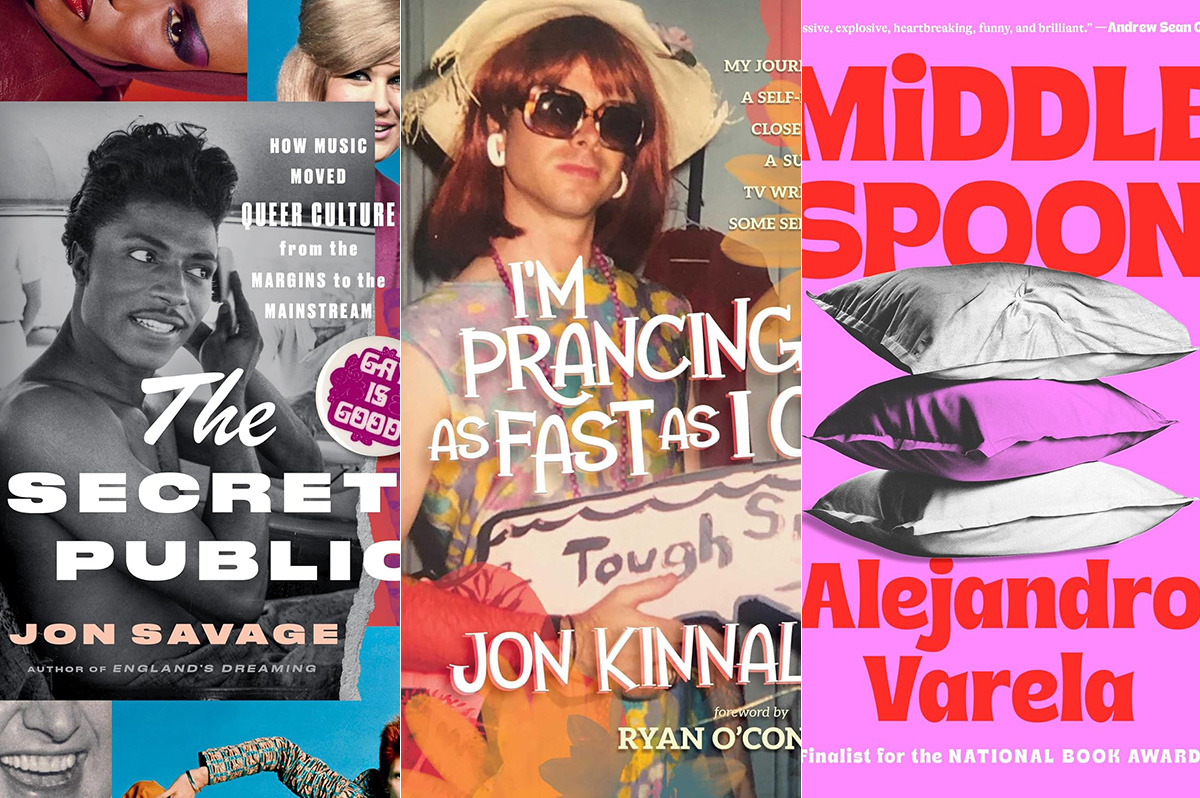
Novel lovers will want to curl up this winter with “Middle Spoon” by Alejandro Varela (Viking), a book about a man who appears to have it all, until his heart is broken and the fix for it is one he doesn’t quite understand and neither does anyone he loves.
LGBTQ studies – nonfiction
For the young man who’s struggling with issues of gender, “Before They Were Men” by Jacob Tobia (Harmony Books) might be a good gift this year. These essays on manhood in today’s world works to widen our conversations on the role politics and feminism play in understanding masculinity and how it’s time we open our minds.
If there’s someone on your gift list who had a tough growing-up (didn’t we all?), then wrap up “I’m Prancing as Fast as I Can” by Jon Kinnally (Permuted Press / Simon & Schuster). Kinnally was once an awkward kid but he grew up to be a writer for TV shows you’ll recognize. You can’t go wrong gifting a story like that. Better idea: wrap it up with “So Gay for You: Friendship, Found Family, & The Show That Started It All” by Leisha Hailey & Kate Moennig (St. Martin’s Press), a book about a little TV show that launched a BFF-ship.
Who doesn’t have a giftee who loves music? You sure do, so wrap up “The Secret Public: How Music Moved Queer Culture from the Margins to the Mainstream” by Jon Savage (Liveright). Nobody has to tell your giftee that queer folk left their mark on music, but they’ll love reading the stories in this book and knowing what they didn’t know.
The Blade may receive commissions from qualifying purchases made via this post.
Theater
Studio’s ‘Mother Play’ draws from lesbian playwright’s past
A poignant memory piece laced with sadness and wry laughs
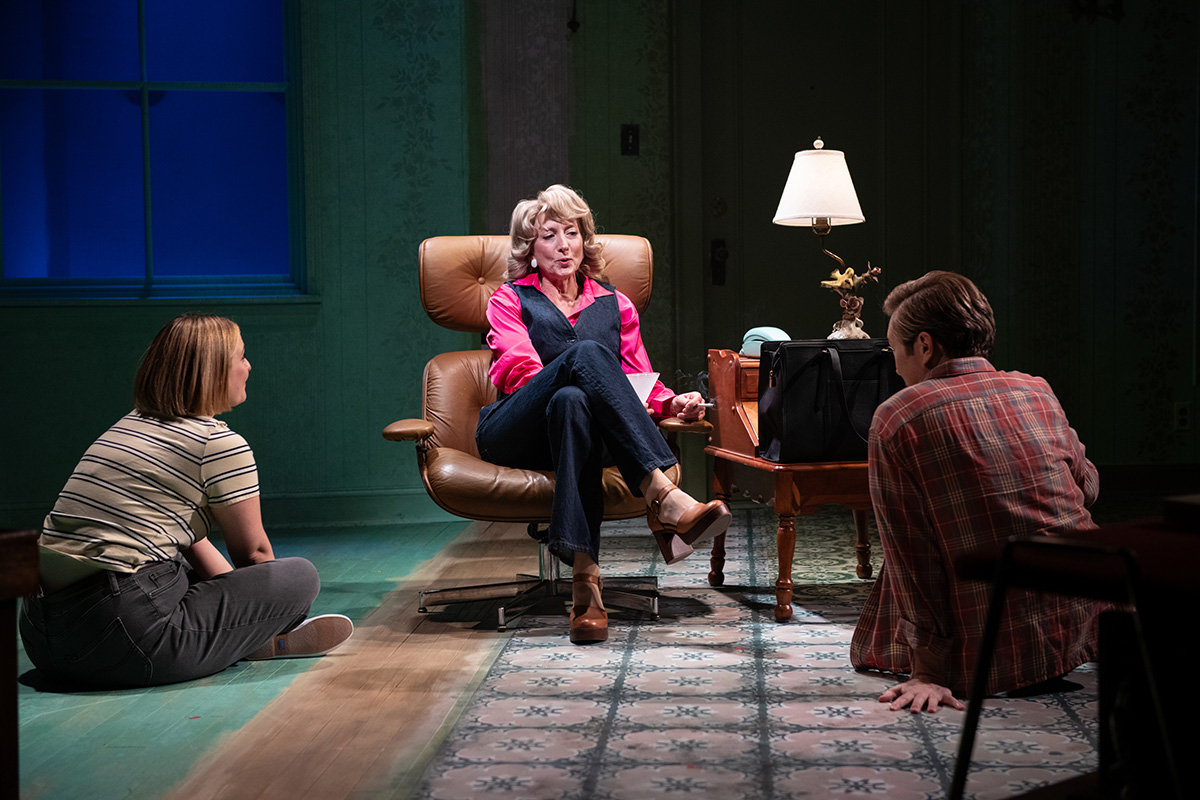
‘The Mother Play’
Through Jan. 4
Studio Theatre
1501 14th St., N.W.
$42 – $112
Studiotheatre.org
“The Mother Play” isn’t the first work by Pulitzer Prize-winning lesbian playwright Paula Vogel that draws from her past. It’s just the most recent.
Currently enjoying an extended run at Studio Theatre, “The Mother Play,” (also known as “The Mother Play: A Play in Five Evictions,” or more simply, “Mother Play”) is a 90-minute powerful and poignant memory piece laced with sadness and wry laughs.
The mother in question is Phyllis Herman (played exquisitely by Kate Eastwood Norris), a divorced government secretary bringing up two children under difficult circumstances. When we meet them it’s 1964 and the family is living in a depressing subterranean apartment adjacent to the building’s trash room.
Phyllis isn’t exactly cut out for single motherhood; an alcoholic chain-smoker with two gay offspring, Carl and Martha, both in their early teens, she seems beyond her depth.
In spite (or because of) the challenges, things are never dull in the Herman home. Phyllis is warring with landlords, drinking, or involved in some other domestic intrigue. At the same time, Carl is glued to books by authors like Jane Austen, and queer novelist Lytton Strachey, while Martha is charged with topping off mother’s drinks, not a mean feat.
Despite having an emotionally and physically withholding parent, adolescent Martha is finding her way. Fortunately, she has nurturing older brother Carl (the excellent Stanley Bahorek) who introduces her to queer classics like “The Well of Loneliness” by Radclyffe Hall, and encourages Martha to pursue lofty learning goals.
Zoe Mann’s Martha is just how you might imagine the young Vogel – bright, searching, and a tad awkward.
As the play moves through the decades, Martha becomes an increasingly confident young lesbian before sliding comfortably into early middle age. Over time, her attitude toward her mother becomes more sympathetic. It’s a convincing and pleasing performance.
Phyllis is big on appearances, mainly her own. She has good taste and a sharp eye for thrift store and Goodwill finds including Chanel or a Von Furstenberg wrap dress (which looks smashing on Eastwood Norris, by the way), crowned with the blonde wig of the moment.
Time and place figure heavily into Vogel’s play. The setting is specific: “A series of apartments in Prince George’s and Montgomery County from 1964 to the 21st century, from subbasement custodial units that would now be Section 8 housing to 3-bedroom units.”
Krit Robinson’s cunning set allows for quick costume and prop changes as decades seamlessly move from one to the next. And if by magic, projection designer Shawn Boyle periodically covers the walls with scurrying roaches, a persistent problem for these renters.
Margot Bordelon directs with sensitivity and nuance. Her take on Vogel’s tragicomedy hits all the marks.
Near the play’s end, there’s a scene sometimes referred to as “The Phyllis Ballet.” Here, mother sits onstage silently in front of her dressing table mirror. She is removed of artifice and oozes a mixture of vulnerability but not without some strength. It’s longish for a wordless scene, but Bordelon has paced it perfectly.
When Martha arranges a night of family fun with mom and now out and proud brother at Lost and Found (the legendary D.C. gay disco), the plan backfires spectacularly. Not long after, Phyllis’ desire for outside approval resurfaces tenfold, evidenced by extreme discomfort when Carl, her favorite child, becomes visibly ill with HIV/AIDS symptoms.
Other semi-autobiographical plays from the DMV native’s oeuvre include “The Baltimore Waltz,” a darkly funny, yet moving piece written in memory of her brother (Carl Vogel), who died of AIDS in 1988. The playwright additionally wrote “How I Learned to Drive,” an acclaimed play heavily inspired by her own experiences with sexual abuse as a teenager.
“The Mother Play” made its debut on Broadway in 2024, featuring Jessica Lange in the eponymous role, earning her a Tony Award nomination.
Like other real-life matriarch inspired characters (Mary Tyrone, Amanda Wingfield, Violet Weston to name a few) Phyllis Herman seems poised to join that pantheon of complicated, women.

PHOTOS: The Holiday Show

The best books to give this holiday season

Studio’s ‘Mother Play’ draws from lesbian playwright’s past

Choose U ambassadors share lived experiences with HIV, personal reflections, and insights

DOJ seeks to join lawsuit against Loudoun County over trans student in locker room

EXCLUSIVE: George Santos speaks out on prison, Trump pardon, and more

Victory Institute honors transgender Spanish senator in D.C.

The beginning of the fall of Trump

Markey reintroduces International Human Rights Act in Senate