Arts & Entertainment
Lighting the way: an interview with singer Janis Ian
Veteran performer embarking on final tour
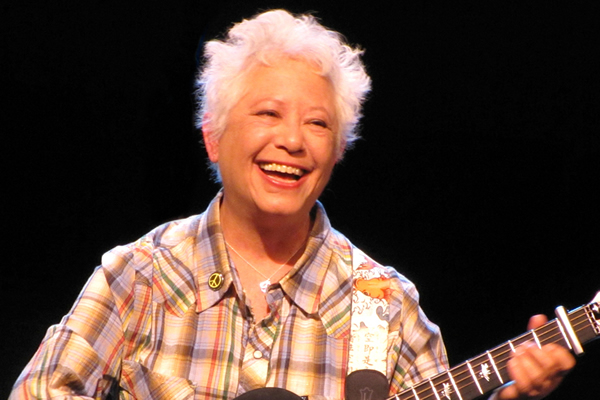
By my count, queer singer/songwriter Janis Ian has had four distinct chapters in her musical career. The first began when she was in her teens with the release of her groundbreaking single “Society’s Child,” and the albums on Verve Records that followed in the late 1960s. By the mid-1970s, for the second chapter, Ian signed to Columbia Records, resulting in the biggest hit single of her career, the Grammy Award-winning classic “At Seventeen.” She remained on Columbia into the early 1980s, even collaborating with Giorgio Moroder on the song “Fly Too High.” The third chapter occurred in the early 1990s. Bette Midler recorded Ian’s song “Some People’s Lives,” the title track of Bette’s Grammy-winning 1991 album. Ian herself recorded the song for her marvelous 1993 comeback album, the aptly titled “Breaking Silence.”
Ian has not been sitting idle since that time, mind you. She’s released a few more albums, including some on her own Rude Girl Records label. She also published her memoir “Society’s Child: My Autobiography” in 2008 and won her second Grammy for the audiobook. I have had the pleasure of interviewing Janis in 1994, 2004, 2008, and in 2022, and it is always a revelatory experience. She was kind enough to answer a few questions in advance of the release of her flawless new album “The Light at the End of the Line” (Rude Girl).
BLADE: I’ve been racking my brain trying to come up with the best way to say this, and I keep returning the fact that with The Light at the End of the Line, your extraordinary last solo studio album, you are going out with a bang.
JANIS IAN: [Laughs] better a bang than a whimper!
BLADE: What was involved in the decision to make this your final studio recording?
IAN: I think hitting 70 was a big part of it. Having the last 15 years to put together songs and wanting to make something that was better than anything I’d done before was involved. Mostly, the timing really worked out. I went into lockdown right around when I needed or wanted to start thinking about this. I had no plans until I looked up at my write board and realized I had 15 songs I was pleased with, and one unfinished. I started listening to what Randy Leago had done with “Resist,” and I began working with Viktor Krauss on “Better Times…” I had originally intended to do an all-solo acoustic album, but it became clear that I really wanted a blend of it to serve the songs. There wasn’t a sudden, “Gee, I’ll make an album now” decision. There was more a talking to people and seeing where Randy and Viktor’s schedules were. Seeing where John Whelan was. Whether we could get Nuala Kennedy to do her parts from Ireland. Finding a studio where I live, which is near Bradenton, so there’s not a huge amount of studios available. Then just winnowing down the songs and going, “Well, I think this is actually an album.”
BLADE: Among the many aspects that make The Light at the End of the Line exceptional is that for the 12 songs, you draw on the many influences spanning your five-decade career, beginning with “I’m Still Standing,” which is as personal as, say, “At Seventeen.”
IAN: I would say so. That was part of my goal for the entire album, and part of the winnowing down of songs, was to make sure that the songs I picked were as universal as possible, and also songs that would hopefully stand the test of time. I mean it’s incredible that “At Seventeen” was released in 1975. It’s 45 years later and it’s still getting lots of airplay. Lots of people still sing it. People are still affected by it, young people, not people anywhere close to my age. So, to make an album that would reach as many people as possible emotionally, and at the same time have songs that were as well-written as I’m capable of doing after almost 60 years as a songwriter; that was the challenge, really. So, I’m glad to hear you say that.
BLADE: The social consciousness of your music extends all the way back to “Society’s Child” and continues today with songs such as “Stranger” and “Resist.” Please say a few words about the role of social commentary in your music.
IAN: I was raised in a very political family. I grew up stuffing envelopes and going to marches. My parents were both politically aware. My mom did things like attend the Civil Rights Congress. My parents were under watch by the FBI. So, it was a natural part of my life. Everyone we knew was involved, in one way or another, in politics and social issues, because I would regard feminism as much as a social issue as a political one. Although the line between the two is pretty blurred these days as I’m sure you know. “Stranger” just came out of nowhere one night. I had an off night and I never write on the road, ever. I think I’ve written two songs in my life while I was touring. But I was changing guitar strings and came up with that little pattern and the song just fell out in the course of the evening. I’ve been thinking about it a lot because my own grandfather had to come into America on a cousin’s passport. None of us found out his real name or the story until we were in our 20s and 30s. So I started thinking with all these people saying “illegals should be deported, even if they grew up here, even if they were born here, even if they’ve lived here 40 years, where does that leave me? Should I be sent back to Poland or Russia or the Ukraine?
BLADE: It truly resonates and it’s an ongoing issue. That leads me to the next question, which is about the anthemic single “Resist,” which is one of the album’s most powerful statements, with its “I will not disappear” and titular chants. Are you ever shocked that you still find yourself having to write and perform a song such as this?
IAN: I’m shocked that it hasn’t been fixed by now [laughs], and that it seems to be getting worse. I think that in some ways my generation underestimated the determination of the powers that be to stay in power. We knew about the FBI and the CIA, but it would never have occurred to us that there would still be genital mutilation. That women would still be burned on pyres. That there would be revenge rape. It’s a shock that these things still need to be addressed, but it’s not shocking that they need to be written about. I also think that music cuts through the noise in a way that very few other things can. Politics becomes just noise. Social media becomes just noise. Music has the ability to touch people’s hearts directly in a way that none of those things can. I didn’t set out with “Resist” and think, “Oh, I’m going to write a protest song about this.” But I was plenty annoyed when I wrote it.
BLADE: That definitely comes through.
IAN: It’s a fine line for me because my voice only carries so far. I can’t do what certain singers can do with their voices. I have a relatively light voice. That’s one of the great things about Randy Leago, and what he did with it. Because he managed to leave all that space for the vocal while surrounding it with…oh, I think I had asked for angry drums. So, the first thing you hear is that thud of the bass drum, which to me is like a footstep coming into the room. Lines like “I cannot be your virgin and I will not be your whore” came out of my own experience.
BLADE: It really is an incredible song. “Nina” is a breathtaking tribute to Nina Simone. It made me think about her performance in Questlove’s 2021 documentary Summer of Soul, and how she’s being reintroduced to new generations. Have you seen the doc?
IAN: I have not seen that, but I did see the Liz Garbus documentary What Happened, Miss Simone? (from 2015) because she’s singing my song in it.
BLADE: What do you think she’d think of your song about her?
IAN: [Big laugh] I would not begin to wonder what Nina would think about anything. I wouldn’t go there for $1,000,000. Well, maybe for $1,000,000, but I would be pretty unsure of myself. Nina was monumentally easy and monumentally difficult to love. That’s what I tried to capture in the song. She was biologically ill, mentally ill, I would say, but I’m not sure what the correct phrase is these days. But there was such a big biological aspect to it and by the time that was really beginning to be understood and treated, she had already burned so many bridges and made so many people angry. I feel like I saw Nina at her best and her worst. Her best was so much better than any other performer I’ve ever watched. And her worst was pretty scary.
BLADE: As a gay man, I have always loved the story about Nina’s correspondence with Langston Hughes.
IAN: She and (James) Baldwin (were friends), too. We had lunch at my mother’s one day and she showed up with James Baldwin in tow. I don’t think she cared about that at all because artists tend not. It doesn’t really matter, it’s like skin color. Who cares as long as you’re doing great work. It’s the world that surrounds us that becomes the problem.
BLADE: That is very true! Album closer “Better Times Will Come” is the kind of uplifting number we all need at this time. I was delighted by Diane Schuur’s scat…
IAN: Isn’t she great? Deedles!
BLADE: Her “Shayna maidel” shout-out elevates the song to a different level.
IAN: We probably talk every couple of weeks or more often. We’re good buddies. She’s great.
BLADE: Was that song as much fun to record as it is to listen to?
IAN: It began out of the Better Times project that I started when lockdown began — bettertimeswillcome.com. That involved, in the end, 187 artists all doing their own versions of the song. We’ve got 13 versions still to put up! Everything from Japanese sign language interpretation to a Dutch version to a Mandarin Chinese version to banjo or guitar or flatfooting. When it came time to record it, I wanted to close the album with it, but do something completely different from what I’d done already. My version that everybody worked off for the project was just me singing the song immediately after I finished it into my phone, no guitar, no nothing. You can go to bettertimeswillcome.com and watch all those videos, see all those versions, listen to them, download them. It was a great way to promote other artists who had projects coming out and suddenly couldn’t tour or make book appearances, all of that through my Facebook page. The Facebook people were wonderfully generous. I didn’t want to repeat that or reuse it, so it became question of how I do this so that it’s totally different from anything on the album and it maintains that spirit of inclusivity. I reached out to Viktor and we literally both sat down with our phone books and went, “OK, this person would be great. That person would be great. Are they available?” Vince Gill wasn’t available because he’s out with the Eagles. We told Vince we had a two-month window and he literally turned it in three days before we went to mix. With Deedles (Schuur), she’d been in lockdown for a while. There was no nearby studio. It was working with her manager to find a studio and then coordinating it with her so that she felt safe, and she could do it in her own time, in her own way. For all the musicians, it became a question of me saying, “This is a step-out moment. Treated it like you’re in the (Tommy) Dorsey bands in the old days and he suddenly points to you and says “You take your solo. No preparation, no leading up to it, no ramping up. You just start max.” I was really pleased with it. John Cowan singing a verse to start off with. That’s not something I’ve ever been able to do, and I’ve always wanted John to sing one of my songs. The harmonies are great. People like Andrea Zonn, who’s normally out with James Taylor, because of COVID they were available. It worked for the piece. Viktor and Jared (Anderson), the young engineer he found, worked at assembling. We spent a lot of time on it. It felt like we just needed something to give us all a bit of hope, and yet to recognize COVID, which is why the ending is what it is. Because we keep thinking we’re good and then we’re not and we think we’re good and then we’re not. Trying to speak to that, as well.
BLADE: As a songwriter, you have a long history of having your songs recorded by other performers. If you had to choose one song from The Light at the End of the Line to be covered by another artist, what song would it be and who would want to hear sing it?
IAN: Oh, man, that’s pretty easy! I would have P!nk record “Resist.” I think she would slay that; I think she would just kill that song.
BLADE: Not only is The Light at the End of the Line your last studio recording but the multi-city tour on which you will be embarking throughout most of 2022 is your final North American tour. What will you miss the most and the least about touring?
IAN: The thing you miss about touring when you’re not touring is the audience. I have really good audiences. Everything from the male or female seven-year-old would-be guitarist whose parent or grandparent thinks “You should see a really good acoustic guitarist” to the 80-year-old person who’s been following me since “Society’s Child.” It’s a really broad range. I meant it when I said (in the album art) that “this album is a love song” because when I wrote (the song) “The Light at the End of the Line” I looked at it as what I was saying to my fans. One of the difficult possibilities that artists face in these days of social media and easy advertising is making sure that you consider your supporters. A word I prefer to fans, because “fans” has other connotations. The people who have always supported me — I go back to Facebook as an example – there’s a social media everybody said you can’t make money from. And yet, one year when we held the sale for our Pearl Foundation, 70% of the money came from Facebook followers. I have to believe that if you do as I’ve done; if you don’t accept advertising on your page, if you don’t bother people, if you just present yourself and have a good time, they stay with you. I have more than half a million followers to attest to that. There are a lot of potential pitfalls that I try to avoid because I really respect the people who support my work. That’s an absurd cliché, Gregg, but it’s true. I respect those people. I have a lot of gratitude toward those people.
BLADE: Do you have a feeling that they know that?
IAN: Absolutely! When I was staying after every show and signing, which I did for 30 years, I would hear that. That was very direct. The Light at the End of the Line also becomes a way for me to say, “You stuck with me when I was not a great writer. You stuck with me when I didn’t really know what I was doing, and I grew up in this fishbowl. Here’s our payoff. I am now a really good writer and singer, and here’s a love song for you.
BLADE: The last couple of years have been brutal, to say the least, and we lost many great friends and artists, including Nanci Griffith and John Prine. Would you mind saying a few words about Nanci and John?
IAN: Nanci was a very under-recognized songwriter, like Dolly Parton. And a great interpreter. She called me one day and said, “Janis, I need a Janis Ian folk song.” [Laughs] “I don’t know what that means” and she said, “Just let it roll around.” I called my friend Jon Vezner and I said, “Nanci Griffith wants a Janis Ian folk song and I have this idea for something that’ll begin ‘This old town should have burned down in 1929’,” and he said, “Fantastic! I’ll be over tomorrow morning.” That’s how Nanci operated. She left you to do what you do. John’s death really took me aback. It hit me very hard. It’s not that we were that close, but I had known John since we’re both in our early 20s. We had seen each other at the Cambridge Folk Festival a little short while before, or it felt like a short while before. “Better Times Will Come” literally grew out of that. I was in our house, in the garage doing laundry, thinking about John. “Better times will come” started running through my head. I wrote it, basically, because John died. I’m not sure what I would have written without that. Somebody once said to me, “You will never be able to write a three-chord song.” Gregg, this is literally the only three-chord song I have written in my life. I have to think that on some level, without getting weird about it, John was out there encouraging it. He was the king of simplicity. John was simple and direct in a way that very few of us ever get to be. (He’s) sorely missed.



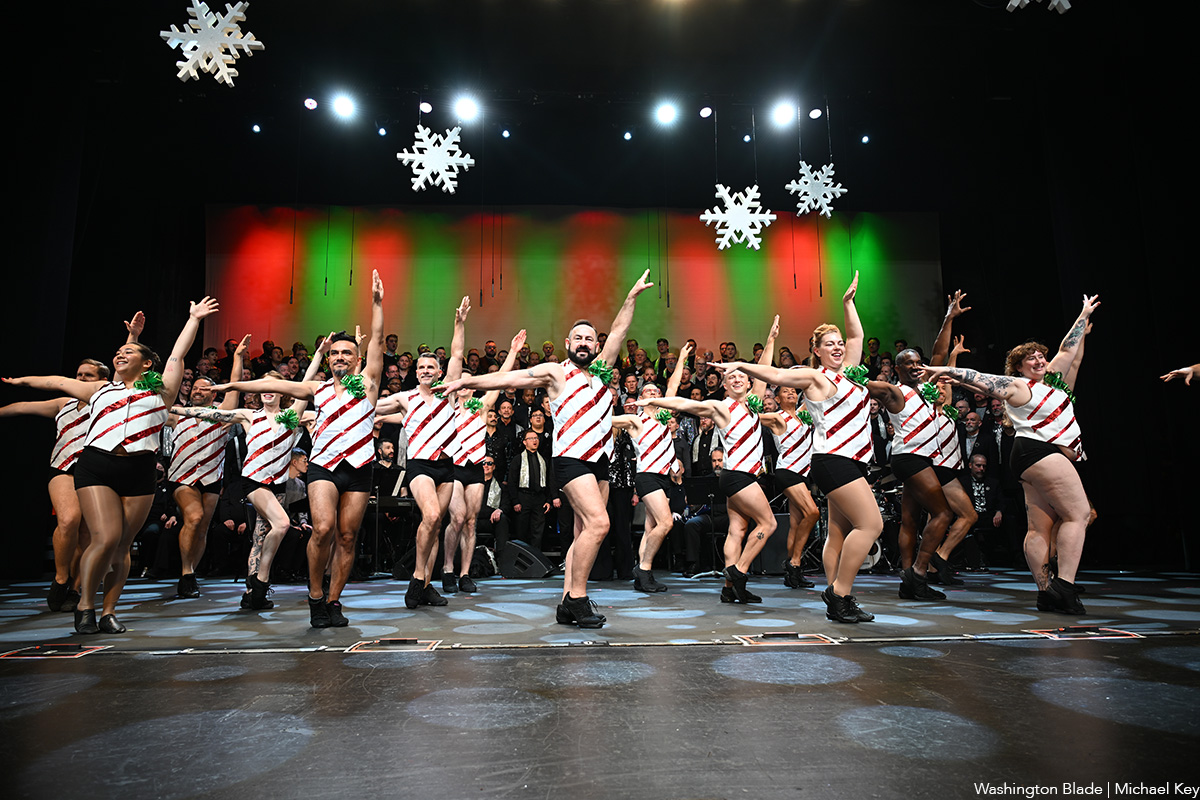
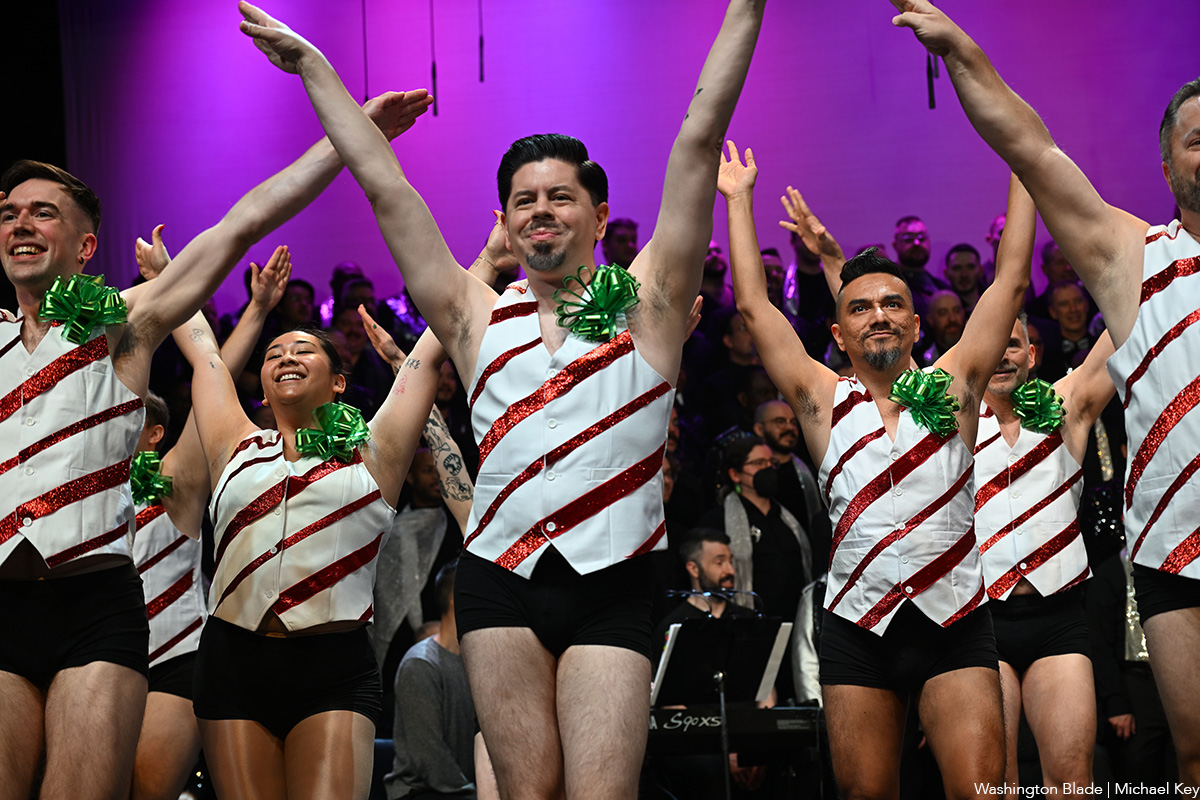
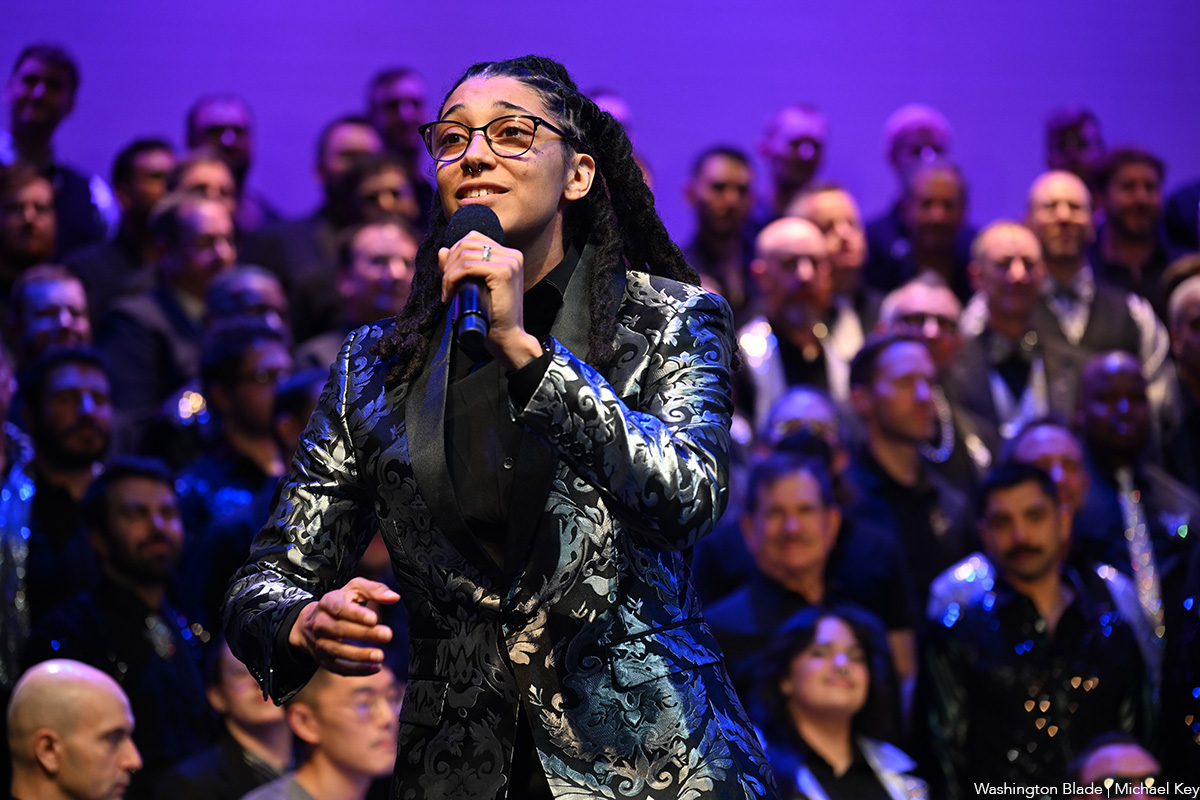
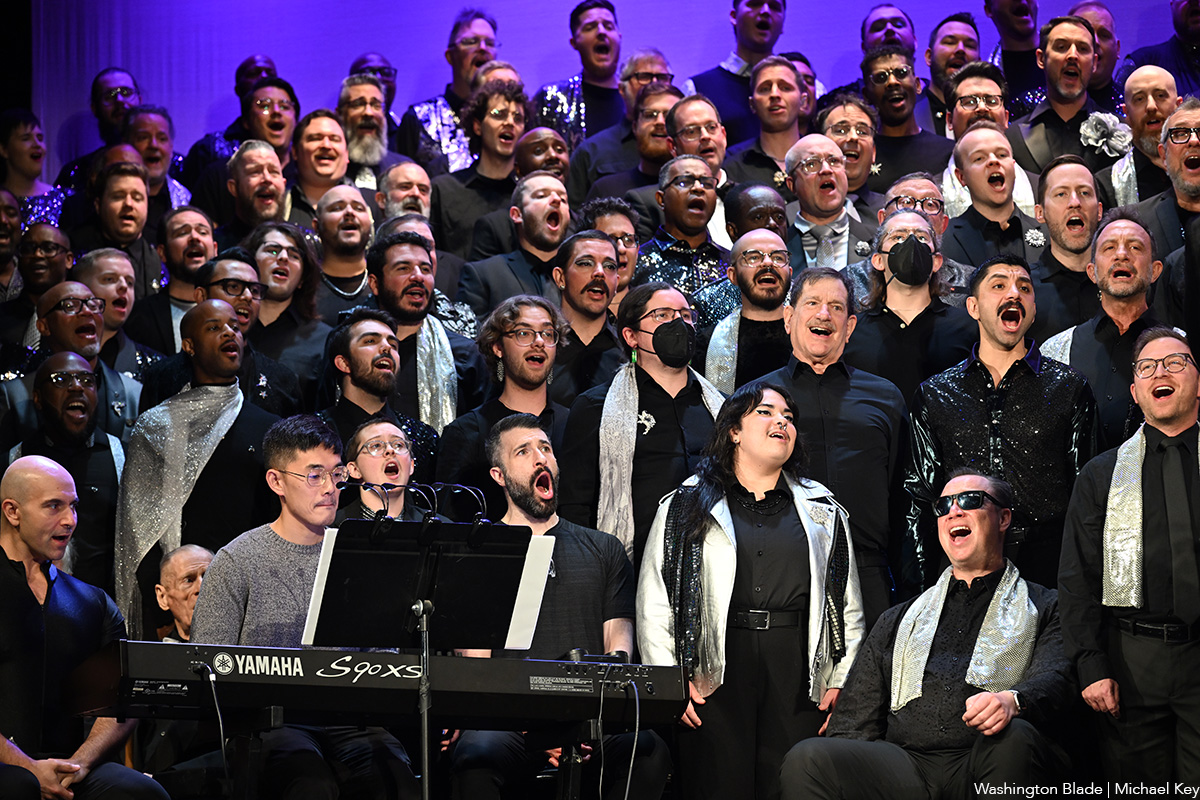
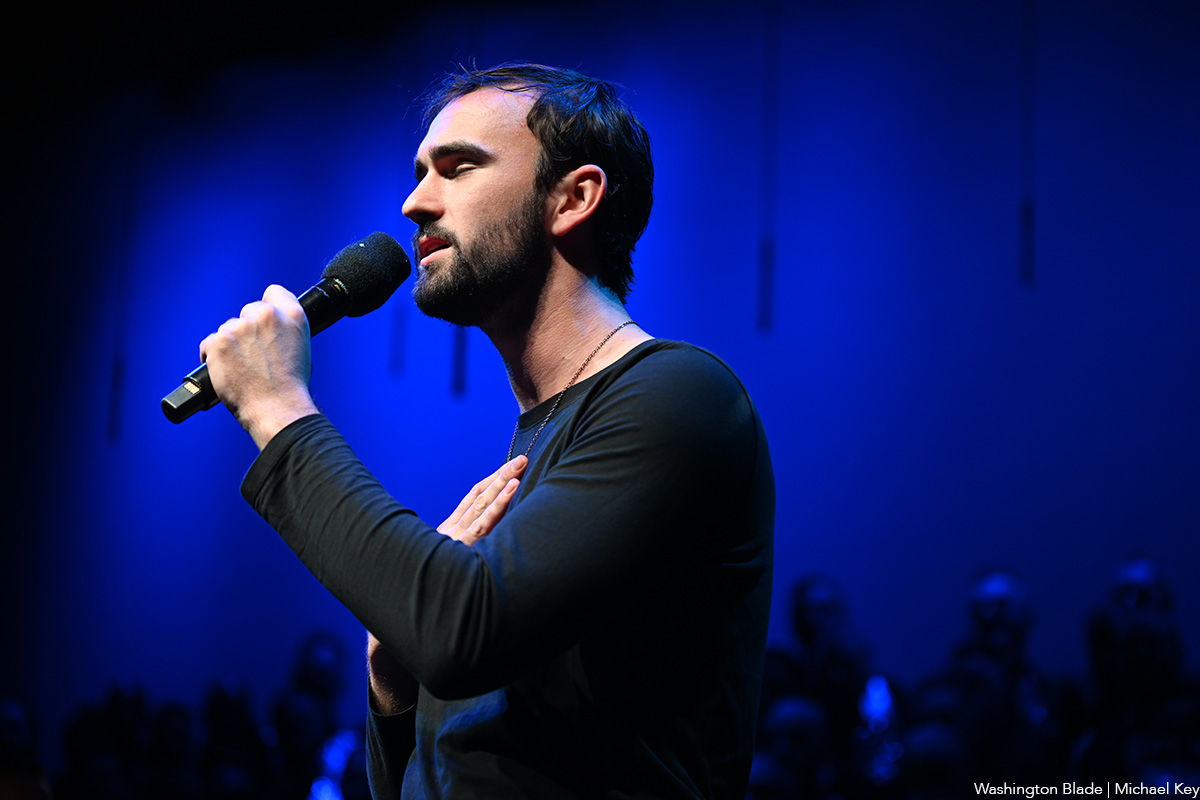
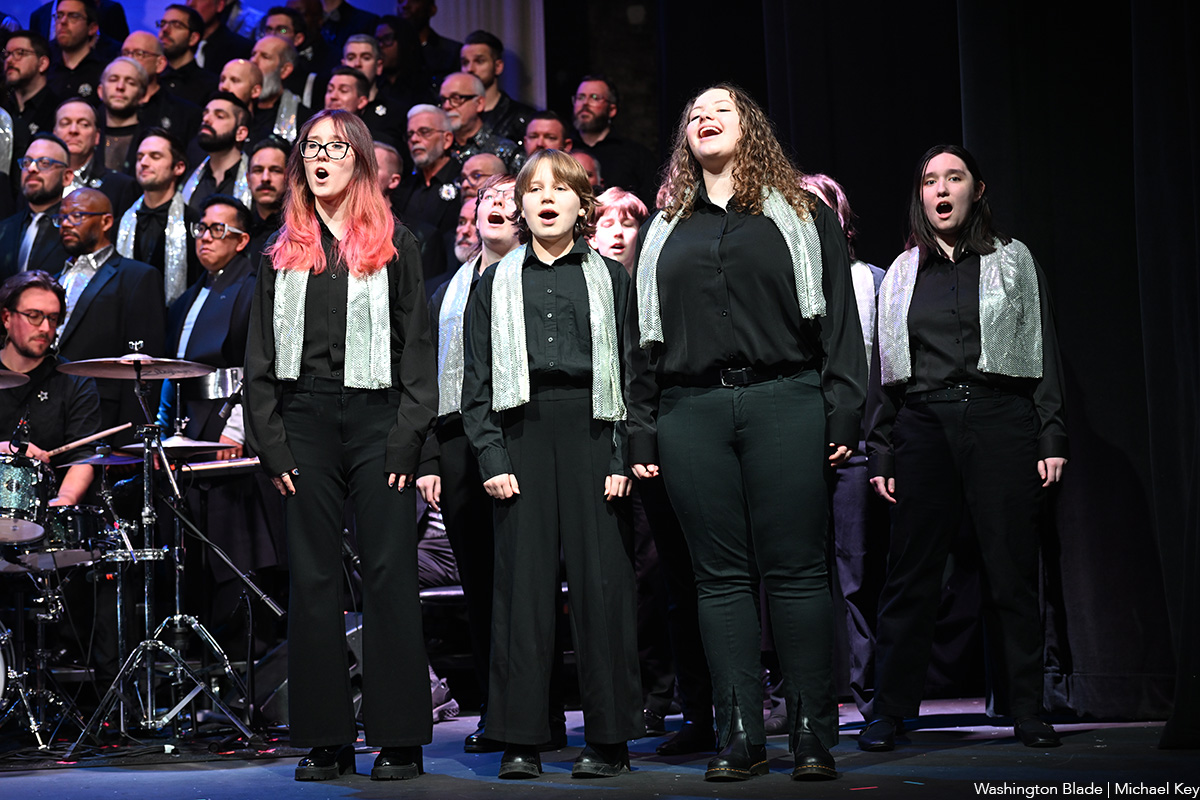
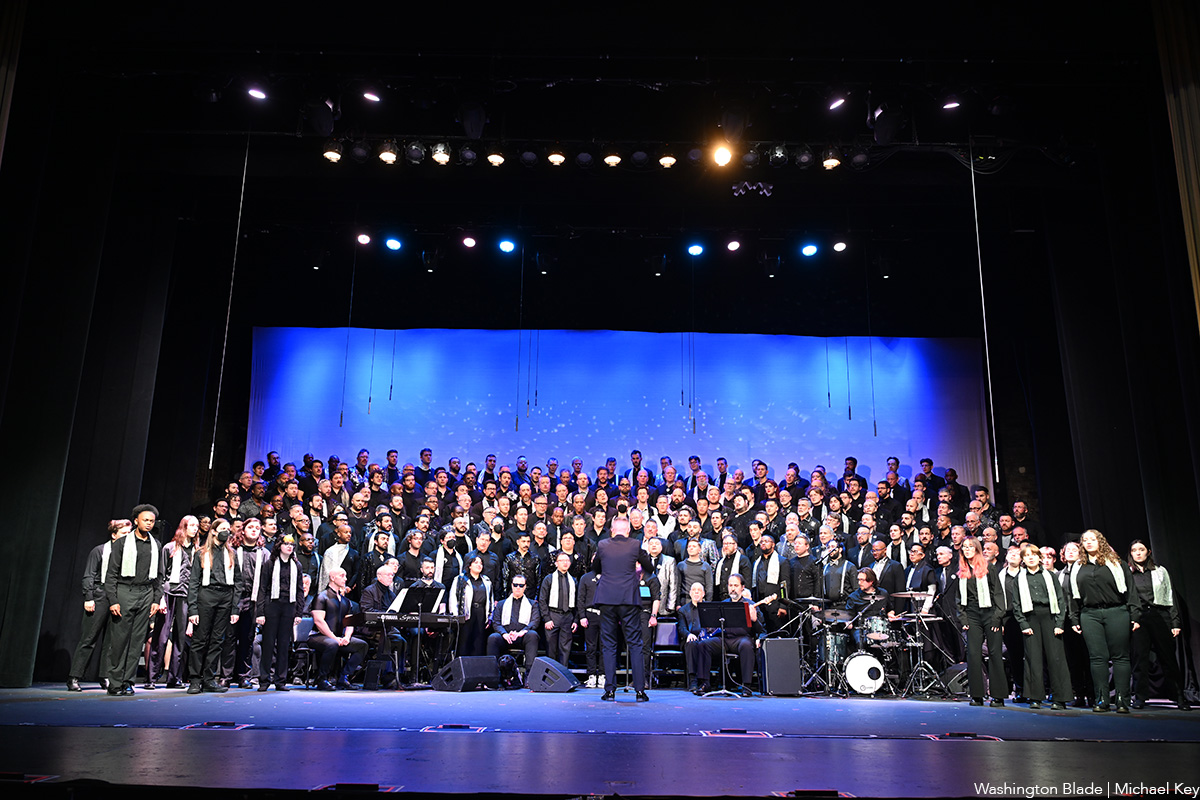
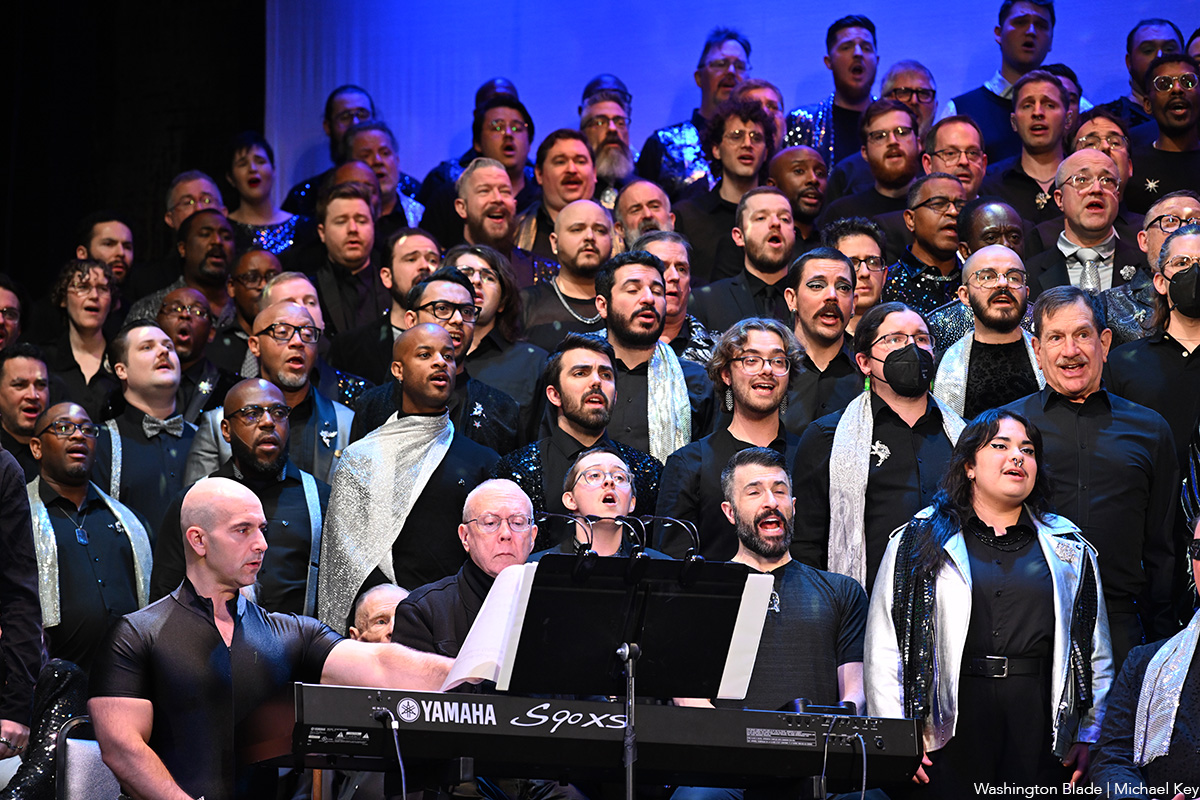
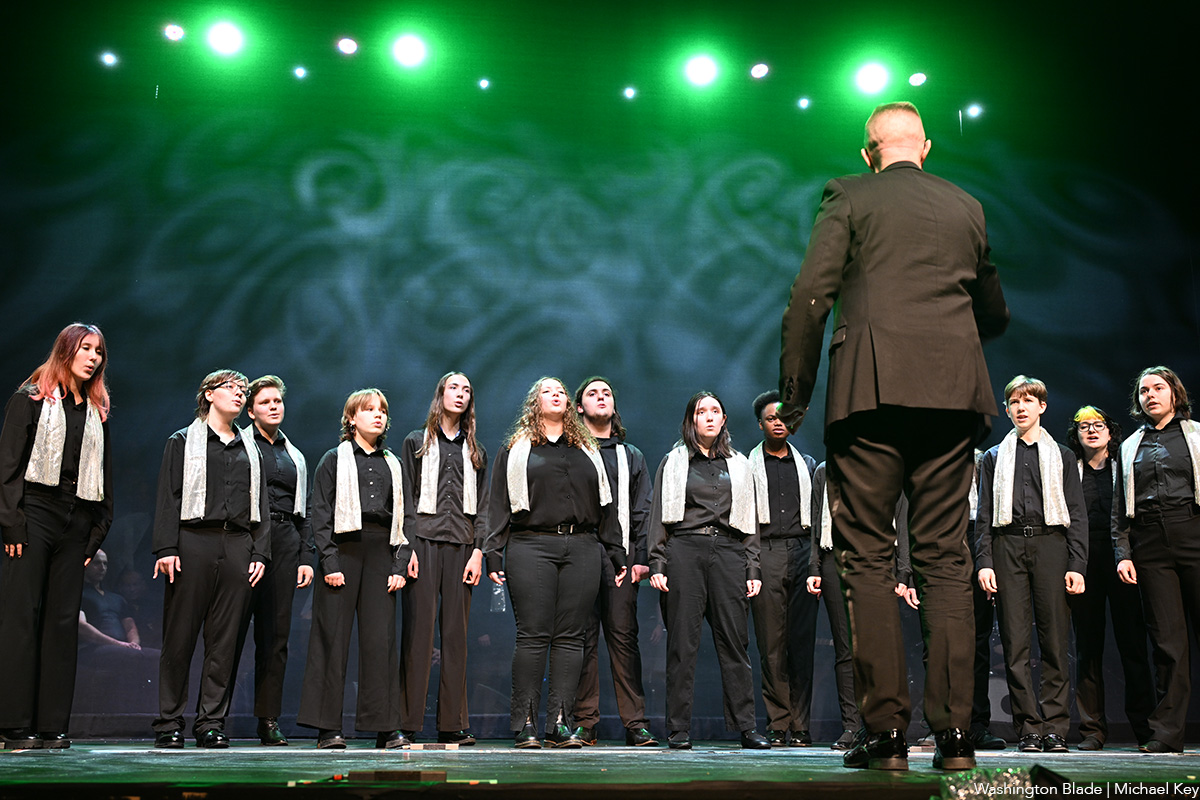
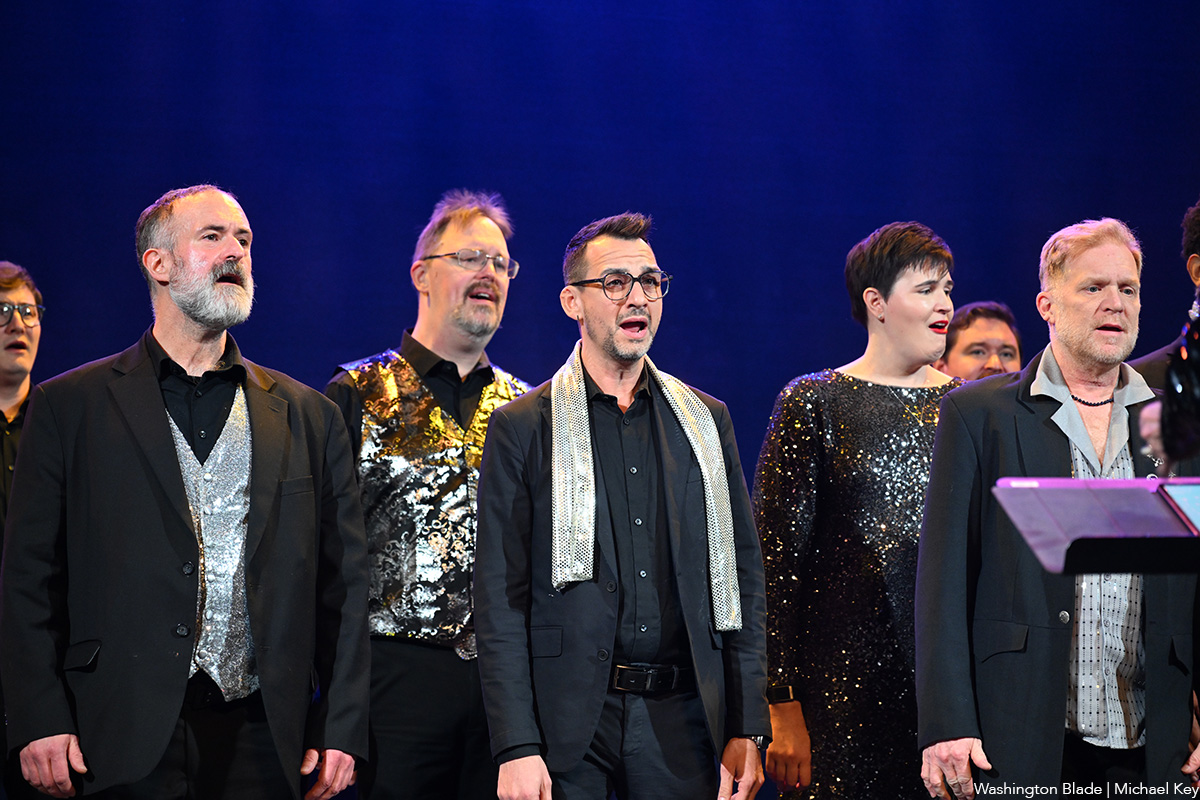
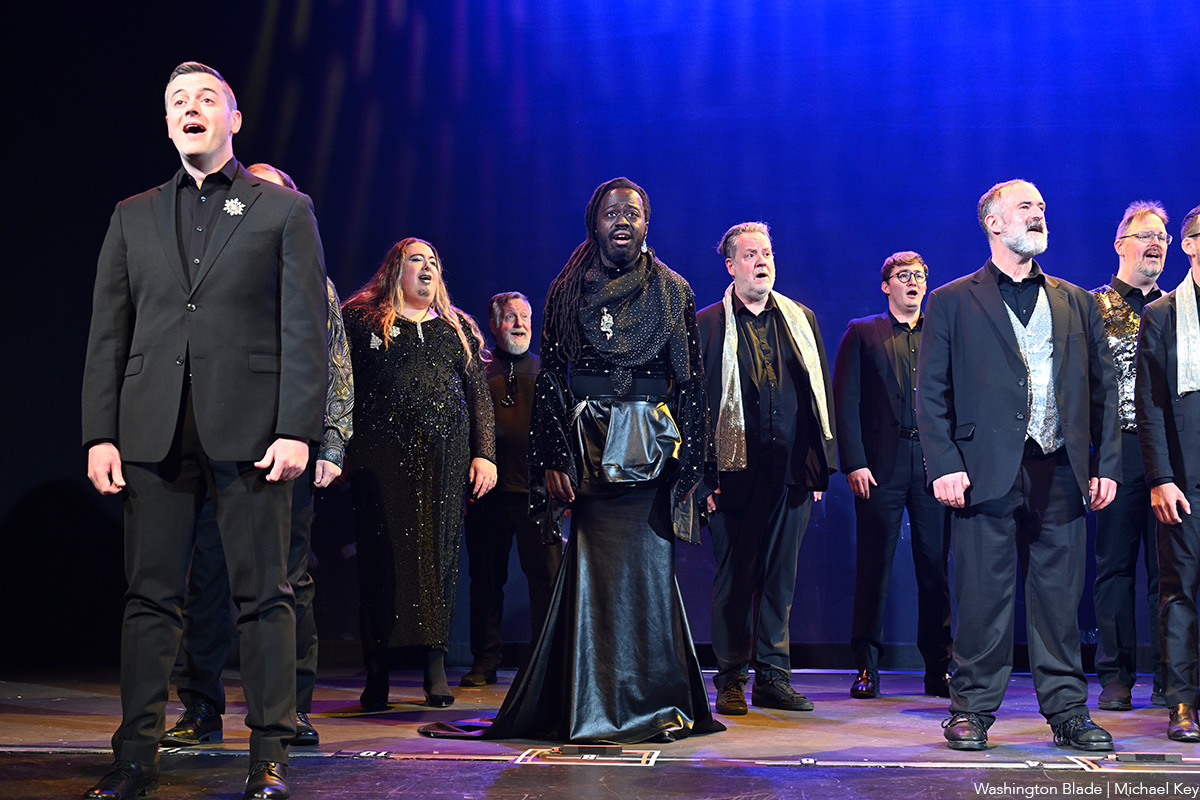
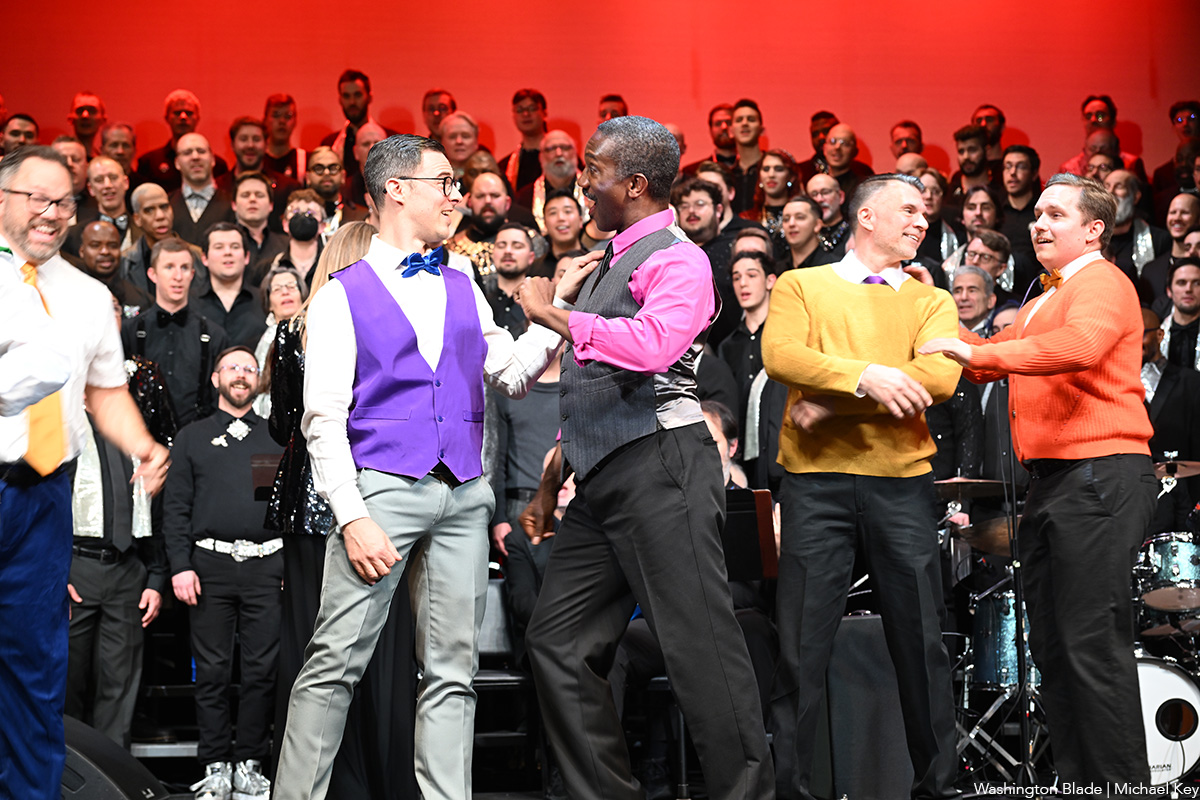
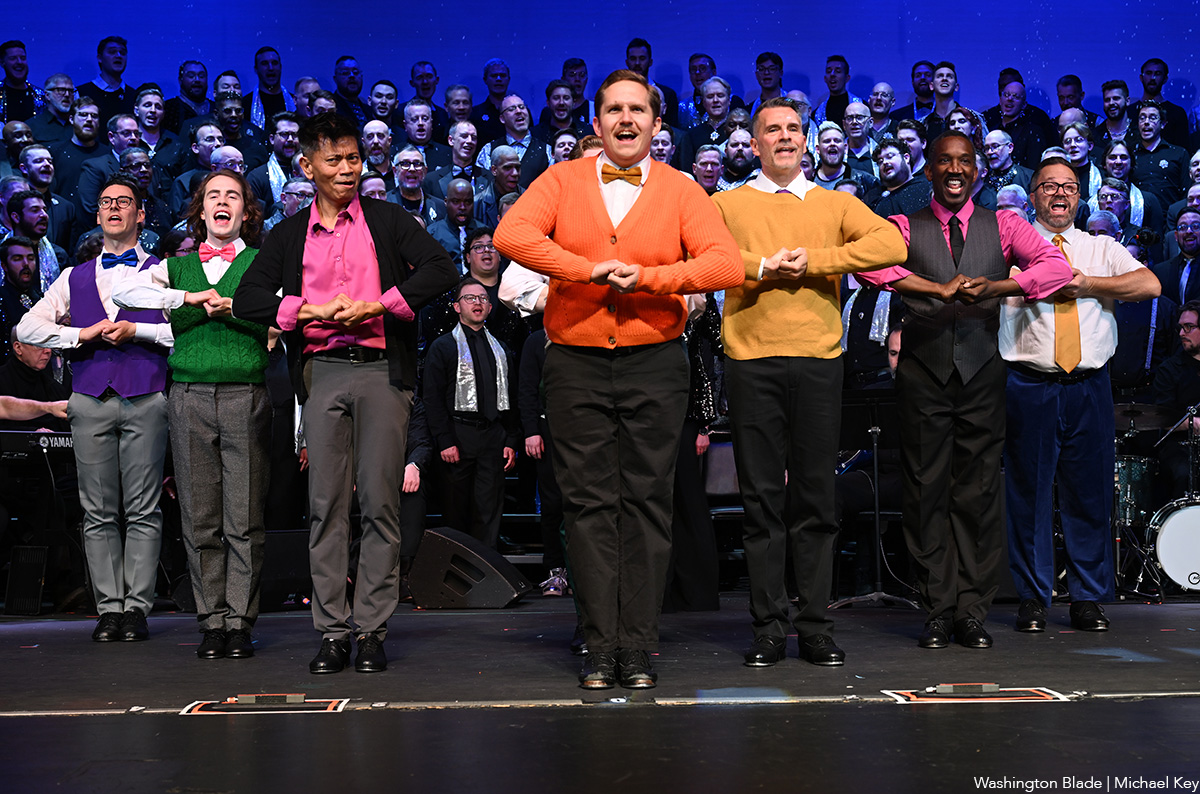
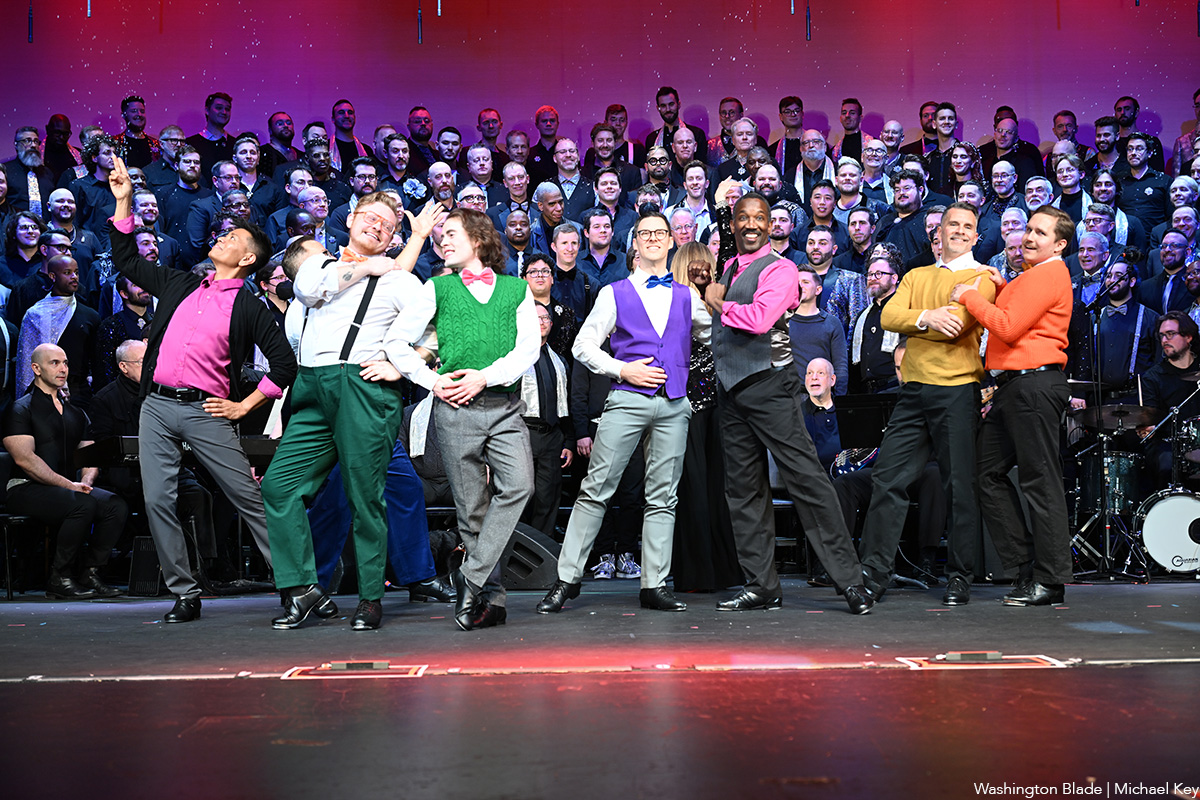
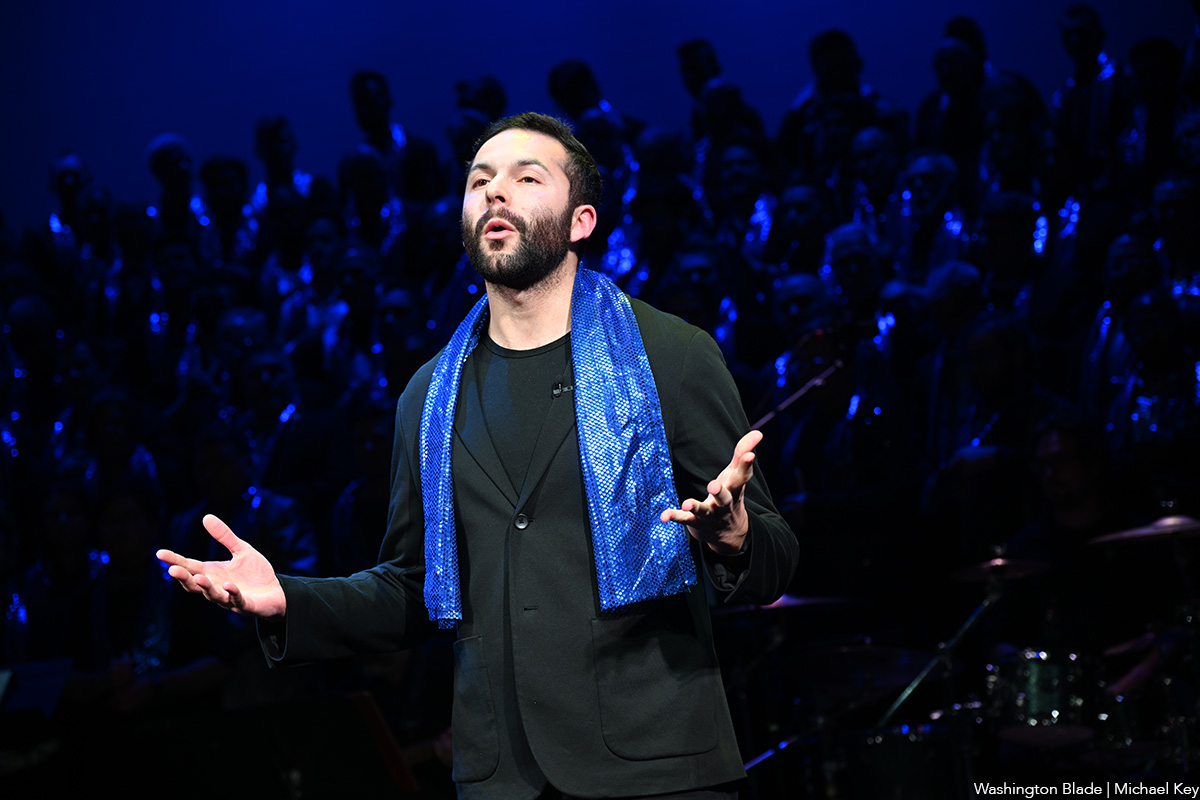
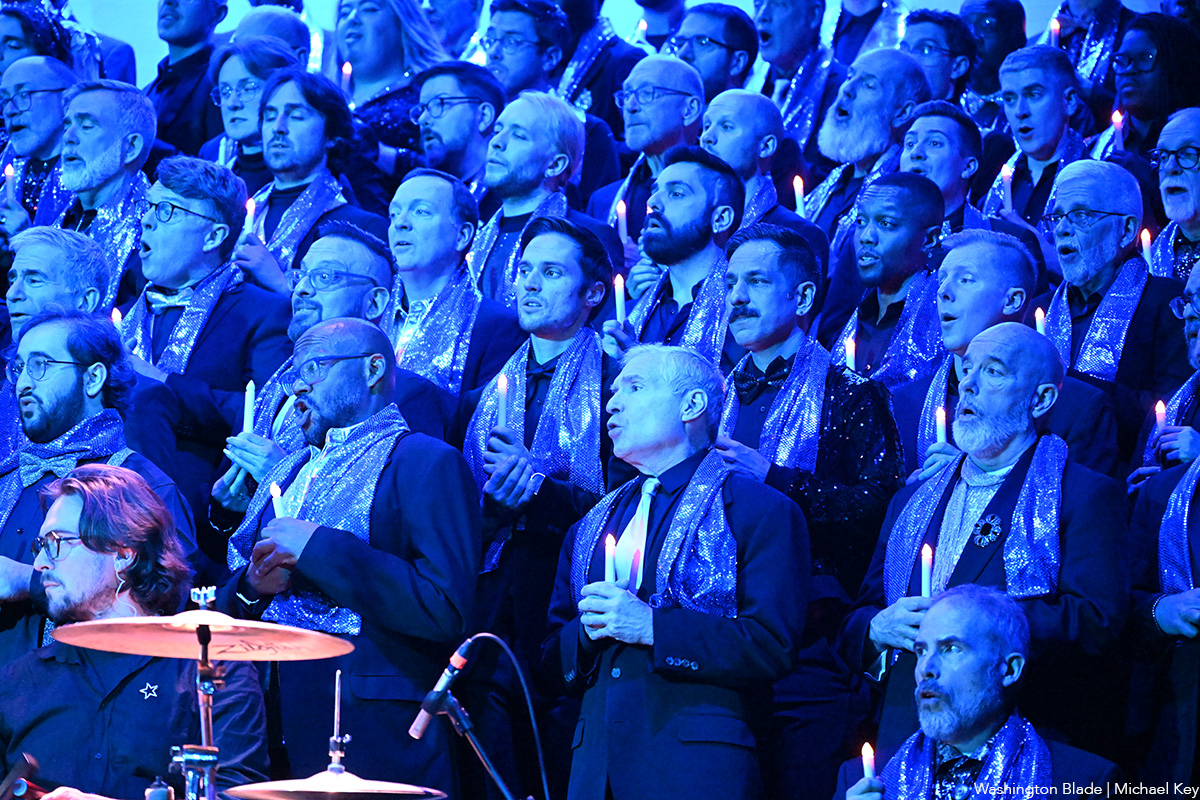
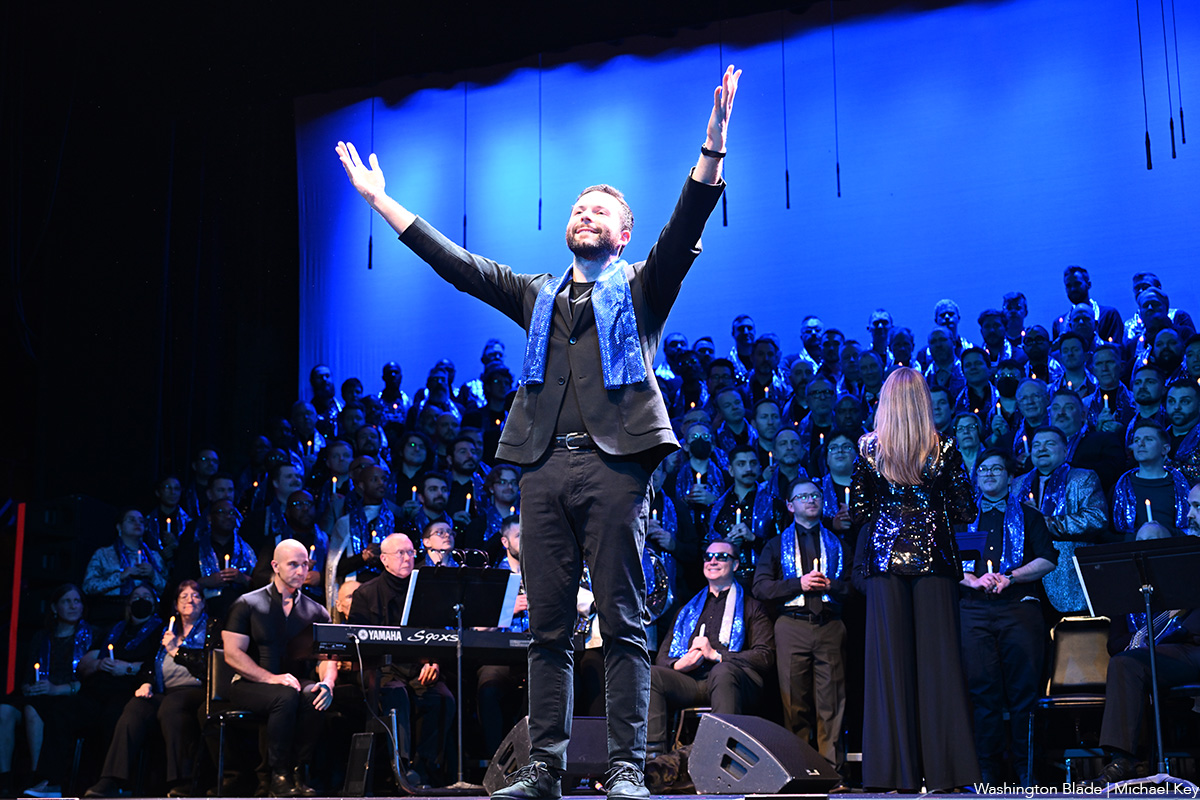
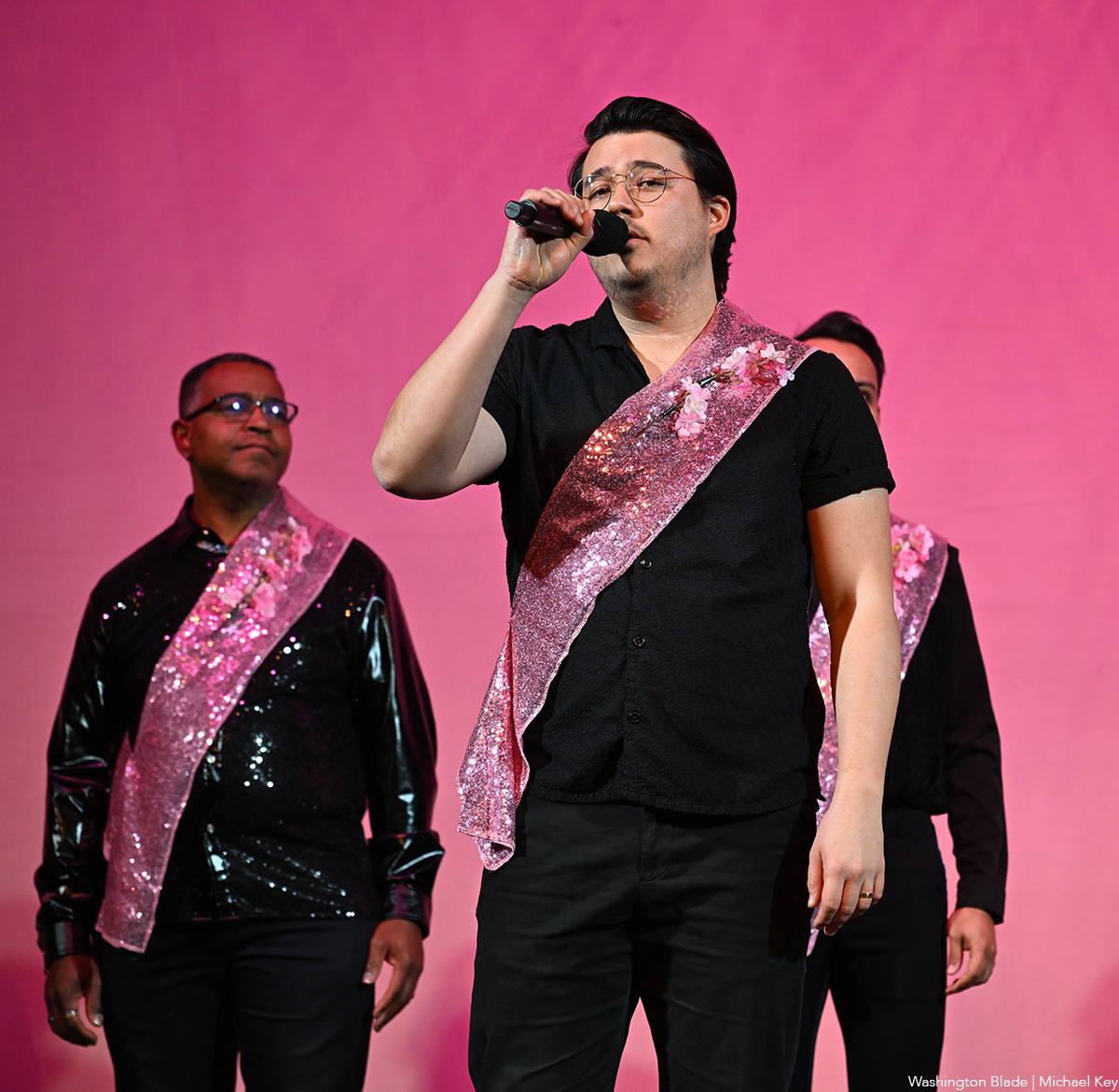
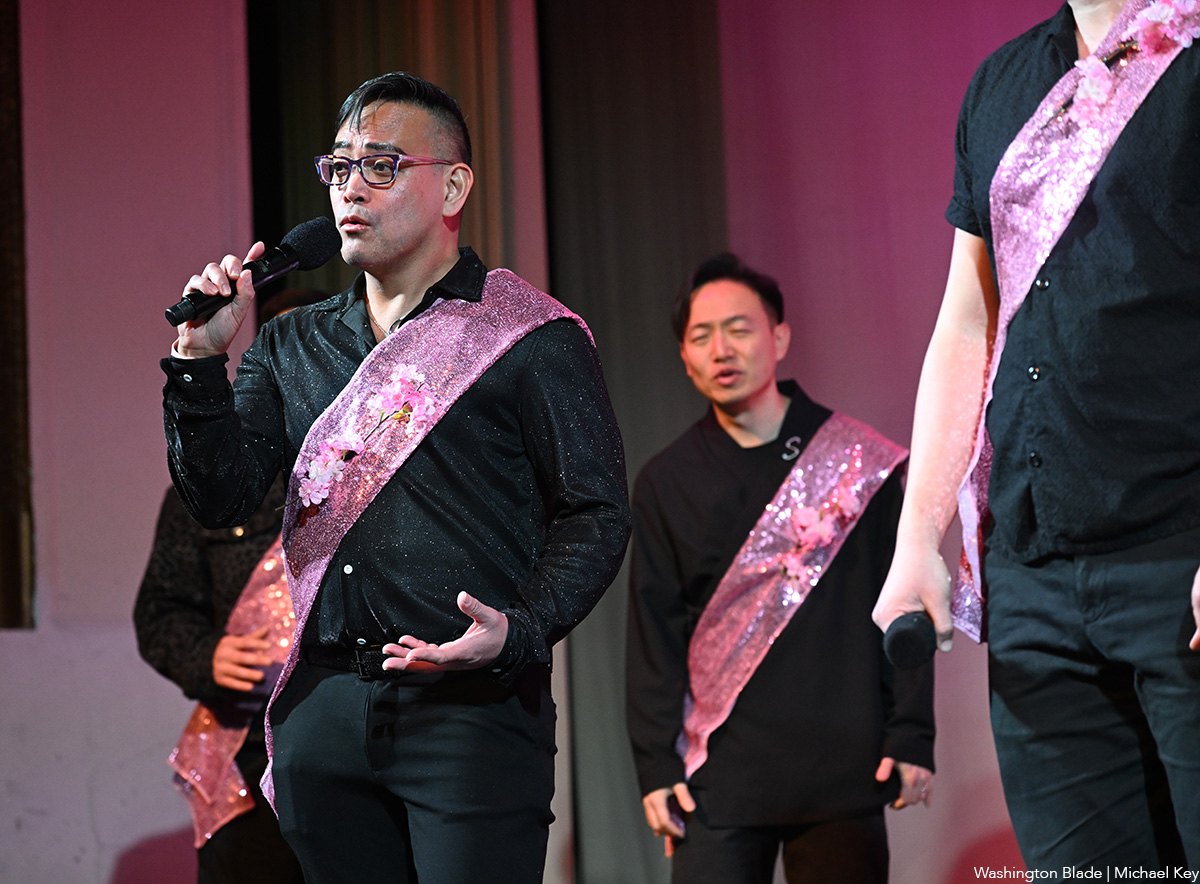
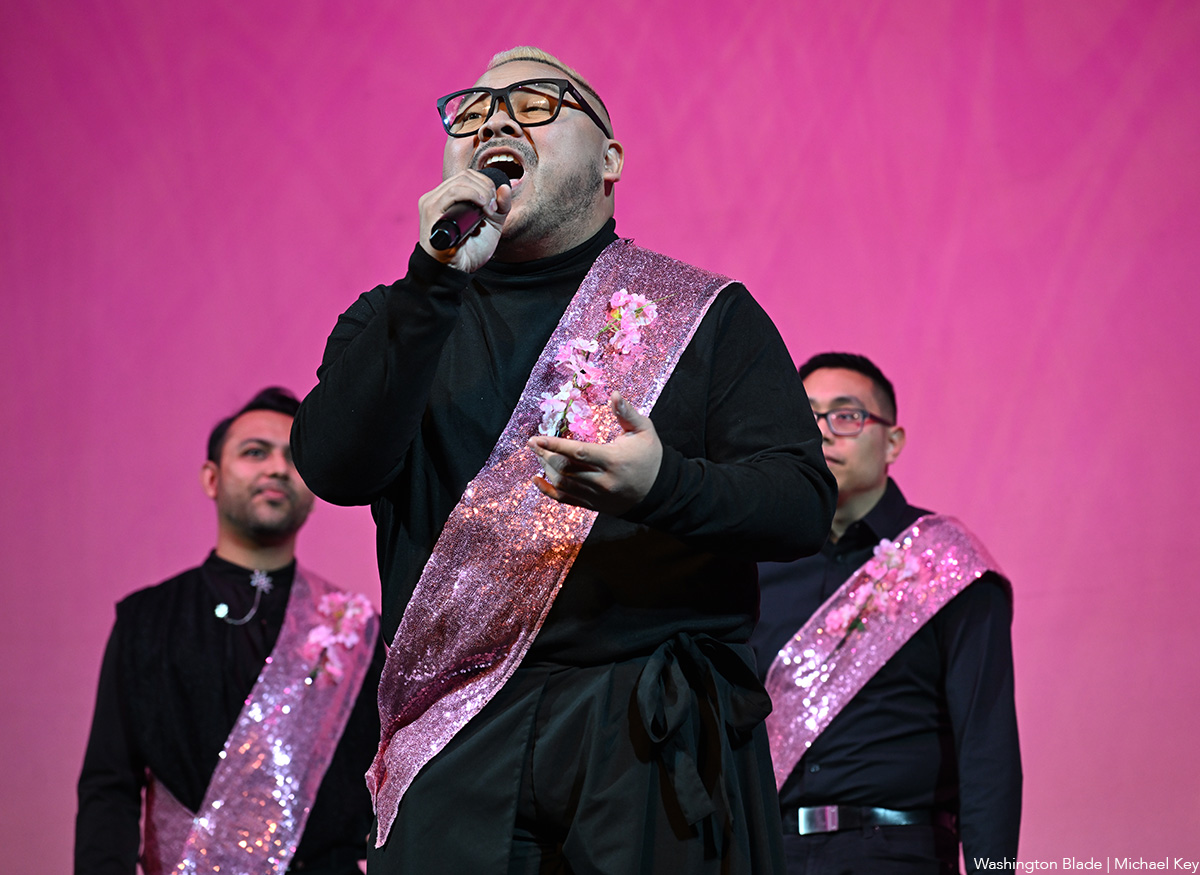
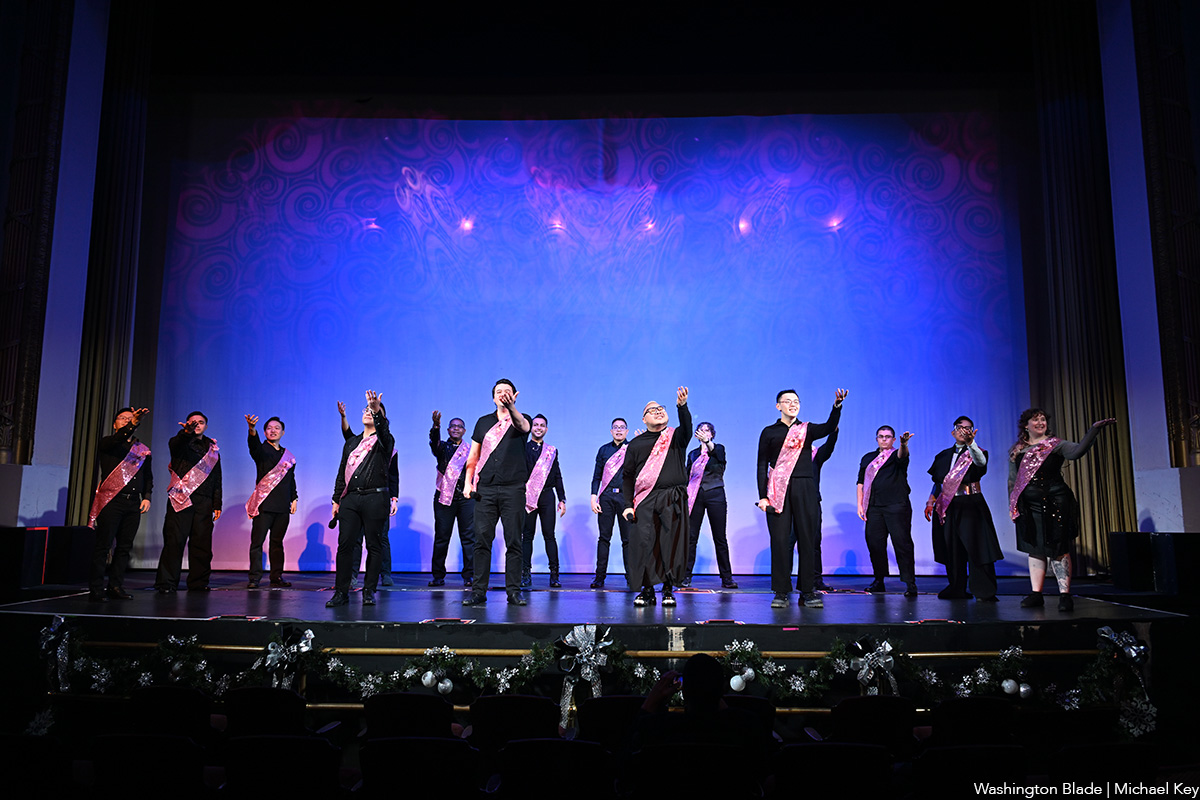
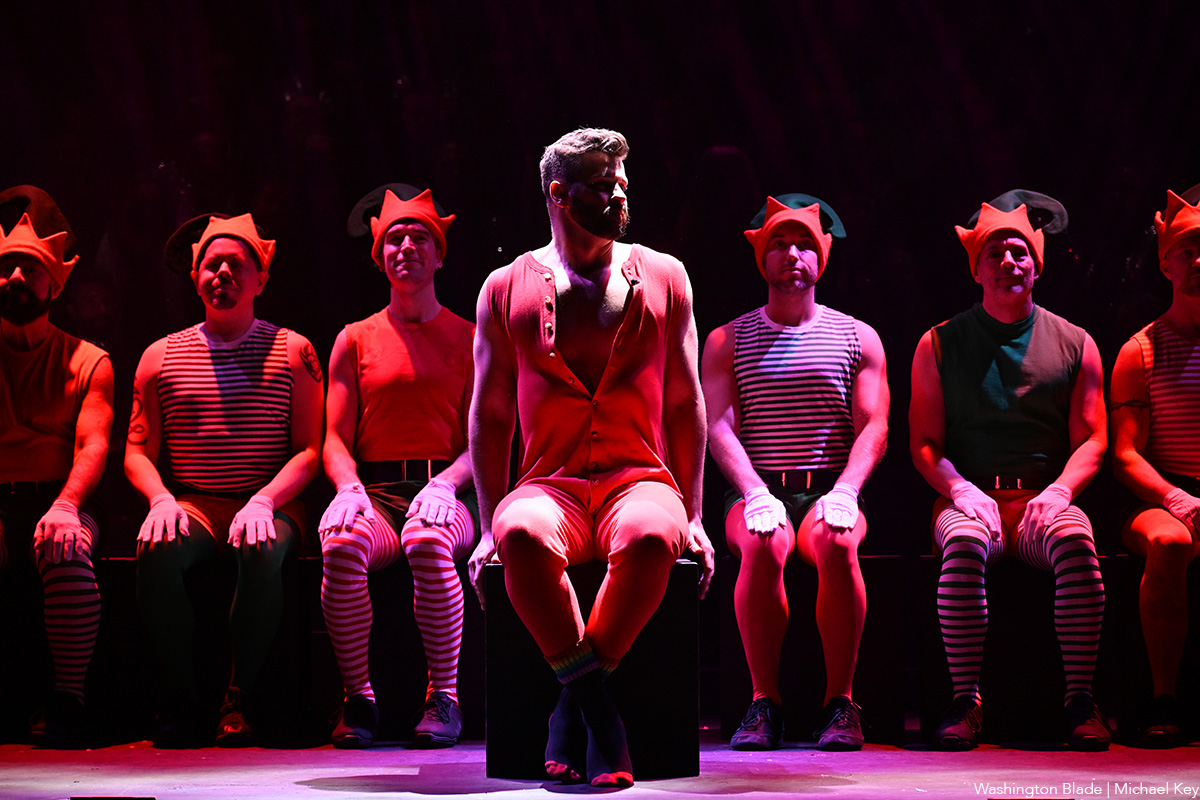
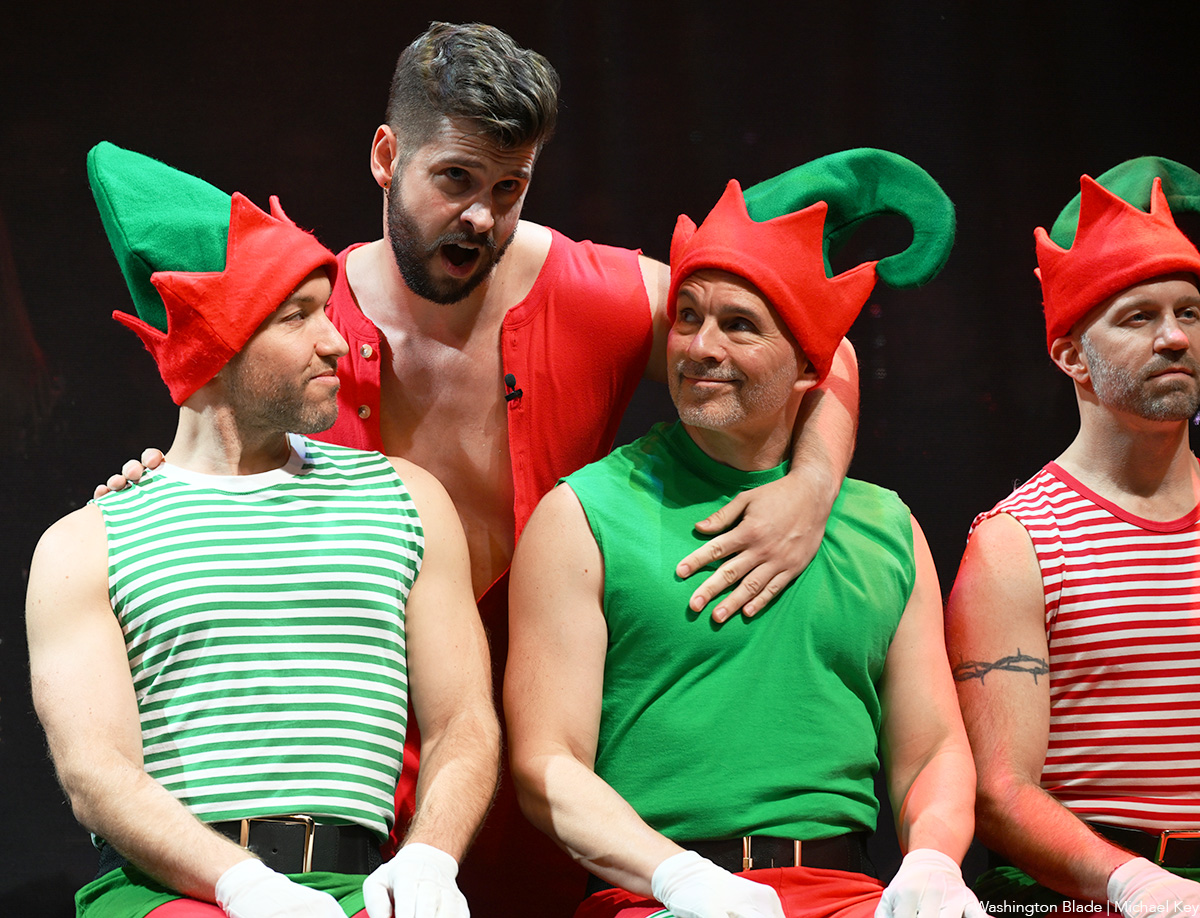
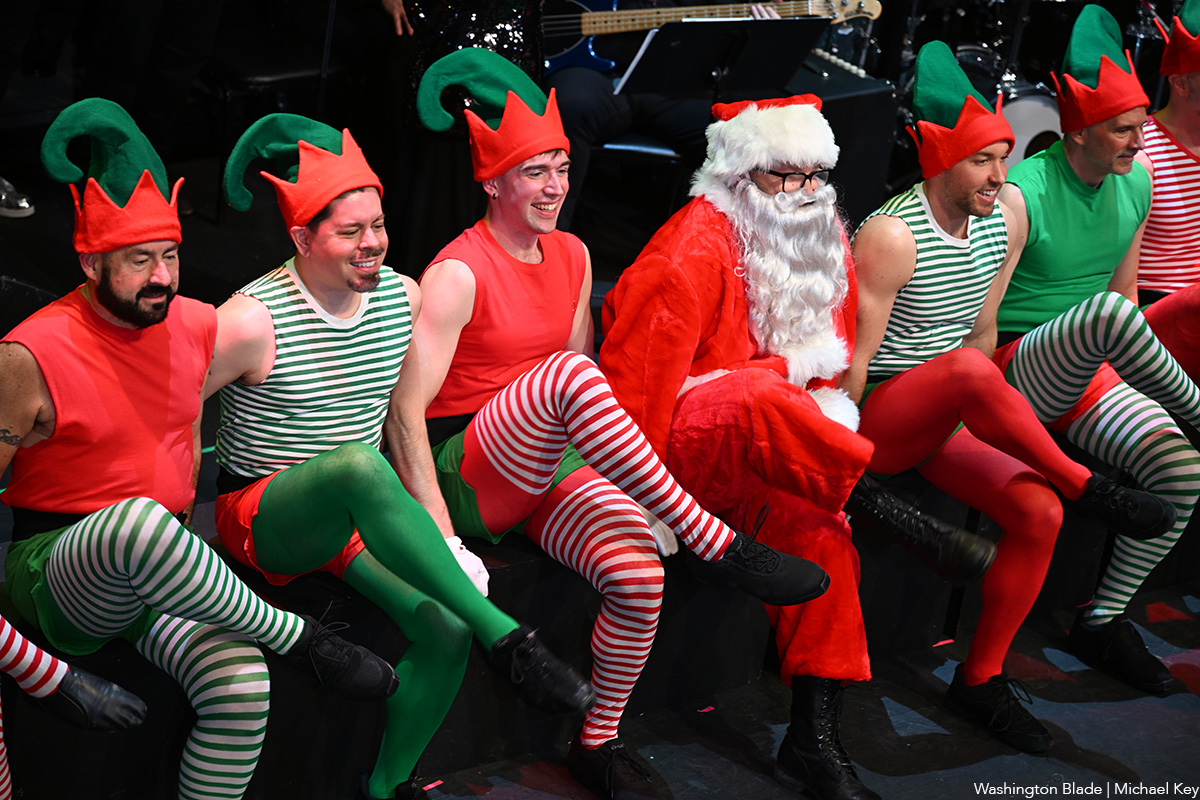
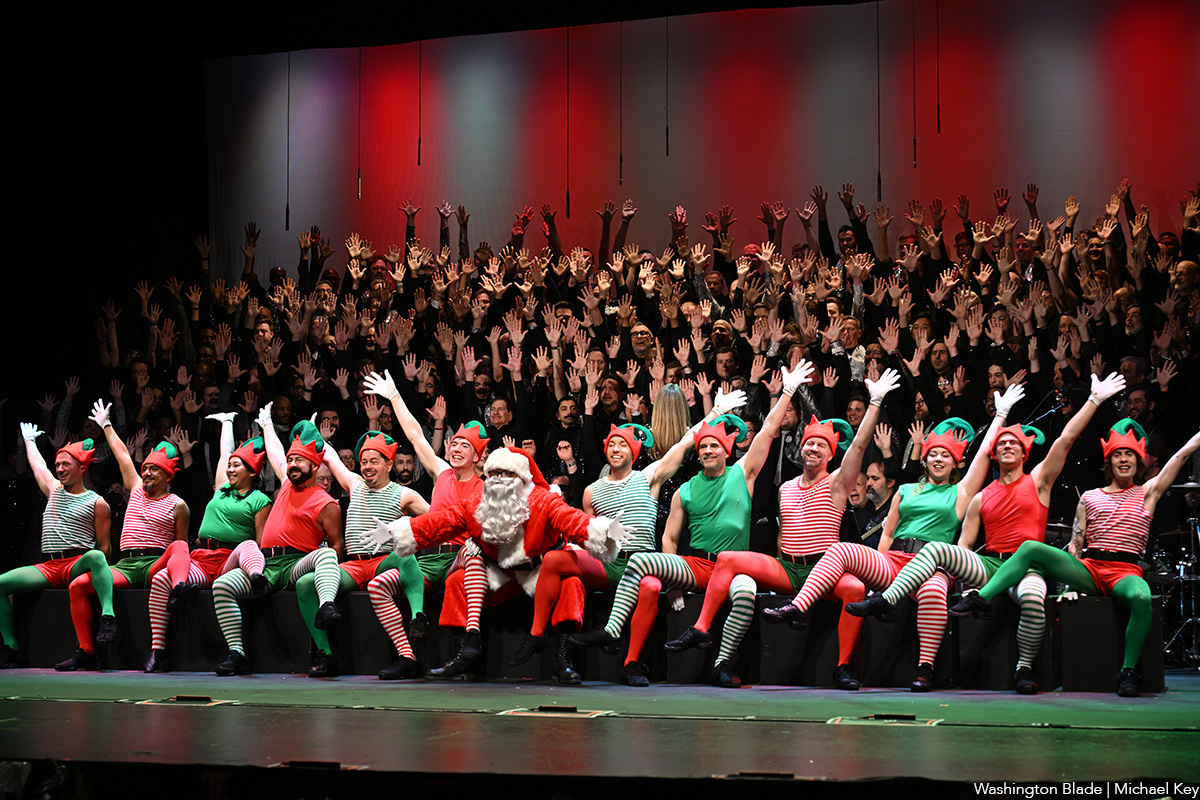
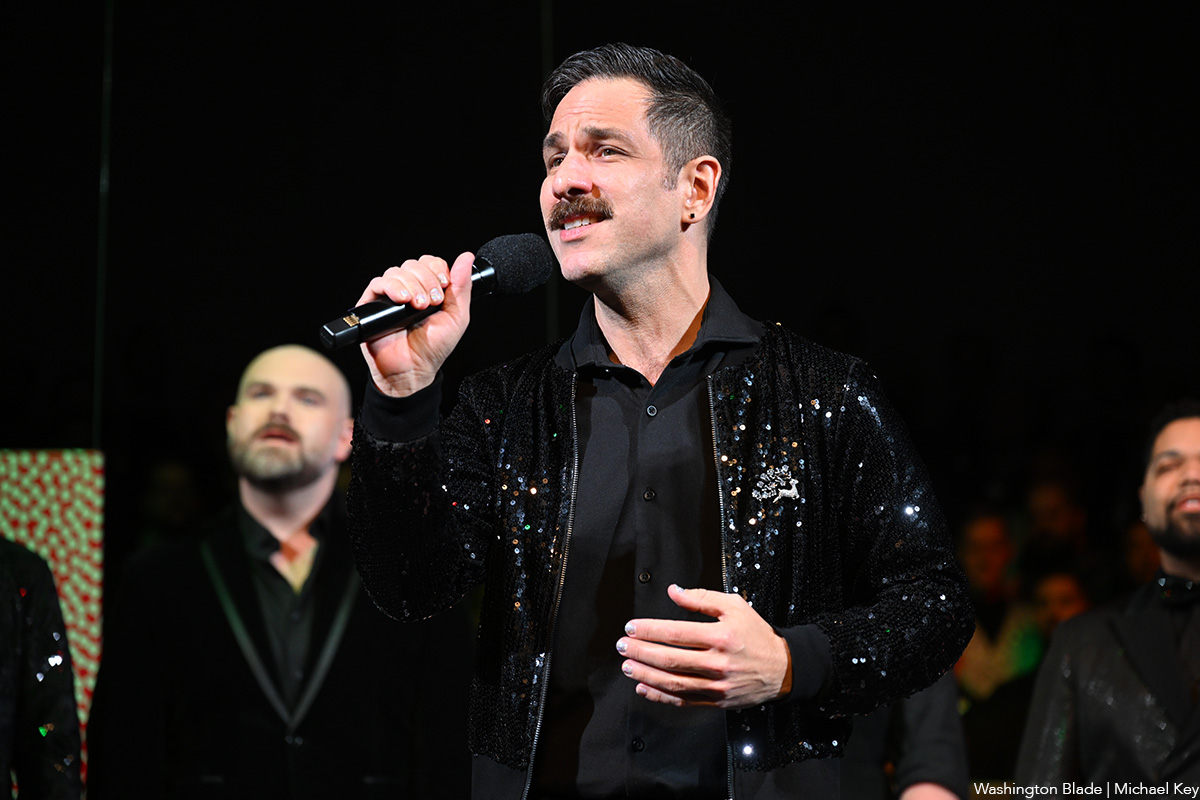
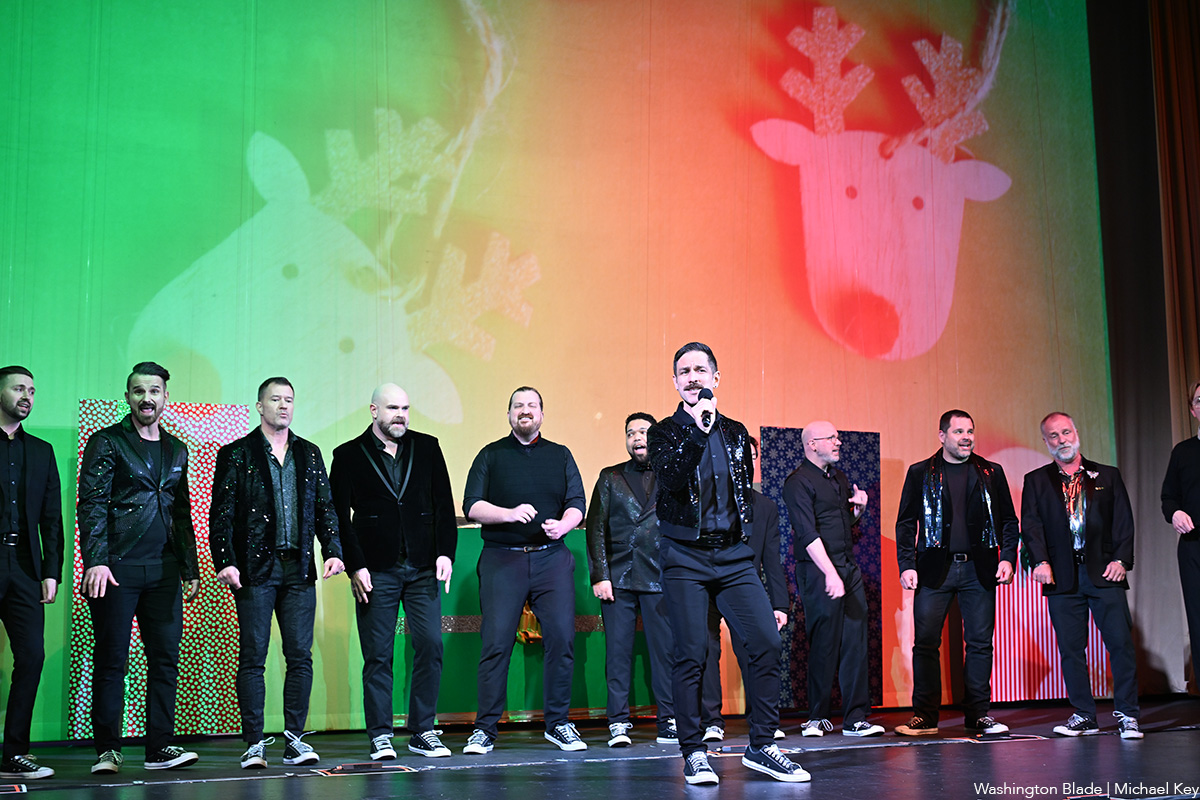
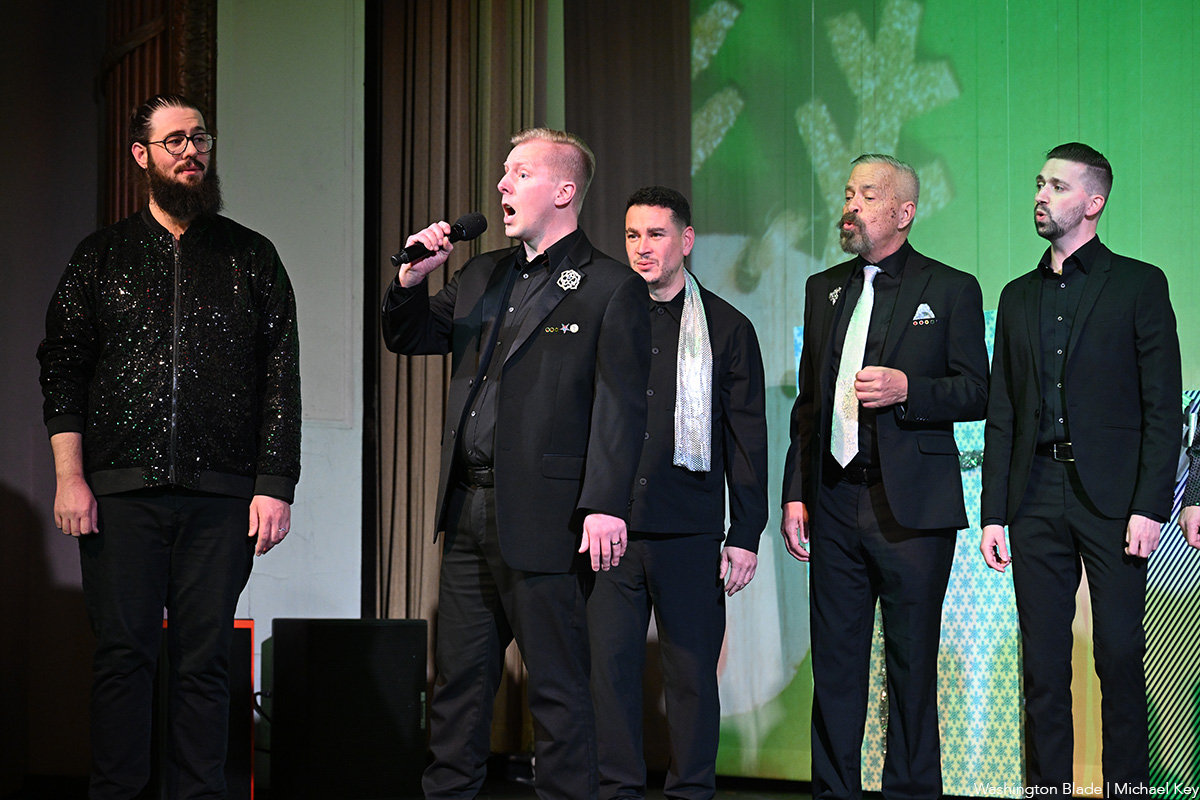
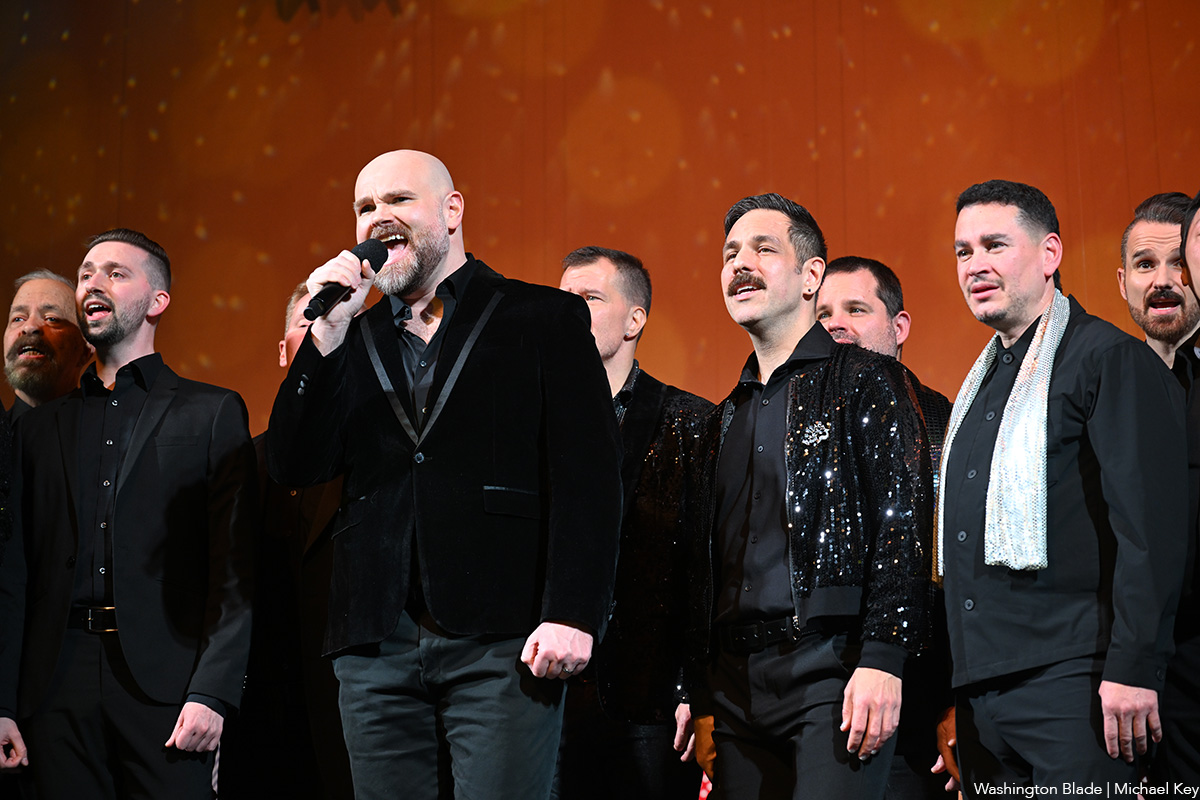
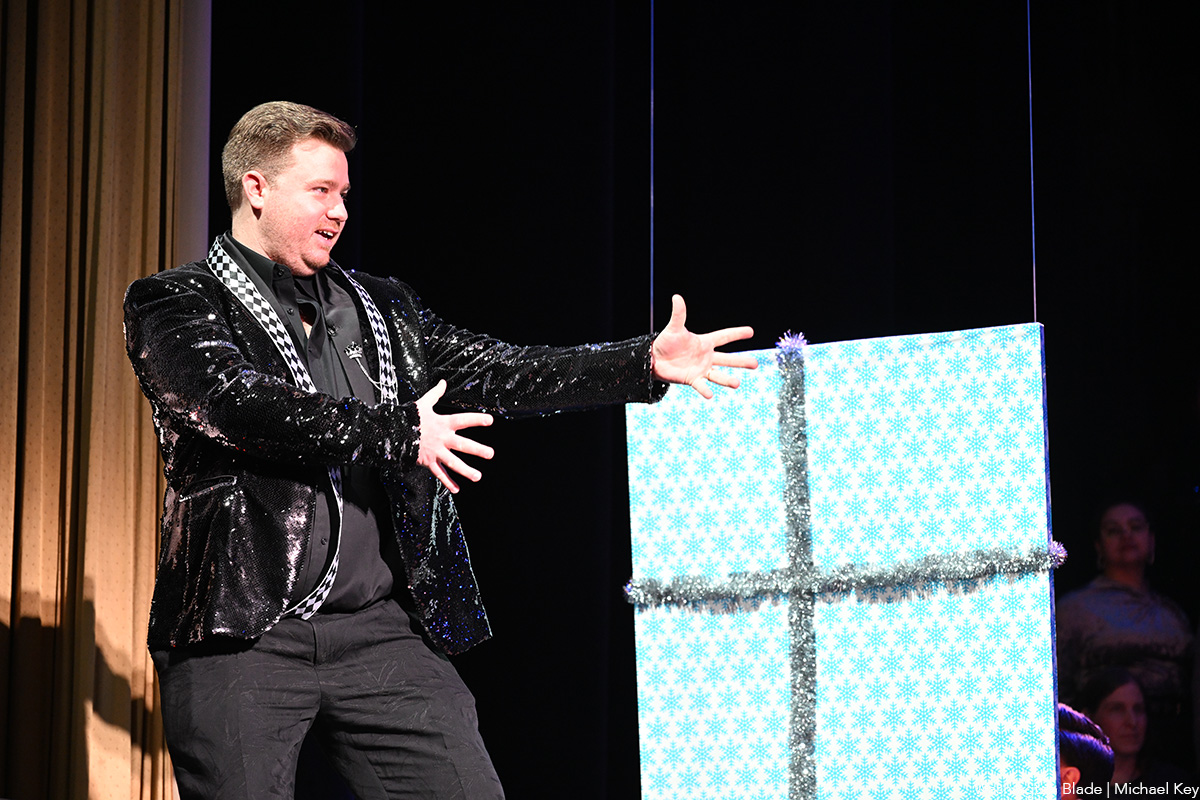
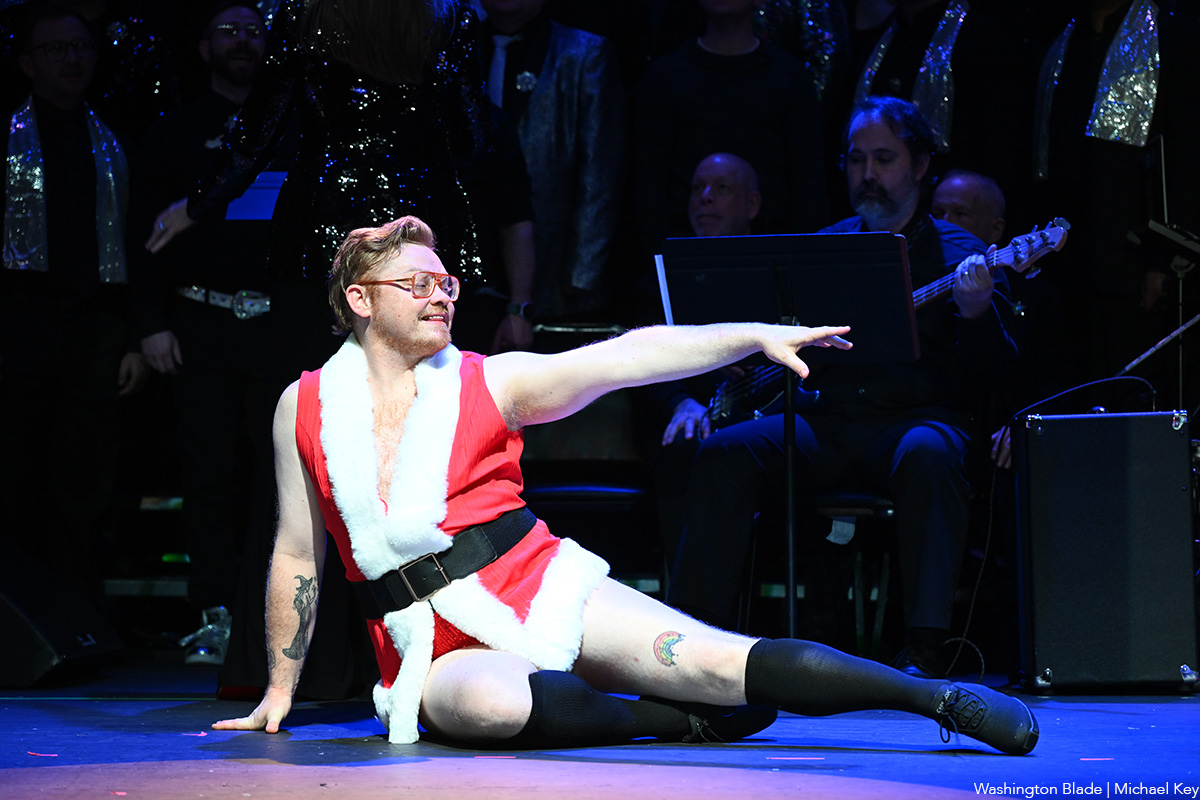
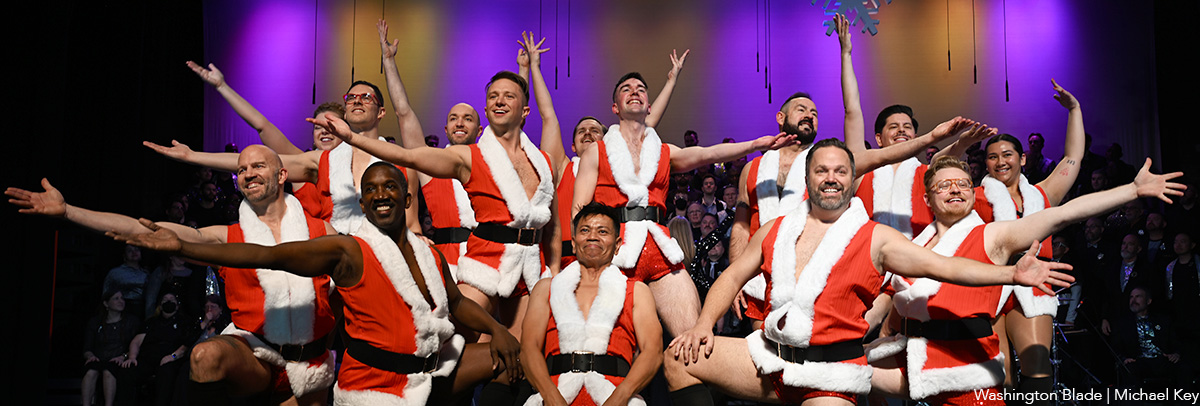
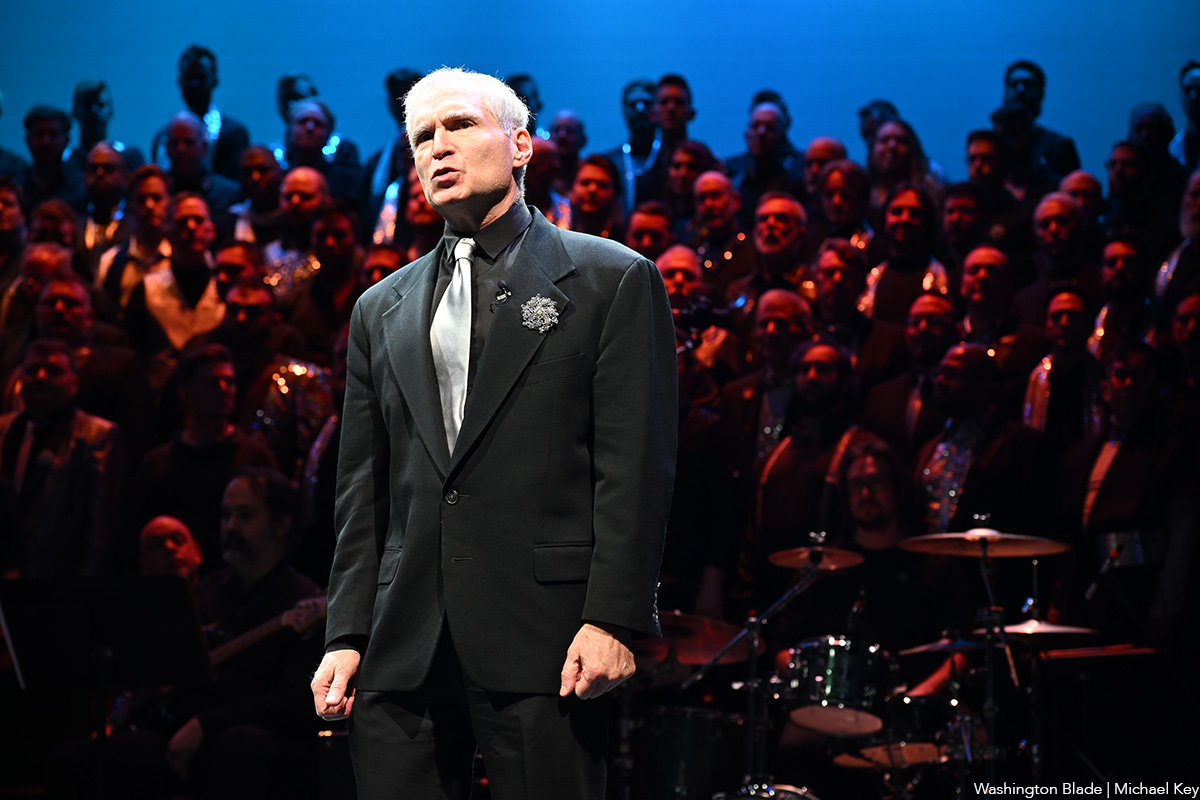
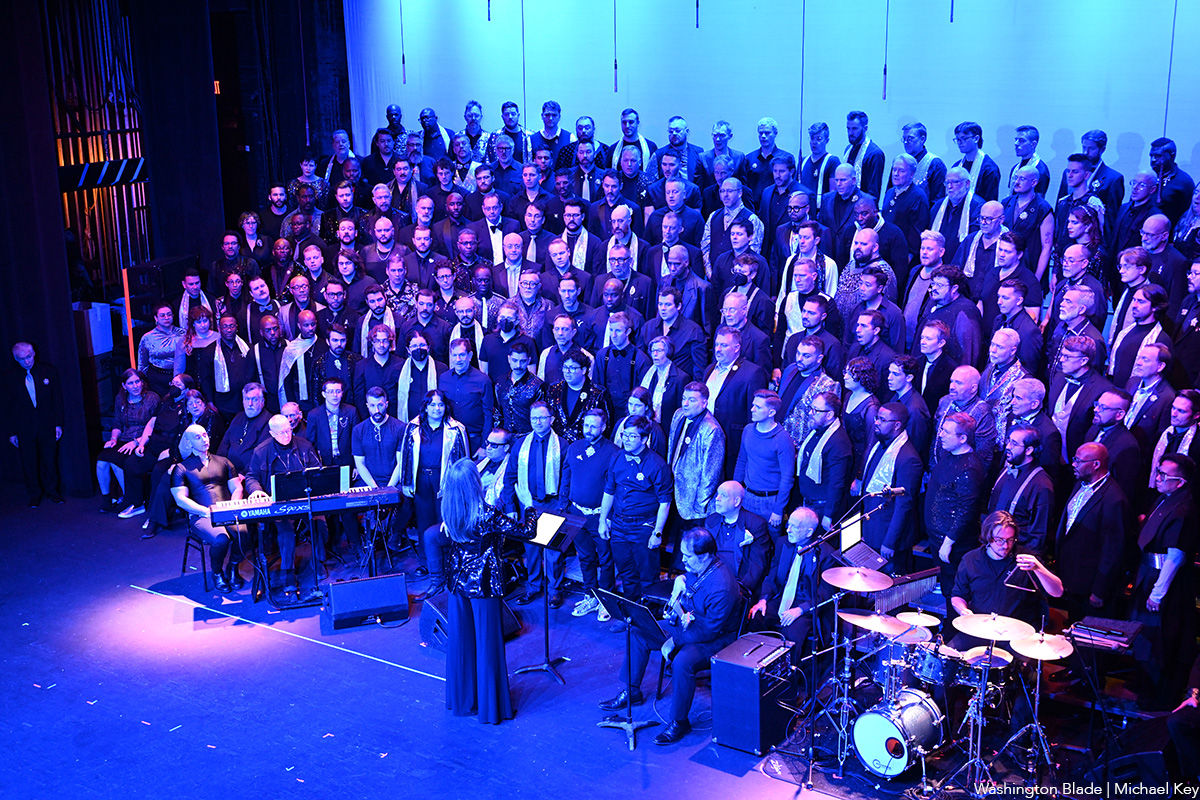
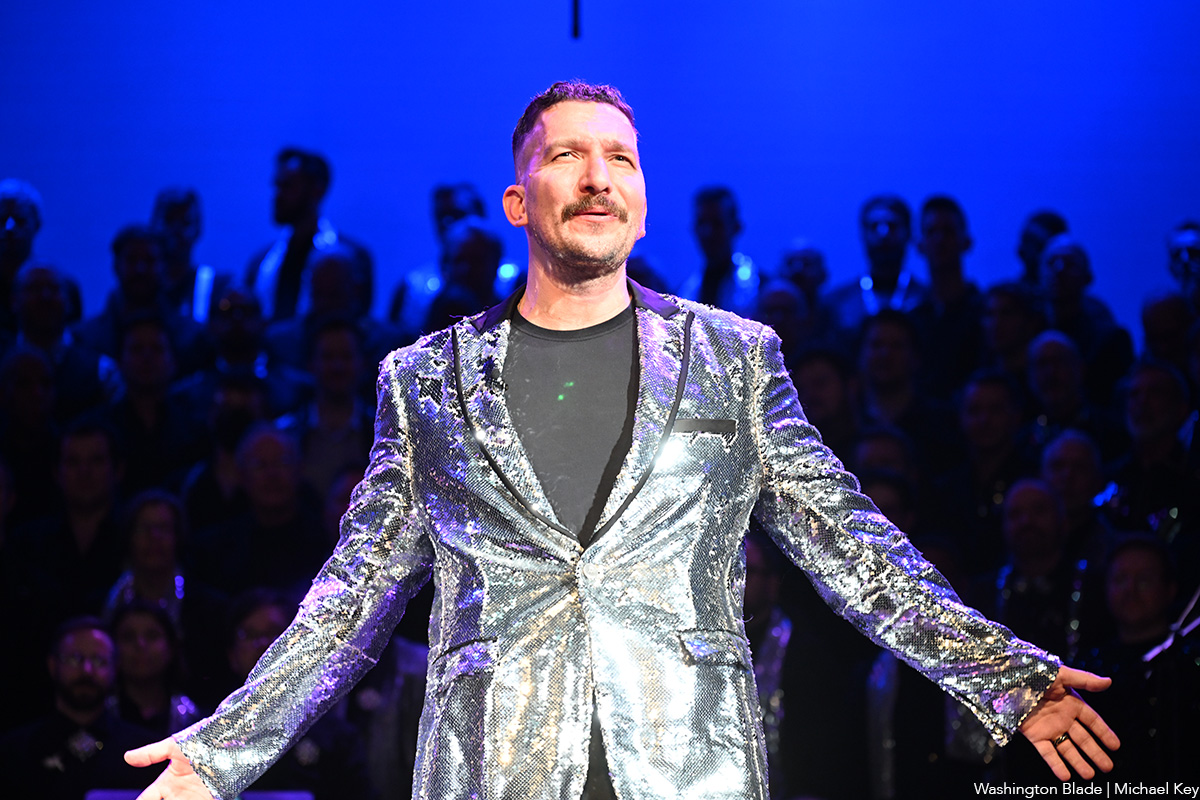
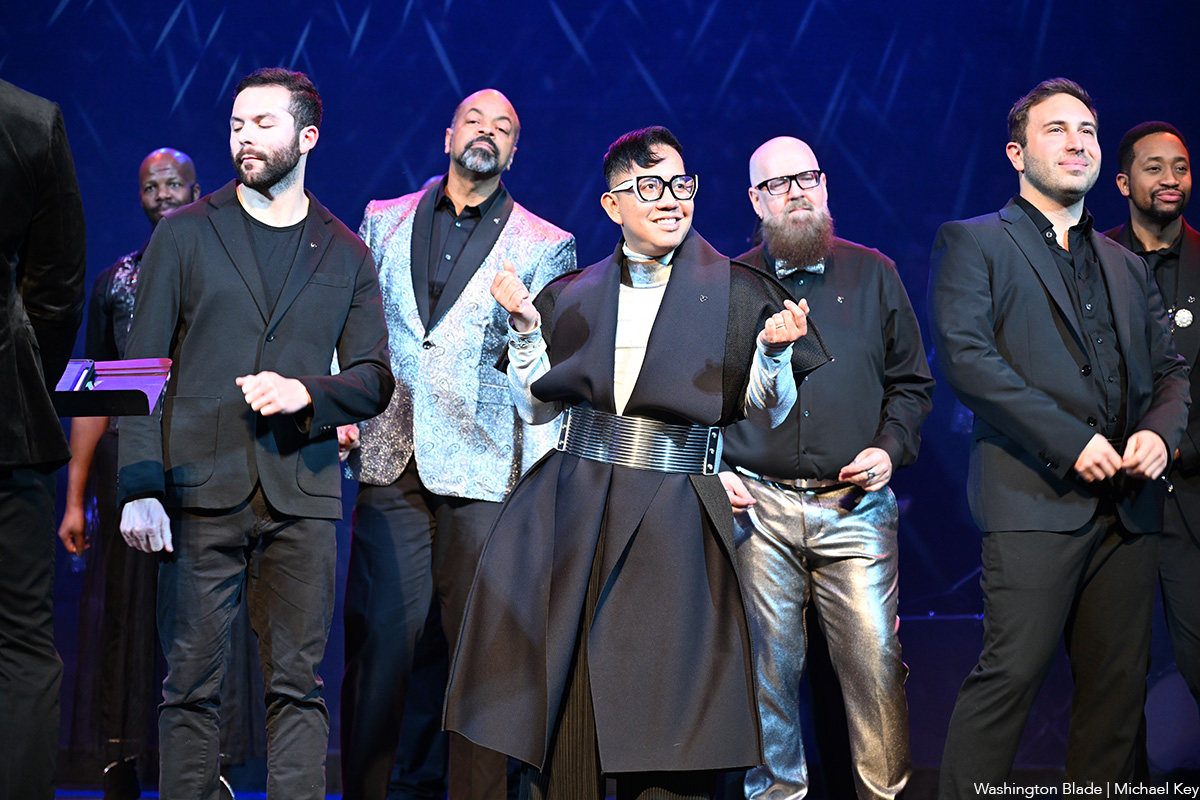
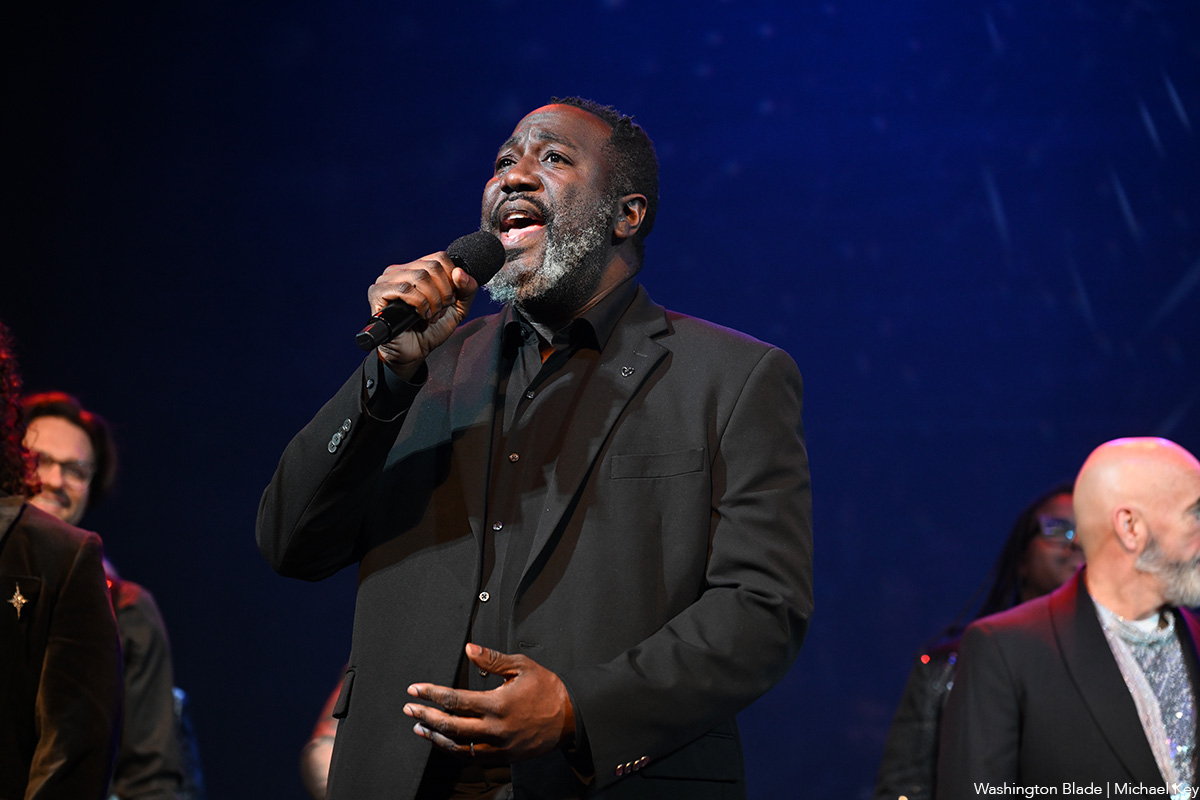
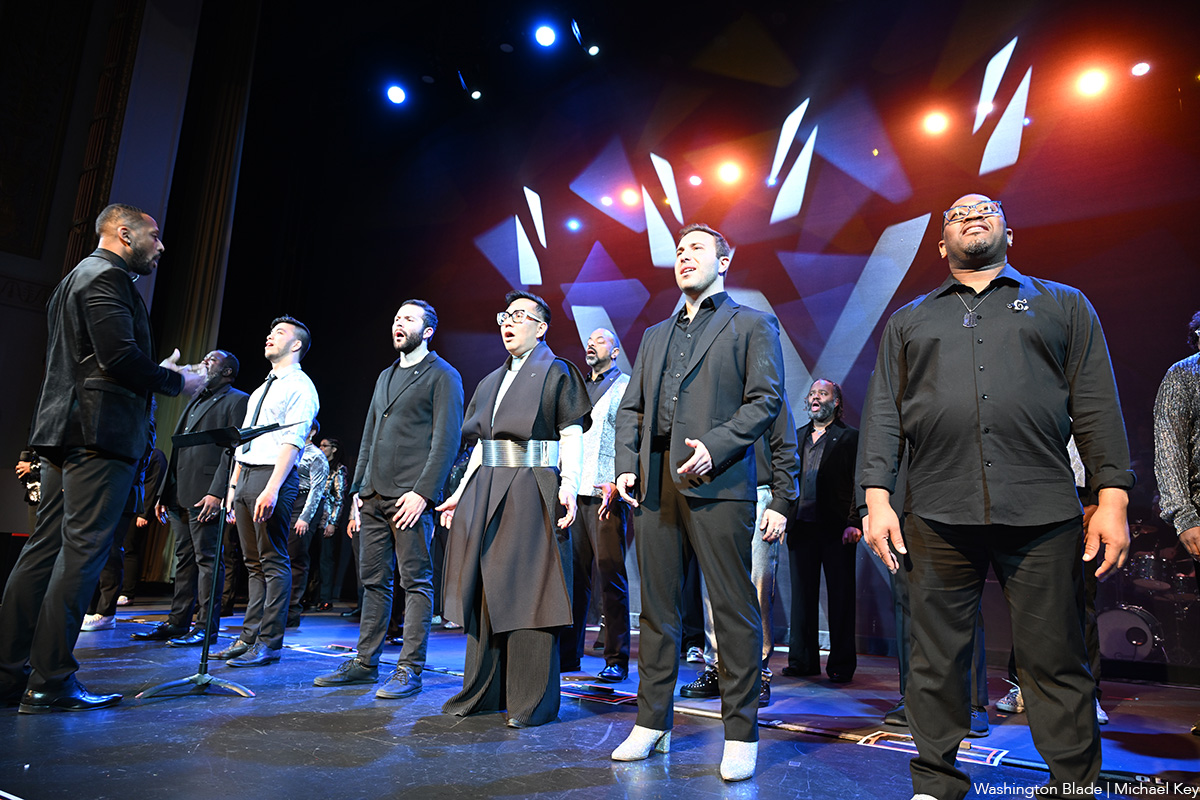
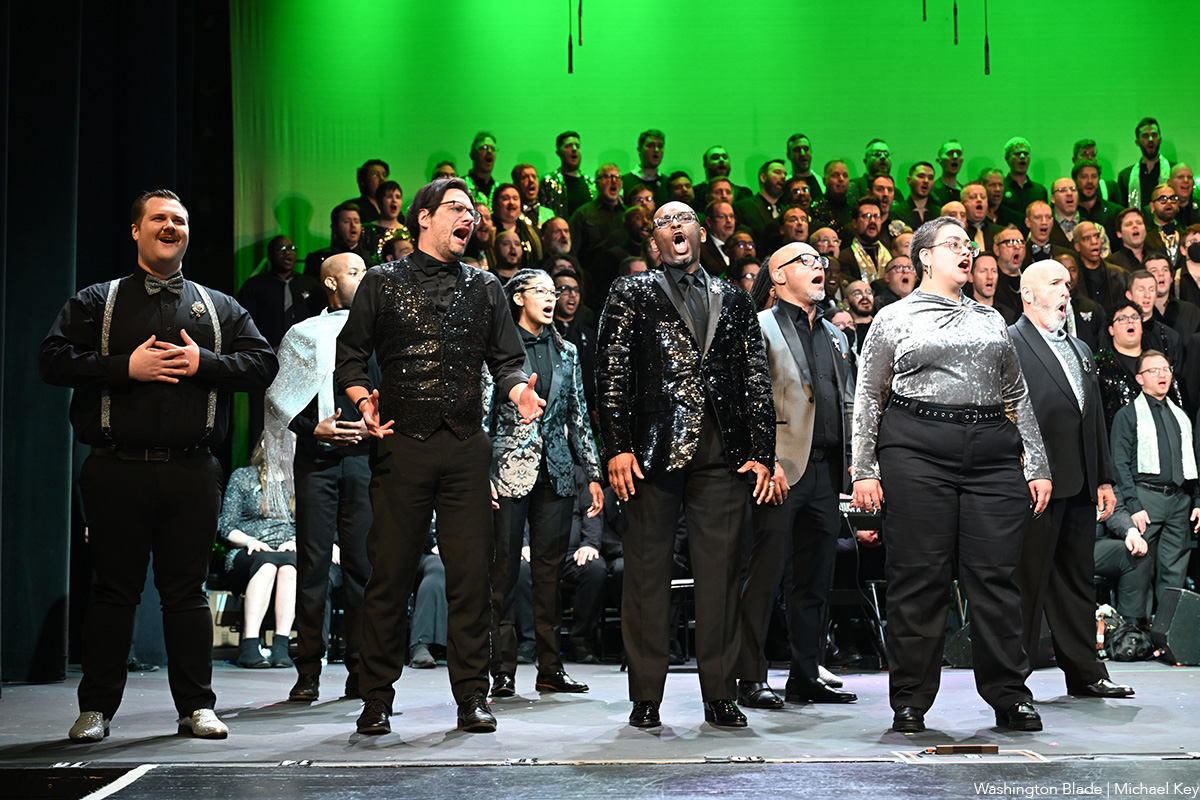
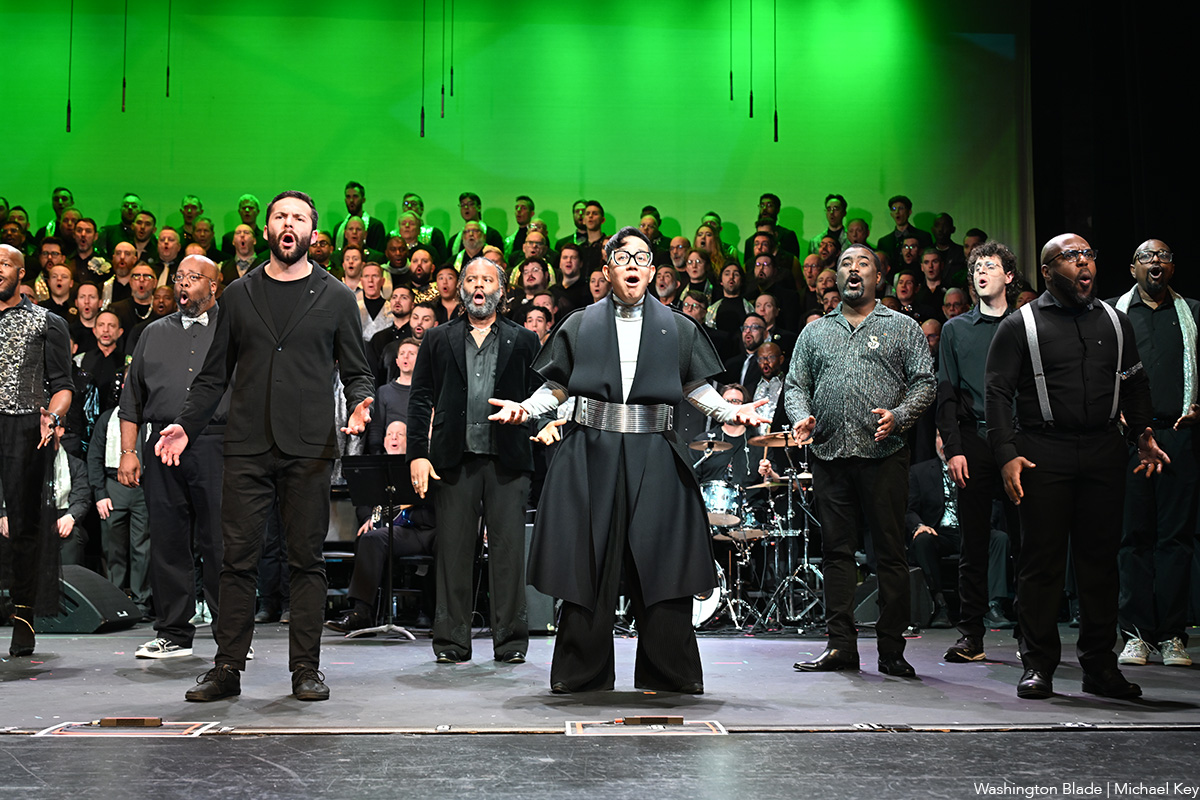
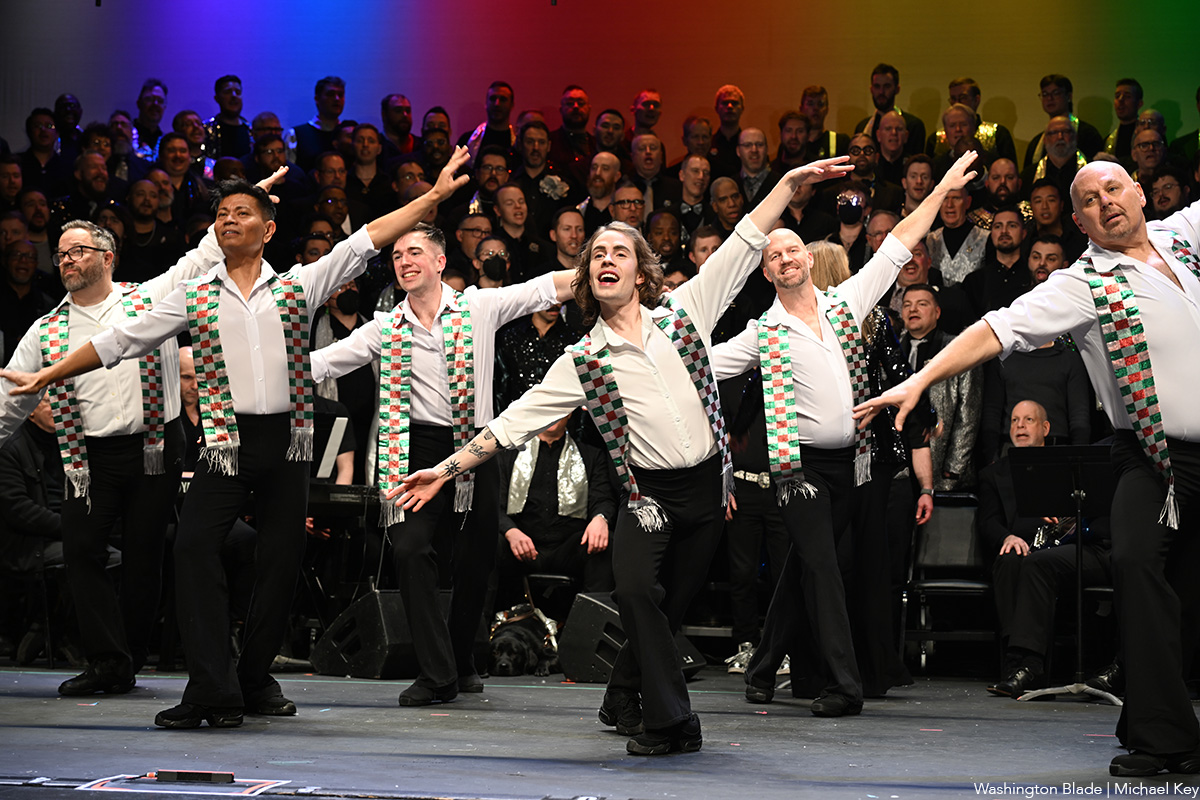
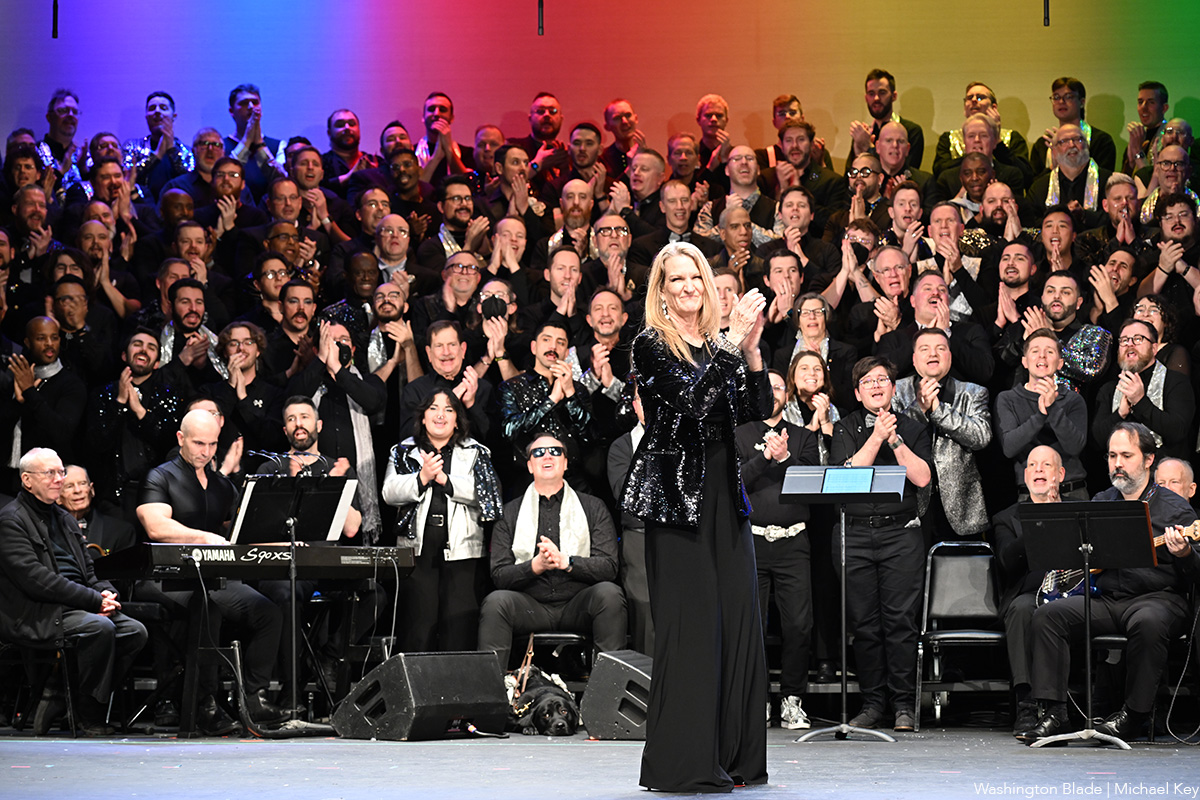
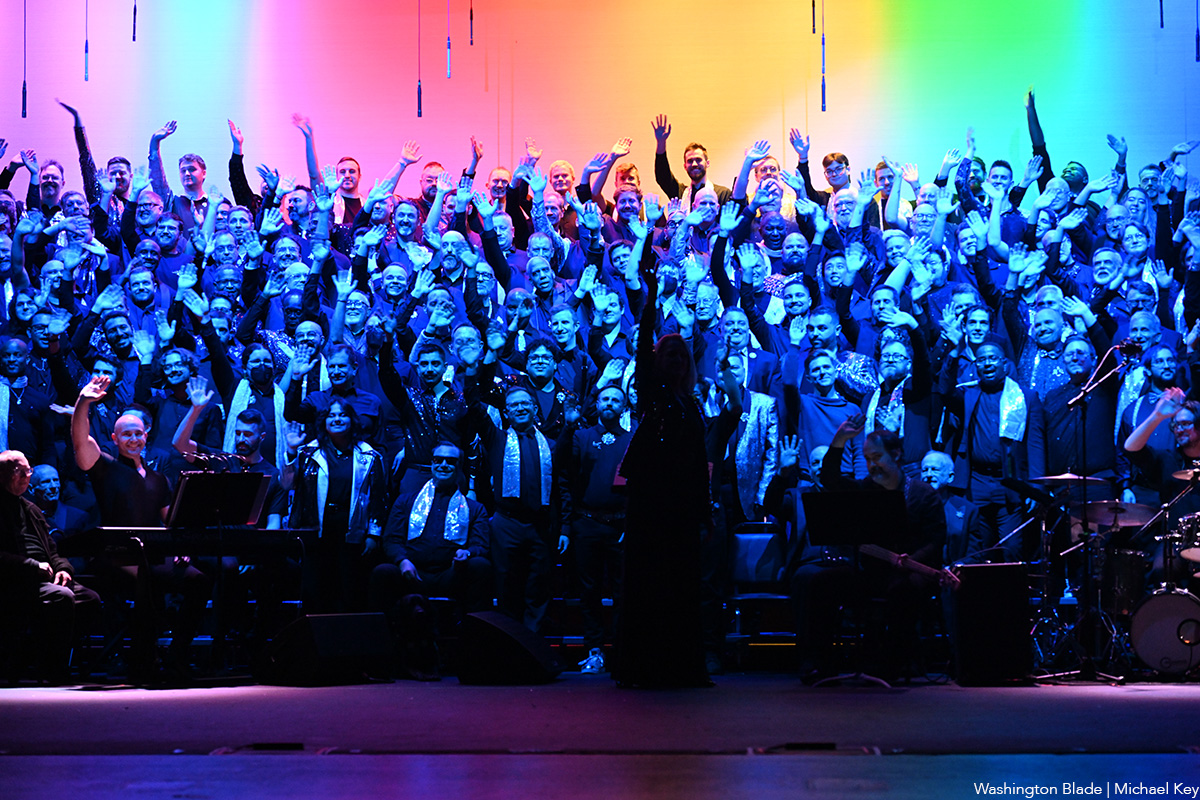
The Gay Men’s Chorus of Washington perform “The Holiday Show” at Lincoln Theatre (1215 U St., N.W.). Visit gmcw.org for tickets and showtimes.
(Washington Blade photos by Michael Key)









Santa will be very relieved.
You’ve taken most of the burden off him by making a list and checking it twice on his behalf. The gift-buying in your house is almost done – except for those few people who are just so darn hard to buy for. So what do you give to the person who has (almost) everything? You give them a good book, like maybe one of these.
Memoir and biography
The person who loves digging into a multi-level memoir will be happy unwrapping “Blessings and Disasters: A Story of Alabama” by Alexis Okeowo (Henry Holt). It’s a memoir about growing up Black in what was once practically ground zero for the Confederacy. It’s about inequality, it busts stereotypes, and yet it still oozes love of place. You can’t go wrong if you wrap it up with “Queen Mother: Black Nationalism, Reparations, and the Untold Story of Audley Moore” by Ashley D. Farmer (Pantheon). It’s a chunky book with a memoir with meaning and plenty of thought.
For the giftee on your list who loves to laugh, wrap up “In My Remaining Years” by Jean Grae (Flatiron Books). It’s part memoir, part comedy, a look back at the late-last-century, part how-did-you-get-to-middle-age-already? and all fun. Wrap it up with “Here We Go: Lessons for Living Fearlessly from Two Traveling Nanas” by Eleanor Hamby and Dr. Sandra Hazellip with Elisa Petrini (Viking). It’s about the adventures of two 80-something best friends who seize life by the horns – something your giftee should do, too.
If there’ll be someone at your holiday table who’s finally coming home this year, wrap up “How I Found Myself in the Midwest” by Steve Grove (Simon & Schuster). It’s the story of a Silicon Valley worker who gives up his job and moves with his family to Minnesota, which was once home to him. That was around the time the pandemic hit, George Floyd was murdered, and life in general had been thrown into chaos. How does someone reconcile what was with what is now? Pair it with “Homestand: Small Town Baseball and the Fight for the Soul of America” by Will Bardenwerper (Doubleday). It’s set in New York and but isn’t that small-town feel universal, no matter where it comes from?
Won’t the adventurer on your list be happy when they unwrap “I Live Underwater” by Max Gene Nohl (University of Wisconsin Press)? They will, when they realize that this book is by a former deep-sea diver, treasure hunter, and all-around daredevil who changed the way we look for things under water. Nohl died more than 60 years ago, but his never-before-published memoir is fresh and relevant and will be a fun read for the right person.
If celeb bios are your giftee’s thing, then look for “The Luckiest” by Kelly Cervantes (BenBella Books). It’s the Midwest-to-New-York-City story of an actress and her life, her marriage, and what she did when tragedy hit. Filled with grace, it’s a winner.
Your music lover won’t want to open any other gifts if you give “Only God Can Judge Me: The Many Lives of Tupac Shakur” by Jeff Pearlman (Mariner Books). It’s the story of the life, death, and everything in-between about this iconic performer, including the mythology that he left behind. Has it been three decades since Tupac died? It has, but your music lover never forgets. Wrap it up with “Point Blank (Quick Studies)” by Bob Dylan, text by Eddie Gorodetsky, Lucy Sante, and Jackie Hamilton (Simon & Schuster), a book of Dylan’s drawings and artwork. This is a very nice coffee-table size book that will be absolutely perfect for fans of the great singer and for folks who love art.
For the giftee who’s concerned with their fellow man, “The Lost and the Found: A True Story of Homelessness, Found Family and Second Chances” by Kevin Fagan (One Signal / Atria) may be the book to give. It’s a story of two “unhoused” people in San Francisco, one of the country’s wealthiest cities, and their struggles. There’s hope in this book, but also trouble and your giftee will love it.
For the person on your list who suffered loss this year, give “Pine Melody” by Stacey Meadows (Independently Published), a memoir of loss, grief, and healing while remembering the person gone.
LGBTQ fiction
For the mystery lover who wants something different, try “Crime Ink: Iconic,” edited by John Copenhaver and Salem West (Bywater Books), a collection of short stories inspired by “queer legends” and allies you know. Psychological thrillers, creepy crime, cozies, they’re here.
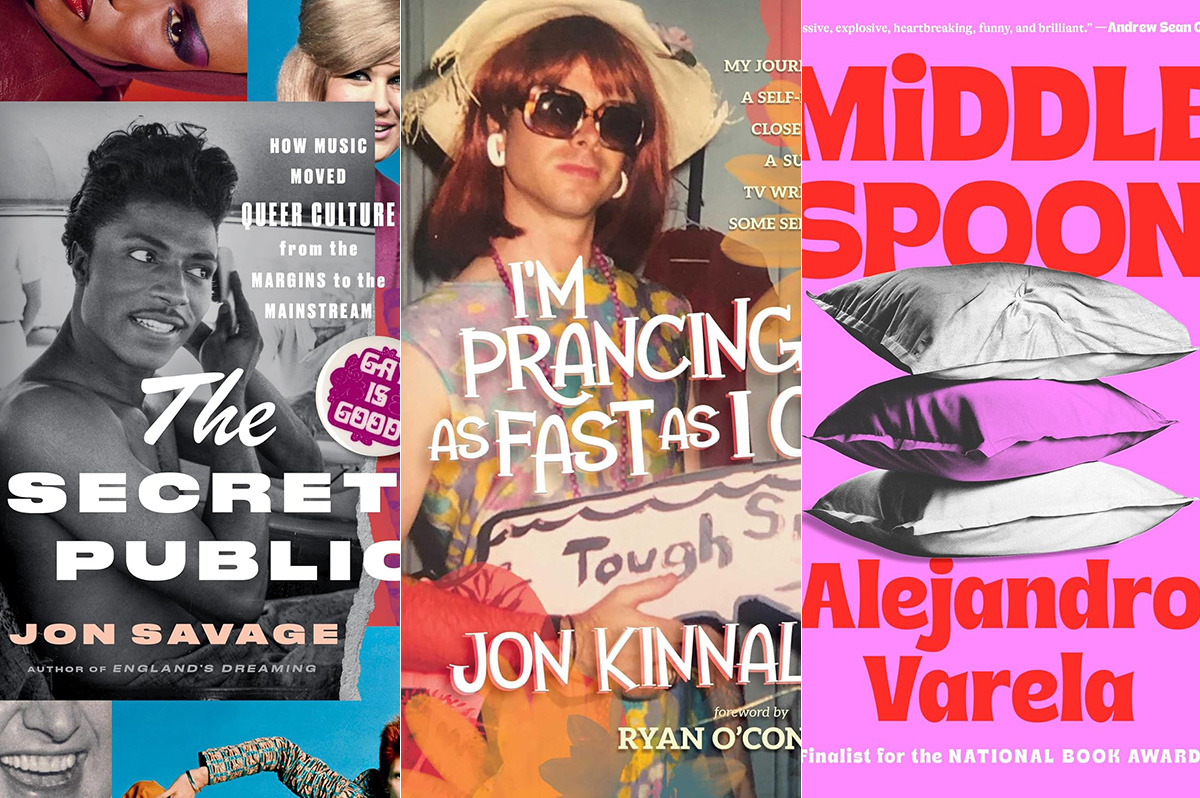
Novel lovers will want to curl up this winter with “Middle Spoon” by Alejandro Varela (Viking), a book about a man who appears to have it all, until his heart is broken and the fix for it is one he doesn’t quite understand and neither does anyone he loves.
LGBTQ studies – nonfiction
For the young man who’s struggling with issues of gender, “Before They Were Men” by Jacob Tobia (Harmony Books) might be a good gift this year. These essays on manhood in today’s world works to widen our conversations on the role politics and feminism play in understanding masculinity and how it’s time we open our minds.
If there’s someone on your gift list who had a tough growing-up (didn’t we all?), then wrap up “I’m Prancing as Fast as I Can” by Jon Kinnally (Permuted Press / Simon & Schuster). Kinnally was once an awkward kid but he grew up to be a writer for TV shows you’ll recognize. You can’t go wrong gifting a story like that. Better idea: wrap it up with “So Gay for You: Friendship, Found Family, & The Show That Started It All” by Leisha Hailey & Kate Moennig (St. Martin’s Press), a book about a little TV show that launched a BFF-ship.
Who doesn’t have a giftee who loves music? You sure do, so wrap up “The Secret Public: How Music Moved Queer Culture from the Margins to the Mainstream” by Jon Savage (Liveright). Nobody has to tell your giftee that queer folk left their mark on music, but they’ll love reading the stories in this book and knowing what they didn’t know.
The Blade may receive commissions from qualifying purchases made via this post.
Theater
Studio’s ‘Mother Play’ draws from lesbian playwright’s past
A poignant memory piece laced with sadness and wry laughs
‘The Mother Play’
Through Jan. 4
Studio Theatre
1501 14th St., N.W.
$42 – $112
Studiotheatre.org
“The Mother Play” isn’t the first work by Pulitzer Prize-winning lesbian playwright Paula Vogel that draws from her past. It’s just the most recent.
Currently enjoying an extended run at Studio Theatre, “The Mother Play,” (also known as “The Mother Play: A Play in Five Evictions,” or more simply, “Mother Play”) is a 90-minute powerful and poignant memory piece laced with sadness and wry laughs.
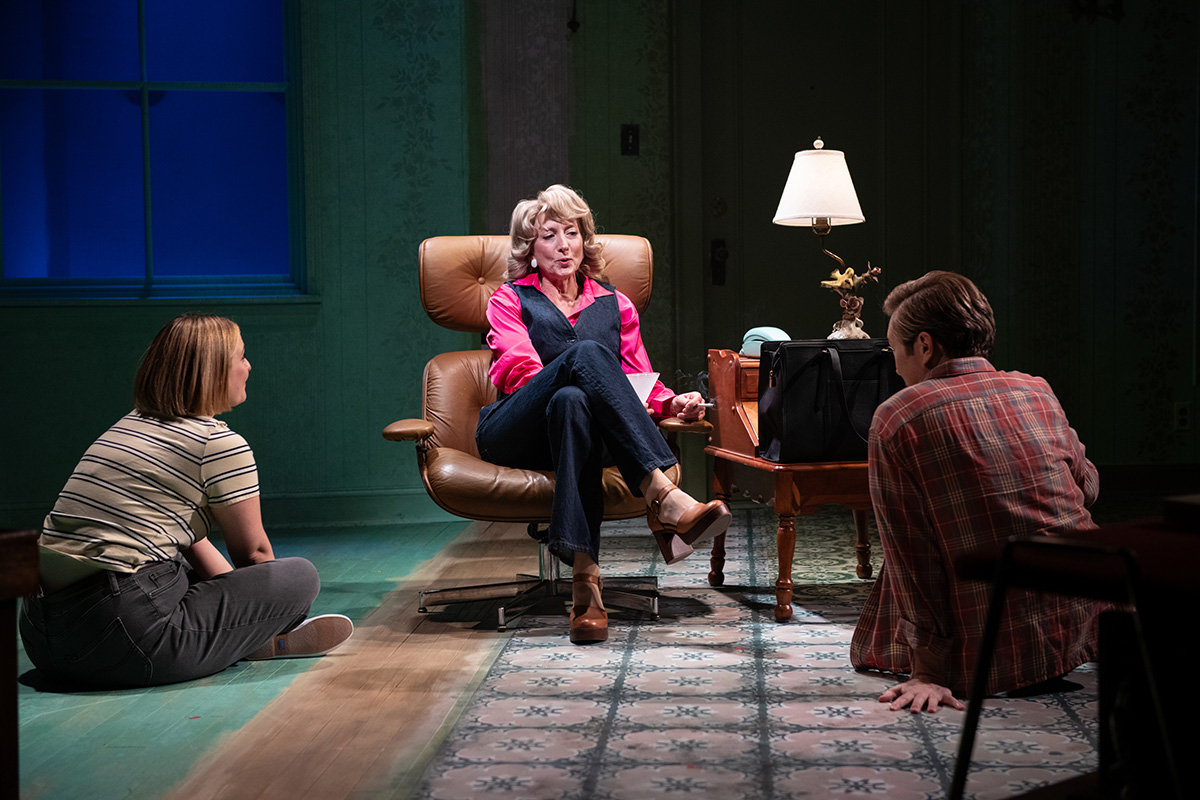
The mother in question is Phyllis Herman (played exquisitely by Kate Eastwood Norris), a divorced government secretary bringing up two children under difficult circumstances. When we meet them it’s 1964 and the family is living in a depressing subterranean apartment adjacent to the building’s trash room.
Phyllis isn’t exactly cut out for single motherhood; an alcoholic chain-smoker with two gay offspring, Carl and Martha, both in their early teens, she seems beyond her depth.
In spite (or because of) the challenges, things are never dull in the Herman home. Phyllis is warring with landlords, drinking, or involved in some other domestic intrigue. At the same time, Carl is glued to books by authors like Jane Austen, and queer novelist Lytton Strachey, while Martha is charged with topping off mother’s drinks, not a mean feat.
Despite having an emotionally and physically withholding parent, adolescent Martha is finding her way. Fortunately, she has nurturing older brother Carl (the excellent Stanley Bahorek) who introduces her to queer classics like “The Well of Loneliness” by Radclyffe Hall, and encourages Martha to pursue lofty learning goals.
Zoe Mann’s Martha is just how you might imagine the young Vogel – bright, searching, and a tad awkward.
As the play moves through the decades, Martha becomes an increasingly confident young lesbian before sliding comfortably into early middle age. Over time, her attitude toward her mother becomes more sympathetic. It’s a convincing and pleasing performance.
Phyllis is big on appearances, mainly her own. She has good taste and a sharp eye for thrift store and Goodwill finds including Chanel or a Von Furstenberg wrap dress (which looks smashing on Eastwood Norris, by the way), crowned with the blonde wig of the moment.
Time and place figure heavily into Vogel’s play. The setting is specific: “A series of apartments in Prince George’s and Montgomery County from 1964 to the 21st century, from subbasement custodial units that would now be Section 8 housing to 3-bedroom units.”
Krit Robinson’s cunning set allows for quick costume and prop changes as decades seamlessly move from one to the next. And if by magic, projection designer Shawn Boyle periodically covers the walls with scurrying roaches, a persistent problem for these renters.
Margot Bordelon directs with sensitivity and nuance. Her take on Vogel’s tragicomedy hits all the marks.
Near the play’s end, there’s a scene sometimes referred to as “The Phyllis Ballet.” Here, mother sits onstage silently in front of her dressing table mirror. She is removed of artifice and oozes a mixture of vulnerability but not without some strength. It’s longish for a wordless scene, but Bordelon has paced it perfectly.
When Martha arranges a night of family fun with mom and now out and proud brother at Lost and Found (the legendary D.C. gay disco), the plan backfires spectacularly. Not long after, Phyllis’ desire for outside approval resurfaces tenfold, evidenced by extreme discomfort when Carl, her favorite child, becomes visibly ill with HIV/AIDS symptoms.
Other semi-autobiographical plays from the DMV native’s oeuvre include “The Baltimore Waltz,” a darkly funny, yet moving piece written in memory of her brother (Carl Vogel), who died of AIDS in 1988. The playwright additionally wrote “How I Learned to Drive,” an acclaimed play heavily inspired by her own experiences with sexual abuse as a teenager.
“The Mother Play” made its debut on Broadway in 2024, featuring Jessica Lange in the eponymous role, earning her a Tony Award nomination.
Like other real-life matriarch inspired characters (Mary Tyrone, Amanda Wingfield, Violet Weston to name a few) Phyllis Herman seems poised to join that pantheon of complicated, women.

PHOTOS: The Holiday Show

The best books to give this holiday season

Studio’s ‘Mother Play’ draws from lesbian playwright’s past

Choose U ambassadors share lived experiences with HIV, personal reflections, and insights

DOJ seeks to join lawsuit against Loudoun County over trans student in locker room

EXCLUSIVE: George Santos speaks out on prison, Trump pardon, and more

Victory Institute honors transgender Spanish senator in D.C.

The beginning of the fall of Trump

Markey reintroduces International Human Rights Act in Senate