Local
Local activists reflect on Obama inauguration
Hope for ‘greater change’ cited for second term
The Washington Blade invited prominent LGBT activists in the D.C. area to share their personal thoughts about President Barack Obama’s second inauguration by answering this question:
“What is the significance of President Barack Obama’s inauguration on Jan. 21, 2013, as you see it, and what are your hopes for his second term as president?”
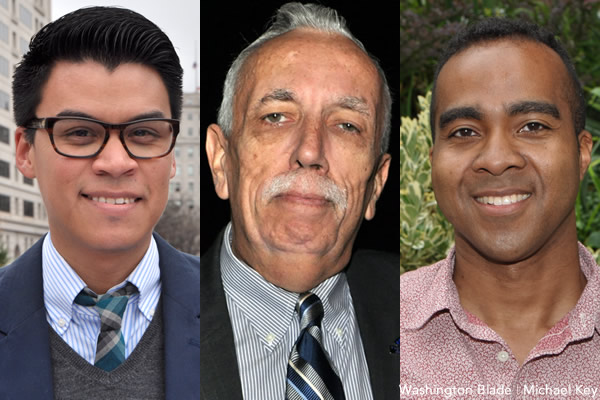
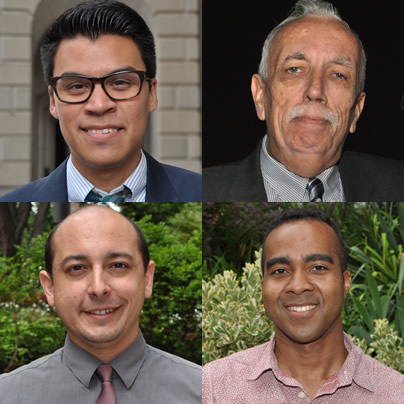
From left, Martin Garcia, John Klenert and Sterling Washington (Washington Blade photos by Michael Key)
The Latino GLBT History Project looks forward to the historic second inauguration of President Barack Obama, featuring the first-ever Latino and immigrant Inaugural Poet — Gay Cuban American Richard Blanco.
Obama’s re-election is an important turning point for America. Millions went to the polls last November knowing they were going to vote for a leader who believes in marriage equality and ordered his administration not to defend parts of DOMA, issued orders to keep DREAM Act students and foreign partners in bi-national same-sex relationships from being prioritized in deportations, and signed into law the repeal of “Don’t Ask, Don’t Tell” and hate crimes legislation.
His actions helped move public opinion in support of equality.
This inauguration is special for many of us who have worked hard for our civil rights advances that have materialized with this administration. Mainstream America symbolically endorsed our movement by awarding a second term to a leader who is ready to sign into law Comprehensive Immigration Reform, a fully-inclusive Employee Non Discrimination Act, and the Respect for Marriage Act that invalidates DOMA.
From reauthorizing Ryan White Act to helping low-income HIV/AIDS patients access medication, to filming an “It Gets Better” video to prevent LGBT youth suicide, to hosting LGBT leaders at the White House every Pride Month, to appointing more than 250 LGBT Americans to his administration, this president has rightfully earned a spot in our LGBT history timeline. He and first lady Michelle Obama care about our families. LHP looks forward to the next four years.
David M. Pérez
President
Latino GLBT History Project
This weekend is a time to celebrate! Our country solidly re-elected a marriage-equality-do-ask-do-tell president of color and this is historic and good! Hurrah.
As we look to what Obama’s second term can bring, we look to how the stunning progress on our issues happened during the first term. And the answer is organizing. My hopes for the second term are high because I’m ‘high’ on our community’s sophisticated, disciplined, hard-working, creative, inclusive LGBTQ groups.
Our organizations are at the table – in states, in cities, in election strategy sessions, and in meetings at the White House. We are coalition partners with labor, with public action organizations, with religious organizations. We have a history with working with progressive groups on health care so as the Affordable Care Act (aka Obamacare) gets implemented, we’ll be there representing our community’s needs.
Social Security – we’re there talking about the needs of our elders and the need to protect this successful, critical program. The economy – so important especially to lesbians (on average women still make less than men), and to the trans community, which has an unconscionable unemployment rate – a healthy economy that gives everyone a fair shot at a good job is critical to our community.
We as a community are positioned to have another amazing four years of progress, IF we continue to organize and to build coalitions and alliances.
So, dear queer community, re-up your memberships, join another organization or two or three, give time, give money. Seize. This. Moment.
Barbara Helmick
Lesbian feminist, Democratic activist
The inauguration is a chance to celebrate the re-election of the first black president of the United States. It’s also an opportunity to reflect on the progress we’ve made while recognizing the serious challenges that lay ahead.
Barack Obama made history by publicly announcing his support for marriage equality, repealing “Don’t Ask, Don’t Tell” and appointing a record number of openly LGBT administration officials.
President Obama’s victory, for me, meant that we are one giant step closer to realizing his vision of a more compassionate, generous and tolerant America. It provides us a chance to hold him accountable and gives Obama the opportunity to lead and continue pushing the envelope.
In Obama’s second term, I expect bold, visionary and transformative action.
People of color, women, youth & members of the LGBT community went from being the Rising American Electorate to THE electorate. We are committed to breaking down silos, being more proactive and staying grounded in our collective struggle for justice and equality.
Whether addressing the economy, immigration, gun violence or any other issue, we expect the president to not only be a supporter of our issues and communities, but to be a champion for them.
Gregory A. Cendana
Executive Director
Asian Pacific American Labor Alliance-AFL-CIO
The inauguration is a time for LGBT Democrats to celebrate all the hard work they put into re-electing President Barack Obama. It gives us a chance to reflect on the significant impact that the election has on DC, the LGBT community and our entire country.
Electing then re-electing our nation’s first black president is historic itself, especially as we pay tribute to Martin Luther King’s dream of justice. To add to that a president who unquestionably supports LGBT equality marks a path toward a future that brings us all a little closer to Martin Luther King’s vision.
Personally, re-electing President Obama, sending six LGB identified lawmakers to Congress and electing our first United States senator, Tammy Baldwin, fills me with joy and hope for our country. It shows that conversations about our lives are much more meaningful than smear attacks by corporate Super PACs.
While Barack Obama is the most pro-equality president in history, there is still much to be done by this administration and Congress. President Obama’s second term gives voters and our community a chance to push us even further toward equality. We must hold the president accountable and encourage him to champion our issues like comprehensive immigration reform, and lead this country with the passion and vigor we first saw from him in 2008.
Martin Garcia
President
Gertrude Stein Democratic Club
What is so significant about this inauguration? In our nation’s history, certain second-term presidents confirm that a major cultural shift or realignment of the electorate has occurred — Jefferson, Lincoln, Franklin Roosevelt, Reagan and now Barack Obama can be added to that list as America transitions to a majority minority populace. (I am not saying that President Obama is in the same league as those mentioned. It is far too early to see how history judges him.)
There are three areas of second-term hopes: international, national and local. In the foreign arena, in no particular order: details of the Middle East wars, the Arab Spring, Israel, Iran, Saudi Arabia and other countries will need a steady long term, non-Fox approach to our mutual security. In the Far East, our Pacific attentions with China’s continued rise in military, space and economic strength and the challenges on how to deal successfully with a mad North Korea will keep both State and Defense Departments busy. In our own hemisphere, it is long overdue that we admit our 50-year approach to Cuba needs some serious rethinking.
National wishes include the successful implementation of the health care program, slow and steady economic growth, a national voter registration program, an immigration program that both parties can agree to without building embarrassing walls against our Mexican neighbors, acceptable gun control programs that keep both hunters and school children safe, ENDA passage, more than just one openly LGBT ambassador and/or Cabinet member and federal judges at all levels, DADT transgender inclusion, and a carefully managed DOD downsizing.
Locally, hope that the president will finally speak up about the lack of true congressional D.C. representation. We must noisily demand what is only our American birthright: representation in our legislative body. While dining out at our restaurants is certainly appreciated, it’s time for the White House to speak out forcefully on this unsettled civil rights issue.
So, good luck, Mr. President! May the next two to three years bring the successes that all Americans want and deserve.
John Klenert
Gay Democratic and D.C. voting rights advocate
It is very fitting that President Obama’s second inauguration falls on the national holiday celebrating Rev. Dr. Martin Luther King, Jr.’s birthday. Besides his historic place as the nation’s first African-American commander-in-chief, President Obama is also the most pro-LGBT individual thus far to hold the nation’s highest office. I see clear correlations between the philosophy of Dr. King and President Obama’s commitment to fairness and equality for all Americans.
My hopes for his second term are that the nation will continue on the road to economic recovery, that the unemployment rate continues to fall, that the debt ceiling is raised enough to keep the nation from defaulting on its obligations, and that effective environmental and gun control measures are passed by Congress and signed into law by the president. I would also like to see an inclusive Employment Non-Discrimination Act passed by Congress and signed into law by President Obama.
Likewise, seeing the Student Non-Discrimination Act and the Domestic Partnership Benefits & Obligations Act become the law of the land is high on my list. With the possibility of at least one Supreme Court justice retiring in the next four years, I hope the president can appoint another LGBT-supportive justice to the high court.
Sterling Washington
Director
Mayor’s Office of GLBT Affairs

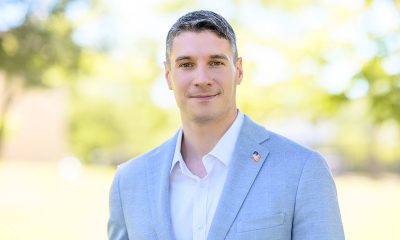


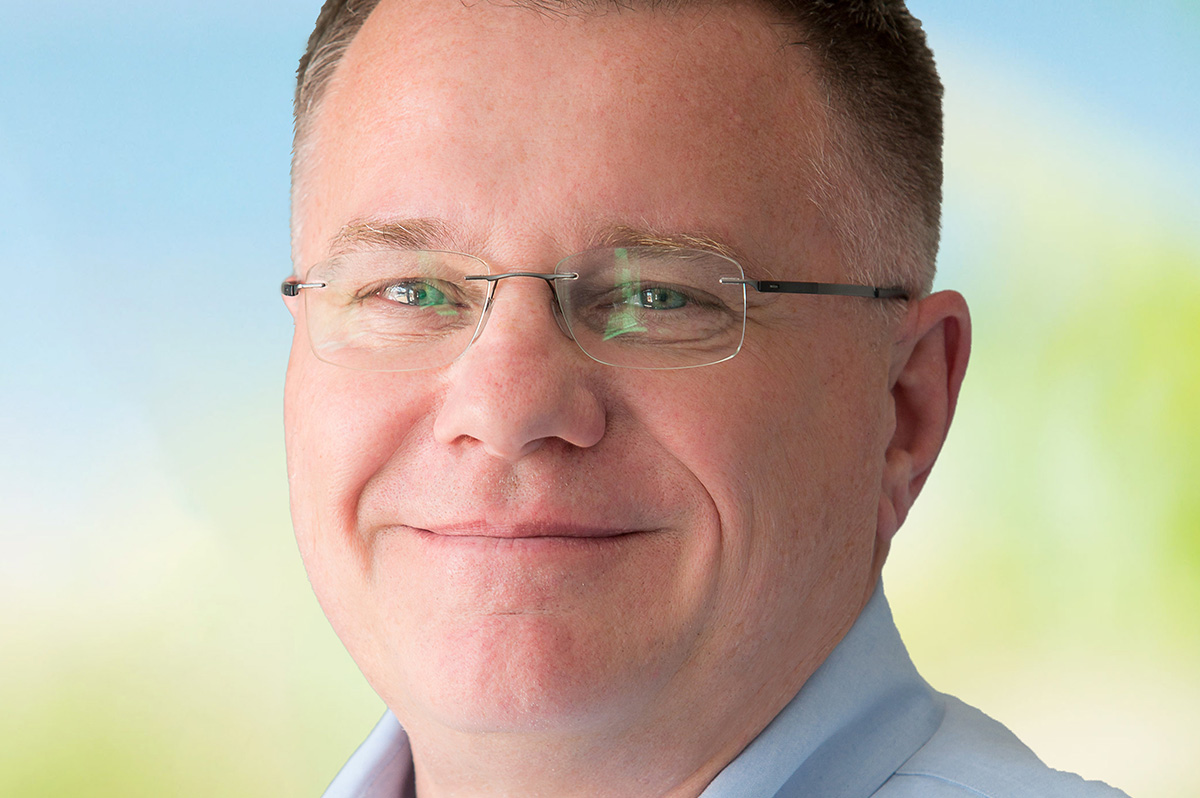
The Comings & Goings column is about sharing the professional successes of our community. We want to recognize those landing new jobs, new clients for their business, joining boards of organizations and other achievements. Please share your successes with us at [email protected].
Congratulations to Richard Garrett on being honored by Delaware Gov. Matt Meyer with the Order of the First State. Garrett is executive director of the Children’s Beach House, in Lewes, Del. Upon accepting the honor he said, “I am deeply honored to be recognized by Governor Meyer with the Order of the First State, but I hope this occasion also shines a light on children who are struggling in some of the same ways I struggled as a child and teenager. Perseverance, connection, patience, and the presence of caring adults made all the difference in my life. For 24 years, my greatest privilege has been helping Children’s Beach House create that same sense of belonging and possibility for children and families across Delaware. They are strong, smart, resilient, and resourceful—and they deserve every opportunity to discover just how much they are capable of becoming.”
He told the Blade, “In many ways, my own childhood helps explain why this work has been so deeply personal to me. I grew up in a family that struggled financially, and I had a speech impediment so severe that, as a young child, I often could not be understood without one of my siblings acting as an interpreter. Thankfully, I had strong parents and a mother who was an educator. She spent countless hours helping me practice consonant blends and trying to master the “R” and “S” sounds. Just as importantly, she understood that being around other children my own age would teach me things that no adult could. What made a difference in my life were competent, caring adults who built relationships with me and gave me the sense of safety and belonging I needed. People like Sister Kathleen Swan, OSF; Father Gerald M. Dunne, OSFS, Dr. Susan Cassidy and her husband, John Bronson, to name a few! In many respects, my story mirrors the work we do every day at Children’s Beach House. The children and families we serve are strong, smart, resilient, and resourceful. Sometimes what they need most is for someone to recognize those strengths, stand beside them, and give them the relationships and opportunities they need to flourish.”
Over the years Garrett has grown the Children’s Beach House’s annual budget from approximately $650,000 in 2003 to $4.5 million while strengthening impact, visibility, and organizational infrastructure. He raised $2.5 million in Delaware foundation capital grants, and established a $7 million endowment for the Margaret H. Rollins Center, a $1 million capital endowment, and increased the general operating endowment to $6 million.
In addition to all that Garrett is the founder and owner of Midway Motion and Fitness. He is also looking forward to the groundbreaking of Midway Pickleball in 2027. He is treasurer of the Community Foundation Board of Kiwanis Club of Coastal Delaware. He began his career as executive director of the Delaware County Children’s CAMP, Media, Pa.; and was director of Student Affairs for the Williamson Free School of Mechanical Trades, Media, Pa.
Garrett earned his bachelor’s degree in psychology from Neumann University, Aston, Pa.; and did his graduate studies in vocational education, Temple University.
District of Columbia
Physician: addiction doesn’t always look the way you think it does
Yngvild Olsen headed HHS’s Center for Substance Abuse Treatment during Biden-Harris administration
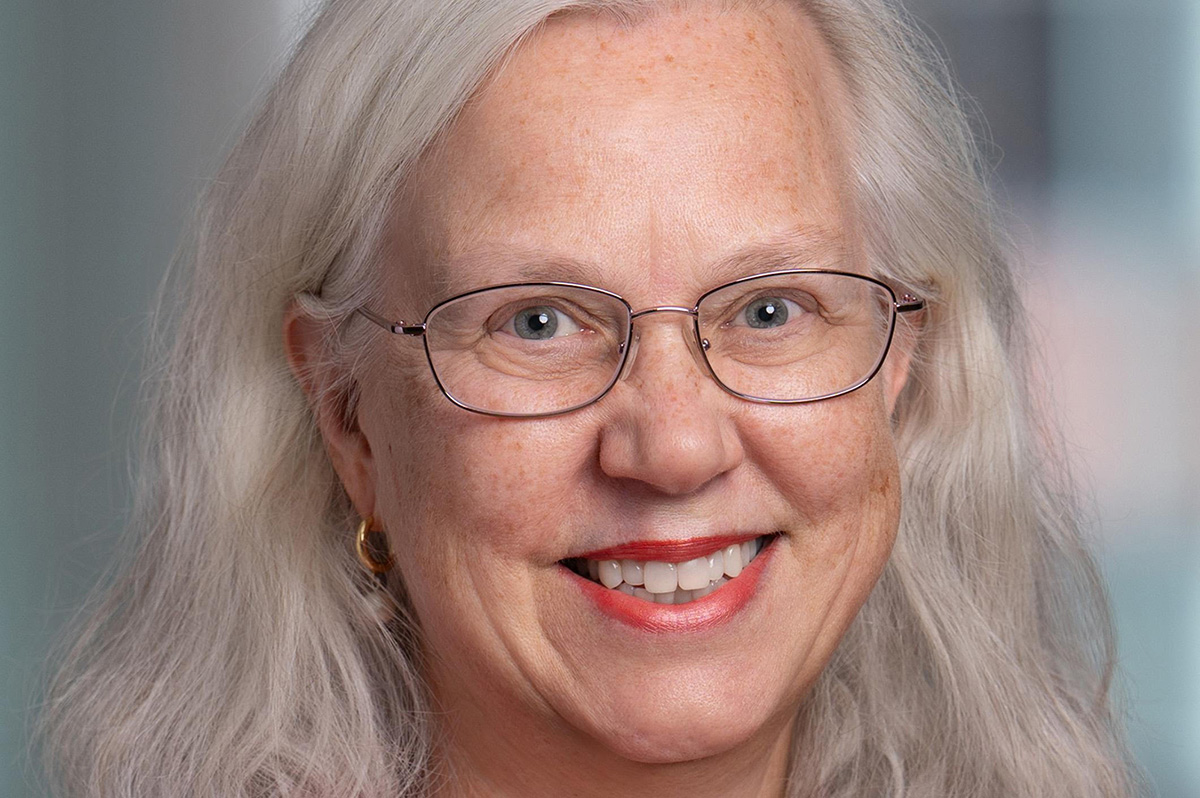
Many people think the telltale signs of drug addiction include sweating and vomiting. But a prominent addiction medicine physician says the best signals aren’t always so visible.
Dr. Yngvild Olsen says more accurate signs come from the brain, specifically the compulsion to keep using drugs, including opioids, despite damage to education, career and relationships.
While it may be harder to understand the true nature of drug addiction, it’s never been more important because of the increased fatality risk of even microscopic amounts of fentanyl, which can be found in many illegal drugs.
Olsen, who headed the Center for Substance Abuse Treatment at the Department of Health and Human Services in the Biden-Harris administration, has worked in addiction treatment for more than two decades. She is now a healthcare advisor with the law and professional consulting firm Manatt, Phelps & Phillips and a physician at the Institute for Behavior Resources/Reach Health Services in Baltimore.
Olsen met with Youthcast Media Group to discuss her career, the opioid epidemic and what to know about fentanyl. The physician, a graduate of Harvard Medical School and the John Hopkins Bloomberg School of Public Health, cited her field experiences as key in shaping her perspective on addiction treatment and recovery. This interview is edited for clarity and length.
What made you believe this work in addiction treatment is important?
I had a couple of experiences really early on in my career that very significantly shaped my interest in addiction and addiction medicine, and my belief that I had a role, and that I could really help people get better from that disease. So the first was during the summer between my first and second year in medical school. I spent the summer on the Eagle Butte and Pine Ridge reservations in South Dakota and really saw firsthand just the devastating impact that substance use — in that case, alcohol — had on not only individuals, but their families and whole communities, and just how profound that impact had been for people who had lost their lives, who had lost family members, who had physically, emotionally and spiritually negative impacts of just feeling very hopeless and and trying to find solace in their substance use, particularly their alcohol use, and doing that without really finding it. I think that was really the lesson that experience taught me.
What did you learn about treatment practices during your medical education? How was that helpful to your career?
When I was a resident in general primary care at Boston Medical Center, I was really fortunate to have a group of mentors who also were general internists, like I was training to be, who were very interested and focused on medical education and research in substance use. And so they modeled for me many of the interactions that we had with patients. I got to do a research study with one of them looking at smoking cessation among people with opiate use disorder, taking methadone. And really importantly, I got to spend a month with one of them at the Boston City Public Health Department’s Opioid Treatment Program, or what some people call a methadone clinic, because he was their medical director. I got to see people recover, and who had recovered, who had gotten their lives back together, gotten their families back together, had new families (or) businesses. It was unbelievably helpful to see that people could recover, that they did recover, and that I, as a physician, could be part of their treatment. I saw people get better, and recover, with medications like methadone and buprenorphine, and other services designed individually for them. That was really helpful and kind of a big eye-opening moment for me.
What factors contribute to addiction and why is it considered a complex disease?
People come into treatment for their addiction — or when they’re not in treatment, but are in an emergency department or on the street — with a lot of shame. They have a lot of shame about this disease that they have, that for so long, they were told, ‘Well, you know, you should just stop. Why can’t you just stop?’ Well, we know that addiction is a disease. It’s a complex disease that has lots of different factors related to it. So there’s a big genetic component that combines with environmental factors and other risk factors. For example, people have what’s called adverse childhood experiences. Some of these are if they grow up with lots of physical or sexual abuse or emotional abuse or have parents who are in jail. That’s really traumatic and so all those childhood experiences that increase stress are a big risk factor.
What is the easiest opioid to get addicted to?
It used to be heroin. That was a big problem, particularly in the Northeast and other parts of the country. That shifted to prescription opioids, beginning around the year 2000. So for about 10 years, it was really prescription opioids that were a big problem — people misusing them. And then it switched back to heroin. And then in about 2015, fentanyl came on the scene, and that really changed the game, given just how unbelievably potent fentanyl is, so it doesn’t take a lot to cause an overdose. Now there are all those other synthetic opioids, like the orphines and nitazenes and all those combinations of other substances, but fentanyl is really what’s still kind of driving a really big part of the overdose crisis.
Do LGBTQ individuals face heightened challenges when battling addictions? How do addiction specialists like you account for those challenges?
We certainly know that the prevalence of overdose and the challenges of substances is higher in the LGBTQ+ community. Where I see patients, we did a big LGBTQ+ training and had a grant to specifically provide services to that population. Where we were located, in Baltimore City, there is a big transgender community not that far from us. Particularly in the LGBTQ+ population, they have multiple stigmas. So it just compounds multiple stressors. And stress is a risk factor for substance use, and particularly a risk factor for recurrence of a substance use disorder. And so when you have all these negative factors building up in people, that can make it that much more challenging for people to find the services that they find meaningful and that are welcoming and supportive of them. So we tried very hard — and we still do — to make sure that we are a welcoming and safe space, because I think it is that safety that is really paramount.
What advice would you give someone worried about a friend or family member’s substance use?
There are two things. One is: I would talk to that person about your concerns and how that person’s personality changes or their behavior changes when they’re using or in withdrawal, and how that might be impacting their health and how they’re feeling. And then second: you can let them know that there are actual treatments that are really helpful, that can make them feel better and that can help them get back to who they were before they started using. It’s important not to be accusatory because … [people] have a lot of shame already, and so when somebody starts accusing them, that shame just gets worse. And a lot of times, people who have a substance use disorder or are using opioids won’t necessarily agree that they have a problem when you first start to talk to them. But talk to them again every time something happens and say, ‘I’m really worried about you because this now has happened and I see it as being tied to your substance use.’ And let them know that there are people who can help and that they could actually feel a lot better.
This work is part of a partnership between the Washington Blade Foundation and Youthcast Media Group, funded in part through a FY26 Community Development Grant from the Office of D.C. Mayor Muriel Bowser. Adrian Malone is a senior at Bard High School Early College DC, one of Youthcast Media Group’s journalism class partners. Shreya Jyotishi, YMG assistant manager of content and programming, is a former Washington Blade intern and 2026 graduate of American University.
District of Columbia
Bet Mishpachah participates in D.C. Oct. 7 commemoration ceremony
Wednesday marked three years since Hamas attacked Israel
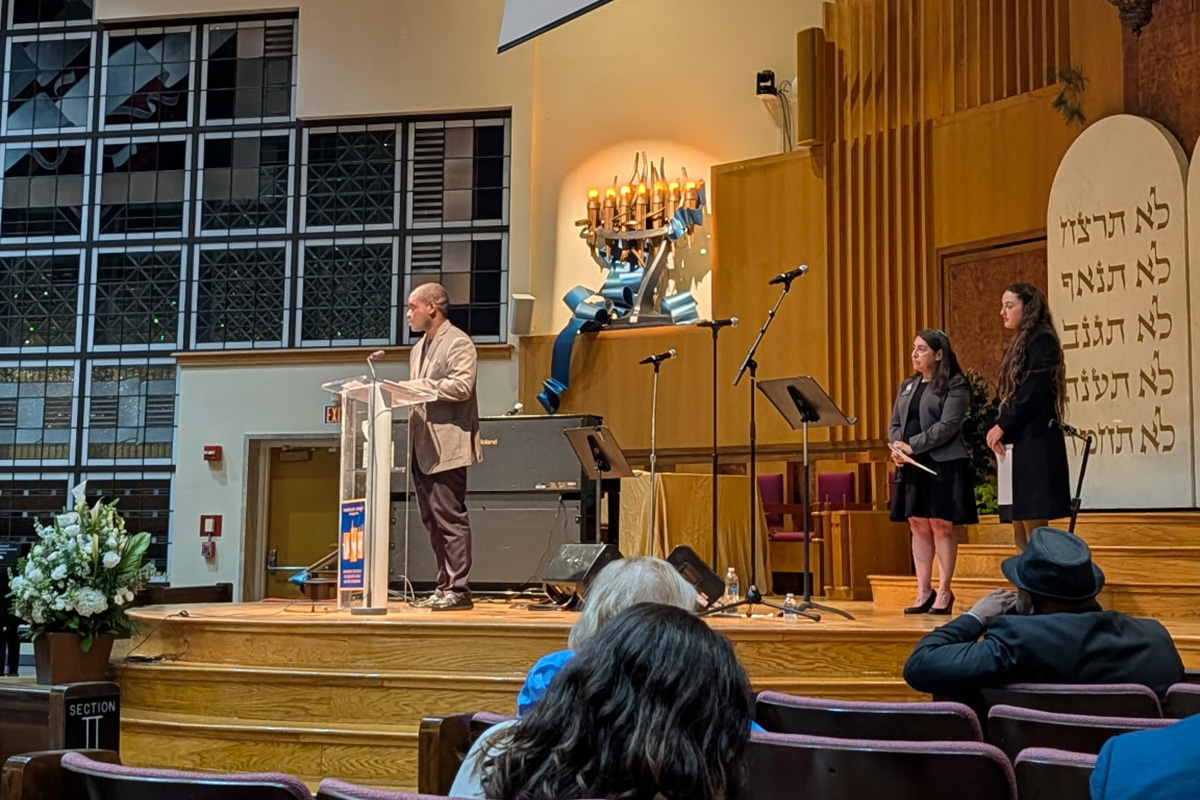
Bet Mishpachah Executive Director Joshua Maxey on Wednesday was among those who spoke at a ceremony in D.C. that marked the third anniversary of the Oct. 7 attack in Israel.
The Jewish Federation of Greater Washington hosted the ceremony that took place at the Washington Hebrew Congregation in Northwest D.C. Bet Mishpachah is the city’s LGBTQ synagogue.
“It was a deeply moving evening, especially hearing the stories of people who knew those who were murdered and those who survived and experiencing music that gave a voice to grief and hope,” Maxey told the Washington Blade.
Hamas militants on Oct. 7, 2023, killed roughly 1,200 people, including upwards of 360 partygoers at the Nova Music Festival near Re’im, a kibbutz that is a couple miles from the Gaza Strip, when it launched its surprise attack on Israel. The militants also kidnapped more than 200 people.
The Hamas-controlled Gaza Health Ministry says Israeli forces have killed more than 74,000 people in the enclave since Oct. 7.
The International Criminal Court in 2024 issued arrest warrants for Israeli Prime Minister Benjamin Netanyahu; former Israeli Defense Minister Yoav Gallant; former Hamas leader Yahya Sinwar; Mohamed Diab Ibrahim al-Masri, the head of Hamas’s military wing known as the Qassam Brigades; and Ismail Haniyeh, chair of the Hamas Political Bureau, after it accused them of committing war crimes and crimes against humanity in Gaza and Israel.
The Israeli government has strongly denied it has committed genocide in Gaza.
An Israeli airstrike on a compound in Khan Younis, a city in southern Gaza, on July 13, 2024, killed killed Deif, one of the alleged Oct. 7 masterminds. Israel less than three weeks later assassinated Haniyah in Tehran, the Iranian capital. Israel Defense Forces soldiers on Oct. 16, 2024, killed Sinwar in Rafah, a city in southern Gaza.
Hamas last October released the remaining hostages in Gaza as part of a ceasefire agreement that President Donald Trump helped broker. Israel has continued to conduct airstrikes and other military operations in Gaza since the official suspension of hostilities took effect.
“For Bet Mishpachah, it was especially meaningful to lift up the names of LGBTQ+ people, those whose identities we know and those whose stories may never be fully known, who were murdered, and to honor the LGBTQ+ survivors whose resilience continues to inspire us,” said Maxey, referring to his participation in Wednesday’s ceremony. “Emily Damari’s story is particularly poignant: while held hostage, she had to hide the fact that she was gay because she feared that revealing her identity to her captors could put her life at even more risk. Yet, she survived.”
“Her story, like so many others, reminds us of the extraordinary courage it takes simply to remain human in the face of hatred,” he added. “May we continue to remember and to mourn, to honor, and to work toward a future rooted in peace and hope.”

Comings & Goings

‘Hidden in Plain Sight:’ The story of Odessa Madre

‘Governments that attack LGBTQ+ rights learn from each other’

Horror genre has evolved into space to explore queer identity

Annie Andrews denounces trans athletes after Trump targets her

ICC unseals arrest warrants for Taliban officials accused of persecuting LGBTQ people, women

Physician: addiction doesn’t always look the way you think it does

Calendar: October 9-15

Solidarity beyond the parade: the actual cost of Pride

Essential queer horror classics for Halloween
-

 Afghanistan4 days ago
ICC unseals arrest warrants for Taliban officials accused of persecuting LGBTQ people, women
-
District of Columbia4 days ago
Physician: addiction doesn’t always look the way you think it does
-
Calendar4 days ago
Calendar: October 9-15
-
Opinions3 days ago
Solidarity beyond the parade: the actual cost of Pride